
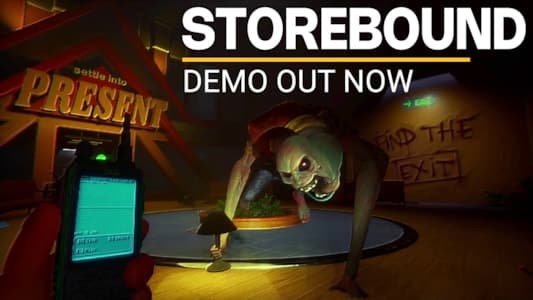
Storebound just hit Early Access with a liminal twist—here’s the catch I didn’t expect
Game intel
Storebound
A 1-3 co-op horror game. Play as ordinary shoppers trapped in an accursed megastore. Find the exit together at all costs before the employees catch you.
Why this launch actually matters for players
Co-op horror is crowded right now, but Storebound immediately caught my eye because it commits to a specific, unnerving vibe: being trapped in an endless megastore where helpful “employees” only clock in when the lights go out. It’s now in Early Access on Steam and the Epic Games Store with Episodes 1 and 2-the first slice of a larger story-and it leans hard on proximity voice, stealth, and sanity mechanics instead of jump-scare spam. The catch I didn’t expect? It’s built around 1-3 players, not a big squad, which changes the tone from chaotic party game to tense, intimate survival.
Key takeaways
- Early Access includes Episodes 1 and 2; more chapters are planned and will be shaped by community feedback after a strong Next Fest showing.
- Designed for 1-3 players with no combat-stealth, sanity, and 3D audio do the heavy lifting.
- Communication is the gameplay loop: proximity voice and walkie-talkies matter (and might not always be “safe”).
- Run-based progression, randomized layouts, and multiple difficulties should help replayability if the episode content holds up.
- Practical bits: modest PC specs and a small install, Steam launch discount, Steam Family Sharing disabled, Epic version requires an Epic ID.
Breaking down the announcement
Storebound, from French indie studio Embers (the team behind the moody action-adventure Strayed Lights), launched into Early Access on November 17, 2025. The build ships with Episodes 1 and 2—the opening chapter in what’s framed as a longer, story-driven arc. Embers says updates will be iterative and community-guided, which is exactly how the best modern co-op horror games have found their footing. The Steam version has a launch discount, and the Epic version needs an Epic ID—standard stuff, but worth noting if your group splits platforms.
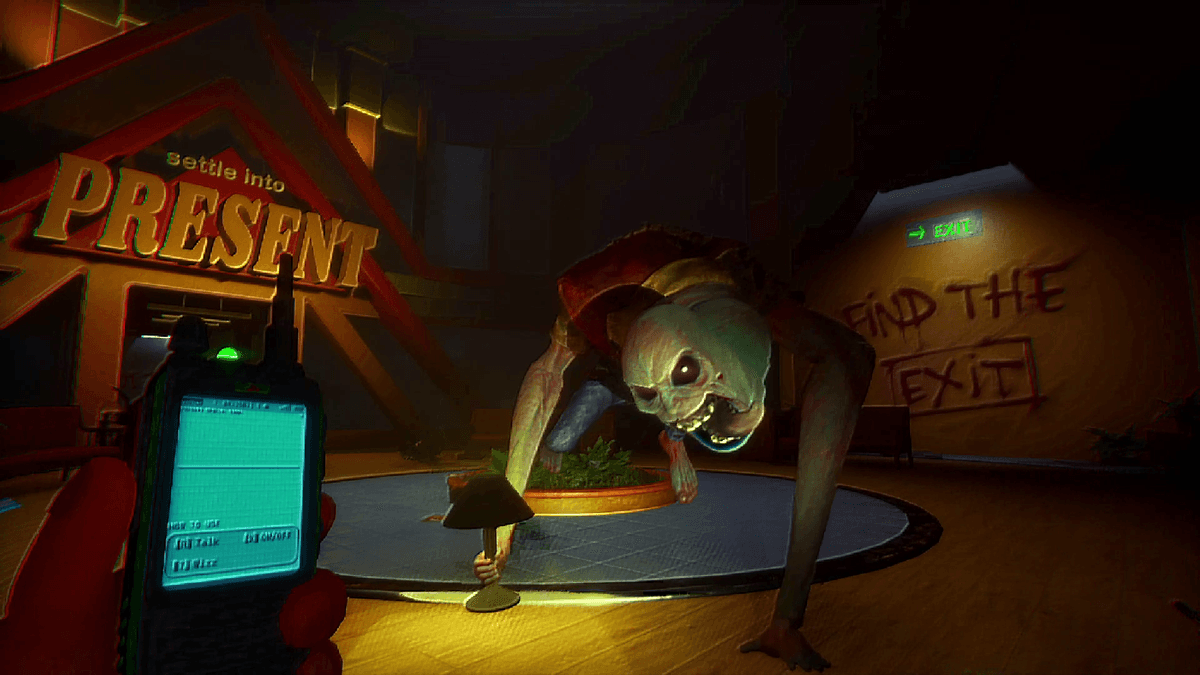
On paper, this is “survive the night” horror, but the megastore twist isn’t just set dressing. During “open” hours, the aisles loop in quietly wrong ways; when the store “closes,” employees patrol, and their chirpy offers of help become threat vectors. Proximity voice chat turns teamwork into tension—hearing a friend’s whisper echo from three aisles over is both helpful and terrifying—and walkie-talkies help when you split up, with the unsettling hint that you might not be the only ones listening.
Where it fits in the co-op horror landscape
If you’ve spent nights in Phasmophobia, shouted your lungs out in Content Warning, or negotiated hazard pay in Lethal Company, Storebound lands in a familiar-but-fresh lane. It’s closer to Phasmo’s slow-burn dread than Lethal’s slapstick danger, and the 1-3 player cap is a deliberate pivot. Fewer voices = more clarity and more pressure. It also taps into that “liminal spaces” itch pop culture’s been scratching since The Backrooms and SCP-3008’s infinite IKEA. The store itself is the antagonist: lights, layout, and sound design are out to undo you, and sanity erosion messes with perception in ways that make even safe spaces feel suspect.
Critically, there’s no combat. You’re not going to craft a spear and fight night managers in the clearance aisle. It’s stealth and survival—read patterns, time your moves, know the vents, and shut up when closing time hits. That design choice narrows the audience a bit (some groups need the catharsis of swinging a bat), but it keeps the horror pointed and the stakes high.
Early Access reality check: scope, friction, and fun
Episodes 1 and 2 are a solid way to structure Early Access, but they need meat on the bone. The randomized item and obstacle placement should keep runs fresh, and the progression system unlocks abilities and perks over time. Still, co-op horror lives and dies on variety—new enemy behaviors, environmental modifiers, and objectives that force different team shapes. With only up to three players, Storebound must nail pacing: enough downtime to plan, enough spikes to panic, and enough systems to keep bravado in check without making solo or duo play feel punishing.
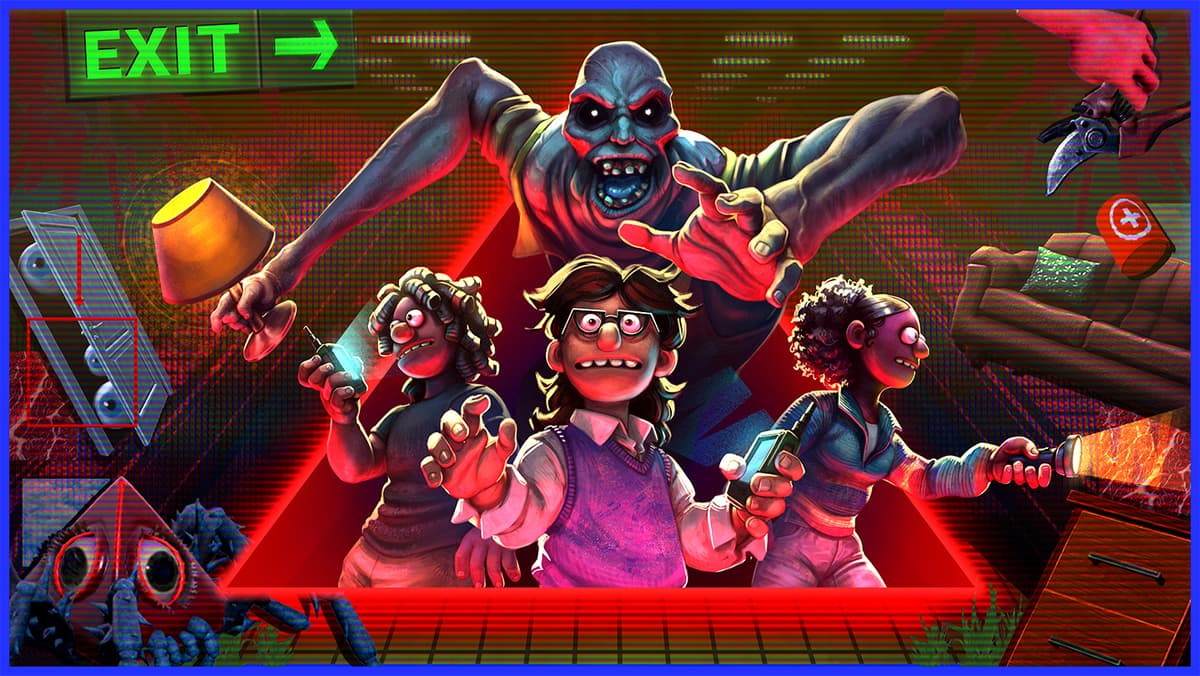
The communication design is the wild card I’m most excited about. Proximity voice makes every decision audible—literally. Do you split to cover more ground and rely on walkies, or stay within shouting distance and risk wasting time? If Embers leans into audio trickery—mimicked voices, interference, directionally misleading cues—it could create memorable stories that don’t rely on cheap jump scares. The flip side: if enemy AI or audio balance feels unfair, players will immediately call it out. That feedback loop is Early Access at its best and its most brutal.
Want to Level Up Your Gaming?
Get access to exclusive strategies, hidden tips, and pro-level insights that we don't share publicly.
Ultimate Gaming Strategy Guide + Weekly Pro Tips
The practical stuff gamers actually need to know
Good news on hardware: the minimum spec lands around an aging i5/FX CPU with a GTX 950/Radeon 7970, and the install footprint is tiny (5–8 GB). Recommended targets a mid-range 1070 Ti/RX 580 tier. Translation: this should run on most gaming PCs without begging for an upgrade. Language support is generous (English, French, German, Spanish, Japanese, Korean, Chinese—both variants—and more) for UI/text, making it easier to drag friends into your nightmare. Steam Family Sharing is disabled, which is common for online co-op. And yeah, bring a mic—this game’s entire personality comes alive through voice.
Looking ahead: what will make or break Storebound
Embers proved with Strayed Lights that they can deliver mood and polish; Storebound asks them to sustain that mood across evolving, repeatable co-op content. The Next Fest buzz suggests the core loop lands. Now it’s about cadence (how quickly do new episodes arrive?), escalation (new “employees,” layout rules, and sanity tricks), and co-op quality-of-life (matchmaking reliability, griefing protections, robust communication tools). If the studio keeps the updates flowing and the store’s rules interesting, this could be the next staple of late-night Discord sessions. If the episodes feel thin or repetitive, players will bounce fast—there’s too much competition for attention.
TL;DR
Storebound’s Early Access delivers a confident pitch: small-team stealth horror in an eerie megastore, with communication and sanity systems doing the heavy lifting. Episodes 1 and 2 are a promising start; the real test is whether Embers can expand the playbook fast enough to keep runs surprising. I’m cautiously excited—and very ready to get lost in Aisle Infinite.