
When an RTS built as “the next StarCraft” loses online multiplayer less than a year after its 1.0 launch, it’s more than a server hiccup—it’s a warning about modern live-service fragility when your core infrastructure sits at a third party’s mercy.
Frost Giant’s Stormgate is set to lose all online modes at the end of April 2026 because Hathora—the indie orchestration startup handling matchmaking, lobby and instance management, and authoritative game servers—was acquired by Fireworks AI. The AI firm is repurposing that hardware for compute-heavy models, leaving competitive ranked play and co-op modes in limbo. Frost Giant is racing to deliver an offline patch, but whether Stormgate ever regains its online spine is anyone’s guess.
Table of Contents (10)
Key takeaways
- Online modes shut down end of April after Hathora’s buyout by Fireworks AI, which is winding down game hosting.
- Frost Giant will release an offline patch for campaign and solo skirmishes, but ranked ladders and co-op remain offline.
- A crowdfunded, esports-ready RTS losing multiplayer so early highlights the risks of outsourcing core infra to small providers.
- This serves as an ugly sign that the AI boom easily trumps niche live games when infrastructure isn’t under the studio’s control.
A crowdfunded RTS loses its competitive heart
Stormgate launched in Steam Early Access in August 2024, promising a modern successor to the golden age of Blizzard RTS titles. Built by ex-StarCraft and Warcraft developers, the Kickstarter campaign raised over $3.5 million, and the promise was clear: tournaments, ranked ladders, custom lobbies, and co-op missions against AI. When the game hit full 1.0 release in 2025, it carried both nostalgia and hope for a reborn competitive scene.
Yet reviews ranged from mixed to positive, and player concurrency (the number of simultaneous online players) stayed modest—a fraction of the peaks enjoyed by more established live services. Still, the studio doubled down on its multiplayer vision, outsourcing all server orchestration to Hathora to avoid building and maintaining the backend themselves.
The AI gold rush and its live-service casualties
Then came April 2026. Fireworks AI swooped in, acquiring Hathora to bolster its AI compute capacity. Game servers? Collateral damage. In boardroom terms, Stormgate and any other titles on that infra stack were line items under “wind down operations.”
We’ve seen games shutter because of poor retention or bad monetization, but rarely because their servers were literally repurposed for something more profitable. Bellular recently chronicled Highguard, a Tencent-backed title cut off for low retention. But Stormgate’s demise isn’t blamed on players—it’s a pure infrastructure pivot in the AI gold rush.
Why studios outsource game servers
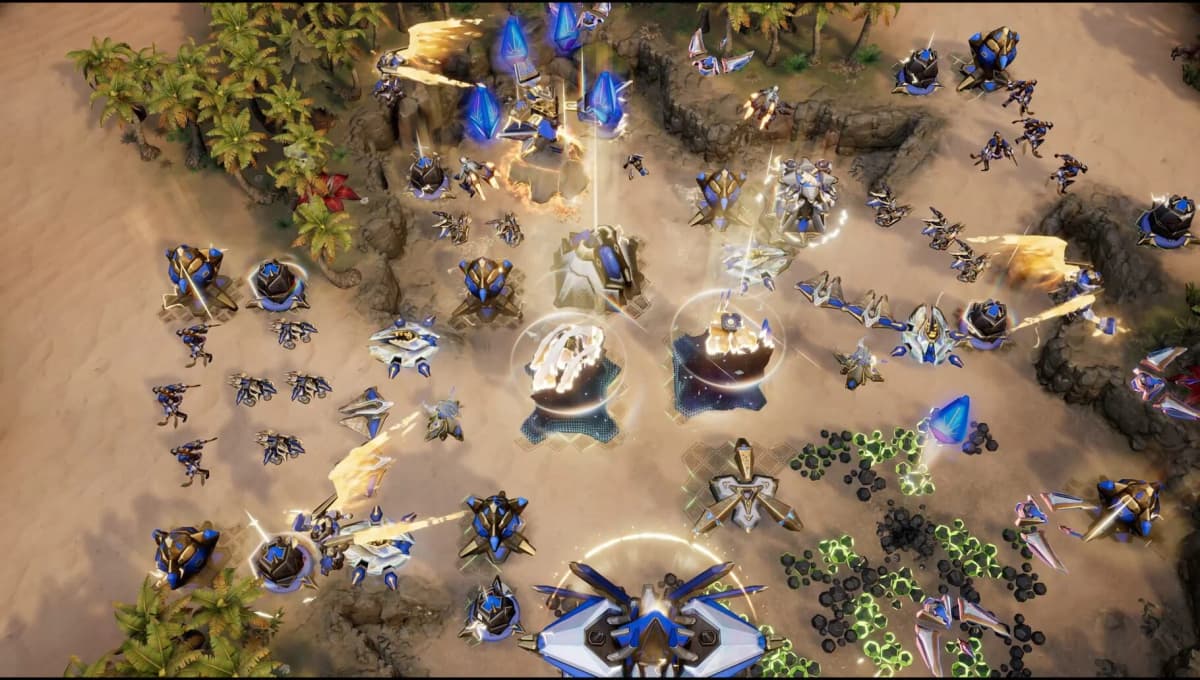
At first glance, outsourcing to a specialist makes sense: small teams avoid the months of hiring DevOps engineers, sculpting matchmaking systems (which pair players into matches), and building robust authoritative servers (which enforce game rules). Startups like Hathora offer turn-key orchestration for lobbies and instances, with pay-as-you-go pricing and auto-scaling.
But it introduces a single point of failure. If that partner changes strategy, gets acquired, or raises prices, the game’s core service stops. Stormgate’s example signals to every mid-budget studio: handing over live-service arteries to anyone but yourself carries existential risks.
The cost of rebuilding vs. finding a new partner
With Hathora gone, Frost Giant faces two main options: rebuild its own server stack or onboard a new third party. Rolling your own solution involves months of engineering to construct matchmaking queues, lobby orchestration, database shards, and cloud instances (on AWS, Azure, or GCP). Even a minimalist rebuild can run into six-figure budgets and require ongoing ops staff.
Alternatively, they could contract another orchestration vendor—Microsoft PlayFab, Amazon GameLift, or Photon—each with different SLAs (service-level agreements), pricing, and integration complexity. That route shortens development time but again hands control to an external company. And with Stormgate’s modest player base, negotiating favorable rates or committing to minimums could be challenging.
Offline patch: a lifeline with limits
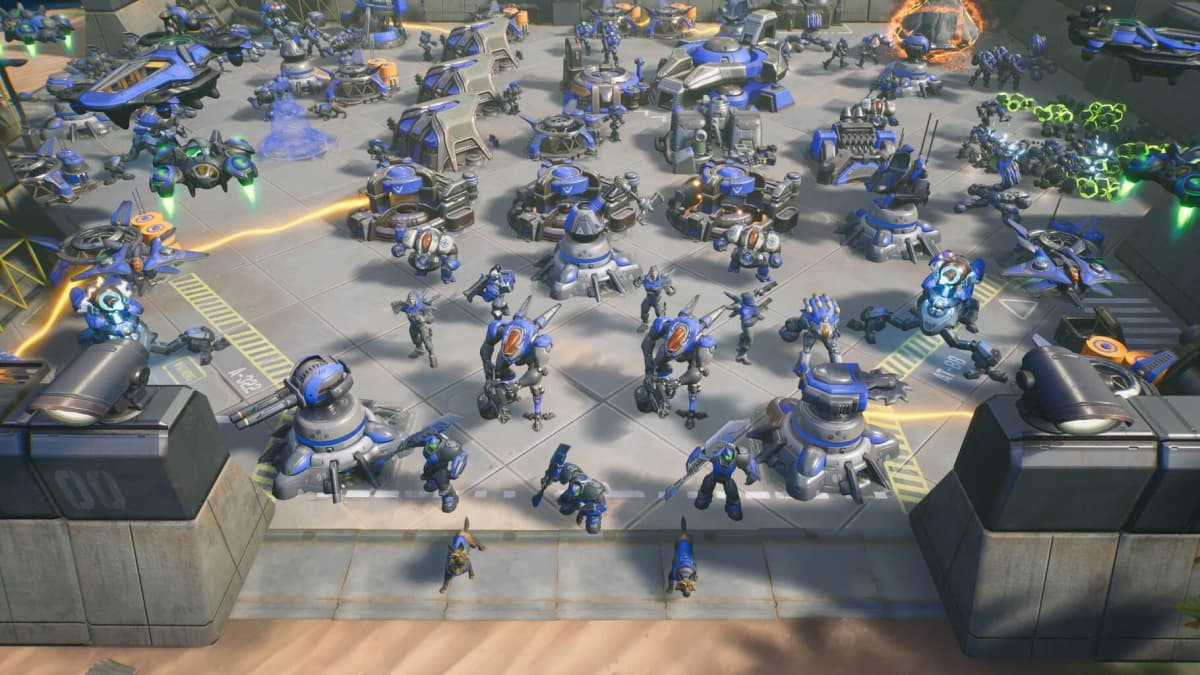
Frost Giant deserves credit for planning ahead. Rather than ditching the entire game, they’re shipping an offline patch to preserve the single-player campaign and solo skirmish mode against AI bots. This ensures that, post-April, owners can still enjoy the story missions and practice matches without needing matchmaking servers.
However, this patch doesn’t restore LAN-style custom games or local network play. It simply toggles the game out of online dependency so that core PvE (player versus environment) content remains accessible. Players who bought Stormgate for competitive play will find ranked ladders and co-op missions permanently dark—until a miracle partner deal surfaces.
Paths forward for Stormgate
What’s realistic? First, watch for the offline patch delivery. If Frost Giant ships it before Hathora’s servers fully power down at the end of April, there’s no blackout period. A service interruption would signal resource constraints and could hurt the patch’s uptake.
Next, look for studio announcements on a new infrastructure partner. Ideally, they’ll reveal a signed contract, an estimated timeline, and which online features return (ranked, co-op, custom lobbies). If the silence stretches into late 2026, the odds drop that full multiplayer ever makes a comeback.
Community-run servers are another long-shot lifeline. Some RTS games thrive on fan-hosted instances after official support ends—provided developers release server binaries or APIs. Frost Giant has not indicated plans for any open-source server code, which means community hosting likely won’t fill the gap.
Counterpoint: the case for outsourcing
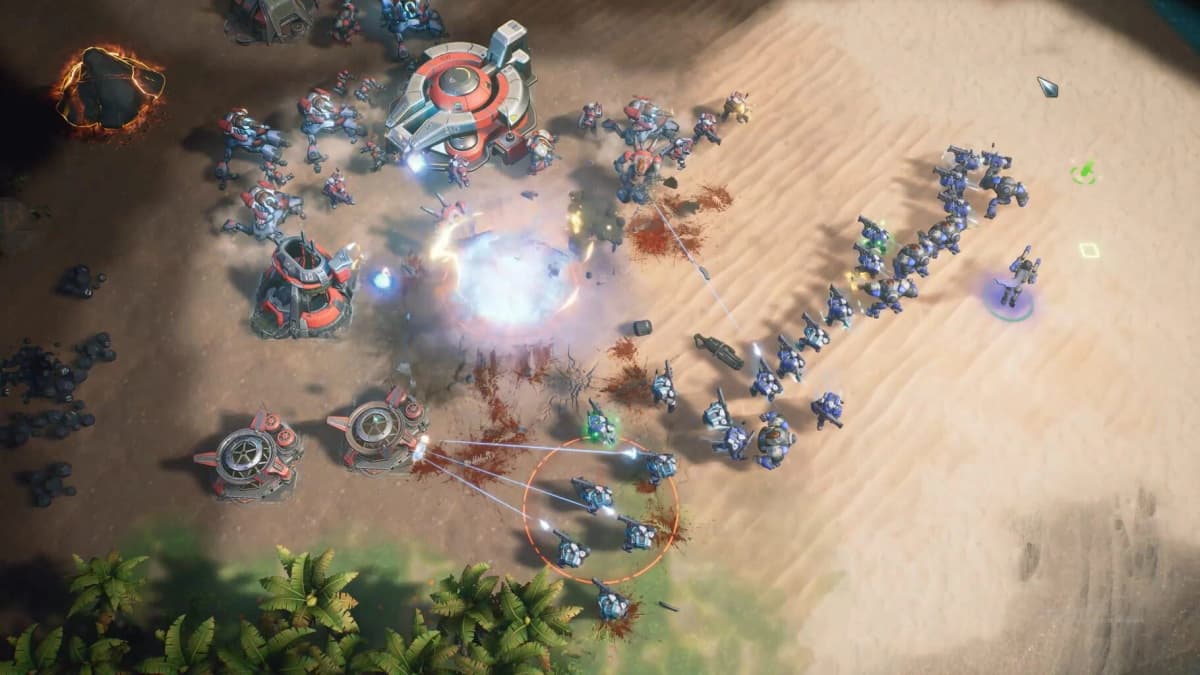
Let’s be fair. Small studios often lack the bandwidth to maintain 24/7 live-service ops—patch pipelines, DDoS mitigation, cross-region scaling, and compliance audits. Orchestration partners shoulder that burden, letting dev teams focus on gameplay. For many indie or mid-sized teams, paying for stability can outweigh the risk of an unlikely acquisition scenario.
Moreover, long-term contracts or partnership clauses can include acquisition safeguards—break-release terms that force a smooth transition if a vendor sells. Whether Frost Giant pursued or could negotiate such terms is unclear. Going forward, developers will demand stronger exit strategies and code escrow protections.
Conclusion
Stormgate’s multiplayer shutdown is a cautionary tale for any live-service game built on rented infrastructure. Outsourcing offers speed and expertise, but cedes control. The AI boom supercharges these risks as data centers prioritize compute over community. Frost Giant’s offline patch saves the campaign, but true revival hinges on finding a new partner or rebuilding from scratch—both expensive bets on a modest audience. Whether Stormgate recovers its competitive soul remains to be seen, but every studio should be watching this high-profile casualty.
TL;DR
Stormgate’s online multiplayer dies end of April after server partner Hathora is acquired by Fireworks AI. Frost Giant’s offline patch preserves single-player and skirmish modes, but ranked play and co-op stay offline with no firm return timeline. This highlights the dangers of outsourcing live infra amid the AI compute frenzy.
FinalBoss // Gear
Level up your setup
01Top-rated gaming headsetson Amazon→02High-refresh gaming monitorson Amazon→03Gaming chairson Amazon→04Discounted game keyson Kinguin→Affiliate links · As an Amazon Associate, FinalBoss earns from qualifying purchases.
Want to Level Up Your Gaming?
Get access to exclusive strategies, hidden tips, and pro-level insights that we don't share publicly.
Ultimate Gaming Strategy Guide + Weekly Pro Tips