
Stormgate’s CEO Calls Early Access “Undercooked” — Can Frost Giant Really Turn This RTS Around?
Game intel
Stormgate
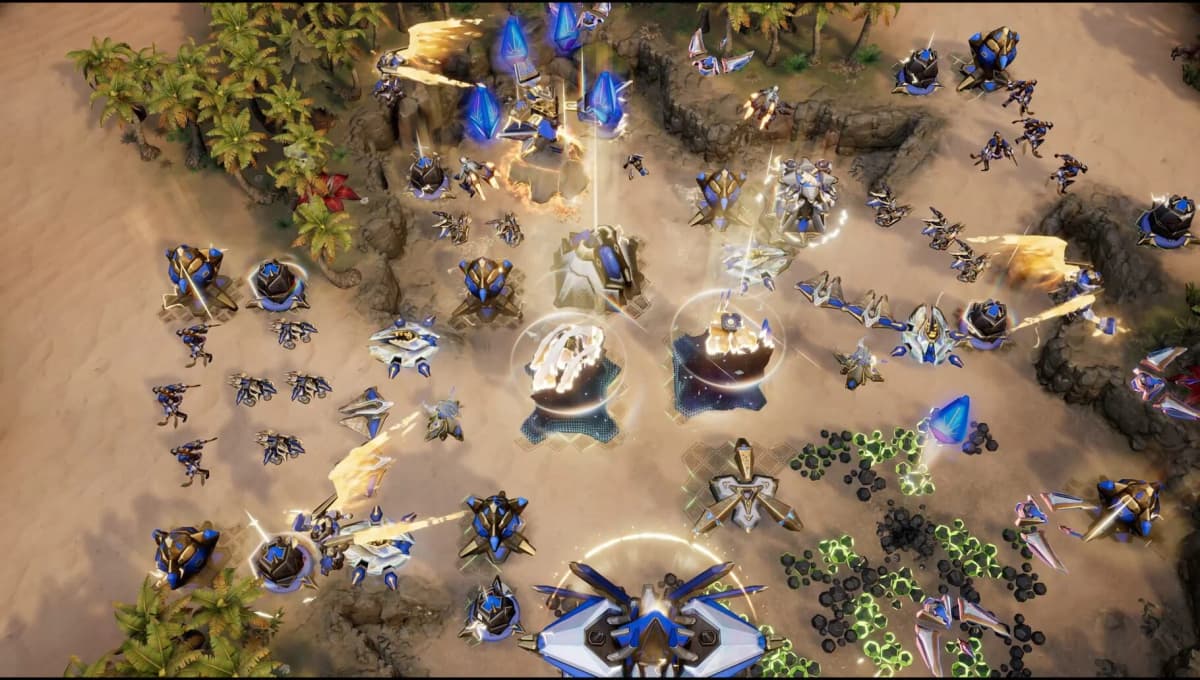
Stormgate is a free-to-play, next-gen RTS from the team at Frost Giant Studios, including former developers of Warcraft III and StarCraft II. Command mechs to…
This caught my eye because RTS comebacks are rare-and Stormgate aimed high
As someone who spent way too many nights laddering in StarCraft II, Stormgate had my attention from day one. Ex-Blizzard veterans promising a modern, free-to-play RTS with competitive chops and co-op ambitions? Sign me up. But the early access launch never clicked, the 1.0 drop didn’t reverse the narrative, and now CEO Tim Morten himself is calling the early access release “undercooked.” That honesty matters-but the recovery path for an RTS is a different beast than a giant open-world RPG that can brute-force a redemption arc.
Key takeaways
- Morten admits Frost Giant “overhyped and underdelivered,” saying scope, speed, and funding sank the early access launch.
- He says, in hindsight, early access should’ve focused on just campaign and 1v1-then added modes once polished.
- Recovery from a bad launch is “extremely difficult”; No Man’s Sky and Cyberpunk are “unicorns,” not a model most studios can follow.
- In today’s climate, he’d lean harder on outsourcing and AI—an idea that raises real questions for quality and community trust.
Breaking down Morten’s post: hard truths and a narrower path
On LinkedIn, Morten didn’t sugarcoat it: “Stormgate launched into Early Access undercooked, which is my responsibility. Product scope, implementation speed, and available time/capital all played a role, compounded by some regrettable communication moments.” That tracks with how it felt as a player—too many modes, none fully dialed-in, and messaging that couldn’t keep expectations grounded. Stormgate tried to be a competitive esport contender and a co-op destination at the same time. StarCraft II pulled that off only after a decade of iteration and a publisher bankrolling esports. A double-A team trying to sprint there on day one was always risky.
Morten’s “if I could do it over” is exactly what RTS fans wanted to hear a year ago: limit early access to campaign and 1v1, set hard gates on scope, and obsess over polish before stacking on extras. The reality is harsh: Steam shows a “mixed” overall rating (49% positive) and “mostly negative” recent reviews (39%), with an average of just 89 players this month. That’s not an ecosystem, it’s a Discord server with a launcher.
Why RTS recoveries are tougher than most
Morten is right that bad launches tend to harden into a “binary outcome.” Live-service RPGs and survival sandboxes can find a second wind because casual discovery and YouTube-driven hype waves keep feeding new players. Competitive RTS needs a stable ladder, fast queues, and a spectatable meta. Once queues die and pros bounce, the scene evaporates fast. No Man’s Sky and Cyberpunk were rescued by massive budgets and years of heavy lifting—luxuries most RTS studios don’t have.
Look at the landscape: Age of Empires IV needed multiple seasons and DLC to settle into a groove. Company of Heroes 3 still fights perception issues. High-skill, low-ambiguity games leave little room to hide flaws. If your netcode hitches, your matchmaking is muddy, or your onboarding is confusing, players notice immediately. Stormgate promised StarCraft-level crispness; anything short reads as a broken promise.
Want to Level Up Your Gaming?
Get access to exclusive strategies, hidden tips, and pro-level insights that we don't share publicly.
Ultimate Gaming Strategy Guide + Weekly Pro Tips
The AI and outsourcing pivot: smart triage or community landmine?
Morten says that, in today’s economy, Frost Giant would adopt a “more radical production approach,” including outsourced labor outside North America and using AI. On paper, that’s a reasonable way to stretch a budget: art clean-up, QA automation, localization checks—there are real efficiencies to be had. But let’s be blunt: players are hypersensitive to AI in creative content. If unit barks, lore text, or key art start feeling synthetic, that’s a reputation hit Stormgate can’t afford.
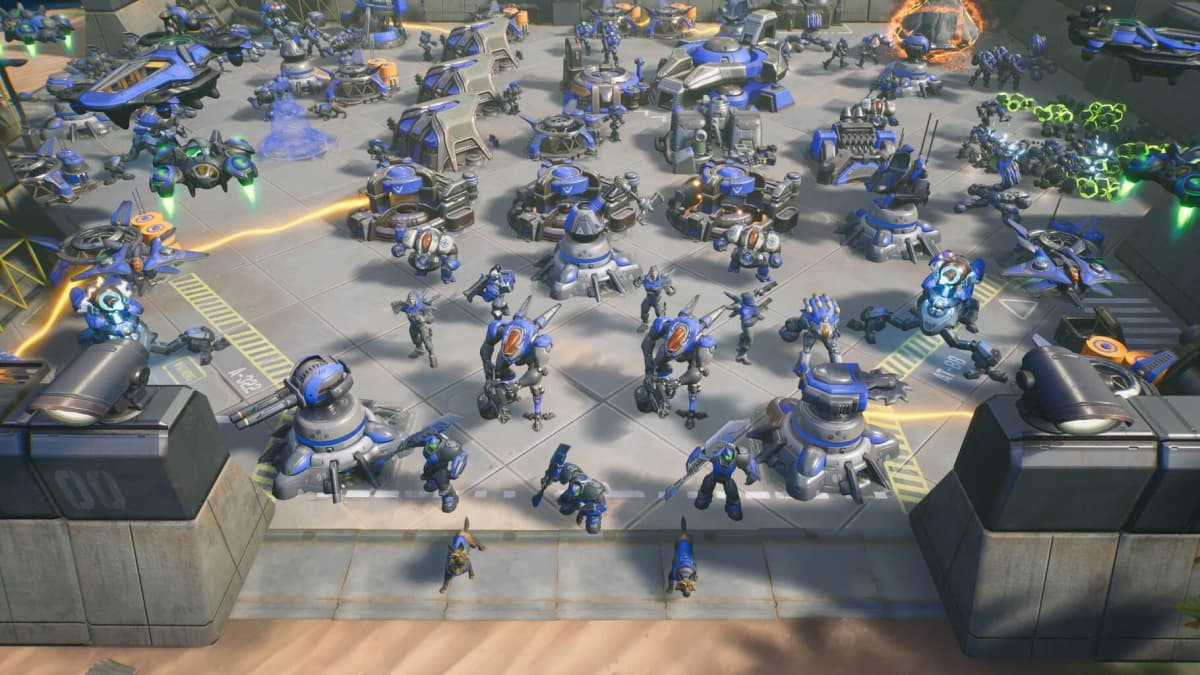
There’s a thread-the-needle version of this strategy that could work: use AI behind the scenes (profiling, bot testing, telemetry-driven balance exploration) while keeping all player-facing narrative, VO, and marquee art handcrafted. Communicate that line clearly, or risk turning a production fix into a community fire.
What Stormgate should actually do next
If Frost Giant still believes there’s “genuine potential” (and I think there is), the path is narrow but tangible:
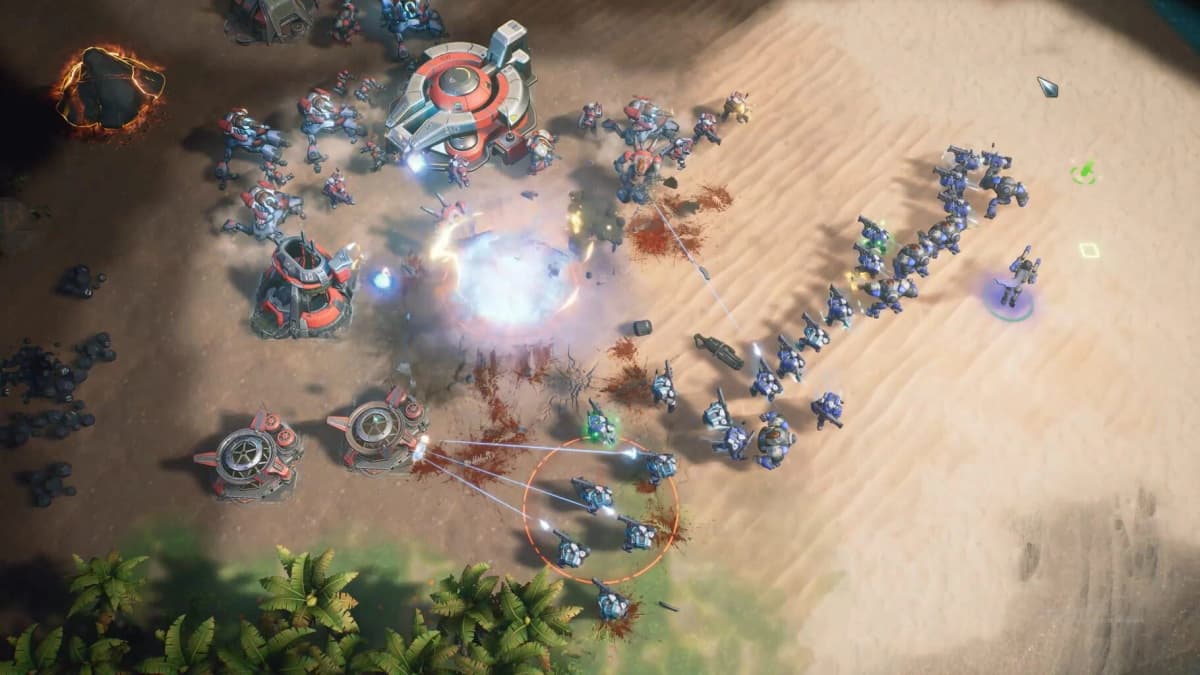
- Freeze scope around 1v1 and a single co-op pillar. Make those feel absurdly polished: crisp input, transparent MMR, stable servers, and clean UI.
- Commit to a balance cadence players can set their watches by—every two weeks with patch notes that show data, not hand-waving.
- Run a “relaunch patch” with clear branding (2.0, Definitive Update—whatever) and a free weekend. Reset ladder seasons and spotlight a curated map pool.
- Recruit recognizable RTS voices—casters and ex-pros—to stress test meta and host showmatches. Make the game watchable again.
- Fix new-player onboarding: short challenge gates that teach scouting, build orders, hotkeys, and counter-play. Reward learning, not grinding.
- Over-communicate with backers. If Kickstarter expectations were missed, own it, outline make-goods, and close that wound publicly.
None of this guarantees a turnaround. But RTS fans reward craft and cadence. If Stormgate can deliver a season or two of no-drama patches, tighter fundamentals, and a clearer identity, the narrative can shift from “overpromised” to “finally dialed-in.” The question is whether there’s enough runway left to get there.
TL;DR
Stormgate’s CEO admits the game launched “undercooked” with too much scope and not enough polish. RTS redemption arcs are rare, and relying on AI/outsourcing is risky unless handled carefully. If Frost Giant laser-focuses on 1v1 and one co-op lane, locks a balance cadence, and rebuilds trust, there’s still a sliver of hope—but the clock’s ticking.