
Strange Antiquities Launches Today: Cozy Occult Detecting Returns To Undermere
Game intel
Strange Antiquities
Become the custodian of a store dealing in occult antiquities. Explore the quaint and gloomy town of Undermere, where strange goings-on and dark mysteries abou…
Strange Antiquities is out-here’s the real reason that matters
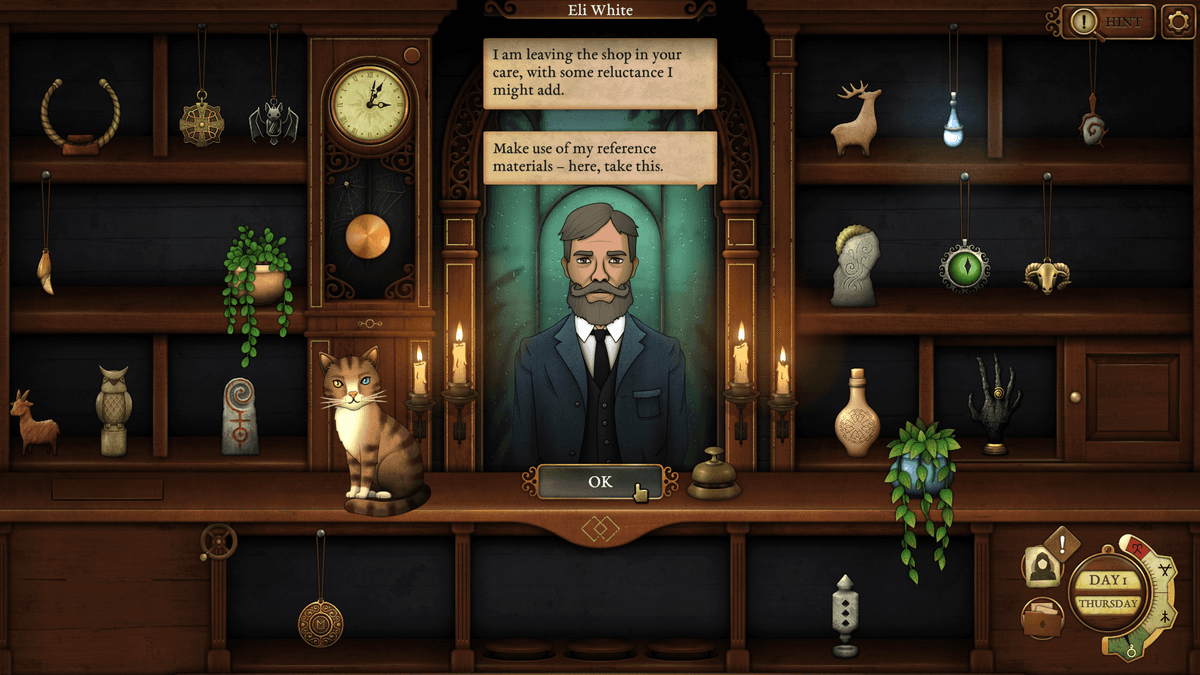
Strange Horticulture hooked me with a simple loop: run a tiny shop, study obscure reference books, and make judgment calls that quietly ripple through a wider occult mystery. Today’s standalone sequel, Strange Antiquities, taps the same vein-same foggy town of Undermere, same black cat (Jupiter), but now you’re an apprentice Thaumaturge running an antique emporium. The pitch is “examine relics, consult esoteric tomes, and navigate a branching narrative,” which sounds like the best parts of the original-just upscaled from plants to perilous artifacts. A launch trailer dropped alongside release, but the bigger story is how Bad Viking translates that slow-burn, tactile puzzling to a broader cabinet of curiosities.
Key Takeaways
- Standalone sequel: you don’t need to have played Strange Horticulture to jump in, but returning players will recognize Undermere’s vibe and structure.
- From plants to relics: identification now leans on multi-sensory inspection (including “inner perception”) and denser reference books on hermetic symbols and Thaumic gemstones.
- Branching narrative promises more agency—but the question is whether choices meaningfully shift the mystery or just shade the flavor text.
- Expect dark-and-cozy atmosphere, careful puzzles, and that satisfying “aha” loop the series is known for—plus the cat purring on the counter.
Breaking down the announcement
Developed by Bad Viking and published by Iceberg Interactive, Strange Antiquities casts you as an apprentice Thaumaturge managing an antique shop in Undermere. Customers bring in relics steeped in lore and hazard; you examine them with all your senses—sight, touch, sound, and that intriguing “inner perception”—and cross-reference against tomes stuffed with occult symbology. The studio describes carefully designed puzzles and a branching narrative, inviting players to literally put on an occult detective hat as nights draw in and rain taps the window. It’s pitched squarely at the dark-and-cozy crowd, and honestly, that’s a smart lane: few games make reading feel like play as well as this series.
What’s new isn’t just the subject matter. Plants in Strange Horticulture gave you a tight taxonomy to master: leaf shapes, scents, strange side effects. Relics invite broader variables—materials, inscriptions, resonances, curses—that could open more interesting deduction paths. If Bad Viking has layered the identification steps (inspect, hypothesize, test, confirm) with the same clockwork care, Antiquities might scratch that same Return of the Obra Dinn-shaped itch without the body count. Think precision puzzling over pixel-hunting, and consequences for hasty guesses.
Why this matters now
Cozy occult is having a moment. We’ve seen “low-stakes shopkeepers” (Potion Craft, Moonlighter) and “paperwork-as-gameplay” detectives (Papers, Please; Case of the Golden Idol) thrive because they trust players to read, think, and own their outcomes. Strange Horticulture earned its reputation because it didn’t over-explain; it let you piece things together, and it respected your attention. If Antiquities doubles down on that respect while broadening the toybox from flora to folklore, it could be fall’s go-to “blanket and tea” game.
There’s also the sequel tightrope. Fans want “more of that” without the déjà vu. Moving to relics is the right pivot: still intimate, still tactile, but thematically bigger. The promise of a branching narrative is where my skepticism kicks in. Branches often read like minor dialogue detours rather than actual paths. I’ll be looking for meaningful divergences—different clients returning based on your calls, relic lines locking or unlocking, or late-game states that feel earned, not toggled.
Want to Level Up Your Gaming?
Get access to exclusive strategies, hidden tips, and pro-level insights that we don't share publicly.
Ultimate Gaming Strategy Guide + Weekly Pro Tips
The gamer’s checklist: hype vs. substance
- Puzzle clarity: Are there layered clues that point to a solution from multiple angles, or does it fall into one-obscure-rule bottlenecks? The first game mostly nailed this, especially after updates, and I hope Antiquities launches with that same approachability.
- Consequence design: What happens if you misidentify a relic? In Horticulture, wrong advice could sour relationships or nudge the story. Here, I’m expecting heftier consequences—curses, debts, or unwanted attention—balanced by fair warning.
- QoL and pacing: A good in-game index, annotation tools, and a gentle hint nudge keep “cozy” from becoming “homework.” The devs talk up “attention to detail,” so I’m hopeful the notebooking feels great, not tedious.
- Replay value: If the narrative truly branches, New Game Plus-style runs should surface new clients, texts, and late-game permutations—something that gives theorycrafters a reason to return.
One thing the studio nails is tone. The Donkin brothers call it “dark-but-cosy,” and that balance is hard to get right. The vibe sells the stakes without turning your shift at the counter into misery tourism. Their quote about “hermetic symbology and Thaumic gemstones” isn’t just flavor text—it hints at systemized lore, the kind of internal consistency that makes a puzzle game sing. If the books and relics form a logical lattice rather than randomized riddles, Antiquities will click for the exact audience that elevated the original.
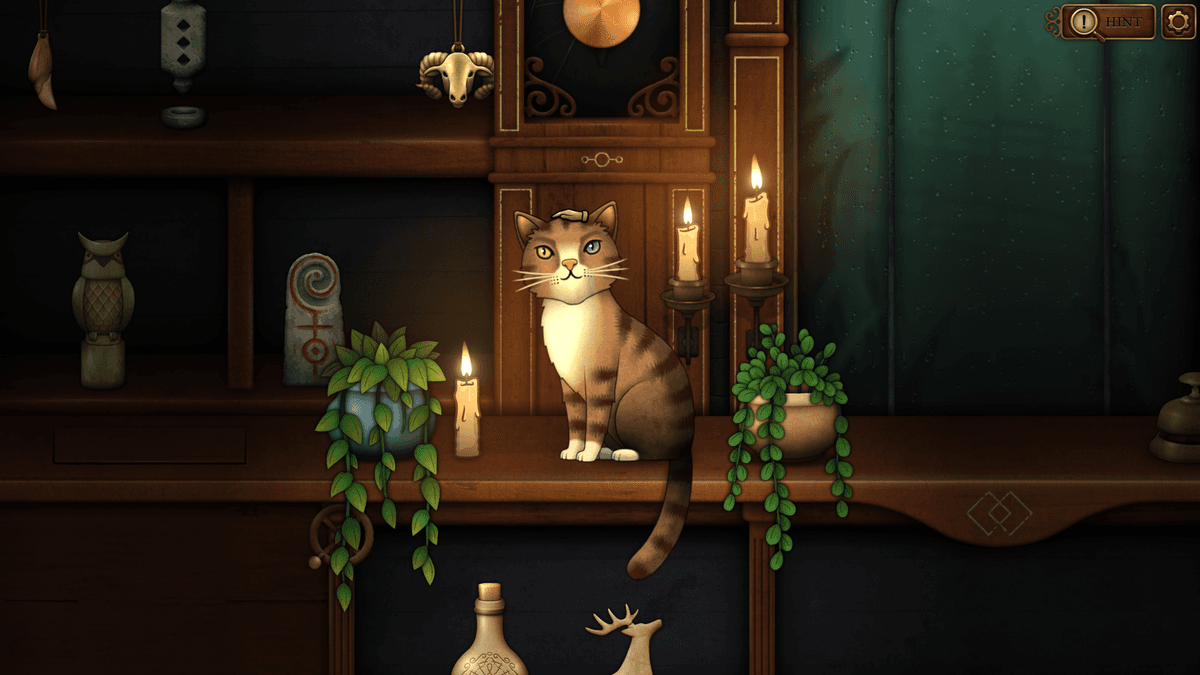
Details like platforms and price aren’t in the announcement summary I’ve seen, and I won’t guess. What I can say is this: if you valued Strange Horticulture for its slow, deliberate rhythm, expect a familiar cadence here—examine, read, decide, live with it—wrapped in a new cabinet of ritual knives, etched coins, and whispering stones. And yes, they explicitly mention making sure Jupiter the cat is purring on the counter. That signal to returning players is clear: the heart of the series hasn’t changed.
Looking ahead
Antiquities doesn’t need bombast. It needs friction you can feel, revelations you earn, and characters who remember what you did. If the branching narrative lands and the identification loop avoids busywork, this could be one of the fall’s most satisfying sit-down-and-think games. I’m ready to shelve the shiny relics, mark up the margins, and see how deep Undermere’s new rabbit holes go.
TL;DR
Strange Antiquities launches today, a standalone sequel that shifts Undermere’s cozy occult detective work from plants to relics. The pitch is strong: multi-sensory inspections, richer tomes, and a branching narrative. If those branches carry real weight and the puzzles stay fair, this will be an easy recommendation for fans of thoughtful, atmospheric mysteries.