
Stranger Than Heaven is no longer just that fascinating RGG fever dream with period drama vibes and a lot of unanswered questions. It’s coming this winter across PS5, Xbox Series X|S, and PC, with day-one availability on Xbox Game Pass. That’s the headline. The part that actually matters is what it says about how Sega and Ryu Ga Gotoku Studio are choosing to launch a brand-new, expensive-looking IP that does not scream “safe bet.”
RGG has built its modern reputation on Yakuza and Like a Dragon: games with a loyal audience, a proven tone, and enough brand equity to survive tonal whiplash, side-content absurdity, and the occasional combat identity crisis. Stranger Than Heaven is different. It spans multiple eras of Japan over roughly 50 years, mixes cinematic storytelling with brawling, and folds in music and performance systems that sound just eccentric enough to either become the game’s killer hook or the thing that scares casual buyers away. Putting that on Game Pass day one is not charity. It’s a hedge.
Table of Contents (5)
This is RGG making its boldest non-Yakuza pitch in years
The newly confirmed release window is “this winter,” which effectively puts the launch somewhere between late December 2026 and late March 2027 depending on how Sega wants to define the season. If you’re looking for precision, you don’t have it yet. Early 2027 feels more plausible than a last-minute holiday 2026 drop, but that part remains inference, not confirmation.
What is confirmed is the platform spread: PS5, Xbox Series X|S, and PC via Steam and Microsoft Store, with Game Pass included at launch. Xbox Play Anywhere support is also in the mix for the Xbox ecosystem, which is useful in the boring, practical way these features are useful: one purchase, shared progress, less friction. No fireworks, just competence.
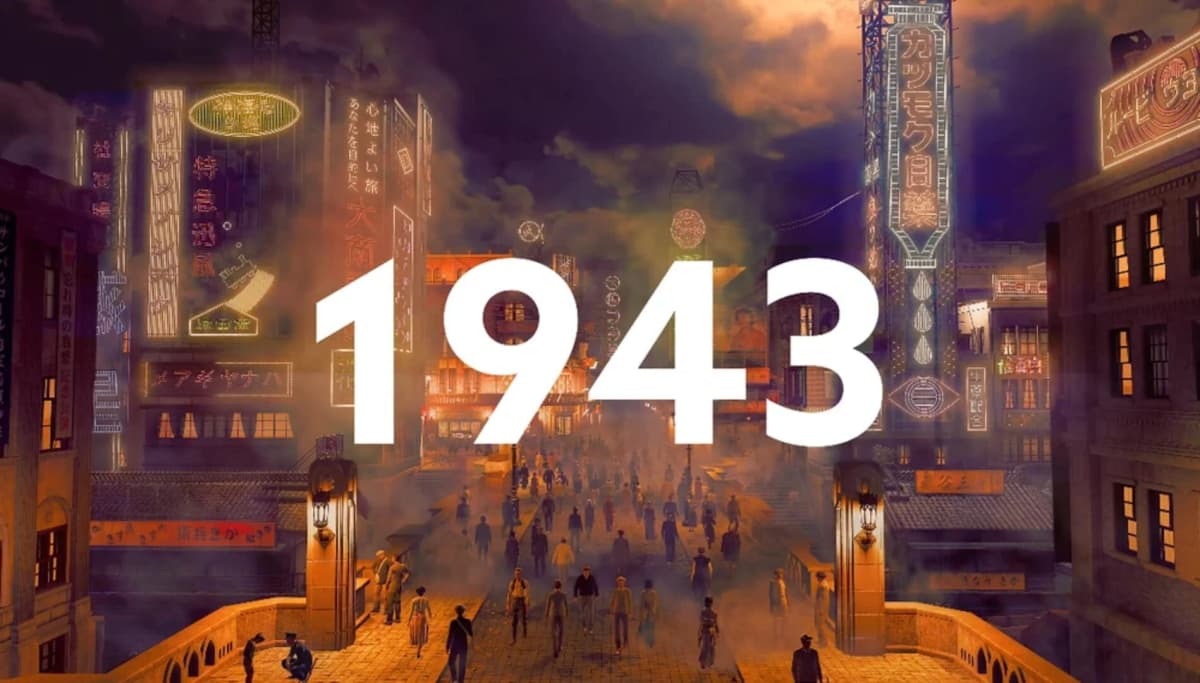
More interesting is the game itself. The current picture points to a multi-era action adventure following protagonist Makoto Daito across five Japanese cities and several time periods from 1915 to 1965. That alone is a huge swing for a studio usually at its best when it locks into one place and lets that place become the star. RGG’s strength has always been density over scale. Kamurocho worked because it felt lived in, not because it was enormous. Stranger Than Heaven looks like RGG trying to keep that intimacy while stretching across decades. Ambitious? Absolutely. Easy to pull off? Not even slightly.
Game Pass isn’t just a perk here – it’s the launch strategy
Most outlets will stop at “available day one on Game Pass,” because that’s the bullet point. The less comfortable observation is that Game Pass is doing real work here. New IP is harder to sell than sequels. Weird new IP from a studio associated with a completely different brand is harder still. Weird new IP with period shifts, stylized combat experiments, and side systems involving music creation? That’s exactly the kind of game players say they want the industry to fund – right up until they have to pay full price for it blind.
So yes, Game Pass broadens the audience. It also reduces purchase friction for a game that probably needs players to sample it before they fully buy into the pitch. That’s not a knock on quality. It’s basic market reality. Xbox gets a prestige-looking Japanese title with real cachet. Sega gets a softer landing for a riskier project. Players get easier access. Everyone wins, assuming the game lands.
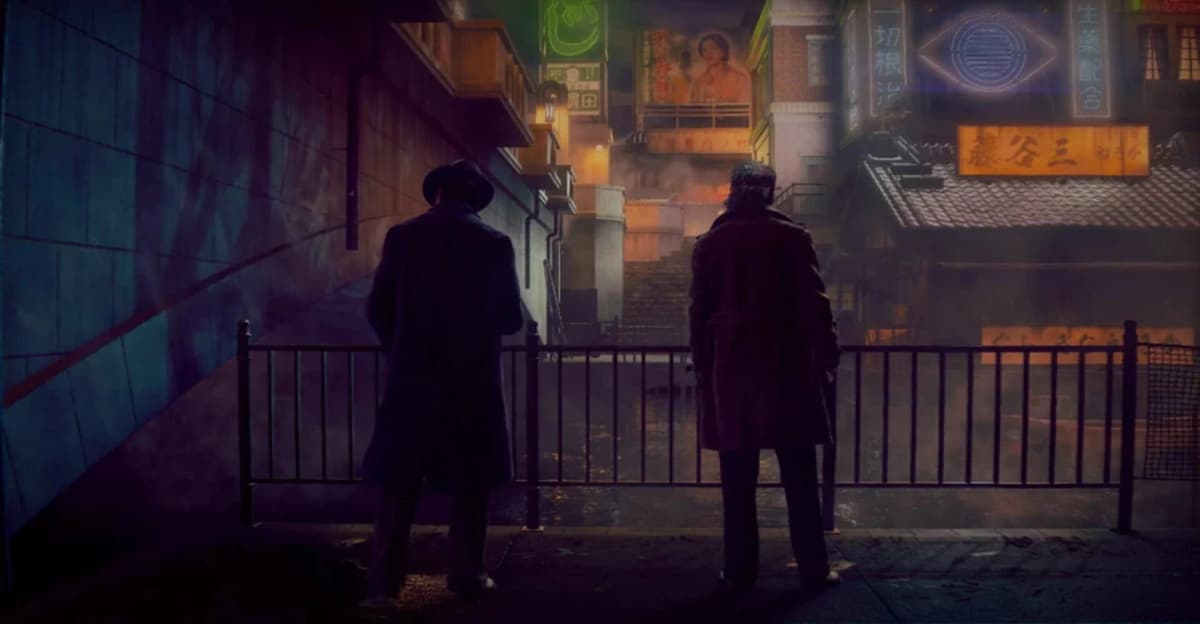
The quiet side effect is that PlayStation players are still being asked to make the traditional leap of faith. Same launch day, very different buying psychology. That split will be worth watching because it could tell us whether Stranger Than Heaven is an immediate commercial pull on its own or the kind of game that needs subscription discovery to build momentum.
The weird mechanics are the selling point, not the problem
The deeper dive around the game suggests combat and structure are not playing it safe. Reports point to a revamped fighting system, including limb-focused or half-body control ideas, plus weapon mastery and hand-to-hand combat. There’s also a music and performance layer built around capturing environmental soundscapes and turning them into compositions or shows. In a lesser studio’s hands, that reads like feature soup. With RGG, it reads like the exact kind of unhinged confidence that has historically produced its best work.
That said, the real question is whether these systems meaningfully connect or just coexist. RGG games have a habit of making tonal chaos feel charming, but charm stops carrying the load when a brand-new IP is asking players to commit to a 50-year narrative arc. If I were in the room with PR, the question would be simple: how much of this game is tightly authored and how much is experimental sprawl? Because there’s a fine line between “audacious” and “needs an editor,” and RGG has stepped over it before.
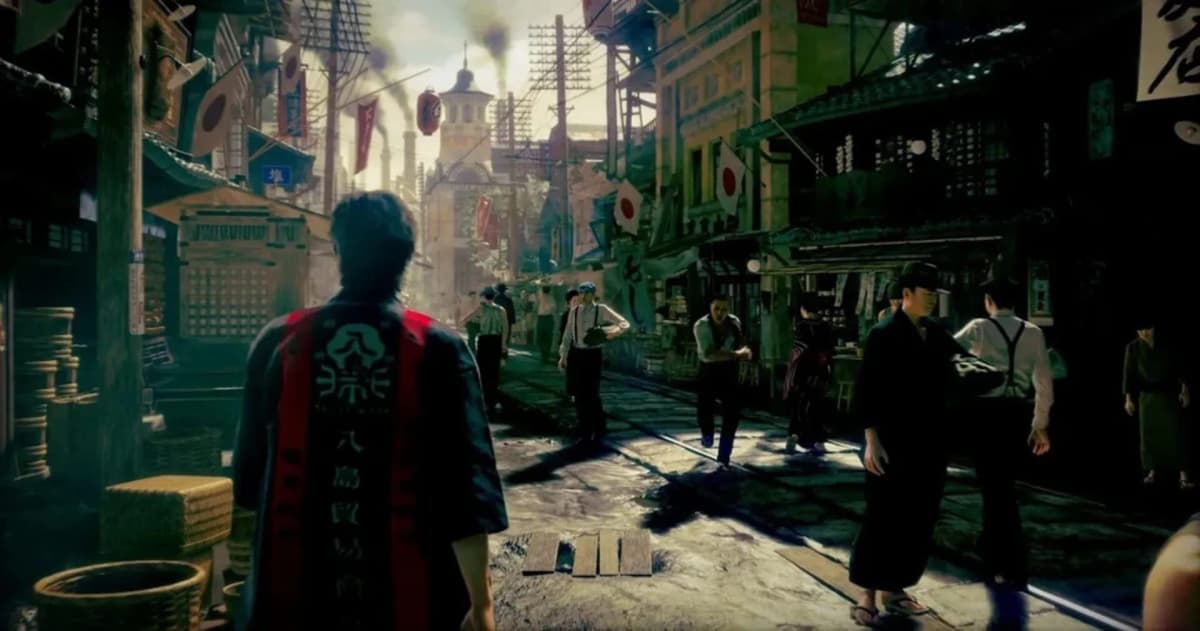
Why this release window matters beyond one game
There’s a broader industry point here. Big publishers keep saying they want original franchises, then they market and schedule them like apologetic side projects next to safer tentpoles. Stranger Than Heaven doesn’t look like that. It got a substantial showcase, a clear multi-platform rollout, and the kind of subscription support that says somebody understands the sales challenge in front of it. That doesn’t guarantee success, but it’s at least a coherent plan.
It also says something about RGG’s current status inside Sega. Studios do not get to spend this much visible energy on a new property unless the publisher believes the team has earned room to experiment. After years of turning Yakuza from cult favorite into global business, RGG has basically bought itself permission to get weird on a larger stage. Frankly, that’s healthier for the industry than another sequel with a bigger map and worse pacing.
What to watch next
- The exact release date. “This winter” is useful, but the date will tell you how confident Sega really is.
- Hands-on previews focused on combat. If the left/right-body or limb-based ideas are awkward, that will surface quickly.
- How the music system actually works in play. Novelty is cheap; integration is hard.
- Whether Sega starts selling this as an RGG prestige drama or as “from the Yakuza studio.” That marketing choice matters.
For now, the practical takeaway is simple: if you’re on Xbox or PC Game Pass, this just became one of the easiest high-upside games to keep on your radar. If you’re on PS5, wait for the combat-focused previews before locking in a preorder. The launch window is real now. The bigger test is whether RGG’s strangest gamble can feel as coherent as it looks ambitious.
FinalBoss // Gear
Level up your setup
01Best-selling Xbox Series X|S gameson Amazon→02Xbox controllerson Amazon→03Top-rated gaming headsetson Amazon→04Discounted game keyson Kinguin→Affiliate links · As an Amazon Associate, FinalBoss earns from qualifying purchases.
Want to Level Up Your Gaming?
Get access to exclusive strategies, hidden tips, and pro-level insights that we don't share publicly.
Ultimate Gaming Strategy Guide + Weekly Pro Tips