
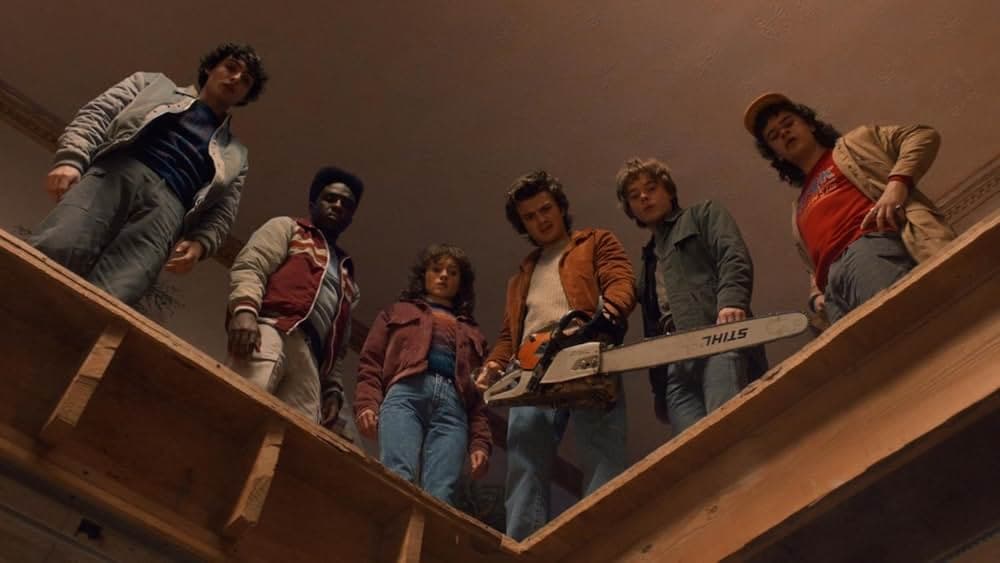
Reports say Stranger Things’ fifth and final season is clocking in around $460 million-roughly $46 million per episode-and Netflix is aiming for a 2025 release with the original cast back after the strikes. That’s bigger than a lot of blockbusters, including Avengers: Endgame, and it instantly raised a gamer-brained question for me: if TV seasons are now “supergame” budgets, what does that do to the tech, talent, and tie-ins we actually play?
On paper, this is Netflix going full blockbuster with its crown jewel. Stranger Things has always out-punched typical TV on VFX, and a reported $460 million for the farewell tour suggests even more creature work, set-piece destruction, and digital environments. With production back on track post-strikes, the streamer clearly wants a cultural earthquake in 2025.
That’s cool for fans of the show, but here’s the gaming angle: modern TV VFX and game development share tools, talent, and workflows. Virtual production, LED volumes, and heavy use of engines like Unreal for previz and real-time rendering aren’t just buzzwords. The Mandalorian proved the model; Netflix and other giants have been iterating on it. When a series throws this kind of money at VFX, it accelerates tool development and pipeline standards that seep directly into games. Think better real-time lighting, more efficient asset reuse, and improved performance capture.
First, the tech crossover. If Stranger Things 5 leans hard on real-time workflows, we all benefit. The last few years have given us a taste—games like Alan Wake 2 showed what happens when cinematic ambition meets smarter pipelines. TV spending at this scale nudges vendors to mature their tools faster, and game studios love piggybacking on those gains.
Second, the talent squeeze. VFX artists, tech animators, TDs, and performance capture specialists bounce between film/TV and games. A mega-production that needs armies of specialists at premium rates doesn’t just strain Los Angeles; it ripples across Montreal, London, Vancouver, and Warsaw. That can mean longer hiring cycles and higher costs for game studios, which (surprise) increase the temptation to ship safe sequels or lean on monetization to recoup budgets.
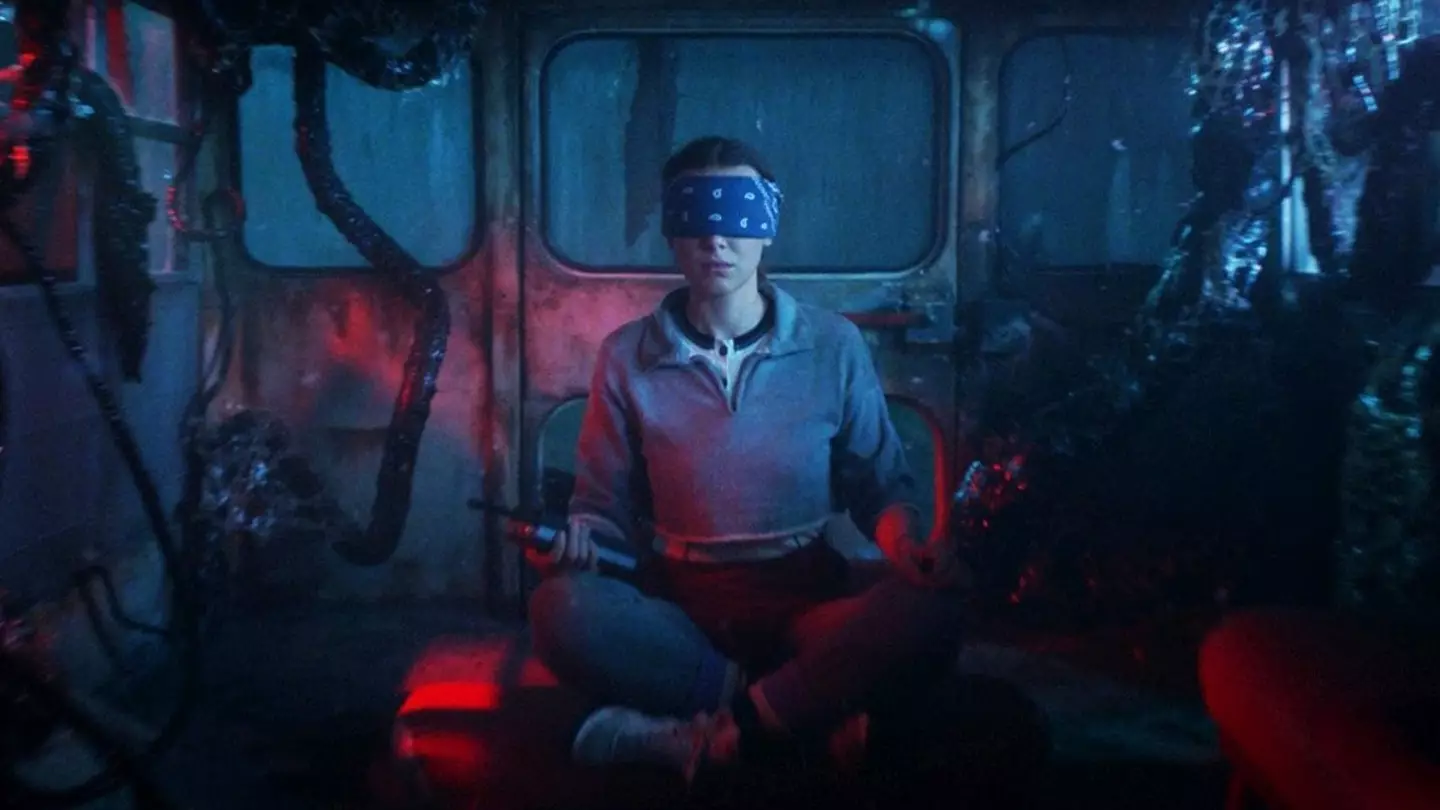
Third, the tie-in reality. Stranger Things has a decent track record with games: the Demogorgon and Hopper in Fortnite, the Dead by Daylight chapter (which left and later returned), plus retro-style releases like Stranger Things 3: The Game. Netflix now owns studios (Night School of Oxenfree fame, among others), ships mobile games as part of subscriptions, and is testing cloud streaming. Betting against some kind of 2025 game push alongside the final season feels naive. Whether that’s a Fortnite re-collab, a polished DBD event, or a more ambitious narrative spin-off on Netflix Games, the synergy writes itself.
We’re living through a “bigger is safer” era. In games, we’ve watched budgets swell to the point where a single miss can crater a studio, so publishers default to sequelization, live-service grinds, and cross-media IP. TV is now in the same boat: massive budgets demand four-quadrant appeal and recognizable brands. That doesn’t make Stranger Things 5 cynical—it’s the final season of a genuine phenomenon—but it does show how cavalry-charge spending narrows decision-making in both mediums.
There’s a flip side: when a giant swings for the fences, it lifts the whole tools ecosystem. Cyberpunk 2077’s long post-launch recovery drove tech improvements CD Projekt later applied broadly; similarly, premium TV VFX pushes tool vendors to solve hard problems—hair, cloth, volumetrics, facial rigs—that games promptly adopt. The result for us is better-looking, more stable releases, provided studios resist the urge to over-scope.
Stranger Things 5’s reported $460M budget isn’t just TV flexing; it’s a signal flare for the tech and talent that power games. Expect better real-time tools, inevitable crossovers, and a fiercer fight for VFX and mocap pros. Spectacle is coming—let’s hope the story (and the games that follow) match the price tag.
Get access to exclusive strategies, hidden tips, and pro-level insights that we don't share publicly.
Ultimate Gaming Strategy Guide + Weekly Pro Tips