
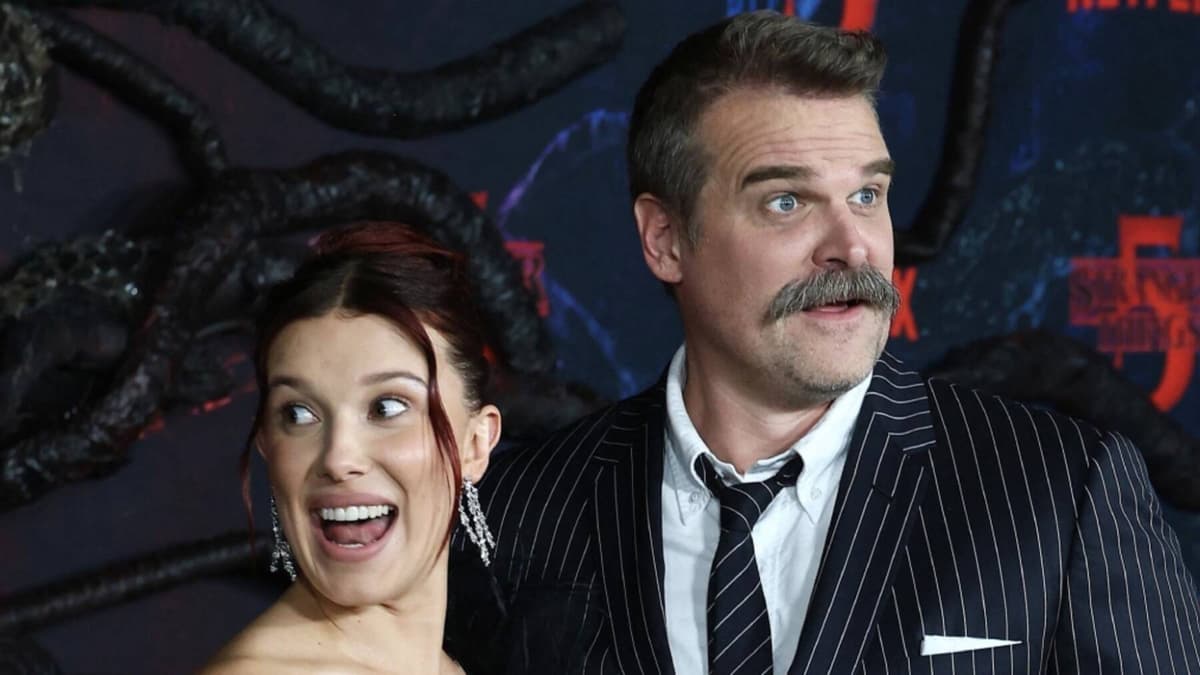
Stranger Things sits in that rare overlap where TV fandom spills directly into gaming: licensed games, crossovers, VR experiments, you name it. So when a tabloid report claimed Millie Bobby Brown filed a complaint alleging “harassment and intimidation” by co-star David Harbour ahead of the final season, I perked up-not for the drama, but for the ripple effect it could have on games and community events. There are no allegations of sexual misconduct in these reports, and at the time of writing, neither the parties nor Netflix have made public comments. That matters, because until there’s something official, everything lives in the murky world of speculation-and speculation is gasoline on online communities.
Here’s the distilled version: according to the Daily Mail, Brown reportedly filed a complaint describing harassment and intimidation prior to filming the final season. The report mentions multiple pages of allegations but specifies no sexual misconduct claims. There’s been no official comment from Netflix or the actors at the time of writing. Translation for gamers: we don’t have corroborated, on-the-record facts; we have a story that could influence public sentiment as the show wraps.
We’ve seen how this kind of situation plays out across entertainment: marketing gets quieter, interview talking points tighten, and partners-game studios, event organizers—wait for clarity before blasting promotions. The lack of official statements is both a red flag for rumor mills and a reason to hold fire on snap judgments.
Stranger Things has history in our space. BonusXP’s Stranger Things: The Game (2017) and Stranger Things 3: The Game (2019) turned the show’s 80s vibe into approachable pixel-art adventures with co-op appeal. There have been VR forays that let fans step into Hawkins, and big live-service crossovers—from Fortnite’s cosmetic nods to the Stranger Things chapter that cycled in and out of Dead by Daylight—show how elastic this IP can be. On mobile, Netflix has pushed a slate of member-only titles under its Games banner, using flagships like Stranger Things to draw attention.
That cross-media energy is why this story matters to gamers. Licensed events, skins, and in-game promotions often orbit the show’s big moments. Final-season hype is prime time for a new wave of collabs—timed shop rotations, themed battle passes, watch-party streams, maybe even a VR bump. Controversy doesn’t automatically cancel these plans, but it can change timing, tone, and how aggressively partners promote them.
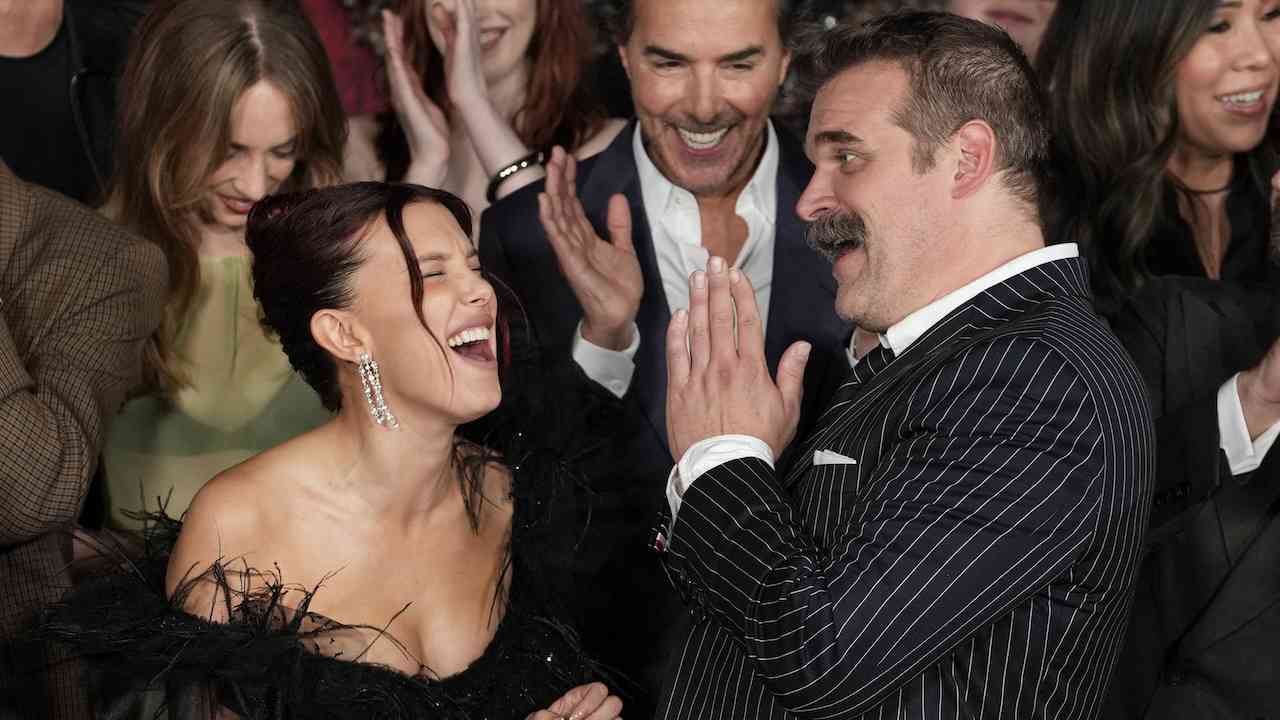
Here’s the honest read. Until there’s an official statement, it’s not on us to play detective. If you’re excited for the final-season tie-ins, enjoy them. If you’re uncomfortable, sit them out. Both choices are valid. What I’d push back on is the knee-jerk impulse to review-bomb games, dogpile developers, or harass community members who choose differently. Game teams building these experiences are usually miles removed from cast dynamics and have already sunk months of work into content you might like.
For creators and organizers, this is a reminder that celebrity-led IP is a double-edged sword. The upside is instant cultural cachet; the downside is that off-screen narratives can hijack your roadmap overnight. Playbooks should include contingency messaging that centers the world, not the actors, and gives mods the tools to keep spaces healthy.
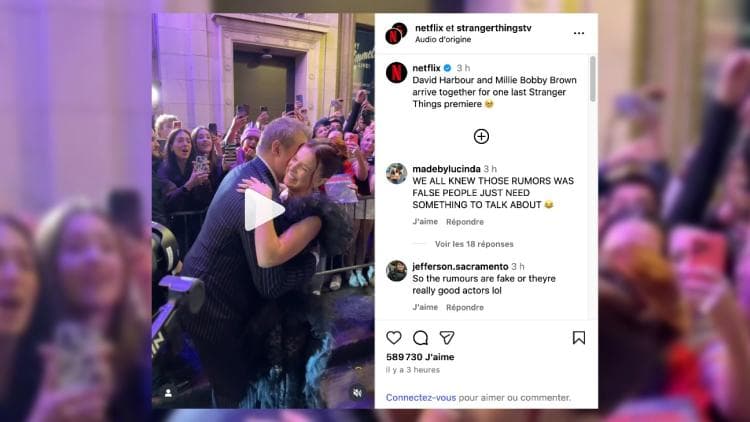
What changes for us in the near term? Not much—unless official statements land. Expect planned game content and crossovers to continue, with possible tweaks to timing and spotlight. Keep an eye on platform storefronts for sudden delistings or re-promotions (license-driven IP loves a surprise return), and don’t sleep on VR or Netflix Games angles—they’re low-hanging fruit for a final-season push if the marketing machine stays on track.
Unverified reports say Millie Bobby Brown filed a harassment/intimidation complaint against David Harbour before the final season. There are no sexual misconduct allegations in those reports, and no public comments yet. For gamers, expect business as usual with a side of caution: promos may shift tone or timing, communities will need firm moderation, and tie-ins should be judged on their own merits while we wait for facts.
Get access to exclusive strategies, hidden tips, and pro-level insights that we don't share publicly.
Ultimate Gaming Strategy Guide + Weekly Pro Tips