
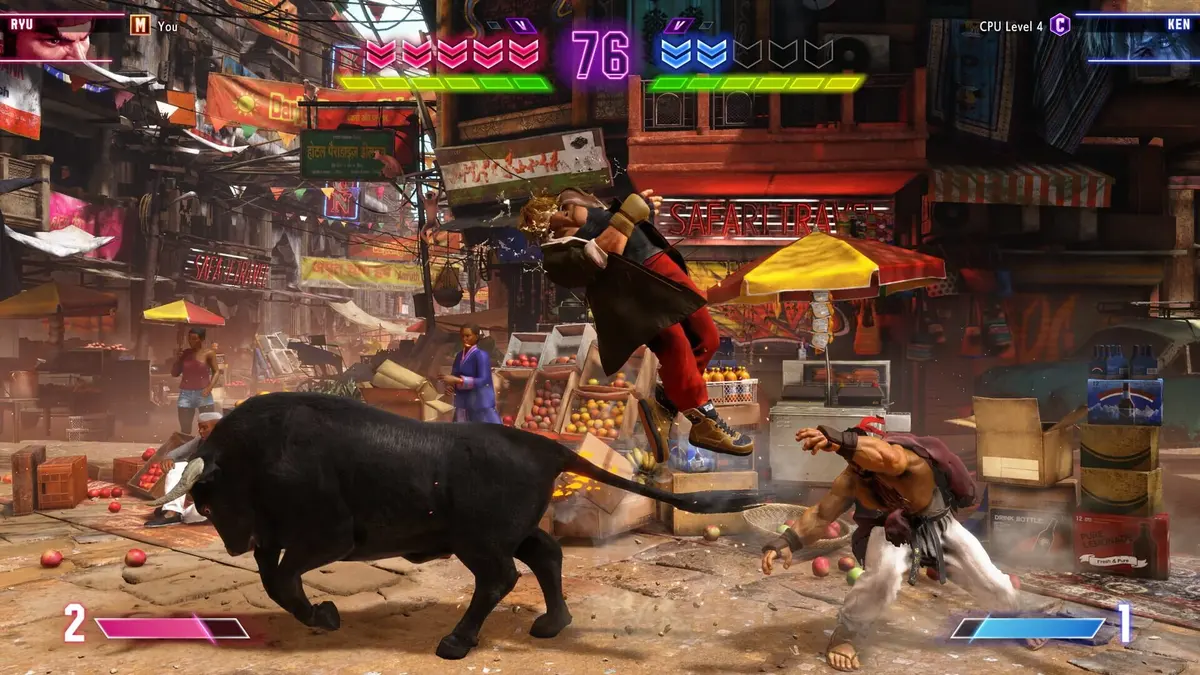
Start Arjun’s pressure with Arm of Justice at the end of its reach, use Breathing Ring to control the opponent’s approach, and establish Divine Pillar before committing to Cruel Shoulder. The shoulder’s interaction with an existing pillar gives you a stronger conversion than charging across the screen without a setup.
The immediate trap to avoid is holding Divine Pillar while the opponent is already close enough to interrupt you. Taking a hit before the pillar surfaces cancels it, so the delay needs space or an opponent occupied by another threat.
Table of Contents (10)
How Arjun’s recoverable damage works
Several of Arjun’s attacks inflict recoverable damage: life the opponent can regain after going a period without being hit. Blocked pressure and successful counters can build this damage, but letting the opponent retreat gives them an opportunity to recover it. Your next decision should account for both their position and the recoverable portion of their life bar.
Ghastly Interrogation is the key conversion tool. This command throw deals recoverable damage itself while converting the opponent’s existing recoverable damage into standard damage. That makes it more valuable after you have built damage through pressure or a counter than as your opening attack.
Once that recoverable life is present, threaten the throw without abandoning your movement coverage. An opponent expecting Ghastly Interrogation has a reason to escape; Breathing Ring and Divine Pillar let you challenge that response. Choose the next attack around their escape attempt rather than forcing the command throw every time.
Arm of Justice and close-range pressure
Arm of Justice is a forward strike wrapped in wind, with its highest damage coming when the end of Arjun’s arm connects. Its Light and Medium versions are safe on block, while the Heavy version can leave Arjun at advantage. Use the lighter versions to finish pressure with less commitment, and bring out Heavy when the opponent has become willing to keep blocking.
The optional second attack is also safe on block. Vary whether you use it: automatically extending every Arm of Justice makes your timing predictable and gives the opponent a consistent point to challenge. Block safety also does not guarantee that another slow attack will beat their response.
Arjun’s heavy kick includes a small hop that avoids low attacks. It gives you a specific answer to predictable low pokes, but the hop alone does not provide protection from attacks aimed higher. Use it against a low you have identified rather than treating it as a universal way into melee range.
Breathing Ring and Breathing Shockwave
Breathing Ring creates a lingering ring of air in front of Arjun, dealing damage and knockback on contact. Leaving it in place lets you contest the space immediately ahead of you; releasing it with Breathing Shockwave turns that position into a projectile threat.
Breathing Shockwave travels forward, diagonally upward or straight upward depending on the strength used. Choose the trajectory for the movement you want to stop. A forward release contests a grounded approach, while the upward angles let you cover airborne routes instead of repeatedly sending the ring underneath a jumping opponent.
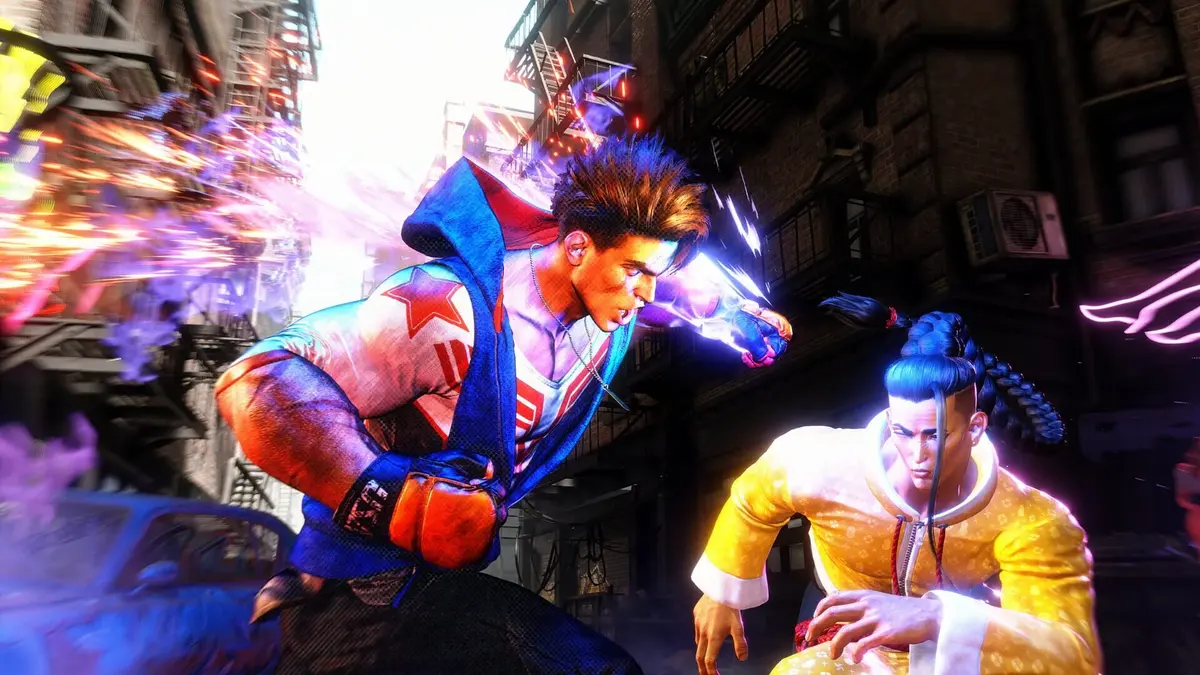
The Overdrive version lasts longer, travels faster when released and can hit multiple times. Spend the extra resource when those properties support a specific action, such as advancing behind the projectile or creating room for a pillar setup. Using Overdrive on a ring that never contests the opponent’s route gives up its main advantage.
Divine Pillar, Cruel Shoulder and Justice Beyond
Place Divine Pillar around the opponent’s next movement
Divine Pillar sends air into the ground and raises a rock pillar. Its strength variants control placement, and holding the button delays its appearance. That delay lets you vary when the trap becomes active rather than presenting the same timing on every attempt.
Against an opponent retreating from Breathing Ring, place the pillar along their likely escape route. Against someone waiting for the pillar before moving, vary the delay. The useful placement is often where they intend to go, especially when the ring already occupies the space directly in front of them.
Arjun must avoid being hit before the pillar emerges. If the opponent is already pressing close-range attacks, holding the input risks losing the setup entirely. Establish the ring or recover your spacing before attempting a delayed pillar.
Use Cruel Shoulder with the pillar already available
Cruel Shoulder propels Arjun forward, with attack strength changing the distance travelled. Its reach lets him challenge whiffed attacks and opponents backing away, but committing to the wrong distance can leave the charge missing its target.
When Cruel Shoulder passes a previously summoned pillar, it triggers Justice Beyond. Arjun uses the pillar as a giant club, striking the opponent before the rock shatters. Check the pillar’s position before choosing the shoulder strength: the interaction depends on travelling through the setup you have already created.
Practice the pillar-and-shoulder interaction separately from your full pressure sequence. You need to recognise which shoulder distance reaches the pillar from your current position before adding a moving opponent and Breathing Ring coverage. Once Justice Beyond consumes the pillar, account for that missing trap before committing to another shoulder.
Indomitable Defense and Moral Breakdown
Indomitable Defense gives Arjun a defensive stance with early protection against strikes and projectiles. He can move forward or backward while holding it. An incoming melee strike triggers a counter that knocks the opponent away and inflicts recoverable damage; this includes strikes delivered through Drive Rush.
Projectile defense works differently: the stance can deflect a projectile, but that does not trigger the same melee counterattack. Do not expect a distant projectile interaction to produce the knockback and damage you get from catching a strike.
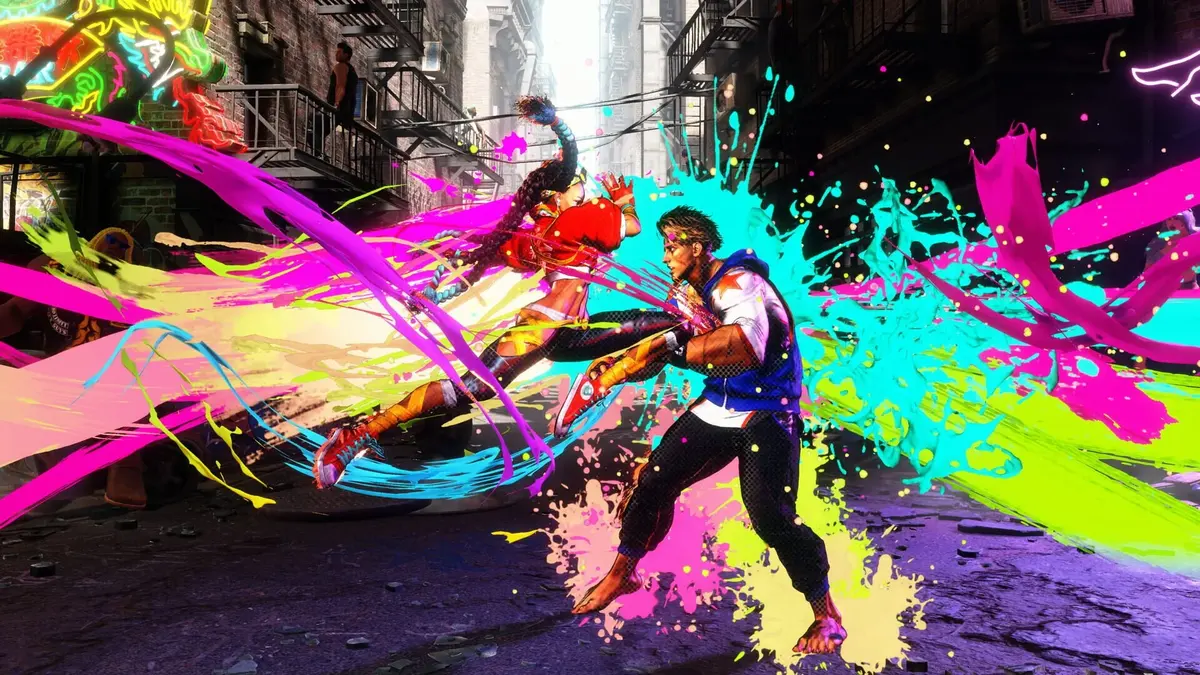
Moral Breakdown is the stance’s exclusive follow-up. It sends both fists forward, has a short wind-up and is safe on block. A direct hit deals standard damage, while a blocked attempt contributes recoverable damage.
Use Indomitable Defense when the opponent has shown that they will press into Arjun’s slower pressure. Vary when you commit to Moral Breakdown: releasing it immediately every time gives a patient opponent a repeatable timing to wait out. If they stop attacking into the stance, reassess the defensive read rather than repeatedly holding it without a strike to catch.
Arjun’s Super Arts and when to use them
| Level | Super Art | Properties and practical use |
|---|---|---|
| 1 | Howling Destruction | Fires rapid air shots along the ground to the far end of the screen and has startup invincibility. Use that invincibility against an overcommitted attack, or use the Super as a damage conversion when the opening allows it. |
| 2 | Instant Oblivion | Launches the opponent away and gives Arjun time to establish Divine Pillar. Choose it when the resulting space and fresh trap will help maintain pressure after the Super. |
| 3 | Yaksha’s Order | Delivers Arjun’s cinematic damage sequence. Its damage increases when his life is at or below 25%, making his remaining life an important factor in the conversion. |
After Instant Oblivion, use the separation to place the pillar before chasing the opponent. Immediately spending that space on a bare shoulder charge gives up the setup opportunity that makes the Level 2 useful.
For Yaksha’s Order, recognise the increased-damage threshold when you are already at low life. Deliberately accepting damage to reach 25% risks losing the opportunity to use the Super at all.
Build pressure without assuming every setup is a combo
Arjun’s delayed traps create decisions between attacks. A ring, a held pillar and a shoulder charge do not automatically form an uninterrupted combo. Watch whether the opponent blocks, jumps, retreats or attacks before choosing the next commitment.
- Against continued blocking: use safe Arm of Justice pressure to accumulate recoverable damage, then threaten Ghastly Interrogation when you reach command-throw range.
- Against retreat: direct Breathing Ring along the approach lane and place Divine Pillar at the escape point. Choose Cruel Shoulder only after checking its distance and the pillar’s position.
- Against repeated challenges: use Indomitable Defense to catch the strike, then reassess the spacing after its knockback instead of immediately forcing a close-range throw.
- Against jumps over the ring: change Breathing Shockwave’s trajectory to cover the airborne route rather than repeating the grounded release.
The priority is keeping accumulated recoverable damage relevant. If the opponent escapes far enough to recover, your next successful opening has less stored damage for Ghastly Interrogation to convert.
How to unlock Arjun
Arjun is available individually with Fighter Coins, or through the Year 4 Character Pass and Year 4 Ultimate Pass. These access routes apply to the PlayStation 5 and Xbox versions covered here.
Check which pass you own before purchasing him separately. Either Year 4 pass includes Arjun; an earlier year’s pass does not grant access.
FinalBoss // Gear
Level up your setup
01Top-rated gaming headsetson Amazon→02High-refresh gaming monitorson Amazon→03Gaming chairson Amazon→04Discounted game keyson Kinguin→Affiliate links · As an Amazon Associate, FinalBoss earns from qualifying purchases.
Want to Level Up Your Gaming?
Get access to exclusive strategies, hidden tips, and pro-level insights that we don't share publicly.
Ultimate Guide Strategy Guide + Weekly Pro Tips