
Could Street Gods Be the VR Action Game You’ve Been Waiting For?
Game intel
Street Gods
Setting the Stage: What Is Street Gods?
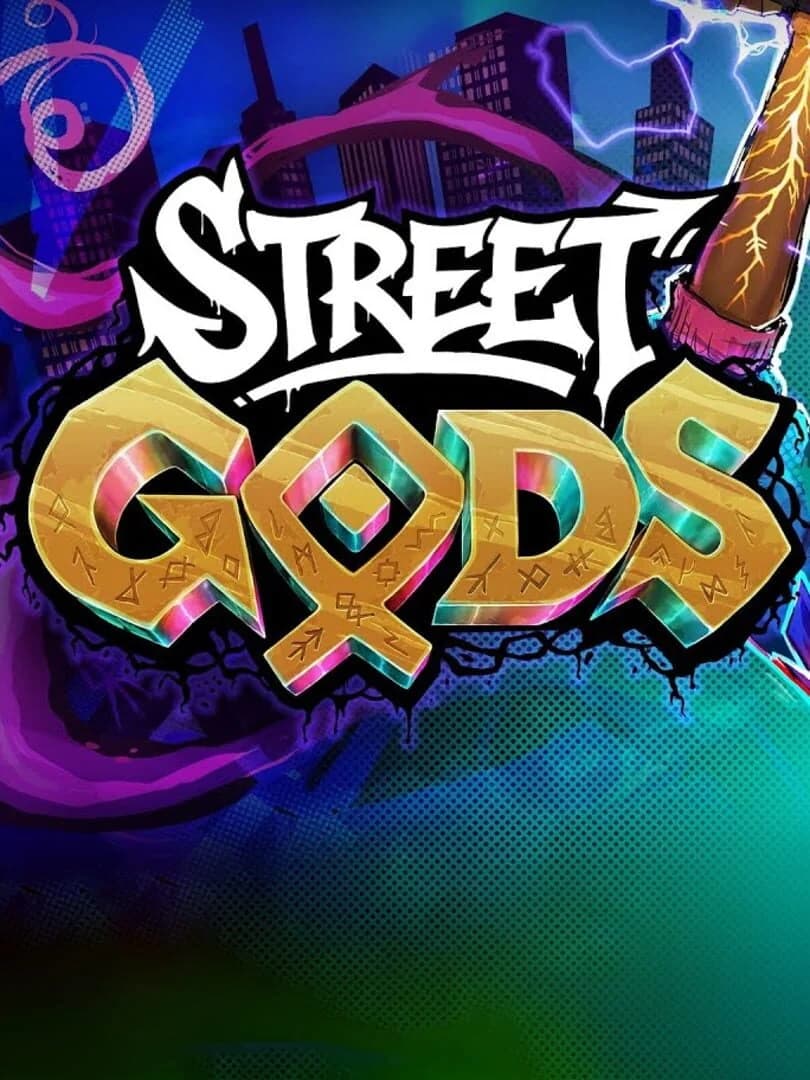
During the VR Summer Showcase, Soul Assembly unveiled Street Gods, a teaser that immediately captured the attention of every VR enthusiast. Imagine a crumbling, myth-warped New York City where your primary weapon of choice is Thor’s own hammer, Mjolnir. Suit up with a Meta Quest 3 or Quest 3S headset in Winter 2025 and get ready for a roguelite action adventure that ditches repetitive wave shooters in favor of full-physics melee brawls. Soul Assembly isn’t just promising wide swings—it wants you to feel the hammer’s weight in your hands and the thunderous vibration in your vest.
Myth Meets Metropolis: A Bold Fusion
Few games merge urban decay with ancient Norse legend as audaciously as Street Gods. Picture shattered skyscrapers, collapsed highways, and dimly lit subway tunnels teeming with trolls, frost giants, and otherworldly fiends. Each run through this twisted cityscape is powered by procedural tile layouts, meaning you never know whether your next showdown will erupt in Times Square or deep beneath the subway lines. That unpredictability keeps tension high and guarantees every battle feels fresh—no two sessions will play out the same way.
Physics-Based Combat: Feel Every Strike
VR brawlers often devolve into little more than wrist flicks, but Soul Assembly is tackling this critique head-on. Built on Unreal Engine’s advanced physics system, Street Gods aims to make each throw, catch, and slam of Mjolnir feel genuinely impactful. You’ll launch the hammer in an arc, listen for its howl through the air, then summon it back with a crackling snap. Early footage hints at robust haptic feedback on Quest 3 controllers, so when Mjolnir collides with a giant troll’s skull, you’ll feel every reverberation in your palms.
Roguelite Progression and the Tafl Board Twist
Although roguelites are no stranger to modern gaming, VR versions remain scarce. Street Gods embraces the genre’s core: permanent upgrades and escalating challenges. Between runs, you’ll unlock new runic powers—lightning strikes, gravity shifts, area-of-effect shockwaves—that become part of your permanent toolkit. The real innovation lies in the “Tafl board” approach to city design. Inspired by an ancient Norse strategy game, the city’s modular map tiles shuffle each session, forcing you to rethink routes, set up ambushes, or dash for vantage points. This system promises strategic depth and replayability, ensuring you never settle into a single comfort zone.
Comic-Inspired Visuals: Stylized Over Realism
Instead of chasing photo-realism—an often shaky pursuit on current VR hardware—Street Gods opts for a bold, comic-book aesthetic. Expect heavy inking, vibrant color bursts, and dynamic panels that spring to life during special attacks. This stylized approach not only stands out visually but also cleverly masks the resolution limits of headsets, keeping environmental details and enemy models crisp—even amid the chaos of battle. The result feels like stepping into a living graphic novel.
Want to Level Up Your Gaming?
Get access to exclusive strategies, hidden tips, and pro-level insights that we don't share publicly.
Ultimate Gaming Strategy Guide + Weekly Pro Tips
Developer Pedigree: Soul Assembly’s VR Track Record
Soul Assembly isn’t a newcomer to the VR scene. They’re behind Just Dance VR, the survival shooter Last Stand, and motion-rich demos like Drop Dead. Their experience across rhythm, melee, and mixed-reality titles suggests a team that understands both hardware quirks and player comfort. This pedigree gives Street Gods an edge, raising hopes that it will avoid the repetitive loops and polish issues that have tripped up other ambitious VR projects.
Potential Pitfalls: Hype vs. Reality
Even the most promising mechanics can stumble under real-world testing. A few questions remain:
- Arm Fatigue: Will swinging a hefty virtual hammer wear out even seasoned VR users?
- Replay Value: Can the Tafl board layouts stay engaging beyond the first dozen runs?
- Visual Clarity: Will the comic-style aesthetic remain readable during frenetic combat?
- Performance Stability: Could load screens, frame drops, or headset overheating break immersion?
Until hands-on demos arrive, these concerns are valid. VR experiences demand a balance between spectacle and sustained comfort.
Why VR Needs Street Gods
The current VR library sorely lacks action titles that push physical interactivity beyond simple fitness tools with enemies tacked on. Street Gods could flip that script by combining visceral hammer combat, strategic roguelite progression, and a fresh cityscape on every run. Picture chaining combo throws into lightning strikes, then teleporting behind a frost giant for a crushing overhead slam—all within seconds. If it delivers on this promise, Street Gods has the potential to become the definitive VR action experience.
Conclusion: A Hammer Worth Watching?
With its myth-meets-metropolis setting, full-physics gameplay, and roguelite depth, Street Gods ranks among the most exciting VR projects on the horizon. Soul Assembly’s blend of visual flair and modular design tackles many of the medium’s longstanding challenges. Yes, Winter 2025 feels distant and VR hype has a history of overpromise—but if Street Gods lands even half of what it’s promising, we could finally wield a godlike hammer fantasy that lives up to the hype. Keep an eye on this one—you may soon be swinging for the Nine Realms themselves.