
Styx: Blades of Greed Hands-on — Bigger, Sneakier, and Still Rough
Game intel
Styx: Blades of Greed
The master of stealth is back! Explore the dizzying heights of the Iserian Continent and cunningly eliminate your enemies. Thanks to your Quartz powers, you ar…
Why Styx: Blades of Greed grabbed me at Gamescom
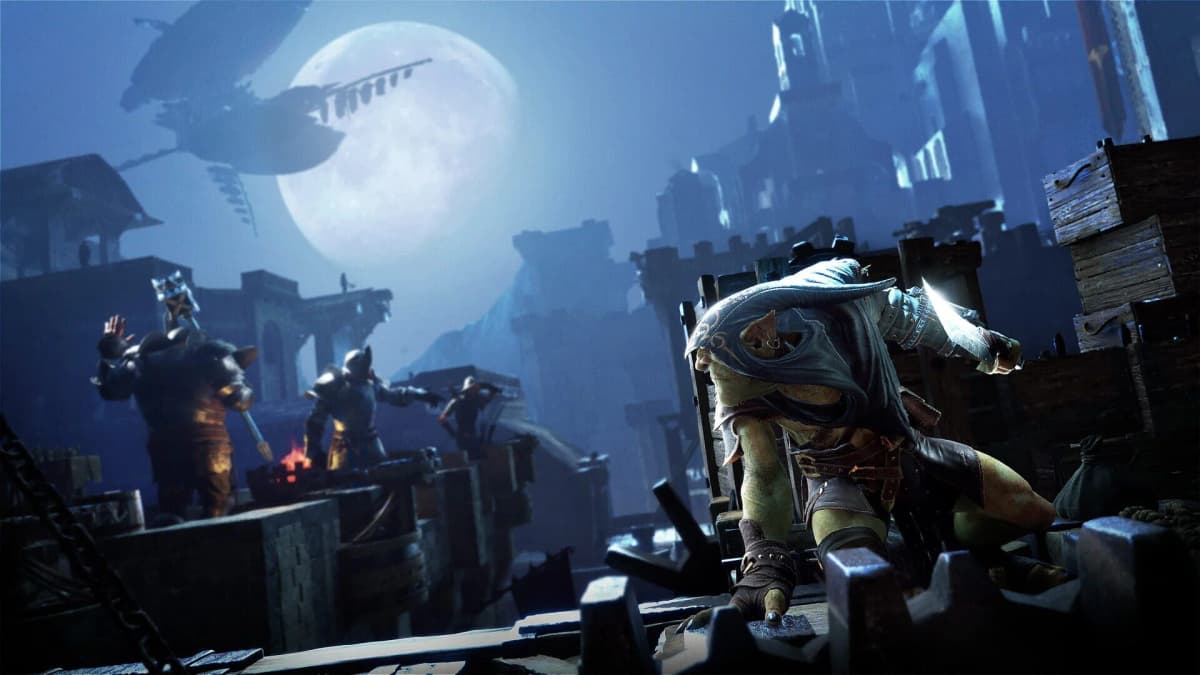
As someone who cut their stealth teeth on Thief, Dishonored and, yes, Cyanide’s own goblin misadventures, seeing Styx pop back up after eight years was an instant calendar blocker. Styx: Blades of Greed is the third outing from Cyanide, now under Nacon, built in Unreal Engine 5 with a clear mandate: open up the levels, go vertical, and give players more tools without losing the “don’t get caught” soul. Our 90-minute hands-on delivered exactly that pitch-along with enough bugs and scripting hiccups to make a fall launch feel optimistic.
For newcomers: Styx is a sharp-tongued goblin who succeeds by avoiding direct combat, exploiting routes others miss, and turning systems to his advantage. Blades of Greed sticks to that DNA while layering in a quartz-powered ability economy, a bigger emphasis on traversal, and a hub-and-zeppelin setup that nods toward Dishonored 2’s Dreadful Wale. It’s coming to PC, PS5 and Xbox Series this autumn-if it’s ready.
Key takeaways
- Levels are larger and more vertical, with multiple viable routes and readable stealth playgrounds.
- Quartz fuels a deep toolkit (clone, invisibility, mind control, body dissolve) that could either sing or overwhelm.
- Crafting adds smoke bombs, poison darts, and more-great for options, risky for balance.
- The demo had rough edges: unclear tutorial, collision bugs, scripts misfiring. A short delay wouldn’t hurt.
Breaking down the hands-on
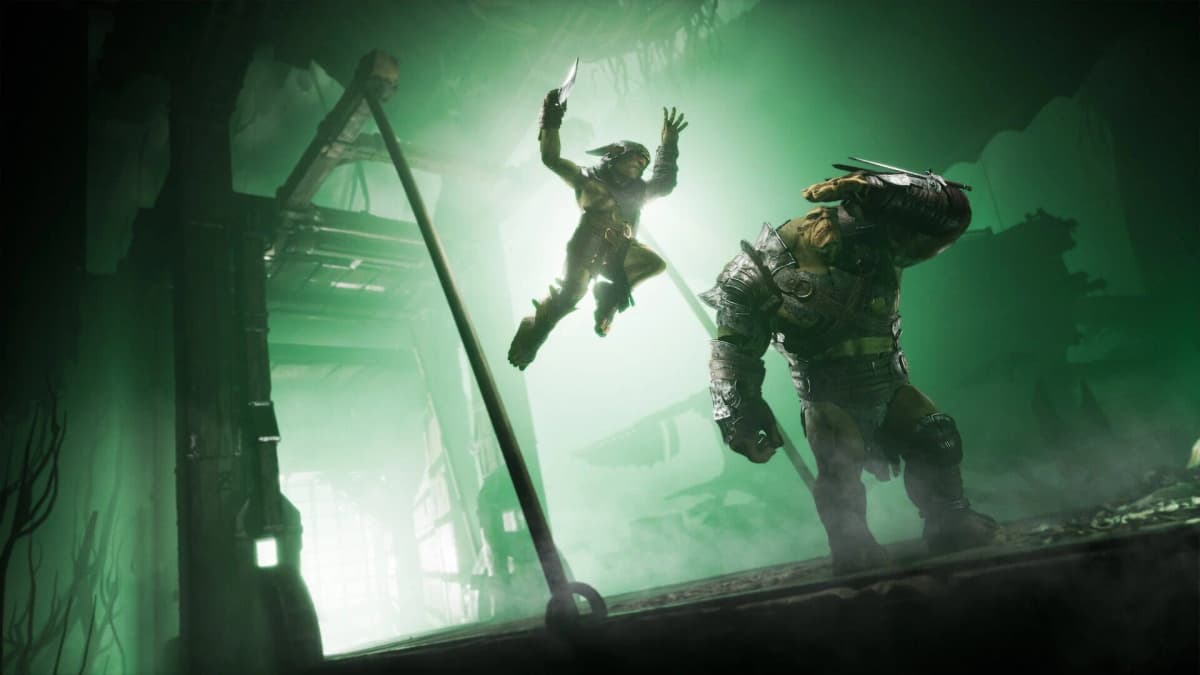
We started in a dense urban slice before shifting to an elf-flavored district draped in greenery. The tutorial did the usual stealth refresher—hide bodies, peek through keyholes, stick to cover—but messaging was muddy and a couple of scripted prompts failed to trigger. Cyanide was upfront that this build needed polishing, and that candor tracks with what we played: a promising stealth sandbox with some mechanical grit in the gears.
Once free of the tutorial funnel, the level design clicked. Cyanide still knows how to stage a stealth puzzle. Windowsills, rafters, ledges and chandeliers created overlapping paths; alley crawlspaces and open balconies offered “loud” and “quiet” solutions. Do you slip under tables to ghost past patrols, shimmy along a facade to yank a guard outside, or slice a rope and drop a chandelier on a duo below? The game rarely forced one answer, which is exactly what you want from Styx.
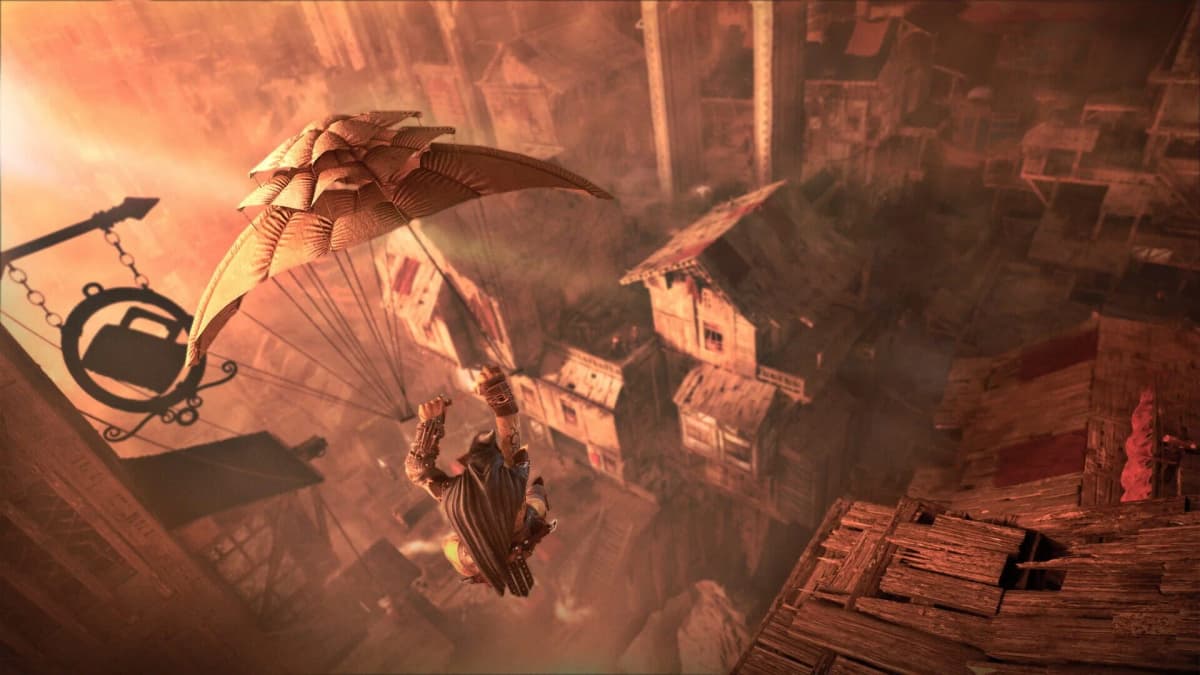
The big change is scale and verticality. With a grappling hook and a glider arriving later in progression, the map design clearly anticipates multi-tier routes and long, risky traversals. It works, though the sheer number of choices led to a few “where do I even start?” moments. That’s solvable with stronger environmental signposting and clearer traversal readability—a challenge many open stealth games wrestle with.
Quartz, skills and crafting: power or bloat?
Blades of Greed’s headline system is quartz: a resource governing Styx’s abilities. Veterans will recognize the MVP—summoning a clone to distract or scout—and it’s joined by temporary invisibility, mind control, and dissolving bodies to erase evidence. On paper, it’s a stealth player’s dream. My only worry is option overload. If everything is viable all the time, stealth can tilt from tense to trivial.
Crafting deepens that tension. We built poison darts, smoke bombs, healing and energy potions, and food poisons by scrounging materials in-level. It’s classic systemic stealth: improvise, adapt, get away clean. But it demands tight tuning of resource scarcity and AI counterplay. If consumables are plentiful, you brute-force through mistakes; if they’re rare, every tool becomes a meaningful decision. I’m hoping for difficulty modifiers that scale AI senses and resource availability to keep ghost runs sweaty and loud play suicidal.
Cyanide’s track record suggests they can thread this needle. Master of Shadows and Shards of Darkness were AA through and through, but their systems generally supported multiple valid answers without bluntly rewarding murder. Here, with more toys and open spaces, that philosophy has to be sharper than ever.
AI, combat and the stealth fantasy
The AI already feels on the right side of punishing. Guards noticed dangling limbs behind cover, reacted to footsteps and clatters, and escalated searches realistically. When fights did break out, one-on-one scrapes were survivable at a cost; two-on-one meant “run, hide, reset.” That’s the correct fantasy for Styx: someone who wins by not playing fair. Traps and escape routes sprinkled around the map gave just enough lifelines to recover from blown plays without turning the game into an action romp.
Tone-wise, Styx’s edge is still there, maybe a touch more world-weary than the cackling gremlin of old. Some returning allies popped up in our session, and the hub plus zeppelin travel adds a welcome sense of place between missions. It’s not Hitman’s open contract sandboxes, but it’s closer to that spirit than previous entries.
Want to Level Up Your Gaming?
Get access to exclusive strategies, hidden tips, and pro-level insights that we don't share publicly.
Ultimate Gaming Strategy Guide + Weekly Pro Tips
UE5 shine vs. rough edges
Unreal Engine 5 brings richer materials, stronger lighting and more environmental density, especially in the elven district’s foliage and carved stone. Performance felt fine in this build, but the bigger story is stability: we hit collision bugs, pathing oddities and the aforementioned script misfires. None of it was catastrophic, but it’s the kind of friction that can dull a stealth game’s razor edge. If Cyanide needs a few extra months to ship the cleanest version, they should take them. AA stealth is rare; it deserves time to land right.
TL;DR
Styx: Blades of Greed is shaping up as a smart evolution: bigger, higher, and nastier, without betraying the “don’t fight fair” ethos. The quartz-fueled toolbox and crafting could be brilliant—or bloated—depending on balance. The demo’s bugs suggest fall might be tight, but the core stealth and level design already have teeth.