
Table of Contents (7)
The first hostile leviathan is here, and it actually sounds scary
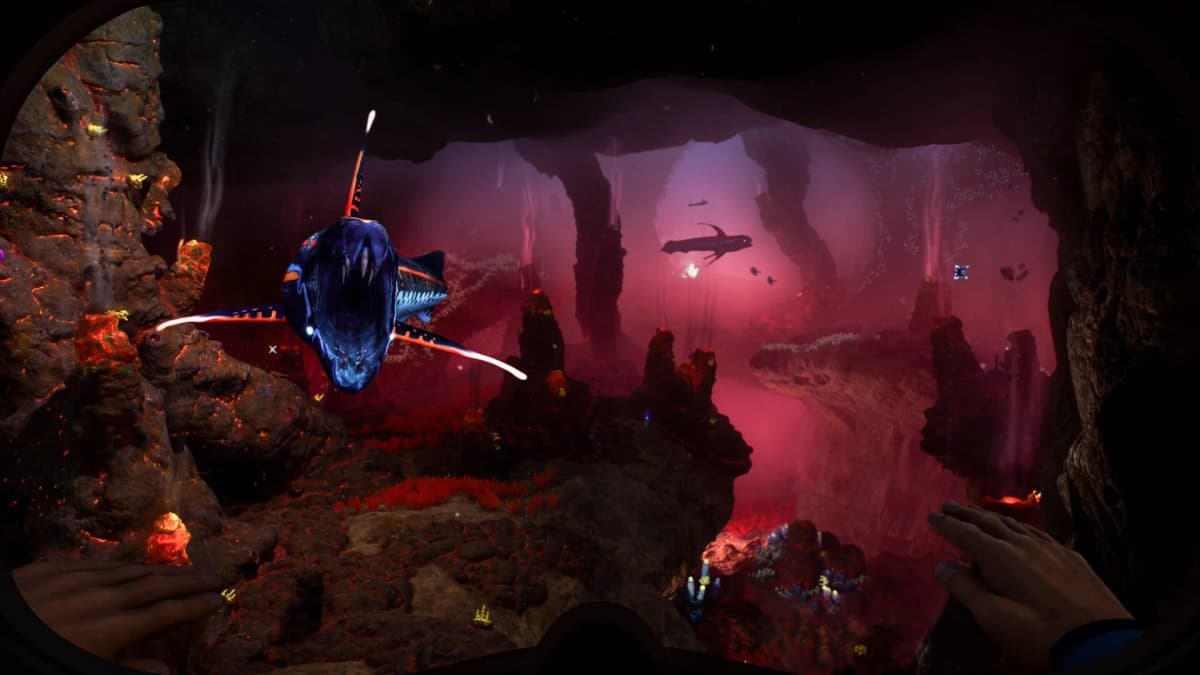
The first time a Reaper Leviathan screamed at me in Subnautica, I slapped the Seamoth’s lights off, panicked, and still got rag-dolled into a wreck. That blend of audio terror, unpredictable movement, and limited counterplay is the series at its best. So when Unknown Worlds used its latest developer vlog to debut Subnautica 2’s “Collector Leviathan,” an aggressive predator built on Unreal Engine 5 with behavior trees and a stimulus system that reacts to light, sound, and player actions in real time, my ears perked up. If this isn’t just marketing phrasing, it could make the ocean feel alive in a way survival games rarely nail.
Key Takeaways
- UE5 behavior trees + stimulus systems mean the leviathan evaluates your lights, noise, and movement on the fly, not on a simple aggro timer.
- Fully simulated tentacles, a roar, and shockwave attacks promise less “on-rails” animations and more chaotic, physical encounters.
- It’s the first hostile leviathan you meet-so early-game tension is intentional, not a late-game jump scare.
- Co-op (up to three friends) changes the calculus: smarter predators must read multiple players, or fear evaporates into clowning.
Breaking down what’s new (beyond the buzzwords)
Unknown Worlds’ AI designer Antonio Muñoz Gallego puts it plainly: this isn’t a monster that just beelines for you. The team’s using behavior trees and a stimulus system so the Leviathan constantly re-evaluates the situation-reacting to the light you flick on, the clang you make scraping a hull, or the way you juked it a second ago. In practice, that should mean familiar Subnautica tactics have real risk/reward: do you kill your torch to reduce detection and fumble in the dark, or keep it on to navigate wrecks faster but ping the ocean’s worst neighbor?
The tentacle note is easy to gloss over, but it’s huge. Fully simulated appendages imply procedural animation, not canned grabs. That can create the delicious “oh no, it found a new angle” feeling fans remember from Ghost Leviathan ambushes-while also raising the technical bar. Physics-driven enemies in water have a nasty habit of breaking immersion if they clip through bases or jitter on collisions. Unknown Worlds has a solid track record here (from Stalkers playing with cameras to Reefbacks gliding past your sub), but this is more ambitious. If those tentacles can meaningfully latch, shove, or pry, it changes how we place bases and approach salvage runs.
Then there’s the roar and a shockwave attack—classic Subnautica drama. If the shockwave interacts with silt, fauna, or your tools (think knocking flares away or disrupting propulsion), it could create readable, fair danger instead of cheap hits. That’s the sweet spot: telegraph, punish, and let us outsmart it with clever prep.
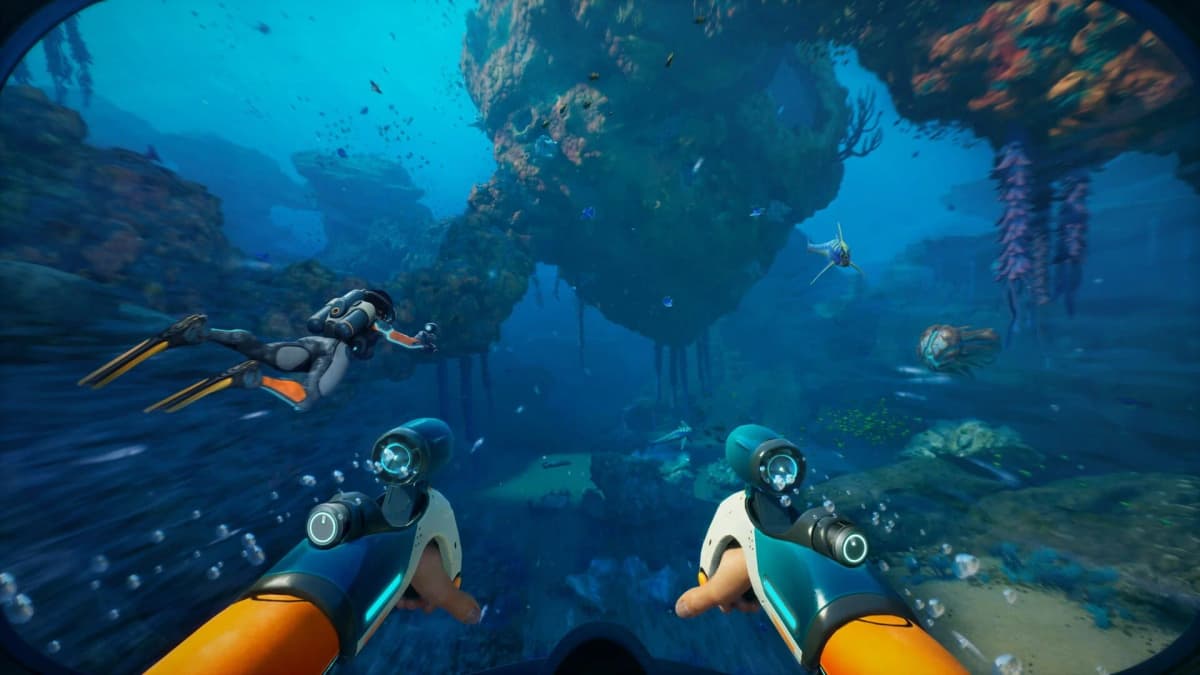
Why this matters now: co-op and the “smart predator” test
Subnautica 2 supports solo and co-op with up to three friends. Survival games often lose tension when you add more bodies; one player kites, the other loots, and the monster becomes background noise. If Unknown Worlds is serious about reactivity, the Collector should read and split pressure—homing on the loudest diver, flanking the flashlight spammer, or switching aggression when your buddy bangs a tool on metal to draw it off. Picture a wreck dive where one player runs dark to cut a panel while another pops a noisemaker and flashes high-lumen to buy 10 seconds. If those interactions emerge naturally, not as scripted set pieces, co-op will amplify fear instead of negating it.
This also hints at a wider ecosystem. Subnautica’s best moments come from systems that quietly talk to each other: light attracting biters, vehicles disturbing sand, and sound design doing half the storytelling. A stimulus-driven AI suggests the team is building a language the whole ocean understands—creatures, tools, bases, and player movement all generating signals. That can scale across the roster, not just the headliners.
Skeptic mode: performance, predictability, and the “first encounter”
Behavior trees aren’t new; how you feed them matters. If the Leviathan’s stimuli boil down to “light equals aggro,” players will solve it day one—turn off lamp, problem gone. The trick is layering: maybe it’s drawn to erratic movement, low-frequency noise from certain vehicles, or gets spooked by sudden brightness like a flashbang. Variety keeps the unknown alive. Unknown Worlds understands this—Subnautica and Below Zero were full of small gotchas—but it’s worth watching how quickly the community “solves” the Collector.
Performance is the other red flag. Procedural tentacles, physics shockwaves, and multi-sensor AI in UE5 will chew CPU on big, open water tiles. Consoles need stable frames, and Subnautica’s original console ports weren’t flawless at launch. If the team nails scalability—smart LODs on tentacle physics, budgeted tick rates for AI—it’ll pay off across the entire biome set.
Finally, calling this the “first hostile leviathan encounter” suggests a curated introduction. Cool—Subnautica’s onboarding thrives on awe and panic—but don’t over-script it. The magic is in emergent near-misses. Let us stumble into the Collector at dusk with an almost-dead battery and learn the hard way that our beacon is basically a dinner bell.
What I want to see next
Show the cause-and-effect. Demonstrate the Collector reacting differently to a flare tossed far away versus a diver’s headlamp; have it ignore a slow, quiet swim but snap when a seaglide whines past; let it investigate a base where interior lights pulse through windows. If it adapts—growing “wise” to repeated tricks over a session—that’s next-level terror.
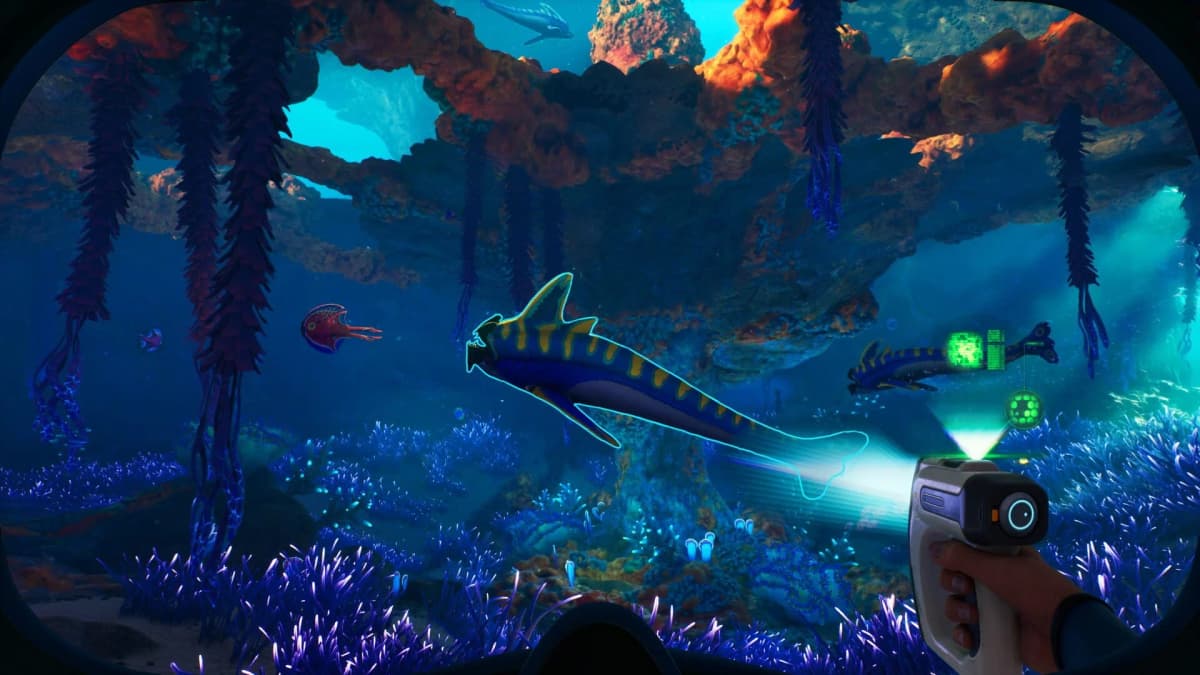
Most of all, let co-op be a survival multiplier, not a safety net. Give us tools designed for deception—noise buoys, strobes that blow out its photoreceptors, or terrain props that muffle sound—so squads can plan daring heists on wrecks guarded by a roaming apex. Unknown Worlds has always understood that the ocean is the main character. The Collector Leviathan looks ready to make it angry again.
TL;DR
The Collector Leviathan isn’t just a pretty nightmare; UE5-driven reactivity to light, sound, and player behavior could make Subnautica 2’s ocean feel truly alive. If Unknown Worlds sticks the landing—especially in co-op and performance—we’re in for the most dynamic, terrifying dives the series has offered.
FinalBoss // Gear
Level up your setup
01Top-rated gaming headsetson Amazon→02High-refresh gaming monitorson Amazon→03Gaming chairson Amazon→04Discounted game keyson Kinguin→Affiliate links · As an Amazon Associate, FinalBoss earns from qualifying purchases.
Want to Level Up Your Gaming?
Get access to exclusive strategies, hidden tips, and pro-level insights that we don't share publicly.
Ultimate Gaming Strategy Guide + Weekly Pro Tips