
A video game asking me to accept a $50 ceiling on damages before I even touch the water is exactly the kind of nonsense that makes players stop trusting publishers. That clause in the Subnautica 2 EULA is getting the loudest outrage, and I get it. It sounds cheap, smug, and weirdly hostile for a series that built its identity on wonder, fear, and the thrill of poking at a strange world just to see what happens.
But the bigger problem is not one insulting sentence. It is the whole package. Subnautica 2 arrives in early access asking players for patience, bug reports, time, and good faith, while the legal text around it reportedly reserves sweeping power for the publisher: VPN restrictions, broad license language, unilateral termination rights, and wording that players fear could chill mods or community tools. That is not a minor PR problem. That is a trust problem, and trust is the entire currency of early access.
I am not going to do the lazy internet thing and pretend every ugly EULA clause is a magical death ray that will definitely be enforced in the most extreme way imaginable. Some of this language is standard boilerplate. Some of it may be unenforceable depending on your country or state. Some of it may never be used against ordinary players. None of that makes the backlash stupid. It makes it overdue. Players are finally reading the fine print because publishers spent years teaching us that “don’t worry about it” usually means “you gave up more than you realized.”
Table of Contents (5)
This backlash did not come out of nowhere
What is happening around Subnautica 2 is not an isolated meltdown over one weird legal document. It is landing in the middle of a much bigger shift in how games are sold, updated, and controlled. Modern game agreements increasingly roll everything together into one giant bundle: privacy disclosures, conduct rules, anti-cheat or anti-tamper enforcement, account sanctions, arbitration language, class-action waivers, limits on liability, and broad “we can change this later” powers. That bundle is the real issue. It turns a purchase into a permanent negotiation where only one side gets to rewrite the terms.
That is why another recent flashpoint, the Borderlands backlash over updated terms, mattered so much. Players were not just mad at one clause there either. They were reacting to a pattern. Public reporting around that dispute showed how quickly forum complaints can become actual review damage when people feel a publisher is slipping invasive or overly broad rules into a game they already paid for. Once that trust is gone, every sentence starts looking like a trap, and honestly, publishers earned that suspicion.
Subnautica 2 makes the whole thing sting more because this is not some disposable annual release that people buy out of muscle memory. It is a game people want to love. Public reports say it launched huge, with massive concurrent player numbers and sales right out of the gate, which only makes the legal mess more frustrating. Krafton did not need to get cute here. When players are already excited enough to throw themselves into your early access ocean, stuffing the contract with hardline restrictions is the dumbest possible way to spend that goodwill.
What is probably boilerplate, and why I still hate it
Let’s start with the part that is obnoxious but not necessarily the most immediate danger: the $50 liability cap. Clauses like that are common in digital services. Depending on where you live, consumer law may limit how far a company can actually use it, especially if real negligence or statutory rights are involved. In other words, the scary screenshot is not automatically the final legal reality. That matters, because pretending every clause is ironclad muddies the argument and lets publishers dismiss the entire backlash as ignorant panic.
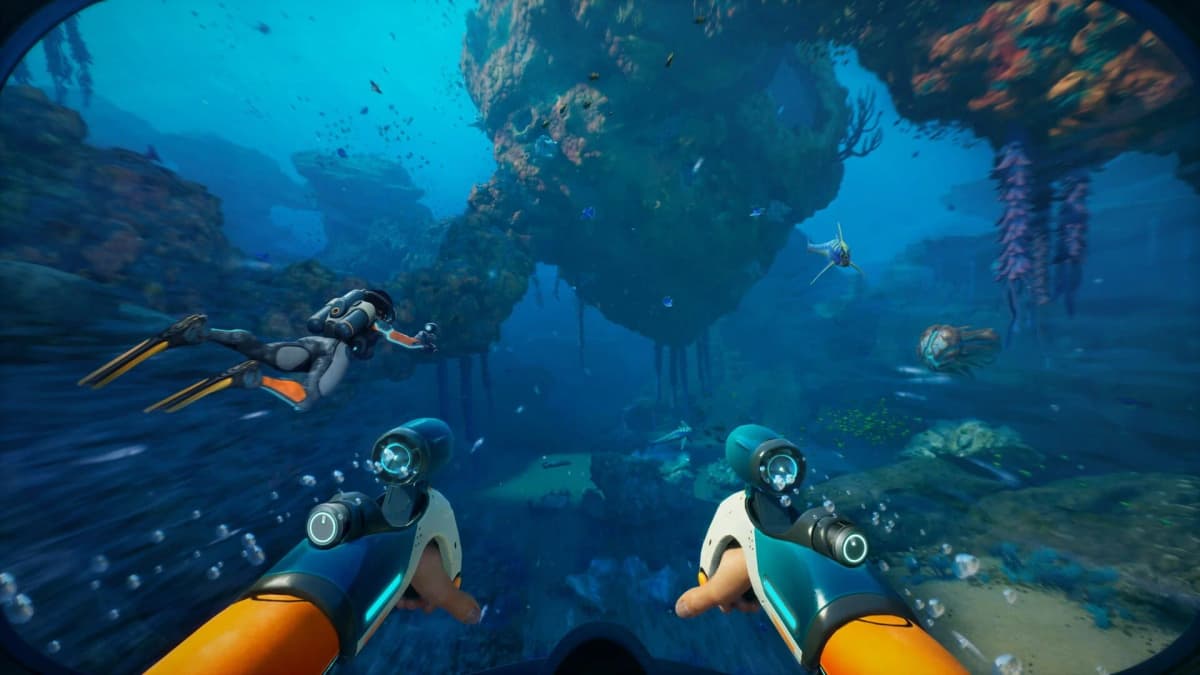
Even so, I still think the clause deserves ridicule. Not because I expect most players to end up in a courtroom over fifty dollars, but because it tells you exactly how the relationship is framed. You are expected to pay real money, provide data, accept restrictions, tolerate early access instability, and possibly deal with future account enforcement, while the publisher’s ideal world is one where its exposure barely covers dinner. That is not just legal housekeeping. It is a statement of posture, and the posture is contemptuous.
The same goes for reported language around separate licenses per device or other broad license restrictions. In practice, some of that may be aimed at account sharing or abuse. Fine. I understand the business reason. But if the wording is broad enough to make normal players wonder whether desktop, laptop, or handheld use could become an issue, then the wording is garbage. We live in a world where PC players move between machines, docks, handhelds, and travel setups constantly. If a clause sounds absurd when translated into normal human behavior, it deserves to be rewritten, not defended with legal throat-clearing.
The clauses that could actually hit normal players
The VPN restriction is the part that makes me grind my teeth. I know exactly why publishers like this kind of language. They want to stop fraud, price abuse, regional circumvention, and some categories of cheating or ban evasion. That operational logic is real. The problem is that blanket anti-VPN wording is a sledgehammer in a world where normal users also rely on VPNs for privacy, workplace security, travel, hostile networks, or simply because their ISP routing is a mess. A vague restriction can become an automated enforcement problem long before it becomes a courtroom argument.
That is the key difference between a clause that is merely insulting and a clause that can actually wreck a weekend. If some system sees suspicious traffic and decides you broke the rules, you are the one dealing with the suspension first and the explanation later. Players who travel, use secure tunnels by habit, connect from shared or unusual networks, or live in regions where network routing gets weird have every right to treat that language as a real risk. It is not tinfoil-hat paranoia. It is basic pattern recognition from years of overbroad digital enforcement.
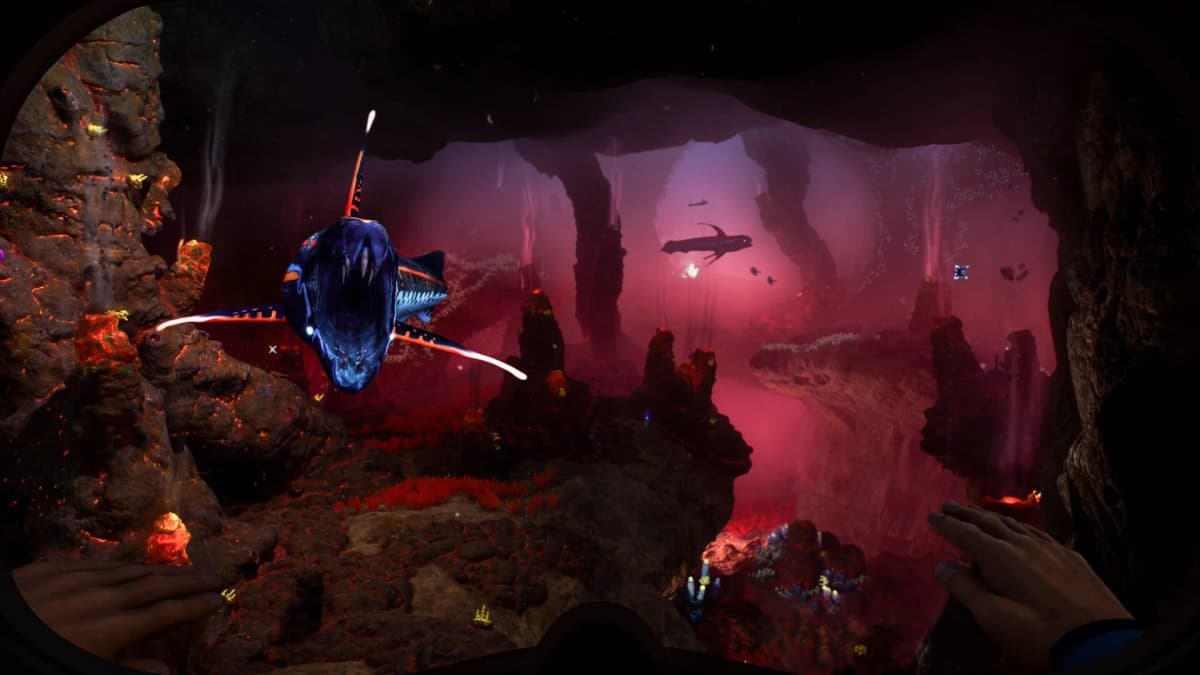
The modding angle is the other genuinely important one. Some public reporting says developers have indicated they are not looking to target mods, and I am glad that was said. I also do not think every “no unauthorized interference” clause means a publisher is about to nuke every quality-of-life tweak on day one. But this is where corporate defenders always play dumb. A clause does not need to be enforced aggressively against everyone to do damage. It only needs to be broad enough to scare toolmakers, accessibility tinkerers, and community creators into backing off.
That chill effect is not hypothetical for a PC survival game. Games like this live longer when communities can experiment, fix annoyances, add accessibility options, smooth rough edges, and build the kind of communal knowledge that turns a good sandbox into a long-term obsession. Subnautica, as a series, is exactly the kind of game that benefits from players poking at systems, sharing discoveries, and building a wider ecosystem around it. If the contract language around Subnautica 2 makes people think twice before making harmless tools or mods, that is a self-inflicted wound.
Then there is unilateral termination. Again, publishers love broad discretion here because it gives them room to handle cheating, harassment, fraud, or account abuse. I am not arguing they should have no enforcement power. I am arguing that players should stop pretending “we can revoke access when we decide you violated something” is harmless just because it has become normal. In a digital market where ownership already feels flimsy, sweeping termination language is one more reminder that what players think of as a purchase often behaves more like a lease with attitude.
The “everyone does it” defense is dead on arrival
The most predictable response to this whole mess has been the familiar shrug. Lots of games have ugly EULAs. Lots of clauses are standard. Lots of them are never enforced literally. All true. I still do not care. “Everyone does it” is not a defense. It is the indictment. If the industry standard is to push bloated, one-sided contracts onto players and then rely on exhaustion or confusion to get them accepted, that standard deserves to be dragged.
I am also tired of the fake sophistication where people act like players are foolish for noticing bad language simply because some of it may be legally shaky. A clause can be hard to enforce and still be anti-player. A term can fail under certain consumer-protection laws and still be used to intimidate, chill behavior, or waste your time in appeals and support tickets. The practical burden still lands on the player first. That is the whole trick. Publishers know most people are not lawyering up over a game account. They are just giving up, refunding, or moving on.
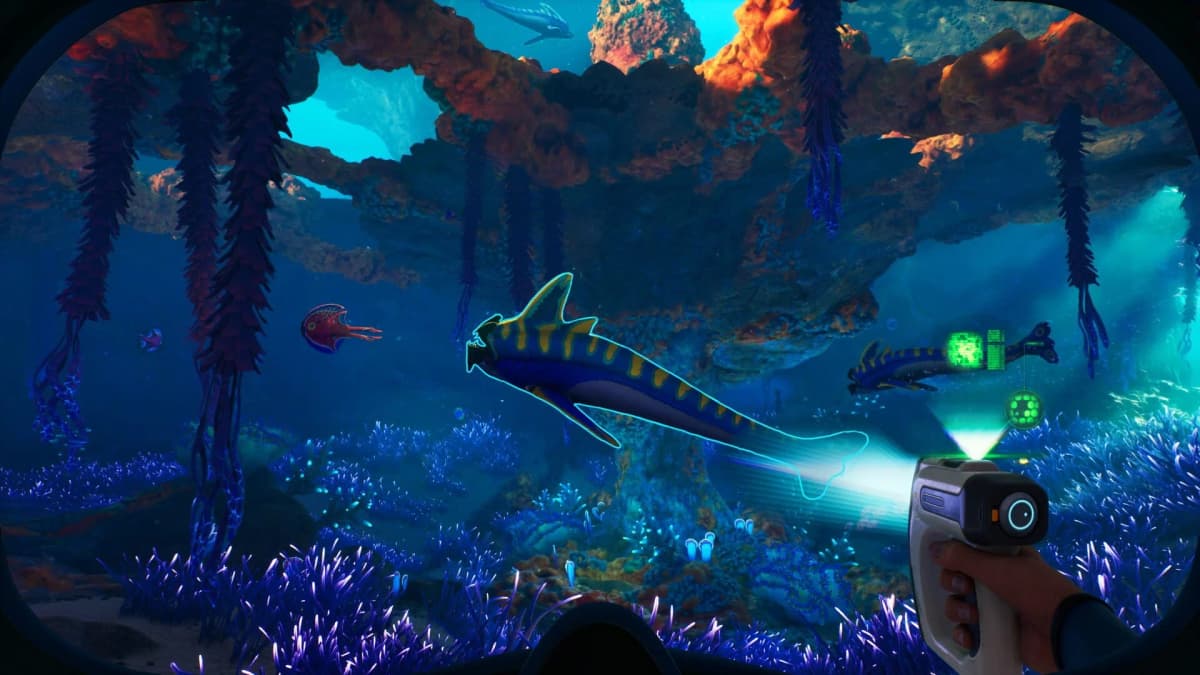
This is also why the broader climate matters. Players are already touchy about digital ownership, shutdowns, disappearing purchases, and industry resistance to preservation efforts. That fight is becoming political in places like Europe and California because people are sick of being told they bought something permanent when, in reality, they bought access until a corporation changes its mind. Against that background, a loaded EULA is not just boring legal sludge anymore. It reads like a warning label for where the whole business is headed.
My player-side risk checklist is pretty simple
Not every player needs to slam the eject button over Subnautica 2’s terms today, and not every player should wave them off either. This is where I land after stripping away the internet exaggeration and the corporate spin.
- If you regularly use a VPN, travel often, play on unusual networks, or care deeply about privacy tooling, I would hold off until the wording is clarified or softened.
- If modding matters to you, even for harmless quality-of-life tweaks, I would absolutely wait and watch. Verbal reassurances are nice. Clean contract language is better.
- If you hate early access ambiguity on principle, a punitive-looking EULA is a perfectly valid reason to sit back for a few months and let the dust settle.
- If you are the kind of player who just wants to install through a standard storefront, play vanilla, never touch a VPN, and enjoy the co-op survival loop, you can probably ignore most of this for now in practical terms.
- If you do buy in, save a copy or screenshot of the terms you accepted, watch for revisions, and pay attention to any official clarification about modding, network use, or account enforcement.
That last point matters because the reported response from the developer and publisher side suggests some of these clauses may be reviewed, relaxed, or at least clarified. Good. They should be. But I am not handing out applause for eventually noticing that players dislike being treated like hostile users. The standard should not be “ship ugly legal text first, explain later if the backlash gets loud enough.” The standard should be “write terms that match the community you claim to want.”
FinalBoss // Gear
Level up your setup
01Top-rated gaming headsetson Amazon→02High-refresh gaming monitorson Amazon→03Gaming chairson Amazon→04Discounted game keyson Kinguin→Affiliate links · As an Amazon Associate, FinalBoss earns from qualifying purchases.
Want to Level Up Your Gaming?
Get access to exclusive strategies, hidden tips, and pro-level insights that we don't share publicly.
Ultimate Gaming Strategy Guide + Weekly Pro Tips