
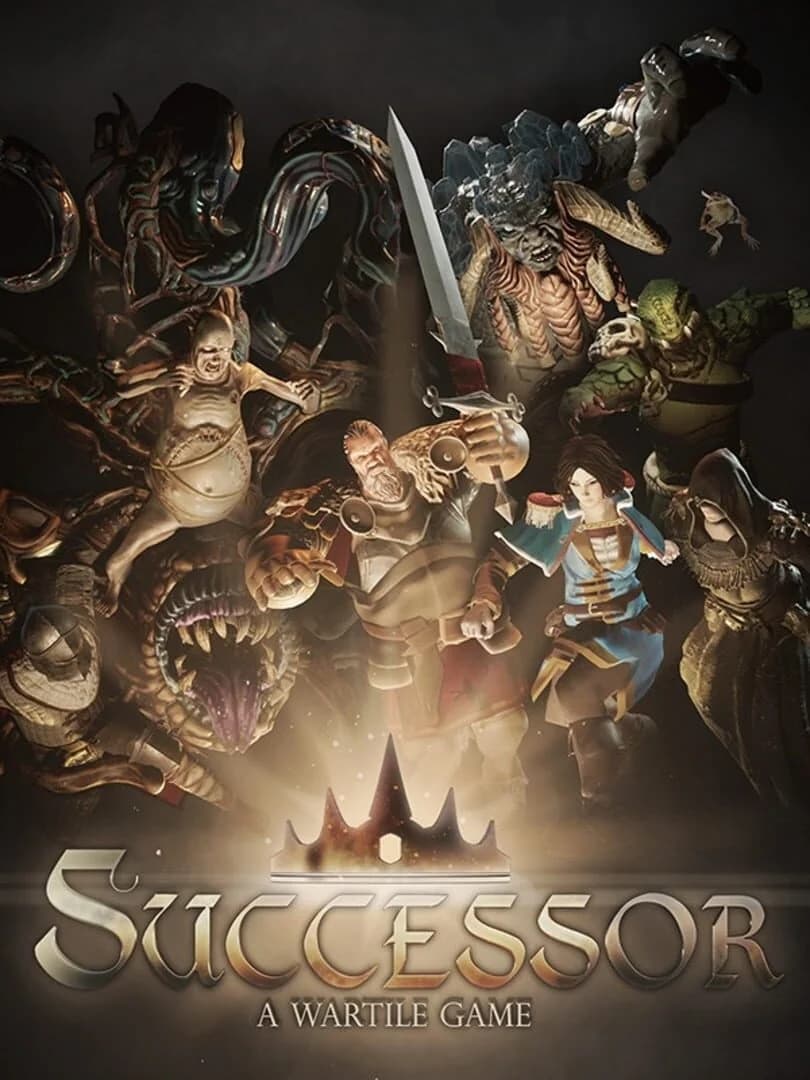
There are plenty of tactical RPGs out there trying to court fans of XCOM, Darkest Dungeon, or the old-school Warhammer tabletop scene, but few have genuinely made me stop and stare like Successor just did. The minute I saw its miniature diorama battlefields and that blend of real-time with tactical pausing, I knew this wasn’t just another pixel-art rogue-lite trying to ride the hype. But as someone who’s sunk hundreds of hours into both digital and tabletop strategy, I’m always a little wary of “innovation” that sounds better in a press release than in practice. So, does Playwood Project’s latest actually deliver on its promise of fresh, replayable tactics, or is this just a pretty face with shallow roots?
Key Takeaways
Game Info
| Feature | Specification |
|---|---|
| Publisher | Playwood Project |
| Release Date | May 29, 2025 (Steam Early Access) |
| Genres | Tactical RPG, Rogue-lite, Strategy |
| Platforms | PC (Steam) |
Let’s get this out of the way: Successor looks fantastic. Playwood Project nailed this “living miniature” aesthetic before with Wartile, and here they’ve doubled down-gorgeous terrain, hand-painted figurine detail, and the kind of camera movement that makes you feel like you’re peering over a real gaming table. But we’ve seen great visuals before. The real question: does the gameplay live up to the promise?
The core loop is classic rogue-lite: pick a Lord (your run-defining class), recruit and equip heroes, and dive into a kingdom that’s different each time thanks to procedural generation. Death stings, but persistence rewards you with meta-progression that keeps you coming back. It’s a proven formula—Hades, Slay the Spire, and Darkest Dungeon all built empires on it—but in a tactical RPG, replayability lives or dies by how many new tactical puzzles each run actually presents, not just shuffled enemies or tweaked numbers.
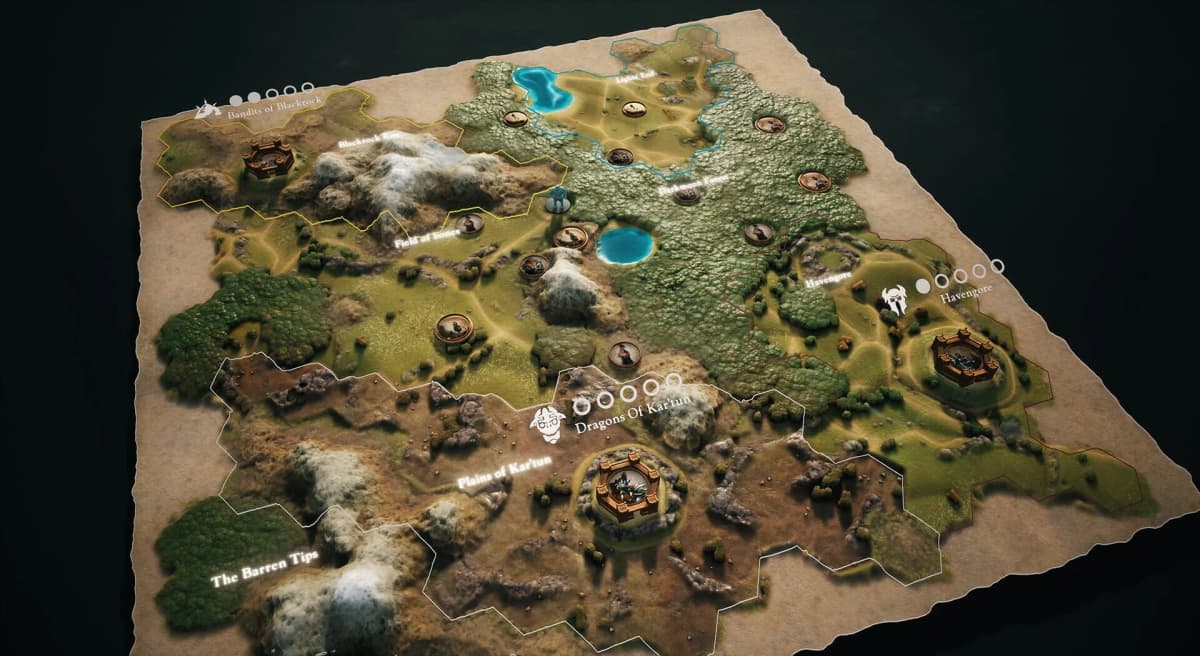
The real hook for me is the real-time-with-tactical-pause combat. In practice, you can freeze the action, queue up hero abilities, and play out your moves like a chess master pressed for time. This system can be a tough nut to crack for balancing: it risks feeling too twitchy for pure tacticians, or too slow for fans of true real-time skirmishes. But when done right (think Baldur’s Gate 3’s hybrid approach or FTL’s pause-then-panic moments), it can produce that “just one more turn” magic with every encounter. Early gameplay hints at this potential, but the real test will come once the honeymoon phase ends and you’re grinding through your tenth kingdom—do the battles still surprise you, or do you start playing on autopilot?
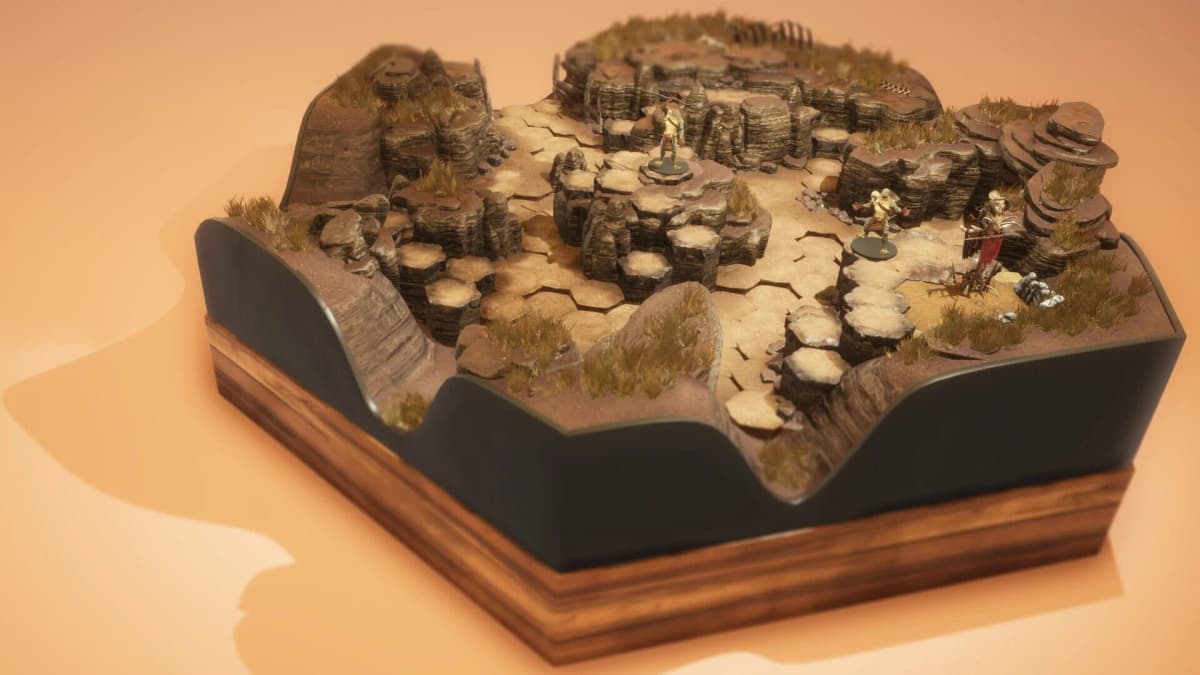
One thing I love: terrain isn’t just for show here. Environmental modifiers, hazards, and unique biomes force you to actually think about positioning—not just in the “flank for extra damage” sense, but in ways that could upend a whole encounter. This is exactly what’s been missing in most “rogue-lite tactics” games that just shuffle enemy stats and call it a day.
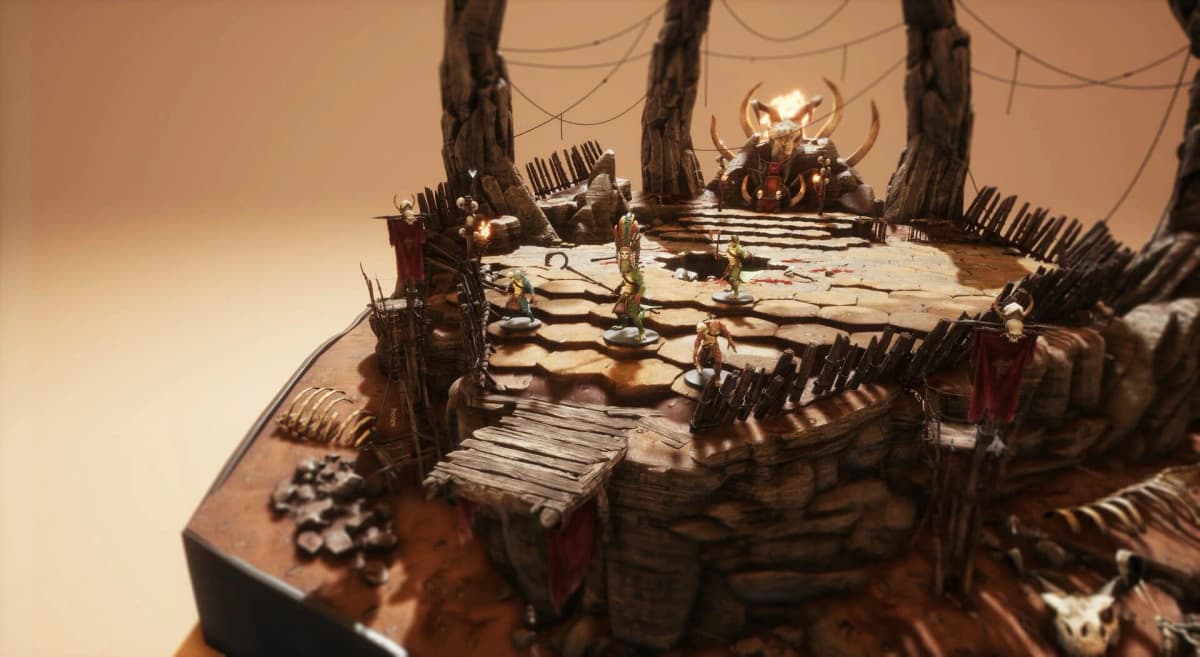
But here’s where my skepticism kicks in. Playwood Project’s last game, Wartile, looked incredible but sometimes fell into the trap of “style over substance”—gorgeous boards, but limited tactical complexity and some AI issues. The Early Access model means we’re getting the skeleton first, with promises of more Lords, biomes, enemies, and systems over the summer. That’s exciting if the devs stay responsive (and they promise to work with the community closely), but it also means you’re buying potential as much as reality right now.
Another industry context worth noting: we’re in a golden age of indie tactics, but also a period where “rogue-lite” is sometimes an excuse for games to feel shallow at launch, padding replayability with randomness. The real test for Successor will be whether those procedural kingdoms and meta-progression systems actually sharpen the tactics, or just mask repetition. I’m rooting for the former—especially given the studio’s passion for the genre—but I’ve seen too many promising indies stumble here.
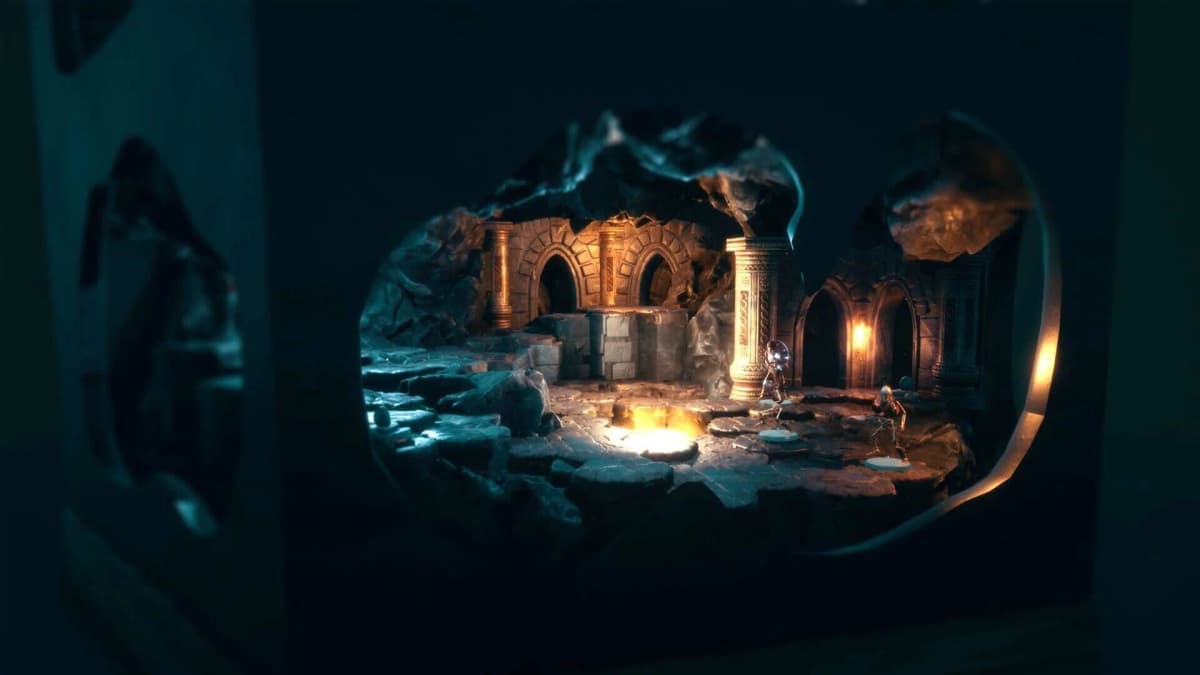
If you’re the kind of player who loves tactical challenge and wants that tactile “move the minis” vibe of a real tabletop session, Successor stands out immediately. The Early Access price gets you a handsome, atmospheric tactics game with a strong visual identity and some promising combat systems—but also a work in progress, where the real depth and variety are (hopefully) coming soon.
For veteran tacticians, this is one to watch: if Playwood Project follows through on its roadmap and listens to community feedback, Successor could become a modern classic. But if you’ve been burned by visually gorgeous, shallow tactics games before, you might want to wait a few updates and see how much substance gets added over time. Either way, it’s refreshing to see a strategy RPG launch with this much style—and the ambition to match it with substance.
Successor launches into Steam Early Access with stunning tabletop diorama visuals and an intriguing hybrid of real-time and tactical combat. Early signs point to real strategic depth—if the devs can deliver on variety and replayability. Worth a look for tactics fans, but the jury’s out on whether its systems will stay as fresh as its visuals.
Source: Playwood Project via GamesPress
Get access to exclusive strategies, hidden tips, and pro-level insights that we don't share publicly.
Ultimate Gaming Strategy Guide + Weekly Pro Tips