
Sucker Punch’s 30-Year Climb: Why “Ghost of Yotei” Could Be Its Boldest—and Riskiest—PlayStation
Game intel
Ghost of Yōtei
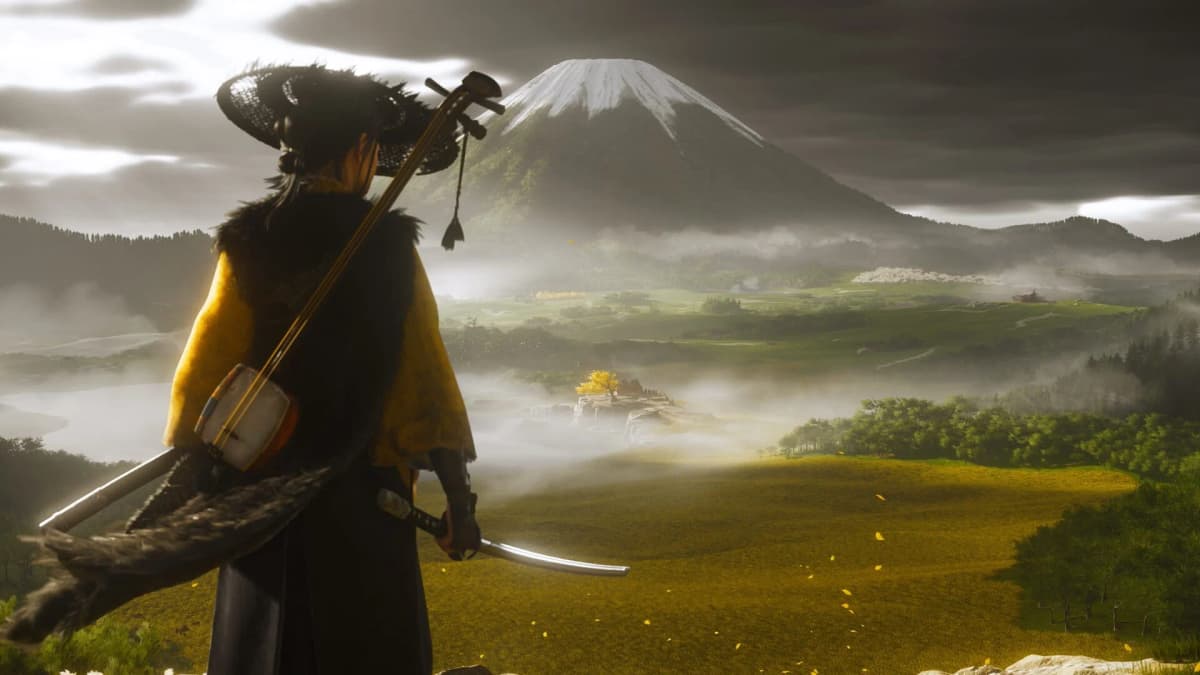
The game takes place 300 years after Ghost of Tsushima. Set in the lands surrounding Mount Yōtei, a towering peak in the heart of Ezo, an area of Japan known a…
From Sly to Samurai: Why This Caught My Eye
I’ve watched Sucker Punch evolve since the cel-shaded stealth of Sly Cooper and the comic-book chaos of inFamous. Ghost of Tsushima felt like the studio finally went full prestige-beautiful, focused, and quietly confident. Now the chatter points to Ghost of Yotei, reportedly their biggest project yet with a budget north of $100 million and full-throttle backing from PlayStation Studios. That combo can be thrilling for players-but it also comes with pressure that can warp good design.
Key Takeaways
- Ghost of Yotei is rumored to be Sucker Punch’s most ambitious game, with a budget exceeding $100M.
- PlayStation Studios backing means top-tier tech, talent, and marketing-but also sky-high expectations.
- The studio’s strength is focused, readable design; scale should enhance that, not drown it.
- Big-budget risks: feature creep, bloated maps, and longer dev cycles that can sand off personality.
Breaking Down the Announcement
Let’s separate signal from hype. Yes, Sucker Punch is a fully-owned PlayStation studio and has been for years, which matters: it ensures deeper access to Sony’s tools, first-party QA, localization, and a marketing machine that can put Samurai duels on billboards worldwide. Reports say Ghost of Yotei has a budget that doubles Ghost of Tsushima’s estimated spend. If true, expect expanded motion capture, bigger casts, and more time to refine AI and animations.
One claim floating around is engine-sharing with Decima (the tech powering Horizon and Death Stranding). Maybe—but Sucker Punch historically uses its own tech, and Ghost of Tsushima’s engine delivered incredible foliage, weather, and swordplay at 60fps on PS5. Moving to a new engine mid-franchise isn’t trivial; it can lose institutional knowledge. I’d bet on a heavily upgraded in-house engine with selective tech sharing—things like Sony-wide audio pipelines or capture workflows—rather than a full swap.
How They Leveled Up (And What It Means Now)
Sucker Punch has a pattern: tight mechanics first, scope second. Sly Cooper perfected stealth readability; inFamous nailed traversal and consequence; Ghost of Tsushima balanced parry-forward combat and atmosphere. None of these games were the most expensive projects of their era, but they felt polished because the team picked their battles wisely. That’s exactly why a massive budget is both exciting and scary. Money buys time and talent—but it doesn’t buy taste.
If Ghost of Yotei truly turns the dials up, here’s what I want that money spent on: smarter enemies that coordinate and flank; stealth systems that link sound, light, and social disguise; towns that breathe with daily routines; and side quests that avoid the fetch-and-forget trap. Ghost’s Mythic Tales were a great template—expand that idea rather than padding the map with checklist litter. And yes, bring back Legends co-op with a meaty endgame. It was one of Tsushima’s best surprises.
Want to Level Up Your Gaming?
Get access to exclusive strategies, hidden tips, and pro-level insights that we don't share publicly.
Ultimate Gaming Strategy Guide + Weekly Pro Tips
What Players Should Expect on PS5 (and Beyond)
With Sony’s current strategy, Ghost of Yotei is almost certainly a PS5-first game with a PC port later. That’s good news if you care about performance modes and accessibility—Sony’s first-party tools have raised the bar there. At the same time, mega-budget projects usually mean longer development and fewer risks. Don’t be shocked if the game prioritizes cinematic fidelity and wider appeal over experimental systems. The upside? If anyone at PlayStation can balance purity and mass-market sheen, it’s the team that made wind a navigation mechanic and got everyone to turn off the HUD.
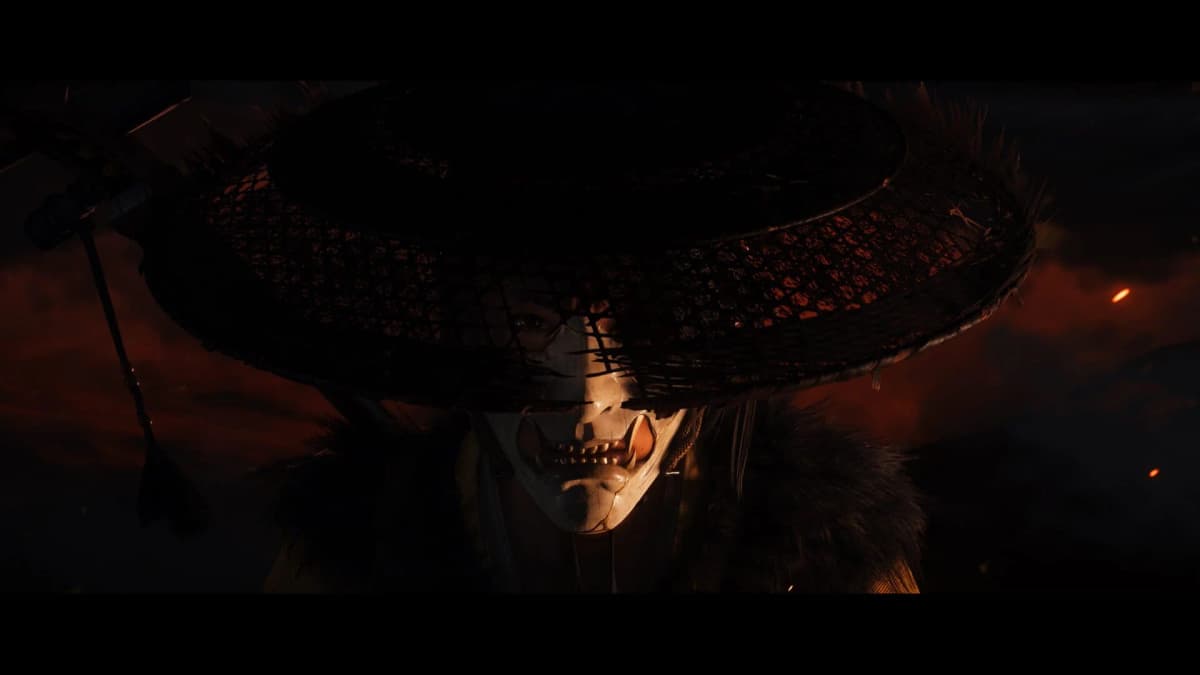
One practical ask: lock in a true 60fps mode with minimal visual compromise. Tsushima on PS5 already showed Sucker Punch understands feel-first combat. Keep that sharpness. And for the PC release—learn from recent PlayStation ports. Offer robust settings and avoid account-linking friction that punishes solo players.
The Risks of Going Super-Sized
There’s a reason so many open worlds feel the same: bigger teams and budgets often lead to safer designs. The worst-case scenario for Ghost of Yotei is “more of everything” without the restraint that made Tsushima sing. Sucker Punch’s secret sauce has always been clarity—clean inputs, readable enemy tells, streamlined UIs. If the studio can keep that spine while layering deeper AI, more complex stealth, and denser storytelling, then the money will have been spent in the right places.
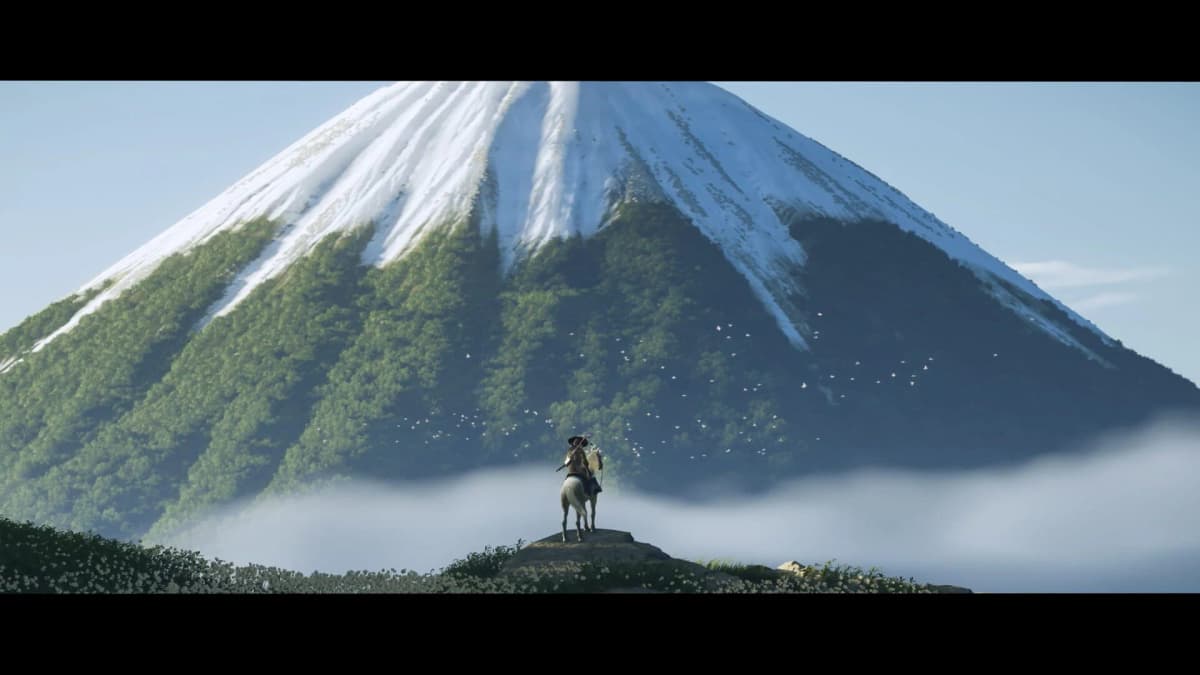
Bottom line: the rumored budget and PlayStation Studios muscle set the stage for a true tentpole. But the game we’ll remember won’t be defined by a price tag—it’ll be whether Sucker Punch stays Sucker Punch when the map gets bigger and the spotlight hotter.
TL;DR
Ghost of Yotei is shaping up to be Sucker Punch’s biggest swing yet, backed by serious PlayStation resources. That’s promising if it fuels smarter AI, richer stealth, and meaningful side content—not just more map icons. Keep the studio’s trademark clarity intact, and this could be the PS5-era samurai epic to beat.