
Sultan’s Game won the Indie Live Expo grand prize — here’s why that actually matters
Game intel
Sultan’s Game
Sultan's Game is a card-based simulation and narrative game, inspired by The One Thousand and One Nights. You are one of the ministers of the mighty Sultan, a…
Why this caught my attention (and why you should care)
This caught my attention because an indie that blends card-based resource management with true moral horror doesn’t win the Grand Prize at Indie Live Expo without doing something interesting. Sultan’s Game is brutal, clever, and unapologetically uncomfortable – and its post-launch support shows the developer isn’t treating the release as a one-off cash-in. For players tired of visual-novel forks that never change much, this one actually forces meaningful trade-offs that ripple across multiple endings.
- Key takeaway: A strong indie that pairs tense, weekly-card mechanics with heavy moral stakes – surprisingly good value for ~$25.
- Player reception: 94% positive on Steam and a healthy peak concurrent player spike – word of mouth is real here.
- Critic vs player split: Metacritic critics are lukewarm but players love it — expect a niche hit rather than a mass-market darling.
Breaking down the gameplay loop — tense, simple, replayable
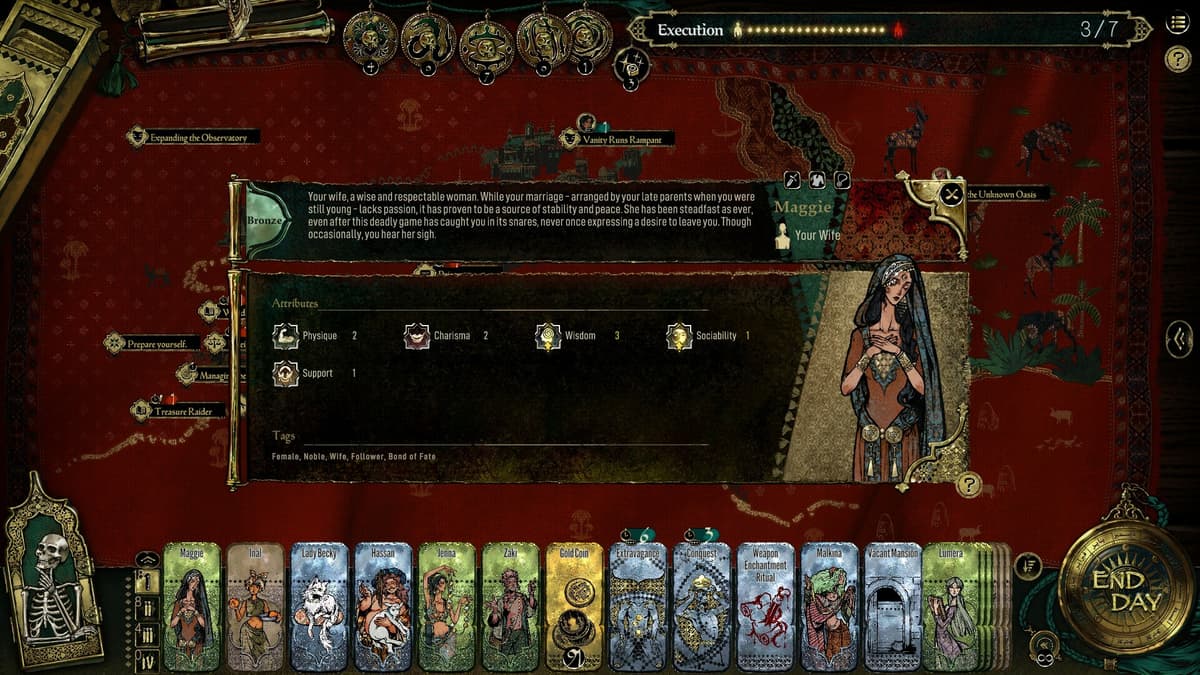
At its core Sultan’s Game uses a weekly card-draw loop: pick one of four cards (Carnality, Extravagance, Conquest, Bloodshed), meet the challenge within seven in-game days or face execution. That setup creates constant pressure. It’s not about deckbuilding complexity but about hard choices and resource juggling — reputation, wealth, and time. The mechanics are elegant because they force trade-offs you can’t fully optimize away: do you gamble your reputation to survive now, or preserve it and risk being torn apart later?
Why the award and metrics actually mean something
Winning Grand Prize at Indie Live Expo and hitting a peak of ~46K concurrent players on Steam tells two stories. First, the game has a hook that translates beyond press screenshots — people try it and talk about it. Second, the 94% positive Steam rating (nearly 19K reviews) shows that the niche audience who likes grim, narrative-heavy indies is extremely satisfied. The Metacritic critic score (62) sitting against user scores around 8/10 isn’t surprising: critics often compare broadly and expect polish or technical wow-factor, whereas players reward memorable systems and emotional payoff.
Post-launch support and platform prospects — a good sign
Since release in March 2025, the devs have added a new character, extra storylines, and better multilingual localization. Those are the exact kinds of updates that extend shelf-life: more narrative threads mean more divergent endings and reasons to replay. The planned Switch port matters too — this game’s slow-burn, tense pacing fits handheld play and could bring a fresh audience who prefer consoles over PC.
Want to Level Up Your Gaming?
Get access to exclusive strategies, hidden tips, and pro-level insights that we don't share publicly.
Ultimate Gaming Strategy Guide + Weekly Pro Tips
What gamers should expect — and what to be skeptical about
Expect a story-first experience with strategy shoehorned into its moral dilemmas. If you play for mechanical mastery, this isn’t Slay the Spire; if you play for narrative consequence and emotional pressure, this is a great match. The 31-hour average completion time suggests real content value for the $24.99 price.
Be skeptical about two things: first, how “psychological horror” is marketed. The game leans on moral discomfort more than jump scares; it’s unsettling rather than exploitative. Second, the Switch release date is still TBD — console ports can vary in quality and timing, so don’t bank on immediate availability.

Context in the indie scene
Sultan’s Game sits between Inscryption-style card tension and Disco Elysium-style moral complexity. It’s part of a broader indie trend toward systems that generate story through constraints rather than through long scripted scenes. The difference here is cultural framing — a court inspired by The One Thousand and One Nights — which gives familiar mechanics an exotic, morally ambiguous skin that’s rare in Western indie design.
TL;DR — Should you buy it?
If you like narrative games where your bad choices matter and you don’t mind feeling morally gross sometimes, Sultan’s Game is worth the $25. It’s not for everyone, but its award recognition, strong player reviews, and ongoing content updates make it one of 2025’s more interesting indie experiments in “how low will you go to survive?”