
A game built around a trend starts aging the moment the market finds a newer trend. That is why Shigeru Miyamoto’s fun-first philosophy still hits harder than most modern design pitches, and why Super Mario Bros. Remastered should be judged by a far tougher standard than sharper visuals or a longer feature list.
The point of a Mario remaster should be painfully simple: protect the feeling of running, jumping, timing, recovering, and trying one more time. If that feeling is intact, the game has a soul. If a remaster buries it beneath fashionable systems designed to make an old game resemble whatever is popular this year, it has missed the entire reason Mario endured in the first place.
Miyamoto has spent nearly 50 years tied to Nintendo, and his argument has remained remarkably stubborn: game design should begin with a creative idea that feels fun to play, not a spreadsheet prediction about what will sell everywhere. I think he is completely right. The industry keeps treating that belief as charming old-school wisdom, when it is really a ruthless quality-control principle.
Table of Contents (6)
The Primary Action Is the Whole Argument
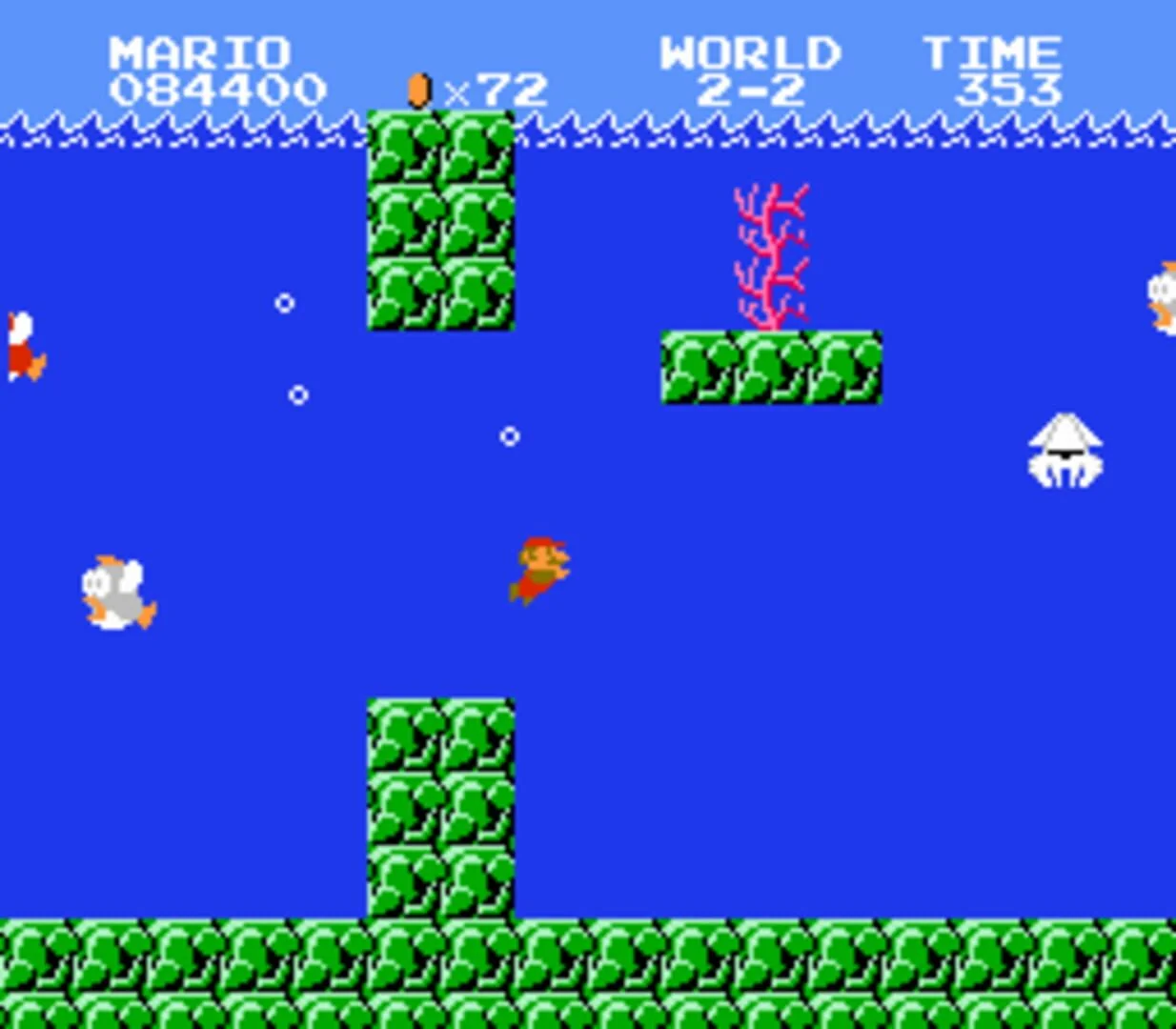
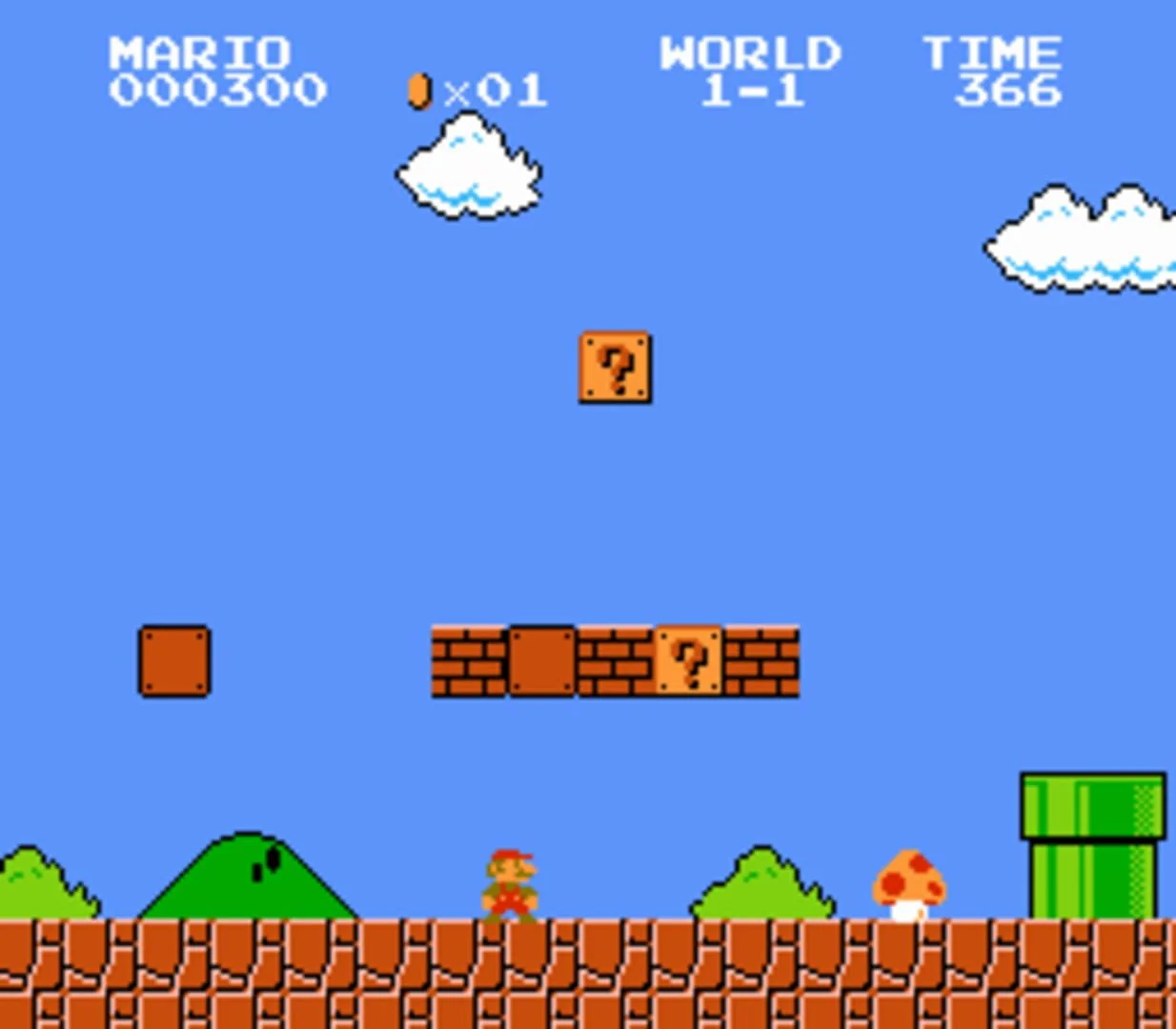
Mario works because its central action is immediate. You run. You jump. You learn momentum. You read space. You make a mistake, understand why, and take another shot with a little more confidence. There is no need for a giant onboarding lecture to explain why that loop matters. The game communicates through movement, rhythm, sound, timing, and the delicious split-second panic of realizing a jump is slightly too short.
That is the Miyamoto rule in practice: identify the primary action, make it satisfying, then build everything around it. The player should feel the game before they have fully explained it. I value that more every year because too many games now arrive with a mountain of systems before they have earned the right to ask for my time.
A crowded map, a complicated progression tree, a pile of crafting materials, or a familiar competitive structure can all serve a real purpose. None of them automatically create a great game. Developers keep confusing quantity with texture and complexity with depth. Miyamoto’s instinct cuts through that nonsense: if a rule fails to create curiosity, joy, tension, or meaningful choice, remove it.
That sounds obvious until you look at how often players are asked to tolerate friction because somebody decided friction looks like value. Hours of repetitive tasks, menus stacked on menus, dead-end systems that exist only because another successful game had them — those choices are rarely made for the player’s benefit. They exist because copying a known shape feels safer than committing to an original one.
Trend-Chasing Is a Cowardly Form of Risk Management
The industry loves to call trend-chasing safe. I think that is backwards. Chasing a hot genre is one of the riskiest things a studio can do because it puts a game in a fight with every other product built from the same assumptions. When everyone is chasing open-world checklisting, extraction loops, survival crafting, roguelite meta-progression, or the same cinematic campaign structure, the result is a market packed with games that blur together before players even reach the first menu.
Those structures can support excellent games. The problem starts when they become the starting point. A team sees a popular format, then searches for a theme, a visual identity, and a few surface-level twists to pour over the template. The pitch may sound current. The game may even look expensive. Yet the core action remains strangely hard to describe because the real answer is “it has the things successful games have.”
Miyamoto’s approach asks for something far more uncomfortable: an idea that deserves to exist before the market validates it. That demands taste. It demands prototypes that fail. It demands the confidence to throw away features that took time and money because they are not making play better. Most importantly, it demands a willingness to be distinctive when distinction cannot be justified with a chart.
Splatoon and Pokémon Prove Weird Ideas Can Travel Further
Splatoon is the cleanest example of why the fun-first method scales. Its central competitive idea is easy to grasp: cover territory with ink while opponents fight to take it back. That is a concrete action with a personality of its own. Nintendo did not need to make a generic version of an established format and dress it in colorful paint. The ink is the game’s identity, its movement language, its tactical space, and its visual signature all at once.
Pokémon makes the same point from a different angle. Its roots in collecting insects turned a personal fascination into a global play idea built around discovery and collection. The important part is the direction of travel. The concept began with curiosity, then found an audience large enough to become a cultural giant. It was never born from the dead-eyed instruction to manufacture a universally safe product.
That is what too many executives and trend analysts fail to understand. Global success does not require global sameness. In fact, sameness is often the fastest route to being forgotten. Players remember games that give them a feeling they cannot get from five other releases sitting beside them in the same storefront category.
Mario, Splatoon, and Pokémon each prove that a strong play loop can cross ages, regions, and tastes without sanding away its identity. They reach broadly because the interaction is legible and satisfying, not because the original concept was diluted until nobody could object to it.
A Super Mario Bros. Remaster Has One Job
That brings me back to Super Mario Bros. Remastered. A remaster has every opportunity to misunderstand what people love about Mario. The temptation is obvious: add more, modernize harder, stretch the experience outward, pile contemporary expectations onto a design that became immortal by refusing clutter. That urge needs to be resisted.
I do not want a Mario remaster that treats age as proof of incompleteness. I want one that understands why the original loop remains so readable. The running needs to feel responsive. The jumping needs to communicate cause and effect. The pacing needs to respect the player’s attention. The levels need to make failure understandable rather than arbitrary. Every improvement should sharpen that relationship between player input and on-screen consequence.
Visual polish can help. Better presentation can help. Accessibility options can help. Cleaner feedback can help. Yet each addition needs to answer a brutally practical question: does this make the central action more pleasurable, more understandable, or more expressive? If the answer is no, it is clutter wearing a modern outfit.
That standard is valuable because “faithful” should never mean preserving every rough edge, and “modern” should never mean importing whatever is currently fashionable. A good remaster preserves the game’s pulse. It removes distractions around the pulse. It never mistakes decoration for a heartbeat.
Fun First Requires Discipline, Not Blind Nostalgia
There is one caveat worth making, because “make what you personally enjoy” can be twisted into lazy creator worship. Passion alone does not rescue a bad idea. Designers can love mechanics that confuse players, waste time, or only make sense to the people who invented them. Miyamoto’s philosophy has force because it pairs creative conviction with player-centered clarity.
A good game teaches through doing. It respects the player enough to let them touch the toy, understand the rules, and find room to improve. That is different from dumping a wall of explanation in front of them. It is also different from stripping every game down until it has no texture. The goal is clear interaction with meaningful possibilities, not empty simplicity.
- The core action should be explainable in a single clean sentence.
- Movement and feedback should feel rewarding before the game asks for a major time commitment.
- New systems should deepen the central loop rather than distract from it.
- Rules should create choices, curiosity, or tension instead of merely extending playtime.
That is the test I want players to use when a publisher announces the next massive feature set or promises a reinvention. Ignore the marketing fog for a minute. Look for the action. Look for the feeling. Look for the reason the game needs to exist beyond occupying the same space as something that already succeeded.
The Fight Over Fun Is Far From Settled
Miyamoto’s stance should embarrass an industry that keeps insisting players demand bigger, longer, louder experiences. Players demand value, certainly. They also quit games that treat their time like a raw material to be processed. They return to games that feel good in their hands, that trust them to learn, and that offer an identity stronger than a trend report.
Super Mario Bros. Remastered matters because Mario remains the clearest proof that a simple action can carry decades of affection when the design respects it. The unresolved tension is whether the people funding games can still tolerate the risk of a small, strange, joyful core idea before a familiar market category has given them permission to believe in it.
FinalBoss // Gear
Level up your setup
01Best-selling Switch 2 gameson Amazon→02Switch 2 accessorieson Amazon→038BitDo controllerson Amazon→04Discounted game keyson Kinguin→
Affiliate links · As an Amazon Associate, FinalBoss earns from qualifying purchases.
Want to Level Up Your Gaming?
Get access to exclusive strategies, hidden tips, and pro-level insights that we don't share publicly.
Ultimate Gaming Strategy Guide + Weekly Pro Tips