
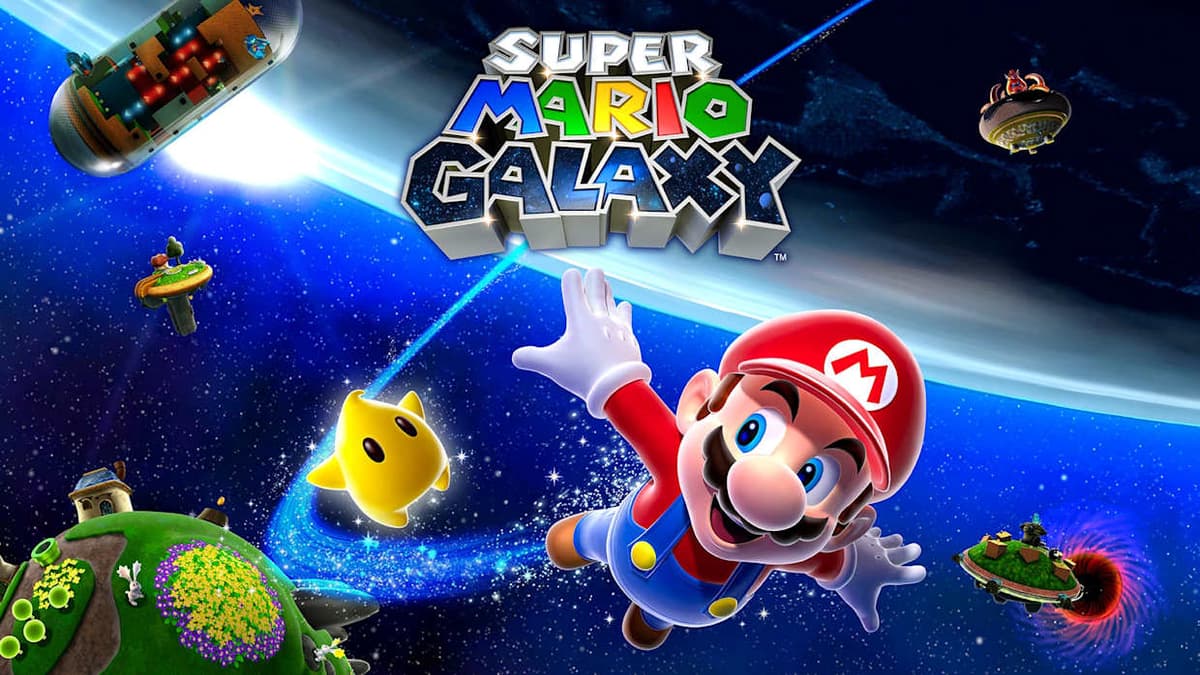
I’ve been waiting years for Galaxy 2 to finally hit modern Nintendo hardware. When 3D All-Stars arrived, only the first Super Mario Galaxy made the cut, leaving Galaxy 2 stranded. On October 2, Nintendo will release both Galaxy titles on Switch and (hopefully day-one) on Switch 2, promising 4K rendering, rock-solid 60 fps, and portable-mode optimizations. As someone who 100%-ed Galaxy and chased every Green Star in Galaxy 2, I’m ready for a cosmic homecoming—but only if these ports respect the original magic and cut the 2007-era cruft.
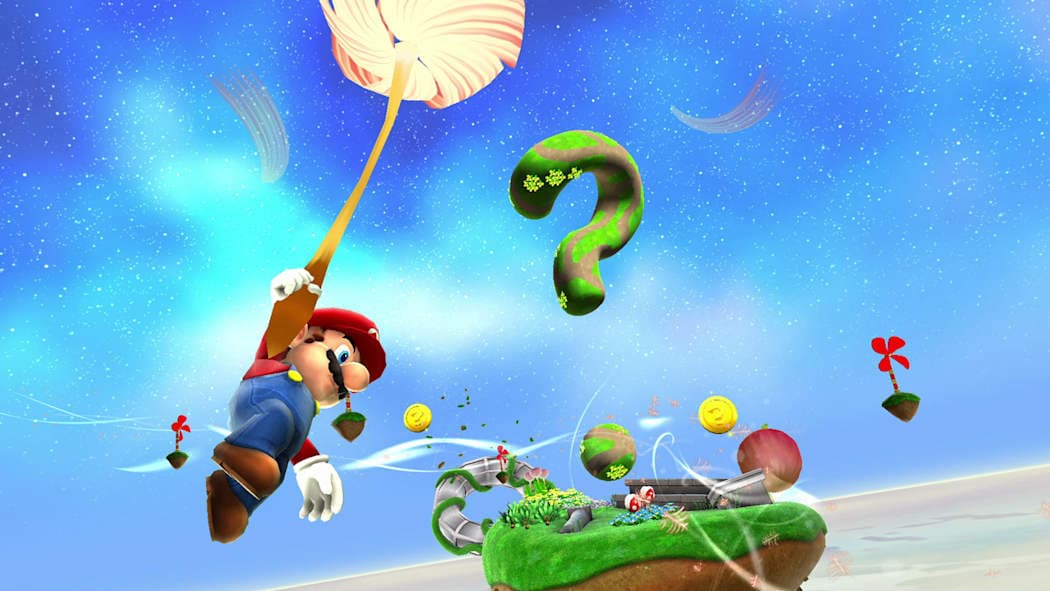
Super Mario Galaxy launched on Wii in 2007 to rapturous acclaim, blending gravity-bending platforming with epic orchestral scores. Galaxy 2 followed in 2010, refining mechanics and adding Yoshi-powered levels that pushed the formula further. When 3D All-Stars arrived in 2020, its omission of Galaxy 2 felt like a glaring gap—like reprinting a classic novel without its sequel. Modern Switch owners have missed out on innovative stages like the bouncy Mocha Floata and the gravity-defying Gusty Garden Galaxy 2. Bringing Galaxy 2 back completes the modern Mario 3D lineup and fills a hole in Nintendo’s library, especially with a new console on the horizon.
On Wii, both Galaxy games ran at 480p/60 fps, relying on art direction over raw power. Nintendo’s notes mention “4K rendering,” a stabilized framerate, and handheld tweaks. Realistically, “4K” is a Switch 2 feature—current Switch hardware tops out at 1080p docked with likely 720p handheld. Improvements in anti-aliasing and texture filtering should surpass the rough edges seen in the 3D All-Stars version of Galaxy 1. More importantly, a locked 60 fps will smooth Mario’s floaty jumps and keep platforming inputs razor-sharp.
The Wii remote’s pointer and shake motions were a double-edged star bit: fun in the living room but clunky on the road. In 3D All-Stars, Nintendo leaned on touchscreen taps and optional gyro aiming, but the spin attack still felt awkward on an analog stick. Here’s what I’d like to see:
If Nintendo nails these controls, handheld play transforms from “workable” to “essential.”
Nintendo’s remaster track record is a mixed bag. Metroid Prime Remastered on Switch set a high bar with modernized textures, reworked controls, and robust accessibility options. In contrast, 3D All-Stars felt like a time capsule with no extras beyond up-rezzed visuals. Galaxy 1 and 2 need the Metroid model: quality-of-life features, optional scanning tutorials (for new players), and a Photo Mode to capture triumphant landings on micro-planets. A “Director’s Commentary” audio track or behind-the-scenes art gallery would be a delightful bonus but isn’t essential.
Nintendo hasn’t confirmed whether Galaxy 1 and 2 ship as a bundle or two separate purchases. Here are three possible scenarios and what they mean for value:
Regardless of SKU strategy, an early digital discount or bundle deal for My Nintendo Platinum Points subscribers would drive day-one adoption. Physical collectors want boxed editions with reversible artwork and perhaps a Star Bit pin or soundtrack voucher.
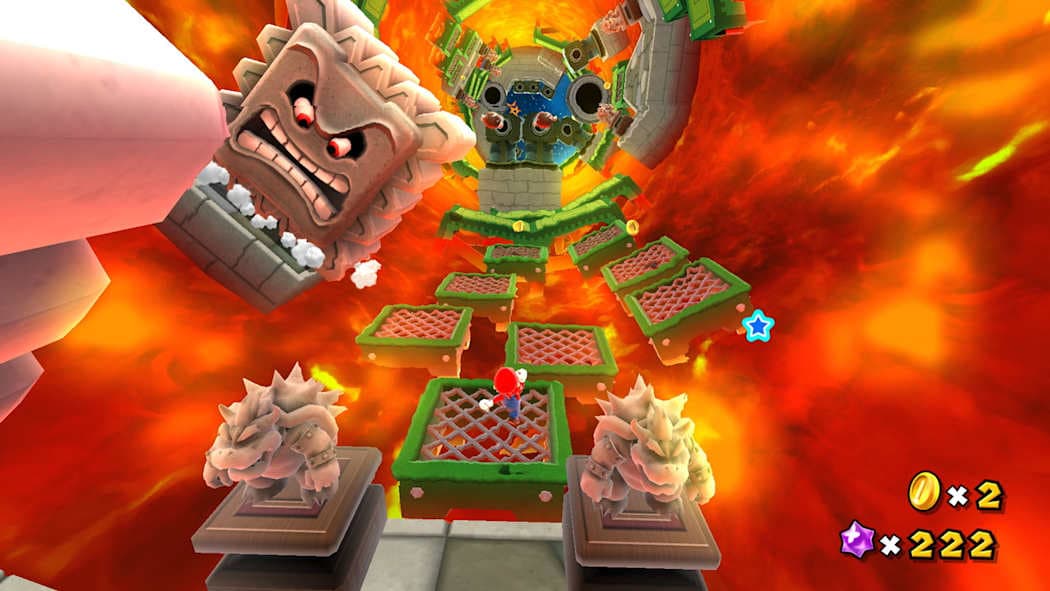
Super Mario Galaxy and Galaxy 2 arriving on Switch platforms could be the definitive way to play two of the greatest 3D platformers ever made—if Nintendo modernizes the controls, livens up the camera options, and prices it fairly. A solid 60 fps, gyro aiming tuned for handheld, and a bundled offer would wipe away any “nostalgia tax” concerns. Without those elements, these ports risk feeling like polished relics rather than living, breathing classics.
Galaxy 1 & 2 on October 2: great news if control schemes are modernized and pricing is bundle-friendly. New players jump in; veterans should buy if spin/gyro options impress. Otherwise, wait for deals.
Get access to exclusive strategies, hidden tips, and pro-level insights that we don't share publicly.
Ultimate Gaming Strategy Guide + Weekly Pro Tips