
Super Meat Boy Goes 3D — Our Gamescom Hands-On Finds Real Potential (and a Few Red Flags)
Game intel
Super Meat Boy 3D
Super Meat Boy 3D is a tough as nails platformer where you play as an animated cube of meat who's trying to save his girlfriend (who happens to be made of band…
Super Meat Boy’s 3D Leap Is Happening – And It’s Not a Gimmick
Team Meat used the Xbox Games Showcase 2025 to drop a surprise: Super Meat Boy 3D is a thing, it’s coming early 2026 to PC, PlayStation 5, and Xbox Series X/S, and it’ll hit Xbox Game Pass on day one. We played a slice at Gamescom, half-expecting a disaster. Instead, the die-and-retry soul of Meat Boy feels intact in three dimensions. It’s fast, it’s mean, and when you clear a nasty setup on your nth attempt, that same fist-pump returns. But there are real questions the demo didn’t answer.
- The 3D transition works thanks to short, punchy levels and instant retries.
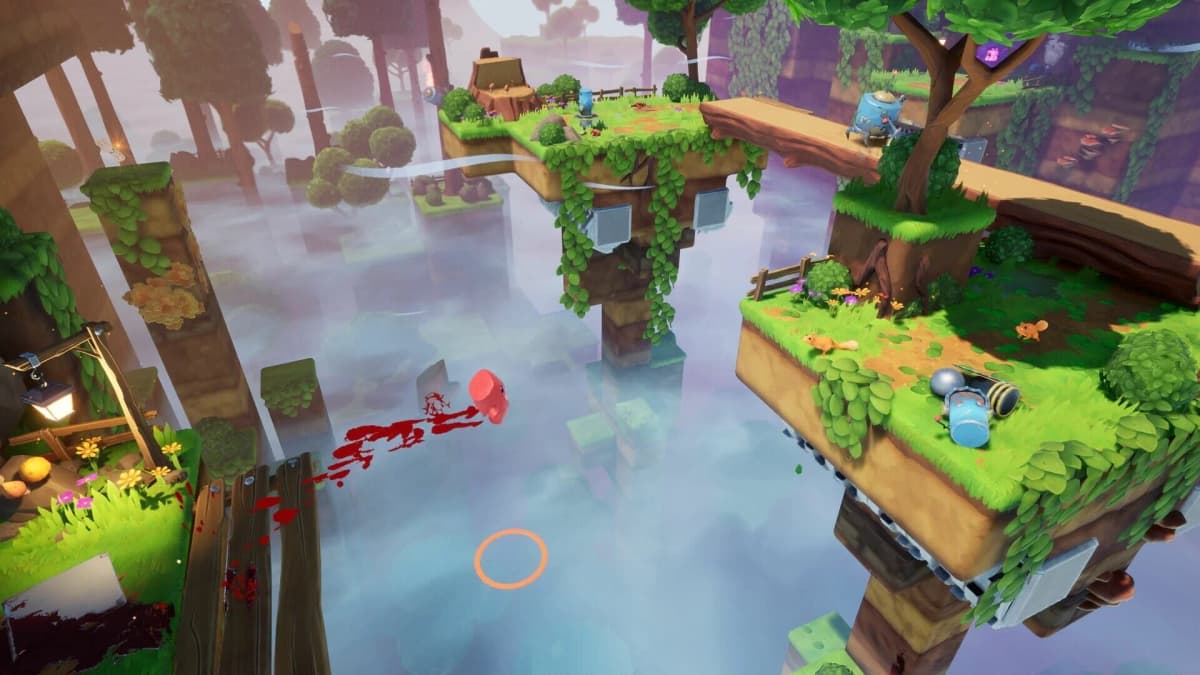
- A fixed camera and an orange landing marker help readability-but may not be enough at full complexity.
- Wall-jumps felt a touch off; tuning will make or break high-skill play and speedruns.
- Dark Worlds and promised boss fights hint at longevity, but variety remains the big unknown.
Breaking Down the Announcement
Here are the hard facts: Super Meat Boy 3D is developed by Team Meat alongside Sluggerfly and published by Headup. Dr. Fetus is back, Bandage Girl is kidnapped (because of course), and the world is now fully modeled in 3D-colorful, chunky, and filled with the usual mechanical malice: saws, lasers, grinders, bear traps, plus roaming enemies. Levels are timed (visible clock up top), pushing optional speed and mastery runs. The Dark World returns for harder variants, and Team Meat says bosses will show up later—we didn’t meet any in the demo.
Does the Meat Boy Formula Survive in 3D?
This is the big question, and it’s why this reveal actually matters. Super Meat Boy’s 2010 magic came from razor-sharp inputs, tiny stages, and instant respawns. Super Meat Boy Forever later bent that into an autorunner and split the fanbase. The Gamescom demo convinced me the team remembers what made the original sing. Levels are short. You die, you blink, you’re back. Hazards are readable at a glance, and the restart pace feeds that “just one more try” spiral in your brain.
That said, precision platforming is simply harder to convey in 3D. Team Meat and Sluggerfly are mitigating that with a fixed camera per level—no fiddly sticks—and an orange indicator that shows where Meat Boy will land. It’s a smart quality-of-life layer for spatial jumps. Even then, our wall-jumps felt a hair mushier than the 2D classic. It’s not broken, just not yet “silky perfect.” For a game built on micro-precision, that’s the difference between a cult classic and a frustrating curio. Input buffering, coyote time, and consistent wall-stick behavior will decide the ceiling for speedrunners.
Readability, Camera, and That Speedrun Itch
The choice to lock the camera is the right call. It frames jumps, keeps silhouettes clean, and avoids the “fighting the camera” trap that kills too many 3D platformers. The landing marker helps too, especially for diagonal leaps and wall transfers. My worry is scale: the demo’s micro-arenas were readable; but as layouts get busier—more enemies, moving hazards, depth-layered platforms—can the fixed camera always give clean information? If the answer’s yes, this could be crack for leaderboard chasers. If not, expect salty clips of unfair angles on social feeds.
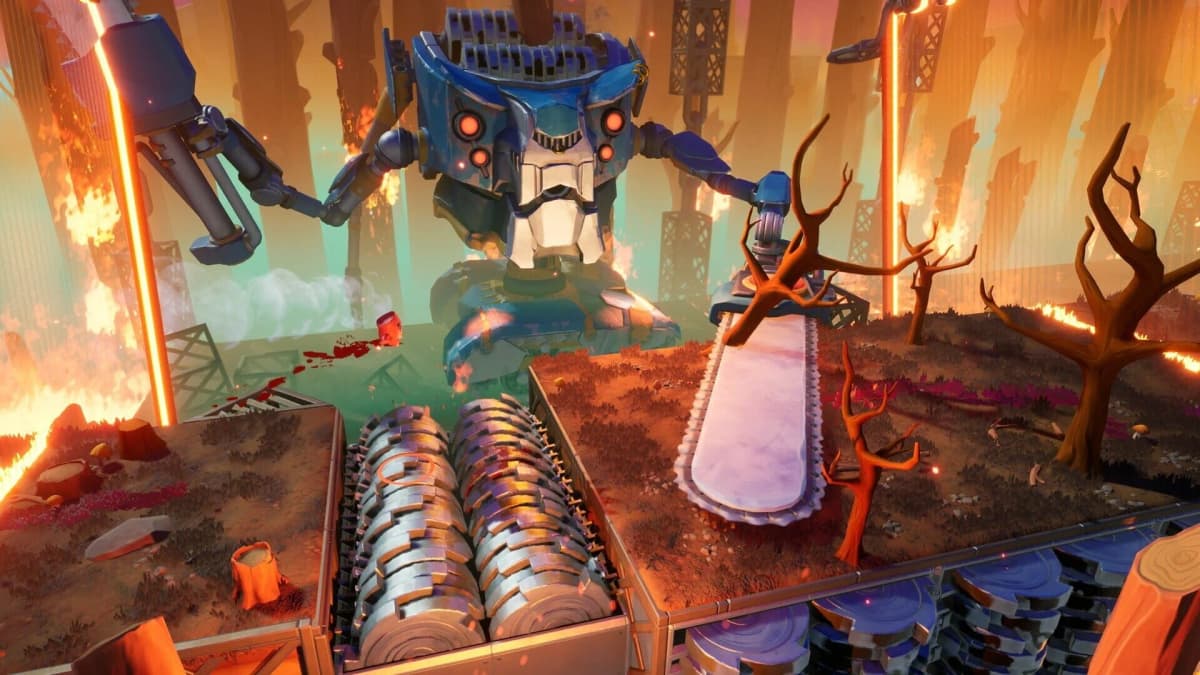
Timer at the top means time attacks are core, not an afterthought. If Team Meat ships robust leaderboards and ghosts (not confirmed), this could pull in the Neon White crowd: short stages, immediate feedback loops, creative route optimizations. Dark Worlds returning is a good sign; that’s where the original’s devious setups truly shined. Bosses are the X-factor—3D bosses can easily devolve into camera cheese, but a few tight arena puzzles would do wonders for pacing.
Why This Move Makes Sense Now
Partnering with Sluggerfly is quietly smart. These are the folks behind Hell Pie and Ben and Ed—messy, mean-spirited 3D platformers with real spatial challenge. Their experience translates to Meat Boy’s kinetic cruelty. Headup publishing fits too; they’ve backed Sluggerfly before and know this flavor of weird. The Game Pass launch is a double-edged saw blade: it guarantees a massive day-one audience (great for a punishing game that thrives on social momentum), but it also means a lot of players will bounce if the first hour isn’t tuned to welcome without watering down.
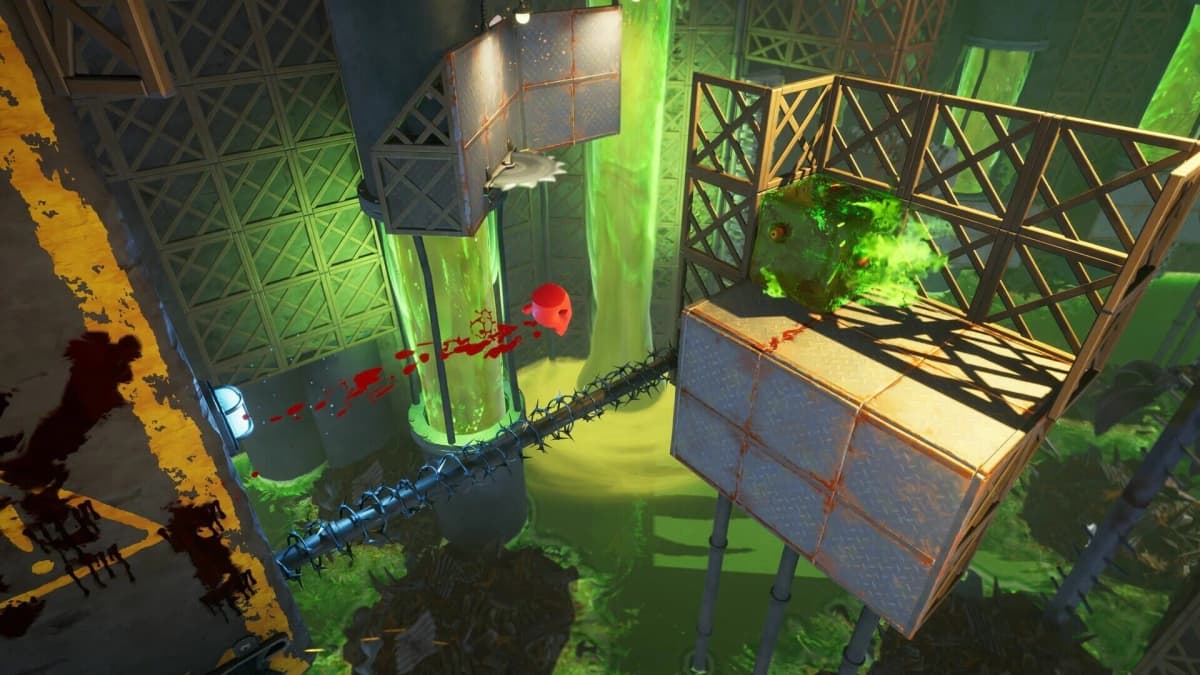
Crucially, this isn’t chasing the open-world trend or slapping on crafting fluff. It’s still pure, high-clarity platforming—just with another axis to master. That caught my attention because the genre needs more confident, contained games that respect your time and your skill curve. If Team Meat nails the feel, this could be the redemption arc after Forever’s divisive pivot.
What Gamers Should Watch For Before 2026
- Movement tuning: Do wall-jumps and mid-air control feel 100% consistent across all levels?
- Readability at scale: Does the fixed camera keep complex stages clean and fair?
- Content variety: How wild do Dark Worlds get, and do bosses add meaningful pacing?
- Community hooks: Leaderboards, ghosts, and speedrun-friendly options would extend the life.
TL;DR
Super Meat Boy 3D surprised me: the die-and-retry core works in 3D, and the demo felt genuinely fun. But the genre lives and dies on feel and clarity, and both need to survive beyond a 20-minute slice. If Team Meat and Sluggerfly tighten movement and keep the camera honest, early 2026 could deliver the comeback Meat Boy fans have waited for—day one on Game Pass doesn’t hurt either.