
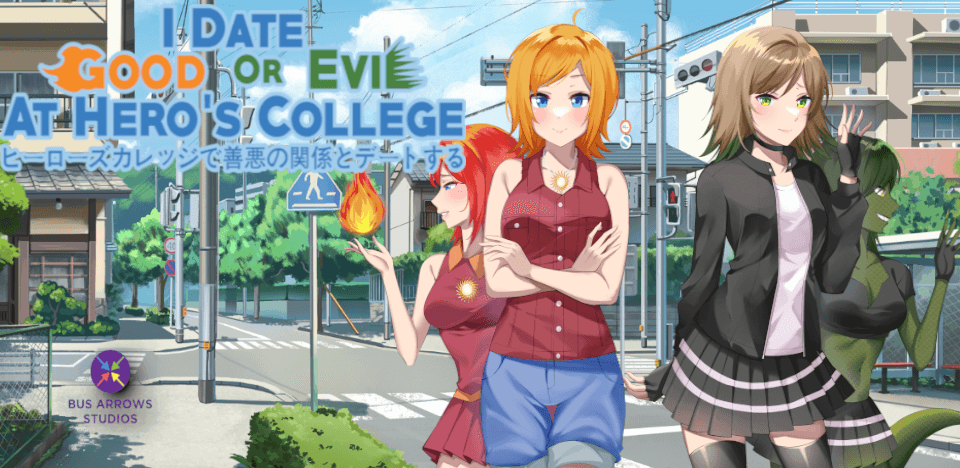
Superhero Rom-Com VN ‘I Date Good or Evil at Hero’s College’ Relaunches Kickstarter
Game intel
I Date Good or Evil at Hero’s College
Why This Caught My Eye
I have a soft spot for visual novels that lean into a weirdly specific premise, and “date the hero or the villain” is exactly the kind of chaotic energy that works when the writing lands. Bus Arrows Studios has relaunched the Kickstarter for I Date Good or Evil at Hero’s College, a romantic comedy VN from director Jaygee about a studious freshman, Lloyd Richardson, who gets pulled into college drama with capes and secret identities. The hook is clean, the demo is substantial, and the campaign is already funded-though there’s more to unpack before you smash that pledge button.
Key Takeaways
- A free demo claims over two hours of play-good sign the core tone and pacing are already testable.
- At ~70,000 words with four endings, expect a mid-length VN; depth will hinge on route variety and replay value.
- OC cameo tiers are fun community bait but can create scope creep if not tightly managed.
- The target window (winter 2026/27) is far out and the current funding is modest-back for the demo you enjoy today, not promises two years away.
Breaking Down the Announcement
The pitch blends slice-of-life campus vibes with superhero intrigue. You play Lloyd at Coundon City College—basically “freshman orientation, but someone can level a city block.” Two leads define the romance routes: Flarebay (Hayley Bright), a bona fide heroine, and GreenClaw (Gracie), a conflicted villain. That hero/villain split isn’t just branding; it’s the moral axis the story is built on, and the success of that dynamic comes down to whether your choices actually push tone and consequence in different directions or if it’s just different CGs at the final curtain.
On paper, the content slate is solid for an indie VN: ~70k words, four confirmed endings, seven CGs already in the demo with more planned, and a soundtrack boasting 20+ original tracks. The demo length (over two hours) suggests the team isn’t trying to sell a vibe with a ten-minute teaser—they want you to feel the rhythm of the banter and see how the superhero bits collide with college deadlines.
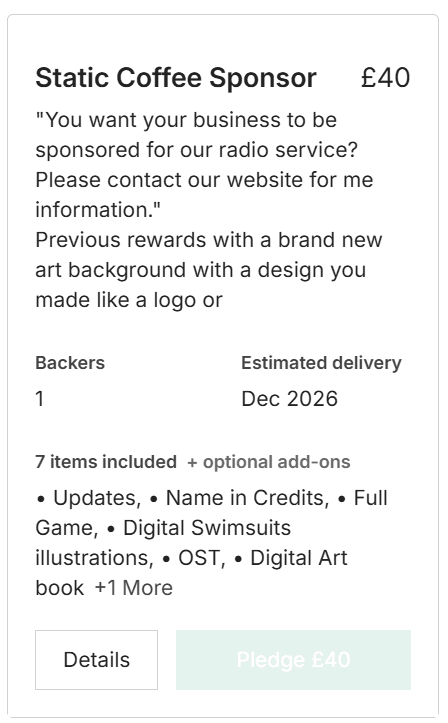
About the Kickstarter itself: the relaunch is “funded” at $1,050 with 45 backers and 27 days to go at time of announcement. Reward tiers range from simple credits to artbook and OST, up to premium offerings like a two-sided dakimakura featuring Hayley and Gracie. Higher tiers let backers insert an original character into the world (cameos with voice lines) or even headline a dedicated chapter. That last part will get fans buzzing—and developers sweating—because custom content is notoriously hard to schedule without disrupting the main routes.
The Real Story Behind the Relaunch
Visual novel Kickstarters live and die by scope discipline. The features listed here are attractive, but every promise has a production tail: CGs require composition, revisions, and QA; music needs mixing and integration; and voice work (even limited lines for OCs) multiplies coordination, pickups, and budget. The more bespoke backer content you add, the more edge cases you create for scripting and testing.
That’s why the 2026/27 window is both sensible and a red flag. Sensible because a small studio with ambitions should give itself time; a red flag because the current funding is modest for a two-year runway. That gap usually gets filled by developer sweat equity, part-time scheduling, or future revenue—but it can also mean delays. If you’ve been around the VN scene, you’ve seen this movie before: cameo tiers are great community glue, but they’re also magnets for scope creep. I’m glad the team is relaunching with a fuller demo to build trust—that’s the right move.
One more note on merch: dakimakura and physical add-ons are catnip for collectors, but they’re also shipping, manufacturing, and logistics headaches. If Bus Arrows keeps quantities tight and communicates timelines, cool. If not, physicals can eat time better spent finishing scenes and editing scripts. I’d love to see a clear production roadmap and monthly milestone updates to keep expectations realistic.
Want to Level Up Your Gaming?
Get access to exclusive strategies, hidden tips, and pro-level insights that we don't share publicly.
Ultimate Gaming Strategy Guide + Weekly Pro Tips
What Gamers Need to Know
Forget buzzwords—here’s what matters when you try the demo. First, the writing: does the comedic timing land, and do Flarebay and GreenClaw feel like distinct worldviews rather than palette swaps? Second, reactivity: do your choices nudge the narrative tone, or are you simply selecting which CG you unlock? With 70k words total, a single route probably runs in the 3-5 hour range; the value comes from meaningful branches and clean replay flow (fast text skip, clear choice flags, and accessible route tracking).
Art direction is another big tell. Seven demo CGs imply the team is prioritizing pivotal scenes. Check consistency across sprites, expressions, and backgrounds; if that holds up, it’s a good sign the pipeline is stable. As for audio, 20+ tracks is ambitious—what you want is leitmotifs that reinforce character beats, not a playlist that resets every scene change. The campaign mentions voice acting for certain backer content; unless stated otherwise, don’t assume full voiceover. Partial VO can work well if it’s used strategically (stingers on emotional peaks, route-defining lines, etc.).
Lastly, inclusivity and accessibility. The pitch centers a male protagonist with routes focused on two women, which is fine if that’s the creative intent—but players will ask about additional romance options, content warnings, and QoL features (rollback, adjustable text speed, colorblind-friendly UI, and save-anywhere). If those are on the roadmap, say so early. It saves headaches later.
Looking Ahead
This relaunch feels like a team that knows its audience: superhero rom-com energy, clean moral contrast, and a demo that lets the writing speak. The risk factors are the usual suspects—ambitious rewards, long timeline, small budget—but none of that is fatal if scope stays disciplined and updates stay honest. If the demo sells you on Lloyd’s fish-out-of-water charm and the chemistry between Flarebay and GreenClaw, consider a digital tier and keep expectations grounded. If you’re eyeing OC cameos or physicals, just go in knowing those are the slowest parts of any Kickstarter to fulfill.
TL;DR
I Date Good or Evil at Hero’s College relaunches with a meaty demo, a clear hero/villain romance hook, and a far-off 2026/27 target. There’s plenty to like, but the cameo-heavy rewards and long runway demand tight scope control—back for the demo you enjoy today, and watch how the team handles updates tomorrow.