
Superman’s Messy Video Game Legacy—and the Few Times it Actually Worked
Superman’s Video Game Problem-and Why It Still Matters
This caught my attention because every time a studio whispers “Superman,” my timeline goes feral. Batman’s had the Arkham crown for a decade, Spider-Man’s swinging high with Insomniac, but the Man of Steel? He’s still searching for his definitive game. And yeah, we all remember Superman 64 for the wrong reasons. But buried under the memes are a handful of genuinely interesting takes that show why Superman is so hard-and how a modern game could finally get him right.
- Superman is tough to design because he’s invulnerable; you have to move the health bar from the hero to the world.
- When devs lean into authenticity (Shadow of Apokolips) or strong narrative framing (Injustice 2), the character works.
- Open-world flight and rescue systems, not just combat, are the secret sauce.
- We’ve seen promising experiments, but no “Arkham moment” yet-mostly because stakes and systems rarely match Superman’s power.
Breaking Down the Standouts
Injustice 2: Great Game, Polarising Superman
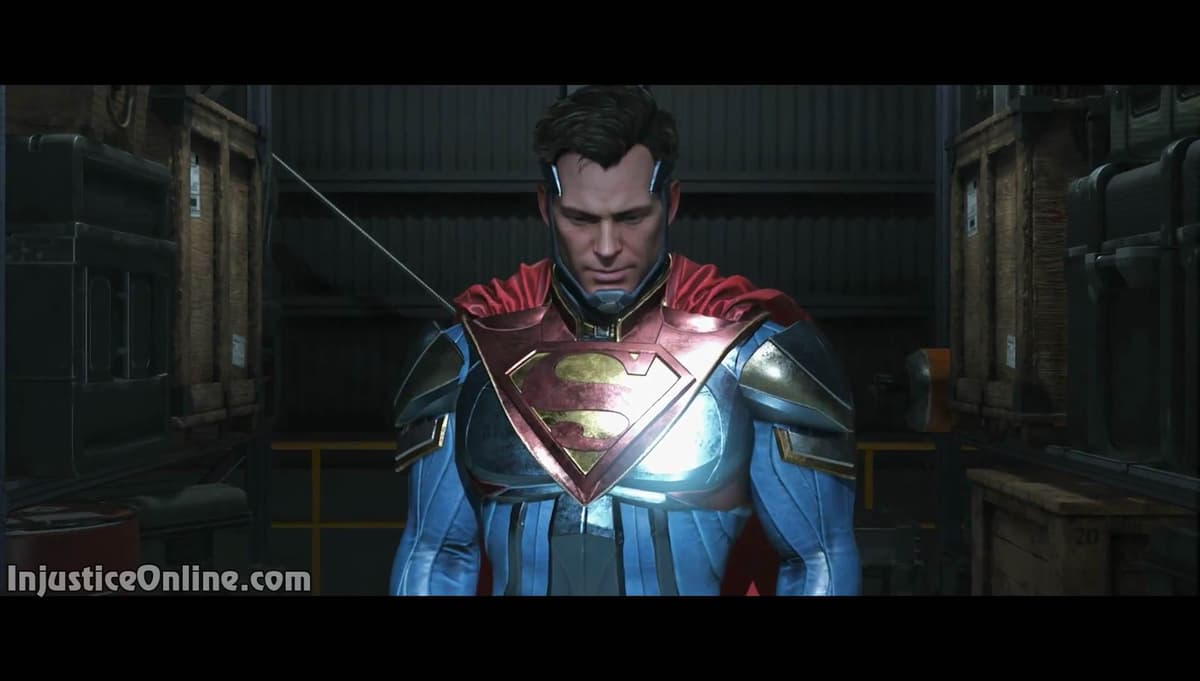
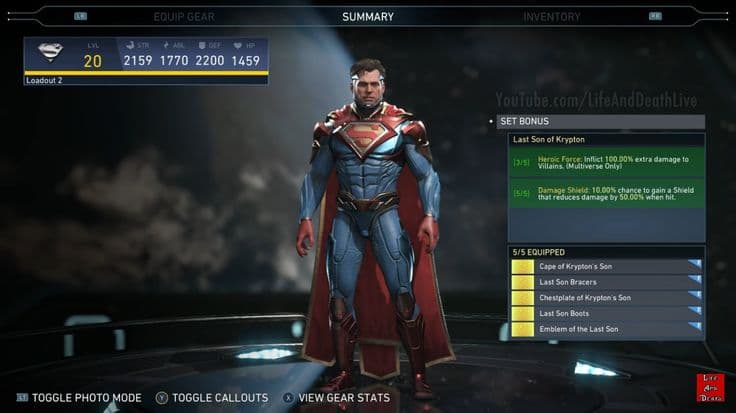
NetherRealm’s Injustice 2 might be the best modern use of Superman in mainstream gaming, even if it’s not a Superman game. The alternate-universe setup—where a broken Superman turns authoritarian—lets the writers bend the mythos without breaking it. We praised the campaign at the time because it felt like a top-tier Justice League arc, backed by accessible, sharp fighting mechanics. Critics agreed: it sits pretty at 87/100 on Metacritic and we scored it highly ourselves. The catch? Evil Superman still rubs classic fans the wrong way. It’s compelling drama, but it also sidesteps the core design challenge: making prime, idealistic Superman fun to play without neutering him. Still, as a blueprint for storytelling and onboarding players, it’s near the top of the DC pile.
Superman Returns: The City Is the Health Bar
EA Tiburon’s 2006 tie-in did something bold: Superman is invulnerable, and Metropolis takes damage instead. On paper, that’s perfect—finally a mechanic that aligns with the character. You fly freely across an open city, racing to prevent collateral damage rather than micromanaging your own HP. The execution? Uneven. Repetition set in, mission variety lagged, and the spectacle rarely matched Supes-level stakes. Our scores back then landed in the 5-6/20 range depending on platform. But the design idea—shifting fail states from the hero to the world—is still one of the smartest stabs at “How do you make Superman challenging?” If a modern studio revisited this with systemic disasters, simulated civilians, and meaningful rescue triage, we’d be talking.
Superman: Shadow of Apokolips: Authenticity First
Released in 2002 on GameCube and PS2, Shadow of Apokolips gets kudos for nailing the vibe. Its cel-shaded look mirrors Superman: The Animated Series, and Tim Daly’s return as the voice of Clark/Supes gives it instant credibility. What won fans over wasn’t raw spectacle but the feeling that you were actually Superman—faster, stronger, and moving through larger, more open levels that make use of flight and power combos. It had early-2000s jank (camera quirks, repetition), but it respected the character in a way most licensed games didn’t. For a lot of people, this is still the gold standard for an “authentic” Superman experience.
Other Worthwhile Stops on the Flight Path
Two more games deserve mention if you’re chasing different flavours of Superman. The Death and Return of Superman (1994, SNES/Mega Drive) is a colourful, satisfying side-scrolling brawler that lets you swap between Superboy, Cyborg Superman, Steel, and The Eradicator. It doesn’t reinvent the genre, but it’s responsive, occasionally spices things up with shoot ’em up segments, and hits the comic beats. No co-op hurts, but it’s still a solid retro session. Then there’s Justice League Heroes (2006), an action-RPG that doubles down on power fantasy across the roster. In co-op especially, Superman’s heat vision, super-breath, and raw strength feel great, and some of his missions outshine older solo attempts. It’s basically a DC-flavoured hack ’n’ slash that gets the tone right.
And yeah, even Lego Batman 2: DC Super Heroes sneaks in a relevant milestone: an early taste of open-world flight. Soaring over Gotham to John Williams’ theme is a reminder that traversal is half the Superman dream. It’s simple compared to modern sandboxes, but it absolutely sells the fantasy.
Why Superman Still Hasn’t Had His Arkham Moment
Designing Batman is easy: fragile body, strong gadgets, sneaky systems. Designing Superman is a juggling act: god-tier power, moral constraints, and civilian safety. If you nerf him, fans revolt. If you don’t, stakes evaporate. The smartest attempts (Superman Returns, Shadow of Apokolips) either move the failure state to the world or build authenticity through presentation. The best narrative attempt (Injustice 2) solves tension by changing who Superman is. None of these hit the all-systems masterpiece we’re still waiting for.
Want to Level Up Your Gaming?
Get access to exclusive strategies, hidden tips, and pro-level insights that we don't share publicly.
Ultimate Gaming Strategy Guide + Weekly Pro Tips
What a Great Modern Superman Game Would Actually Do
- Make Metropolis the protagonist. Simulate crowds, traffic, and cascading disasters so your choices matter more than your hit points.
- Traversal first. Give us speed you can feel—sonic booms, high-altitude turns, heat haze—and a reason to slow down: scanning, listening, triage.
- Combat as problem-solving. Heat vision to weld, freeze breath to stabilize, super-speed for synchronized rescues. Fewer bosses, smarter scenarios.
- Accountability systems. Collateral damage, reaction from the city, media, and the League—your performance changes the world.
- Story that celebrates hope. No need to go grimdark. Pressure and compassion can create stakes without stripping the cape of what it stands for.
We’ve already seen pieces of this in other games: Spider-Man’s fluid traversal and emergent crimes, Arkham’s systemic stealth loops, even sim-adjacent city responsiveness in action-RPGs. Stitch those ideas together with Superman’s power set, and you’ve got something that finally respects both the fantasy and the responsibility of being the hero who hears every cry for help.
TL;DR
Superman’s gaming legacy is messy but not hopeless. Injustice 2 nails story framing, Shadow of Apokolips nails authenticity, and Superman Returns had one brilliant idea: the city is the health bar. The blueprint is there—now someone just needs to build Metropolis and let us truly save it.