
This caught my attention because Nintendo’s launches have historically been momentum machines – yet the Switch 2’s holiday numbers read like a grown-up sequel: big launch, quieter follow-up, and a lot riding on future software and pricing. Analysts IGN spoke to say that’s mostly normal, but there are real risks that could make the Switch 2 a slower seller than its predecessor.
Switch 2 Could Fail To Sell – Weak Holiday, Stronger 2026, but Tariffs & Pricing Matter
- Early slowdown was expected after a record launch and no Mario/Zelda-level exclusive to power holiday buys.
- Shipments in 2025 may still top the original Switch’s comparable window, but initial sales won’t match the runaway 2017 momentum.
- Macroeconomic pressure and potential tariff-driven price increases are the biggest existential threats to demand.
- 2026 exclusives look strong; a steady pipeline could push upgrades later, making this a long-game platform.
{{INFO_TABLE_START}}
Publisher|Nintendo
Release Date|June 2025 (launch)
Category|Console hardware
Platform|Nintendo Switch 2
{{INFO_TABLE_END}}
The core takeaway from IGN’s interviews with multiple analysts – including Ampere Analysis’s Piers Harding-Rolls — is simple: a post-launch dip for a console that already benefited from huge anticipation is not a catastrophe, it’s a pattern. Harding-Rolls points out the obvious contrast: the original Switch launched into a weak Wii U generation and later enjoyed a COVID-era boom that amplified its sales. The Switch 2, by contrast, arrived with high baseline demand and a less fertile hype environment.
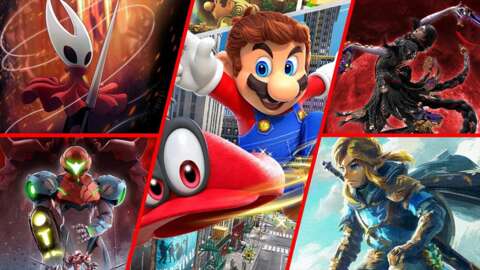
There’s a concrete product reason for the softer holiday: Nintendo didn’t have a Mario or Zelda to drive impulse holiday upgrades. Metroid Prime 4: Beyond is solid and earned respectable reviews, but it’s not the same gravitational pull as a flagship Mario or Zelda drop on Black Friday weekend. Analysts told IGN that blockbuster exclusives still move hardware in ways middling-but-good titles don’t.
That said, numbers aren’t as dire as headlines might suggest. Several analysts believe Switch 2 shipments in 2025 should outperform the original Switch’s 2017 shipments over a comparable (shorter) window — partly because the Switch 2 launched in June 2025 versus March 2017. But outperforming on a compressed timeline is different from matching the long-term cultural momentum the original built through successive hit exclusives and pandemic-era tailwinds.
Where things get sticky is price. The report flags the Trump administration’s tariff moves as a real wild card. Tariffs could force Nintendo to raise console MSRP, increase game and accessory prices, or even nudge up subscription fees to protect margins. Combine that with squeezed household budgets, and you have a scenario where consumers delay upgrades — particularly when a lot of new games still run on the original Switch.
My read as a long-time observer of Nintendo: this is a classic Nintendo launch arc stretched across a different economic climate. The hardware looks competitive; software will be the deciding factor. If 2026 delivers consistent, high-profile exclusives — and Nintendo avoids adding sticker shock — the Switch 2 can still reach or exceed the original Switch’s lifetime trajectory. If tariffs bite and prices climb, however, some buyers will simply wait.

What this means for you
- If you own an original Switch and are price-sensitive: wait. A fuller 2026 exclusive slate and potential price corrections (or bundles) will give you better value.
- If you want the latest tech now and can tolerate higher prices: the hardware and future software roadmap look promising — but expect a longer soft-launch period.
- Watch tariffs and MSRP announcements closely; they’ll change the calculus more than holiday sales snapshots.
TL;DR — The Switch 2’s quieter holiday was predictable: launch hype was already front-loaded, and no Mario/Zelda-level game showed up to sustain holiday frenzy. Shipments may still look strong versus the original on a compressed timeline, but tariffs, higher prices, and weaker household purchasing power make early sales a fragile victory. The real test is 2026, when exclusives and pricing strategy will determine whether Switch 2 becomes a gradual winner or a slower seller than its legendary predecessor.
FinalBoss // Gear
Level up your setup
01Best-selling Switch 2 gameson Amazon→02Switch 2 accessorieson Amazon→038BitDo controllerson Amazon→04Discounted game keyson Kinguin→Affiliate links · As an Amazon Associate, FinalBoss earns from qualifying purchases.