As someone who’s tracked Nintendo hardware since the GameCube, I still had to pinch myself when I saw the Switch 2 rack up 1.6 million sales in the US during its first month. It’s not just a headline-grabbing figure—it raises real questions for everyday gamers: is this the moment to pull the trigger, or should you wait and see how the library and support evolve?

Is Nintendo Switch 2’s Blockbuster Launch Worth the Hype?
Game intel
Nintendo Switch 2
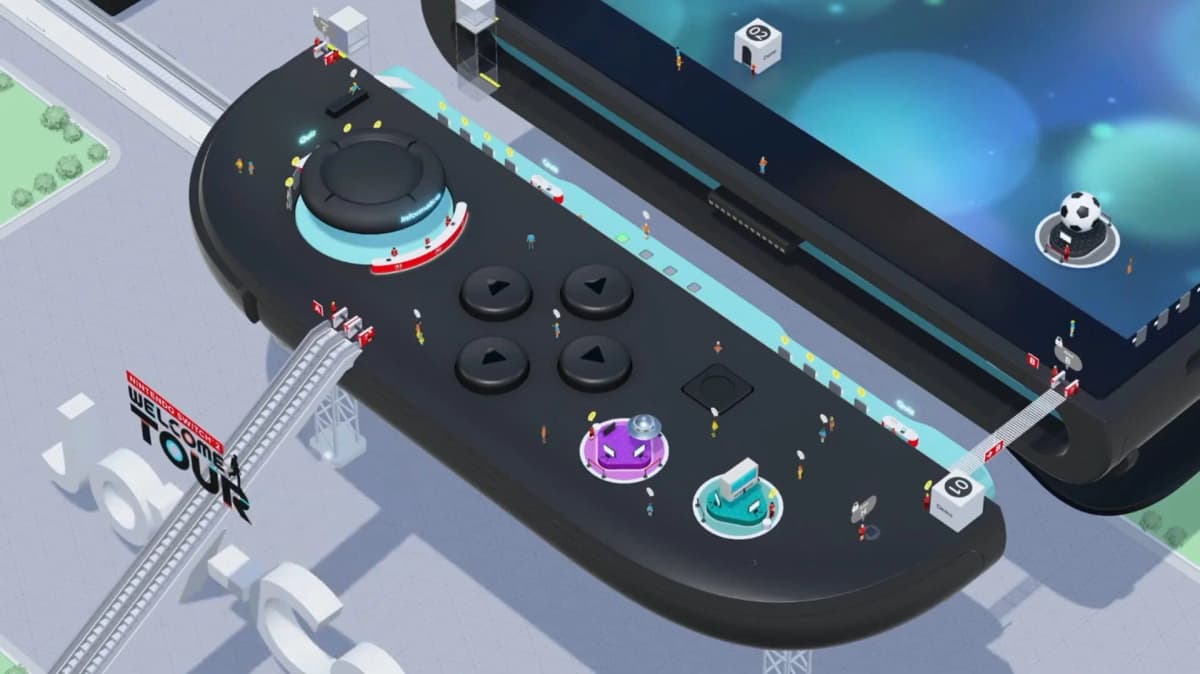
Enter a virtual exhibition and gain insights into what makes Nintendo Switch 2 such a unique gaming experience. Through tech demos, minigames and other interac…
Genre: ArcadeRelease: 6/5/2025
Nintendo’s Switch 2 racked up 1.6 million US sales in its first month. Explore supply chain wins, software lineups, and whether you should buy now or wait.
Advertisement
The Numbers That Stunned a Veteran
Drawing a bead on Nintendo’s hardware history, I’ve witnessed big launches before. But 1.6 million units in the US in June 2025? That eclipses the original Switch’s debut by a wide margin. On the global stage, 3.5 million consoles moved in just four days—outpacing the PS5’s 3.4 million in its entire first month. Even in the UK, Switch 2 became Nintendo’s fastest-opening console ever, ranking among the top four console launches by unit sales.
Global Context: Beyond the US Numbers
These stats underscore Nintendo’s renewed momentum worldwide. In April 2025, Switch 2 widened its lead over the PS5 by roughly half a million units in a single month. On a 54-month timeline, the original Switch sold 89.9 million units, outstripping the PS5’s 75.6 million over the same span. With Switch 2’s outstanding start, analysts anticipate Nintendo could further extend its advantage by year’s end—if the momentum sticks and third parties remain committed.
Why Supply Chains and Software Matter
Years of stock shortages taught Nintendo a lesson: build supply resilience. Improved logistics—from expanded partnerships with Foxconn and other contract manufacturers to more agile shipping routes—meant more consoles on shelves day one. But hardware alone isn’t enough. Nintendo also leaned on a major launch title—Mario Kart World—to drive urgency. A strong day-one game helps justify the purchase for families and impulse buyers alike.
Still, PS5’s broader software library remains a potent counterweight, especially for mature third-party titles. Where Nintendo excels in local multiplayer and exclusive franchises, Sony delivers raw horsepower and blockbuster multiplatform releases. Keeping production humming while delivering fresh, must-play games will define Switch 2’s staying power.
FinalBoss // Gear
Level up your setup
01Best-selling Switch 2 gameson Amazon→02Switch 2 accessorieson Amazon→038BitDo controllerson Amazon→04Discounted game keyson Kinguin→Affiliate links · As an Amazon Associate, FinalBoss earns from qualifying purchases.
What Early Buyers Gain—and Risk
For anyone who jumps in right now, the perks are real. Retailers are bundling Pro Controllers, carrying cases and eShop credits to sweeten the deal. Accessory makers report spikes in add-on sales, and the eShop is already seeing a bump in DLC and classic game downloads. Yet industry veteran Mat Piscatella cautions, “It’s a hell of a start, but history shows early spikes can fade without sustained software support.”
Casual gamers might stick around for party and family-friendly racers, but core players will judge Nintendo on its year-two and year-three release slate. Early adopters should be prepared for potential teething issues—stock hiccups, fragile Joy-Con drift concerns and the premium price tag on day-one bundles.
Game Library and Developer Ecosystem
One key question: will third-party and indie studios continue to invest in Switch 2? Early announcements suggest a robust pipeline of both first-party exclusives and multiplatform releases optimized for the new hardware. From mysterious new entries in beloved Nintendo series to indie gems promising creative gameplay, the calendar looks full—but commitments must turn into actual launch dates.
Nintendo must avoid another Wii U scenario—where hardware sales soared but developer enthusiasm waned. Subscription services like Nintendo Switch Online, which bundles classic titles and online play, could also tip the scales if Nintendo expands perks—think cloud saves, early-access demos and bonus retro game drops for Switch 2 owners.
Comparing to the PS5—and What Comes Next
Sony’s PS5 remains a formidable rival, especially in markets like the US where its head start and loyal fanbase are strong. Industry projections still favor the PS5 as the year’s top seller in the US, despite Switch 2’s blockbuster launch. For gamers who prize raw horsepower, multimedia features and seamless cross-platform play, the PS5 holds appeal.
But for those craving portability, local couch co-op and Nintendo exclusives, Switch 2 has carved out a compelling niche. Looking ahead, Microsoft’s next moves and the arrival of new streaming services could shake up the playing field—yet Nintendo’s unique blend of hardware and first-party magic gives it a distinct edge.