
The Switch 2 isn’t a minor refresh – it’s a clear generational leap that changes what a Nintendo handheld can do. That also means the decision in 2026 isn’t just “new or old,” it’s “future-proof now or save for later.” Screens, GPU features, native storage and exclusives push a strong case for upgrading, but battery quirks, the lack of OLED, and a steeper price (with real risk of inflation) keep the older OLED model as the smarter buy for many players.
Table of Contents (6)
Key takeaways
- Hardware: 7.9″ 1080p/120Hz LCD, Tegra T239 (ray tracing, DLSS), 256GB UFS 3.1 and 4K dock make Switch 2 the only Nintendo machine in 2026 that truly competes with modern ports and PC-level tricks.
- Games: Retrocompatibility keeps your library intact, but several major titles and upgrades are Switch 2‑exclusive or get paid upgrades – the new console unlocks the next wave of Nintendo-first experiences.
- Value: If you want the newest Nintendo games at their best, Switch 2 is the right buy. If you play mostly legacy Switch titles or care more about OLED contrast than future exclusives, the Switch OLED still makes sense.
- Risk: higher launch price, potential RAM-driven cost pressure in 2026, and supply shortages mean the Switch 2 can get more expensive – patience or a deal hunt will pay off for budget buyers.
Price vs. performance: when the numbers matter
The Switch 2’s spec sheet is the rare Nintendo upgrade that reads like a PC refresh: 1080p handheld, 120Hz, a Tegra T239 with DLSS and ray tracing, and a real 256GB of UFS 3.1 storage. That isn’t marketing fluff — it changes how developers build for the platform. Expect native 60fps or stable 120Hz modes more often, cleaner upscales on docked TV mode, and features that older Switch hardware simply can’t replicate.
But there’s a cost. Nintendo chose a high-end starting price, and the global RAM squeeze (reported in industry coverage) means consoles are vulnerable to further hikes. If your playstyle is “replay Breath of the Wild and Mario Kart with friends,” that raw power is overkill. If you want the best-looking, best-performing versions of upcoming first-party and third-party ports, it’s worth it.
Games are the tether — exclusivity and upgrades matter more than specs
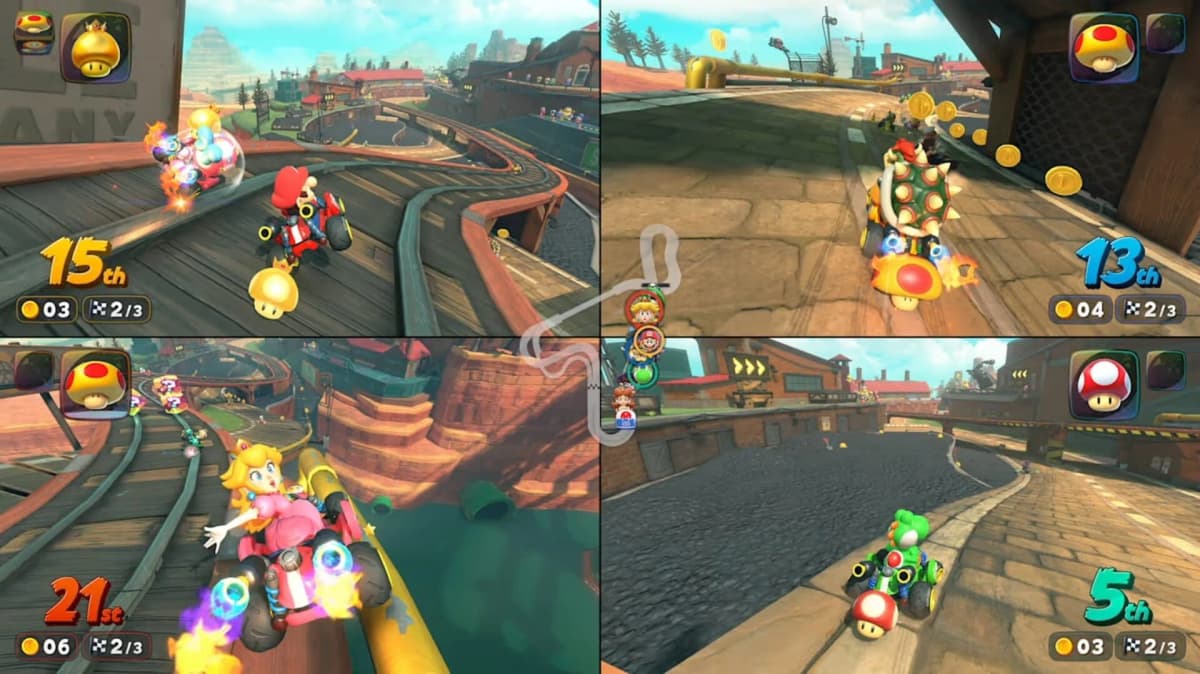
Backward compatibility is Nintendo’s safety net: your existing library runs on Switch 2, sometimes with meaningful upgrades. That’s the selling point — you don’t lose anything by moving up. What you do gain is access to true next-gen Nintendo exclusives and more ambitious third‑party ports. Examples from the early Switch 2 era show this pattern: Xenoblade X got a 60fps/4K-boosted Switch 2 edition (a small paid update), and third‑party teams are already shipping patches that squeeze more out of the new silicon.
But exclusives and paid “pro” upgrades tilt the conversation toward long-term cost. If Nintendo treats more remasters and upgrades as paid upgrades, the console’s ROI becomes not just hardware price but ongoing purchases. That’s fine if you want the latest versions; it’s less fine if you expected a one-time upgrade to cover a decade’s worth of releases.
The stuff Nintendo didn’t sell onstage
There are practical trade-offs. Battery life isn’t dramatically better despite a larger cell; in some cases it’s shorter. Nintendo returned to an LCD panel instead of OLED — higher brightness and 120Hz are great, but OLED contrast fans lose out. Joy‑Con attach and feel have improved with magnets and a bigger shell, but Nintendo didn’t promise drift-free controllers forever — that problem could return in new form. And while internal storage is generous now, big Switch 2-optimized downloads mean you’ll still want a fast microSD eventually.
What to watch next
- Nintendo’s pricing in the next two quarterly reports — any mention of component-driven increases (RAM shortages) will matter for mid-2026 price stability.
- Patches and upgrade policies: watch whether major remasters and ports are free upgrades or paid — Xenoblade’s paid enhancement set an early precedent.
- Availability and bundle discounts around holiday 2026 — if supply eases, the OLED will drop in price and the Switch 2 may get bundles that change the value equation.
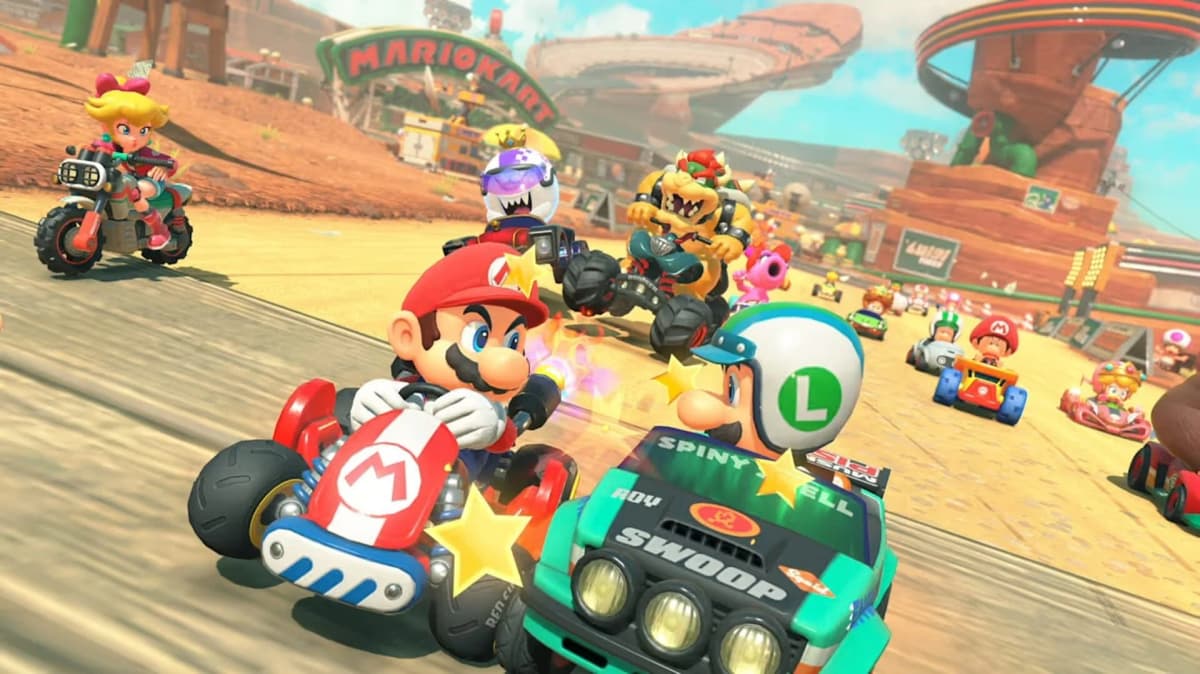
- True exclusive releases (Mario Kart World, marquee first‑party exclusives) and how much they leverage Switch 2 features; that will decide how “must‑have” the console really is.
If you want a single question to sum it up: do you value the newest Nintendo experiences and better third‑party ports enough to pay a premium now? If yes, buy the Switch 2. If not, the OLED stays the clever middle ground — far cheaper, familiar, and perfectly fine for most of the library.
TL;DR
Switch 2 is the best Nintendo console in 2026 on technical and software terms — it future‑proofs access to new Nintendo and third‑party experiences. The catch: higher price, possible component-driven inflation, and a few practical compromises (no OLED, middling battery gains). If you want the definitive Nintendo experience, buy Switch 2; if you’re value‑conscious and happy with the existing library, stick with or buy a Switch OLED for now.
FinalBoss // Gear
Level up your setup
01Best-selling Switch 2 gameson Amazon→02Switch 2 accessorieson Amazon→038BitDo controllerson Amazon→04Discounted game keyson Kinguin→Affiliate links · As an Amazon Associate, FinalBoss earns from qualifying purchases.
Want to Level Up Your Gaming?
Get access to exclusive strategies, hidden tips, and pro-level insights that we don't share publicly.
Ultimate Gaming Strategy Guide + Weekly Pro Tips