
Table of Contents (11)
Why these 10 made the cut
The short answer is still useful here: if you want the best metroidvania games Switch and Switch 2 players should prioritize in 2026, start with Hollow Knight, keep Ori and the Will of the Wisps and Prince of Persia: The Lost Crown very close behind, and build outward from there based on what kind of friction you enjoy. This ranking favors games that actually reward backtracking, use movement upgrades in meaningful ways, and stay fun once the map opens up. A gorgeous game with weak navigation, flat combat, or fake exploration did not make the cut.
It also matters that the Switch 2 conversation is still mostly cross-generation. There is not yet a deep, settled stack of Switch 2-native Metroidvanias that has pushed the older essentials aside. So this is not a “new hardware only” list. It is a practical one: the 10 games most worth your time on Switch and Switch 2 right now, with a bias toward pure-genre picks and a few hybrids that are too good to ignore. A couple of notable names just missed. Disney Illusion Island is charming but lighter and more family-platformer than core Metroidvania, while games like Axiom Verge 2 and Guacamelee! 2 are easier to admire than to recommend over the titles below.
1. Hollow Knight
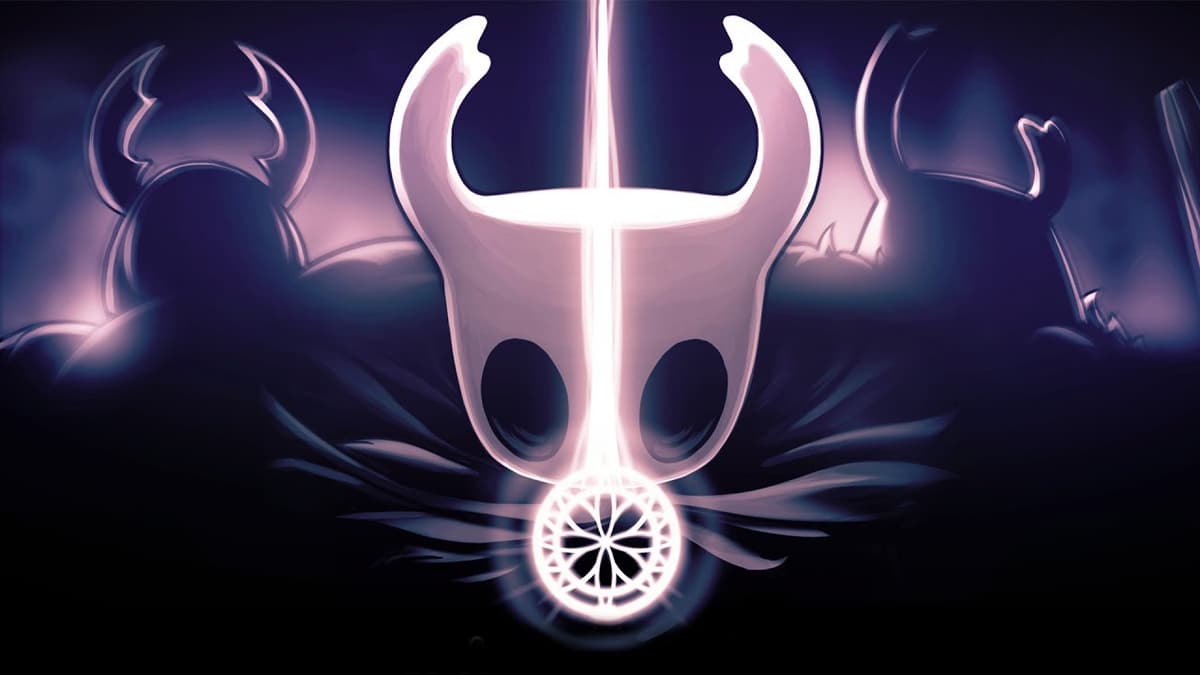
This is still the consensus baseline pick, and there is a reason the conversation keeps looping back to it. Hollow Knight does not just have a big map; it has a map that keeps paying off. New movement tools reframe old spaces, optional routes feel genuinely secret instead of politely signposted, and the world is dense with boss fights, lore fragments, and strange little corners that make Hallownest feel ancient rather than merely large. A lot of Metroidvanias are fun for six or eight hours and then fade once the unlock loop becomes obvious. Hollow Knight gets stronger the deeper you go.
What really earns it the top spot is how completely its parts lock together. The platforming has bite without becoming pure masochism, combat stays readable even when bosses get vicious, and the atmosphere is so strong that even simple bench-to-bench progress feels tense. It is also one of the few games in the genre where getting lost is part of the appeal instead of a design failure. That will not suit everyone. If you want constant guidance, instant upgrades, or a breezier pace, this can feel demanding and even a little cold at first. But if the point of a Metroidvania is to disappear into a world and slowly master it, this is still the game the rest of the list has to answer to.
2. Ori and the Will of the Wisps
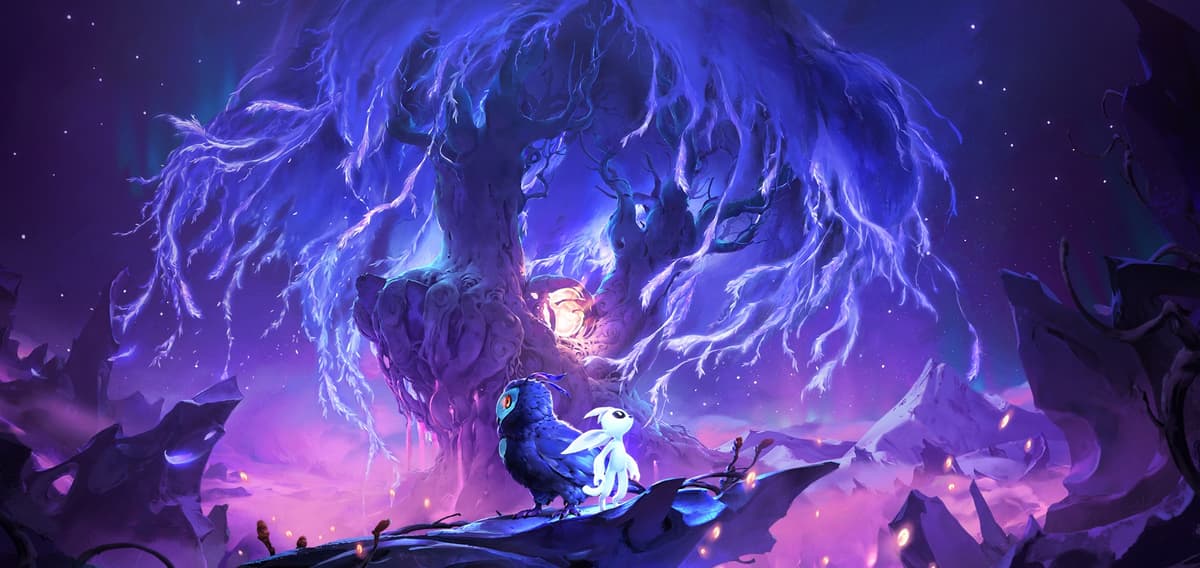
The Ori question is real: some players still prefer Blind Forest for its cleaner, more platforming-heavy identity, while others treat Will of the Wisps as the obvious upgrade. For a ranked Switch list, the second game gets the nod because it feels like the fuller package. It keeps the series’ acrobatic movement intact, then adds stronger combat, a more flexible shard system, side content that matters, and a world that is much better at supporting the genre’s explore-return-reveal rhythm. If Hollow Knight is the moody benchmark, Ori and the Will of the Wisps is the elegant one.
Its biggest advantage is how good traversal feels minute to minute. Some Metroidvanias are satisfying in hindsight, when you look at the completed map and appreciate the design. Ori is satisfying while your hands are on the controls. Dashing through hazards, chaining wall movement, and converting a formerly awkward corridor into a smooth movement line is the kind of tactile payoff that makes backtracking feel like a victory lap. The game is not as oppressive or mysterious as Hollow Knight, and some players will find the emotional storytelling a bit more overt than they want. That said, if your ideal Metroidvania is less about suffering beautifully and more about moving like a genius once the toolset clicks, this is the one that can steal the top spot for you.
3. Prince of Persia: The Lost Crown
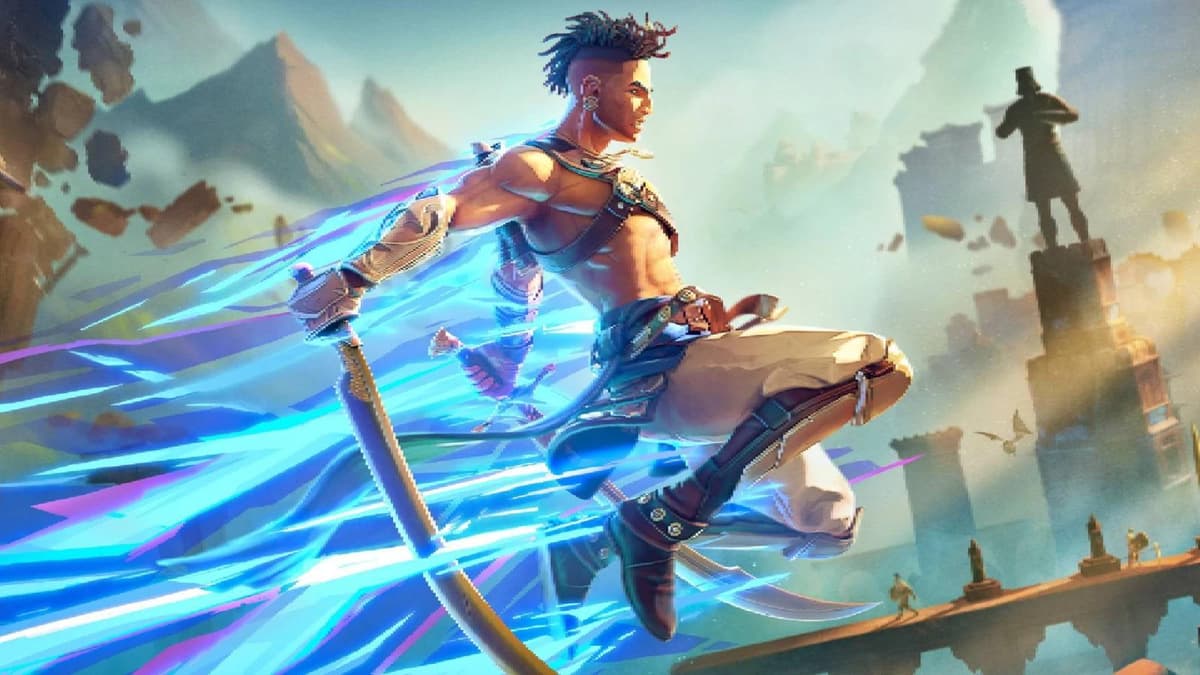
This is the modern climber that forced its way into the top tier. Prince of Persia: The Lost Crown feels like a big publisher looking at a genre dominated by indies and deciding to compete on craftsmanship instead of trend-chasing. The combat is sharp, movement upgrades arrive at the right pace, and the map design is built around deliberate route memory rather than random sprawl. It also solves one of the genre’s most common headaches: remembering a tantalizing obstacle you cannot clear yet. Its screenshot-based memory system is the kind of quality-of-life feature that sounds minor until you go back to a game without it and immediately miss it.
What pushes it above several older favorites is balance. It rarely leans so hard into combat that the exploration suffers, and it rarely goes so puzzle-heavy that momentum dies. Boss fights are flashy without turning unreadable, platforming tests are demanding without becoming smug, and the whole package feels designed for players who love precision but do not want the map to become homework. The caveat is tone. If you come to Metroidvanias for loneliness, dread, or eccentric indie texture, The Lost Crown can feel more polished than haunting. It has the confident feel of a studio production rather than a strange little obsession. That polish is exactly why it belongs this high: it is one of the easiest premium recommendations in the genre right now.
4. Metroid Dread
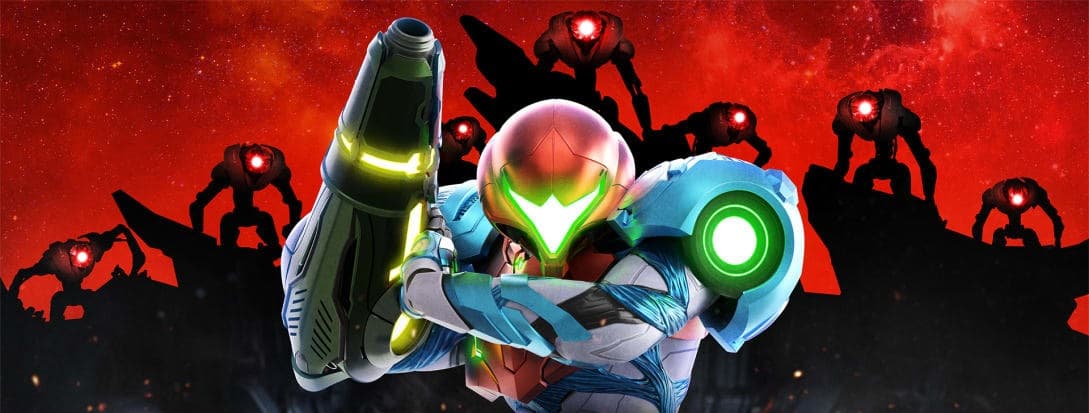
Yes, it is the obvious first-party pick, and yes, it deserves the spot. Metroid Dread is not here because of the name on the box. It is here because its movement is absurdly clean and because almost every room exists for a reason. Samus starts efficient and ends terrifyingly fast, and the game understands the basic pleasure at the center of the genre: returning to an old hallway with one extra ability and realizing it now folds open in seconds. On pure mechanical feel, very few games on Switch touch it.
The reason it does not place even higher is that it is more controlled than the top three. Some players love that. Others want a little more room to wander, sequence-break, or get deliciously lost. Dread often nudges players with invisible hands more than its reputation suggests, and the E.M.M.I. zones remain divisive. For some, they inject panic and variety; for others, they interrupt the game they actually want to be playing. Even with that caveat, the boss design, animation, and movement economy are elite. The late-game flow, when Samus becomes a blur of slides, counters, and mobility tech, is exactly why this series still defines the genre’s first half. If you want the most precise-feeling Metroidvania on Nintendo hardware, this is the answer.
5. SteamWorld Dig 2
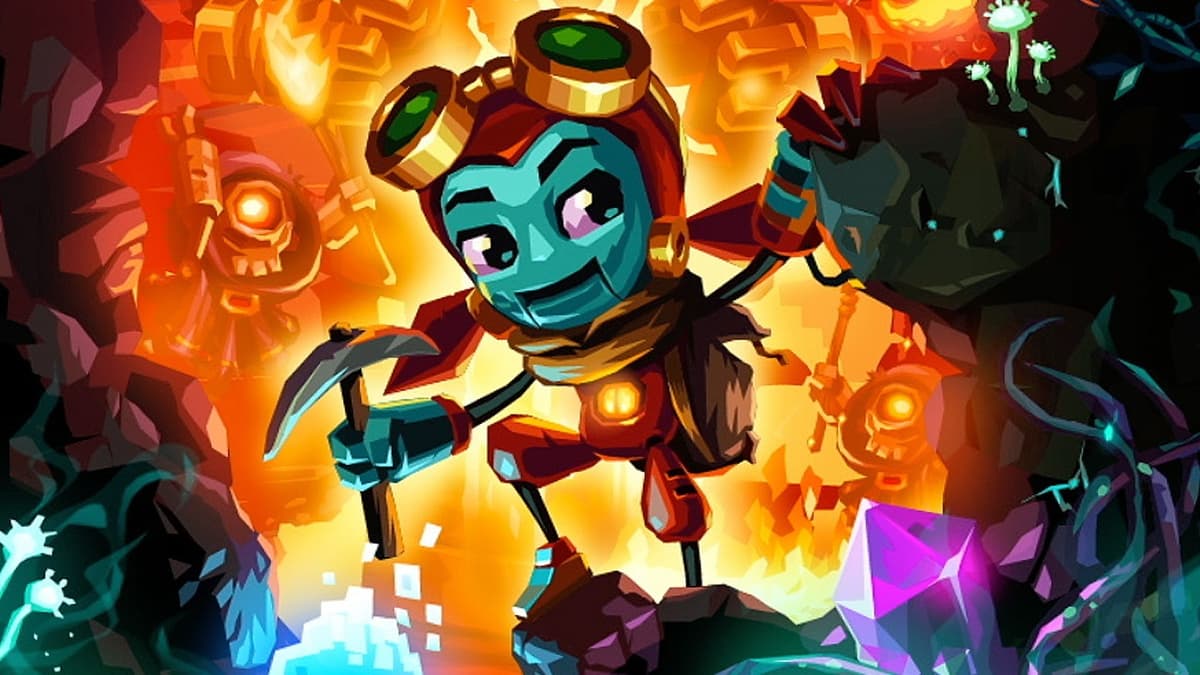
This is the overachiever of the whole category. SteamWorld Dig 2 never had the same prestige aura as Hollow Knight or the same visual flex as Ori, yet it keeps surviving every “best on Switch” refresh because it is ruthlessly well built. The hook is simple and smart: dig downward, collect resources, upgrade your tools, and use those upgrades to turn previously awkward routes into smooth excavation lines. That loop gives the game a momentum many Metroidvanias struggle to maintain. You are almost always uncovering something useful, and the friction between exploration and progression is tuned with unusual discipline.
It is also one of the easiest games on this list to recommend to people who say they like the genre but bounce off bloated maps or punishing boss walls. SteamWorld Dig 2 is compact, readable, and constantly rewarding. That compactness is the tradeoff, of course. It does not have the vast, oppressive sense of discovery that powers the top four, and its combat is serviceable rather than transformative. But the digging itself is so satisfying, and the upgrade cadence is so clean, that the whole game feels like an answer to design bloat. If you want proof that a Metroidvania does not need to be enormous to be essential, this is the game to point at.
6. Blasphemous 2
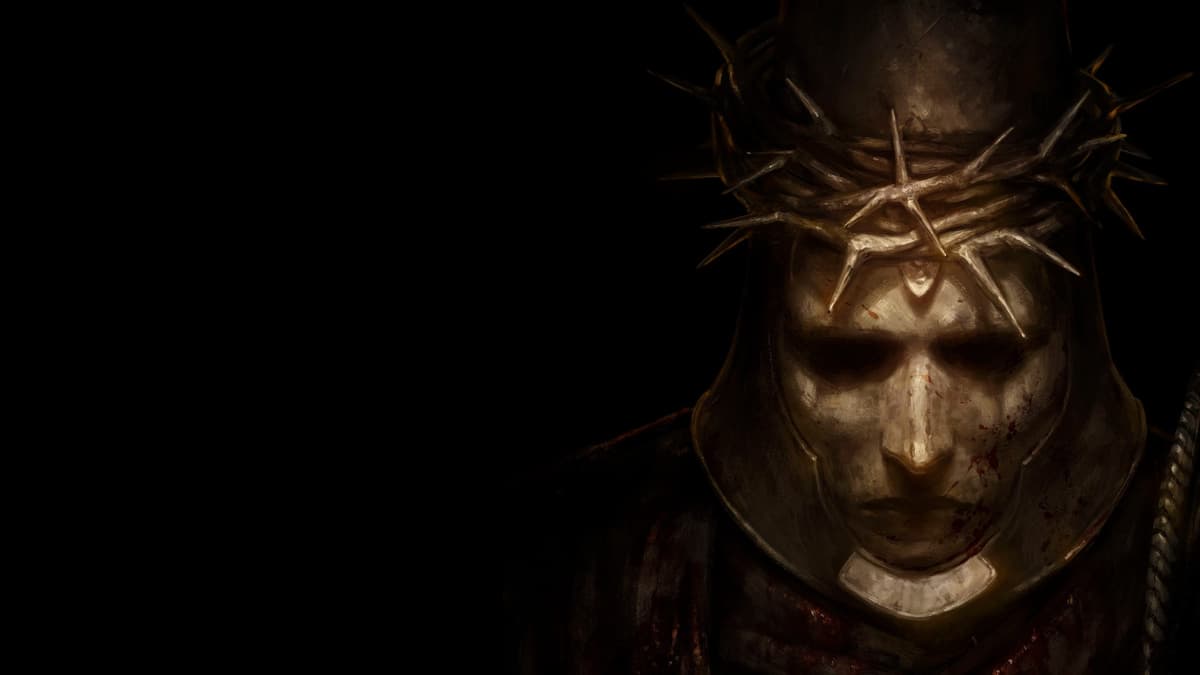
Blasphemous 2 earns its place by being much easier to recommend than the first game for pure Metroidvania fans. The original had a striking world and memorable cruelty, but it often felt like a brutal action-platformer borrowing the genre’s wardrobe. The sequel is better at the actual structure. Exploration is more central, traversal tools matter more to the map, and weapon choice does more than change damage numbers. It finally feels like the series’ grotesque religious imagery and hard-edged combat are working inside a cleaner exploratory framework.
The reason to play it is not subtle: this game has texture. Every area looks diseased, mournful, or outright blasphemous in a way that gives the world a specific identity many dark fantasy indies never achieve. More importantly, the platforming and combat now support that atmosphere instead of constantly fighting it. It is still not the pick for players who want a gentle onboarding or breezy movement. There is weight to everything, and the mood never lets up. But if you like your Metroidvanias with steel in them, and you want something newer that feels confident in its own ugliness rather than apologizing for it, Blasphemous 2 is one of the sharpest choices on Switch.
7. Bloodstained: Ritual of the Night
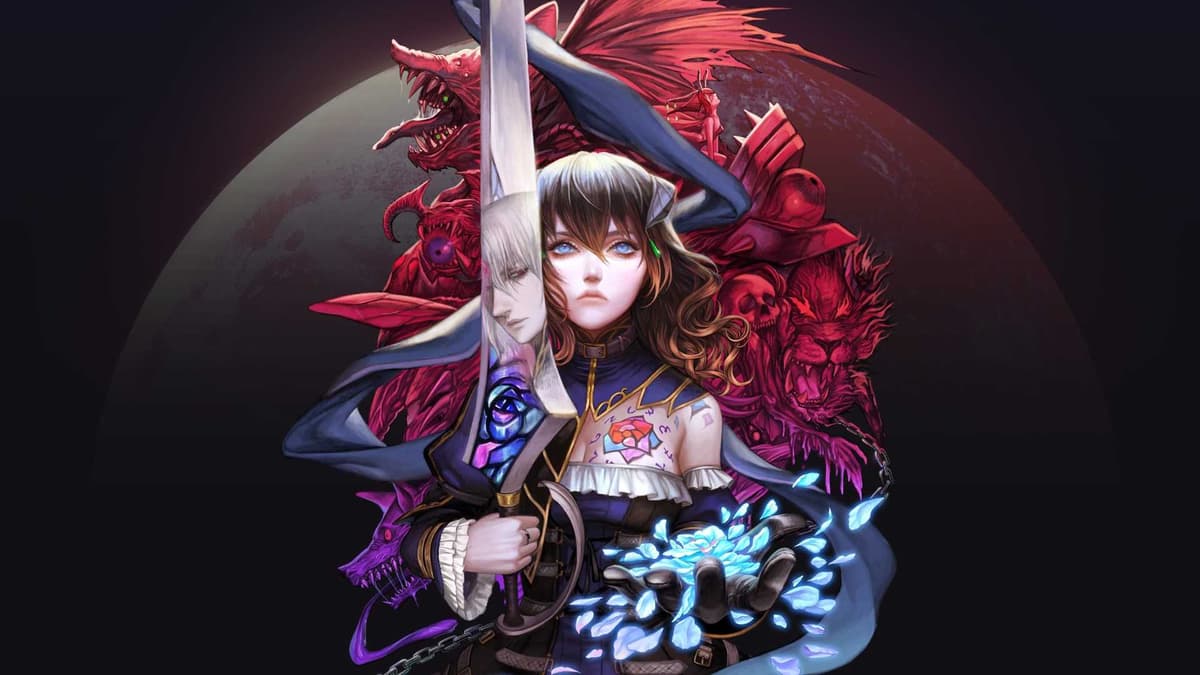
This remains one of the clearest recommendations for players chasing the old “Igavania” feeling. Bloodstained: Ritual of the Night is messy in places, sometimes indulgent, and still more memorable as a systems-heavy castle crawl than as a work of elegant restraint. That is exactly why it keeps a spot. If your ideal Metroidvania involves weapon drops, bizarre enemy abilities turned into collectibles, suspicious walls, goofy excess, and the constant temptation to grind just one more shard, Bloodstained understands the assignment in a way few modern games do.
The asterisk is performance reputation. On Switch, this game has carried technical baggage for years, and that history matters even if you are mostly interested in its design lineage. It is not the effortless recommendation that Hollow Knight or SteamWorld Dig 2 is. But it stays on the list because no other entry here scratches exactly the same itch. The castle is stuffed with secrets, build variety changes how you approach fights, and progression has that wonderful Castlevania habit of making you feel overequipped and underprepared at the same time. Players who want sleek pacing may prefer newer games higher up the list. Players who want decadent, loot-heavy exploration with unmistakable genre DNA should not skip it.
8. Ender Lilies: Quietus of the Knights
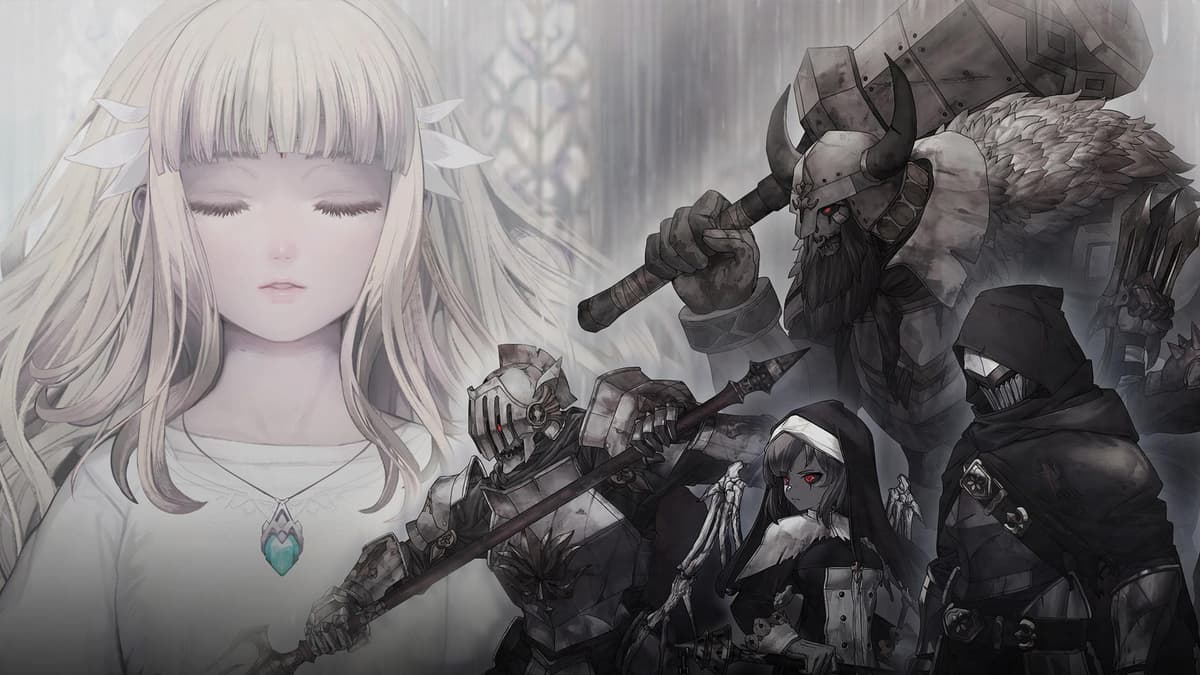
This is the melancholic pick, but it is not here on mood alone. Ender Lilies works because its spirit system turns combat progression into something more interesting than a basic weapon ladder. As Lily purifies fallen warriors, their abilities become her moveset, and that creates a nice blend of combat experimentation and exploratory payoff. New powers do not just increase damage; they reshape how you handle enemies, traversal, and spacing. The map is also stronger than the game first lets on, slowly opening into a satisfying web of returns and shortcuts once the early caution gives way to confidence.
Its rank reflects both strengths and limits. The art direction and soundtrack are excellent at building a sorrowful, rain-soaked atmosphere, but the environments can blur together more than the best games here. This is not a world you navigate by instantly iconic landmarks the way you do in Hollow Knight or Metroid Dread. Even so, the boss fights hit hard, the build customization is richer than expected, and the whole game has a somber consistency that many prettier, noisier releases lack. For players who want a combat-forward Metroidvania with real emotional weight and a strong sense of progression, Ender Lilies is one of the safer “slightly below the canon” recommendations on Switch.
9. The Messenger
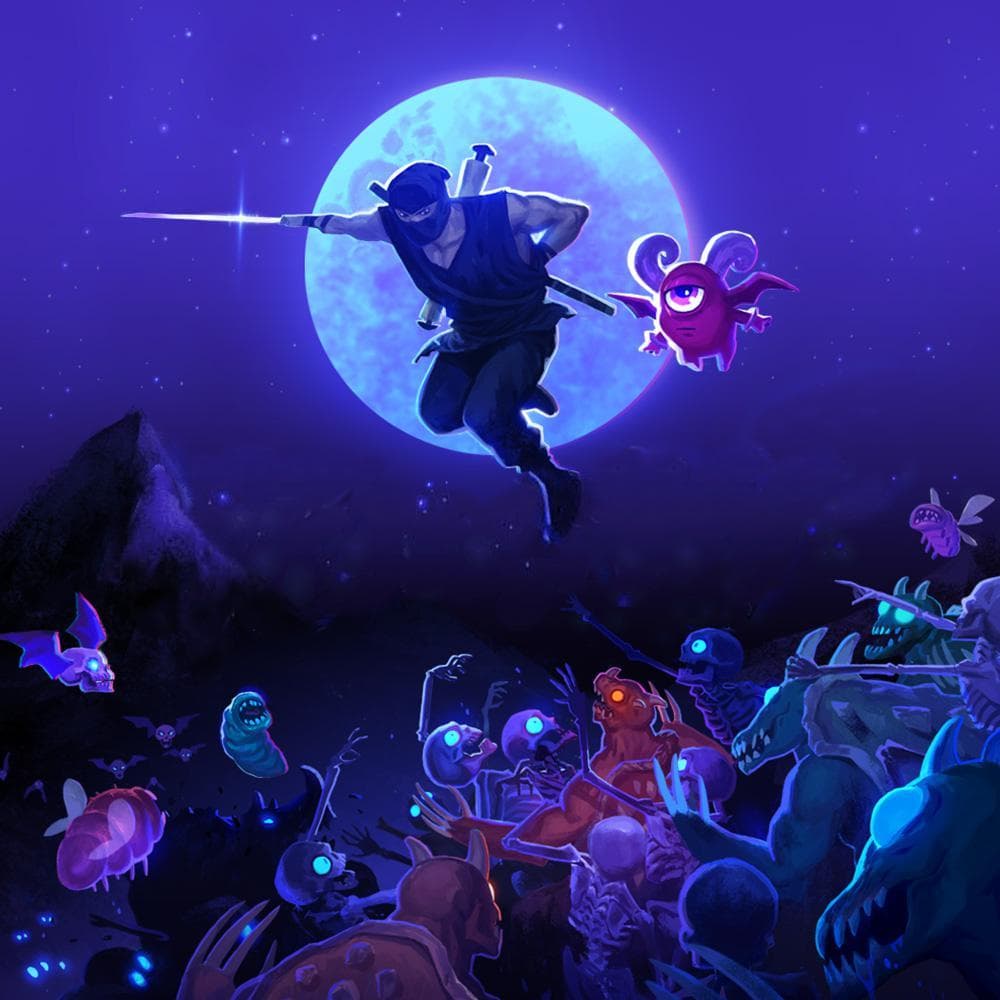
This is where genre purity starts a friendly argument. The Messenger absolutely belongs in the broader conversation, but it is also one of the least universally strict Metroidvania picks on the list. The first half plays much more like a razor-clean action-platformer, then the game pivots and reveals the larger exploratory structure behind the curtain. That pivot is the whole reason it lands here. Few games reframe themselves so confidently, and fewer still do it with this much wit, speed, and mechanical clarity.
The best reason to play it is rhythm. Movement is crisp, combat is fast without turning mushy, and the time-shift gimmick changes how spaces are read in a way that feels playful instead of gimmicky. It also has one of the rare “funny” scripts in retro-inspired indie games that actually lands more often than it misses. The caveat is simple: if you want a pure map-heavy wanderbox from minute one, this is not that. Some players will always file it under action-platformer first, Metroidvania second. Fair enough. But for anyone whose taste includes Ninja Gaiden energy, clever structural twists, and exploration that arrives as a reward rather than a default state, The Messenger is too inventive to leave off.
10. Shantae and the Seven Sirens
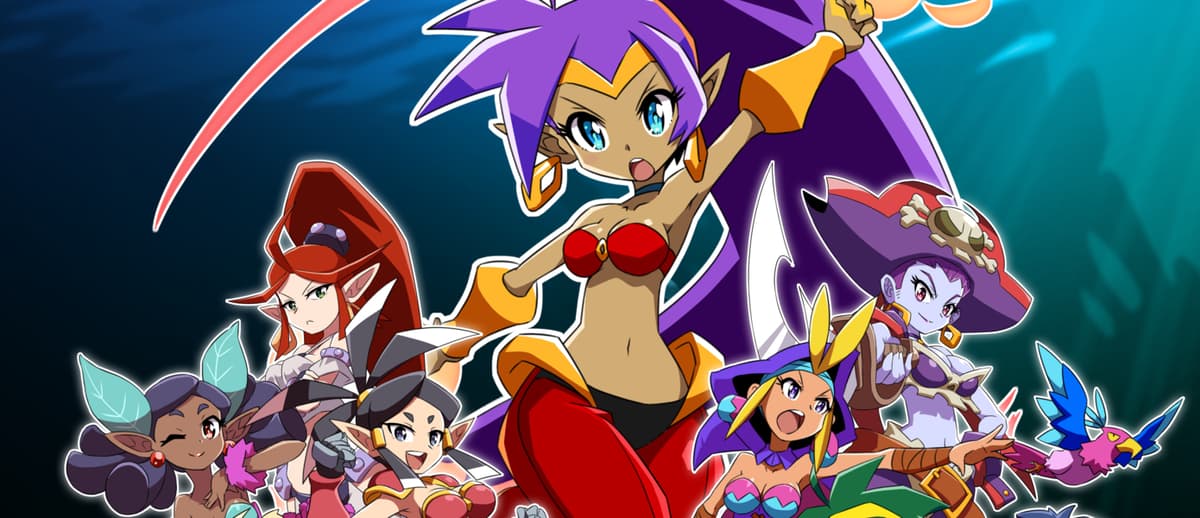
The Shantae series is often recommended as a whole now, which makes sense because its appeal is broader than any single entry. For a Switch-specific list, Shantae and the Seven Sirens is the easiest one to slot in because it leans hardest into connected-map exploration and ability-based revisiting. The formula is approachable in the best way. Transformations unlock new routes, the world is colorful and readable, and the game never mistakes confusion for depth. In a genre packed with oppressive ruins and dying kingdoms, its bright tone and cartoon expressiveness are not just cosmetic; they make navigation and progression feel refreshingly clear.
That same accessibility is why it lands at the bottom rather than the middle. It is polished and genuinely enjoyable, but it does not hit the same highs in atmosphere, combat depth, or world density as the games above it. The challenge level is gentler, the structure is less likely to surprise veterans, and some players will want more resistance from both bosses and traversal. Still, being lighter is not the same as being disposable. Seven Sirens fills an important slot in the Switch library: a real Metroidvania that is easy to parse, hard to resent, and much friendlier to players who do not want every upgrade hidden behind pain. If the top of this list feels too severe, this is the cleanest off-ramp without leaving the genre.
FinalBoss // Gear
Level up your setup
01Best-selling Switch 2 gameson Amazon→02Switch 2 accessorieson Amazon→038BitDo controllerson Amazon→04Discounted game keyson Kinguin→Affiliate links · As an Amazon Associate, FinalBoss earns from qualifying purchases.
Want to Level Up Your Gaming?
Get access to exclusive strategies, hidden tips, and pro-level insights that we don't share publicly.
Ultimate Top Strategy Guide + Weekly Pro Tips