
Switch 2’s Explosive Launch: Next-Gen or Short Burst?
Game intel
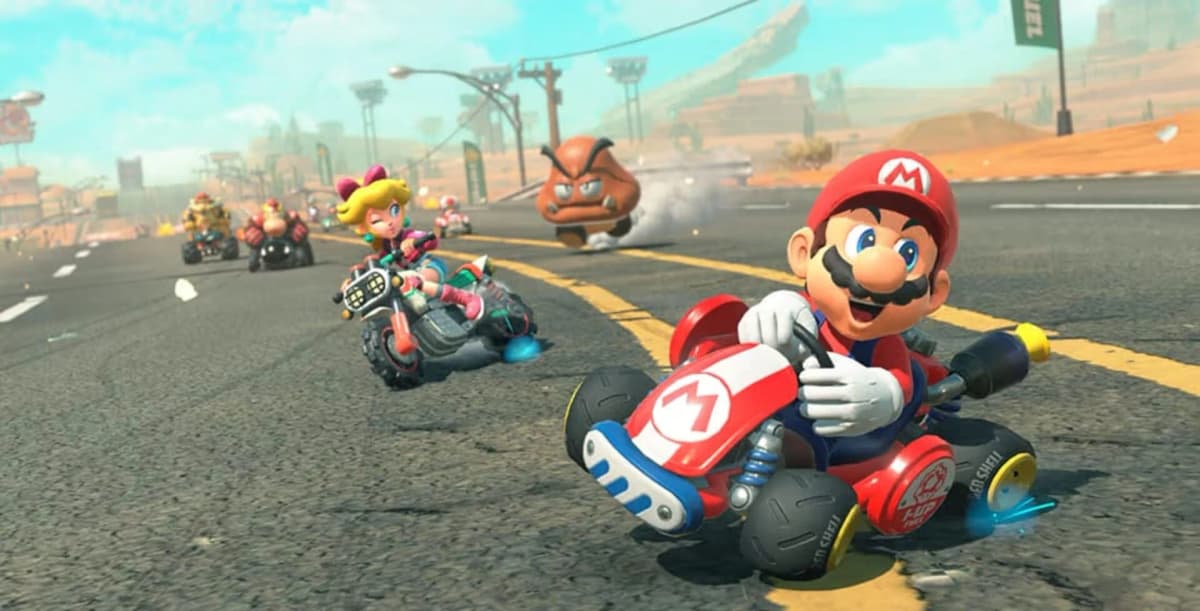
Mario Kart World
Put the pedal to the metal in a vast interconnected environment. Race seamlessly across connected courses like never before. Participate in the new knockout to…
Switch 2’s Explosive Launch: Next-Gen Marvel or Fading Hype?
I’ll be honest—the Switch 2’s launch stats gave me whiplash. Over 6 million units sold worldwide in just seven weeks, and Mario Kart World racing past 5.5 million copies in the same window. Having tracked every Nintendo hardware debut since the SNES, this feels like watching a rocket strap itself to warp drive. Yet for all the stock-price celebrations and breathless headlines, gamers are asking: can Nintendo turn this early surge into a console that still thrills six months, a year or even a full generation down the line?
Record-Breaking Lift-Off
Since its global debut on June 5, 2025, the Switch 2 has rewritten Nintendo’s sales playbook:
- 3.5 million units sold in the first four days
- 5.82 million units reached by June 30
- Over 6 million sold worldwide by late July—making it the fastest-selling console ever
To put that in perspective: the PlayStation 5 managed roughly 4.37 million units in its first eight weeks, and the PS4 hit about 4.45 million in the same span. Even the original Switch—with its remarkable 153 million lifetime sales—will need time to catch its breath in a head-to-head comparison.
Industry analysts point out that Nintendo’s supply chain improvements and aggressive manufacturing ramp-up helped keep shelves stocked, avoiding the dreaded “sold-out” signs that dogged the first Switch at launch. Retailers in the US, Europe and Japan report steady deliveries, and scalper markups have been limited compared to previous generations.
What’s Under the Hood: Evolution Over Revolution
Rather than reinventing the wheel, Nintendo doubled down on evolution. The Switch 2’s improvements are all about polishing existing strengths:
- Smoother frame rates and visibly sharper graphics—both in handheld mode and when docked to a 4K TV
- Faster load times thanks to a beefed-up internal SSD and streamlined system software
- Enhanced battery life that stretches play sessions by up to an hour under moderate load
- A crisper, more responsive display with better color accuracy and improved touch precision
- A subtly snappier user interface that feels modern without losing Nintendo’s trademark simplicity
None of these changes scream “revolution,” but together they deliver a more polished, premium feel. For veteran Nintendo fans, it’s like upgrading from a trusted roadster to a high-performance sports car—familiar, yet undeniably faster and smoother.
Clarifying the Jargon: Pipeline Delivery Explained
You might see phrases like “pipeline delivery” thrown around in developer interviews. In simple terms, it refers to Nintendo’s scheduling of game releases and updates—how they space out major first-party titles, third-party ports and indie launches over the console’s lifespan. A healthy “pipeline” means consistent, exciting releases so there’s always something new to play. If too many headline games cluster at launch, the months that follow can feel quiet. Nintendo’s challenge will be to pace its announcements and launches so the Switch 2 never feels like it’s run out of gas.
Player Feedback and Real-World Testing
Across social media and gaming forums, early adopters have been vocal:
- “Booting into the home menu feels instant now,” says one long-time Nintendo fan on Reddit, praising how the system practically snaps awake from sleep mode.
- Another player on Twitter noted “almost zero screen tearing” even when forcing higher resolutions in demanding titles.
- At a local meet-up, one handheld-only gamer remarked that the improved battery life allowed a full six-hour train ride without hunting for an outlet.
However, not all feedback is praise. Some users are still waiting for officially licensed Pro controllers in every region, and a handful report occasional hiccups in the eShop’s download queue when purchasing multiple titles at once. Nintendo has already promised firmware updates to address these edge-case issues, and most expect solutions to roll out within weeks.
First-Party Exclusives: The System-Defining Lineup
Mario Kart World—and its day-one sales blitz—proved Nintendo’s formula still works. But long-term staying power depends on cliffhanger announcements and system-defining blockbusters. Here’s what we know (and what remains rumor):
- Metroid Prime 4: Industry whispers suggest an autumn 2025 release, though Nintendo hasn’t confirmed a date. If it arrives before year’s end, it could be the shot in the arm the Switch 2 needs.
- Legend of Zelda Sequel: Fans hope for a follow-up to Breath of the Wild’s sprawling open world. Nintendo’s silence on this one fuels speculation—could it debut late 2026?
- Brand-New IP: Historically, Nintendo saves surprises for major showcases. A fresh universe built specifically for the Switch 2’s hardware would showcase the console’s extra horsepower.
Without another Breath of the Wild or Super Mario Odyssey-level blockbuster in the next 12 months, that initial seven-week frenzy risks feeling like a short sprint rather than a marathon. Nintendo will need to nail pipeline delivery to maintain momentum.
Want to Level Up Your Gaming?
Get access to exclusive strategies, hidden tips, and pro-level insights that we don't share publicly.
Ultimate Gaming Strategy Guide + Weekly Pro Tips
Third-Party Support and Indie Momentum
Major publishers are already lining up ports and exclusive content:
- Ubisoft has confirmed a Switch 2 version of its next Assassin’s Creed, optimized for handheld play.
- Capcom is exploring exclusive DLC for Monster Hunter-style action on the new hardware.
- EA remains noncommittal on a full FIFA engine overhaul, but early signals point to backward-compatible support.
On the indie front, developers who mastered the original Switch’s hybrid design see new creative opportunities. Titles like Hollow Knight and Celeste thrived on the old system—expect similarly inventive games to push unique control schemes and local co-op modes. Cloud gaming partnerships with services like Ubisoft+ and expanded cross-play could further grow the digital library, but that depends on Nintendo refining its eShop experience with wish lists, clearer patch notes and smoother payment options.
Quality-of-Life Enhancements and Online Services
Bundling Nintendo Switch Online into the big hardware push was a smart move—but subscribers have higher expectations this time:
- Stable, low-lag multiplayer servers, especially for popular titles like Mario Kart World.
- Expanded cloud-save protections that work seamlessly across handheld and docked modes.
- A deeper back catalog of NES, SNES and N64 classics—ideally with save states and rewind functionality.
- Refined parental controls and family-account management for households with multiple players.
Since battery stamina improved, Nintendo can tout the Switch 2 as a road-trip champion. But if online services feel patchy—login troubles, lost save data or muddy matchmaking—the console’s reputation among both core and casual audiences could take a hit.
Long-Term Outlook: What Gamers Should Watch
Nintendo has always thrived on surprise announcements and irresistibly fun exclusives. The Switch 2’s head start is undeniable, but the real test is durability. Here are the key factors that will determine if this launch is a marathon, not just a headline-grabbing sprint:
- Timely First-Party Releases: Can Nintendo space out major titles so there’s a steady drip of must-play games?
- Developer Outreach: Will third-party giants continue to invest, and can indie studios get the tools and support to innovate?
- Service Reliability: Are multiplayer servers, cloud saves and digital storefronts robust enough to handle a growing user base?
- Firmware and Feature Updates: Will Nintendo listen to early feedback and ship meaningful improvements?
- Community Engagement: Will organized play, tournaments and community events keep fans talking six months from now?
Conclusion: Fueled for the Long Haul?
The Switch 2 blasted past 6 million sales in seven weeks, powered by Mario Kart World’s day-one success and a suite of silent but significant hardware tweaks. Early adopters praise the faster load times, sharper visuals and improved battery life—features that collectively feel like a well-tuned performance upgrade. Yet hype alone doesn’t guarantee longevity.
If Nintendo can deliver a steady pipeline of first-party blockbusters, nurture third-party and indie partnerships, and maintain rock-solid online services, the Switch 2 could easily define the next console decade. Miss the mark on any of these fronts—space out releases too much, neglect eShop polish or let community engagement falter—and even a 6 million-unit launch might fizzle into a fleeting moment of excitement.
For gamers, the coming year will be about more than sales records. It will be the real proof point: does the Switch 2 have the legs to transform that early burst of speed into a long, thrilling journey?