
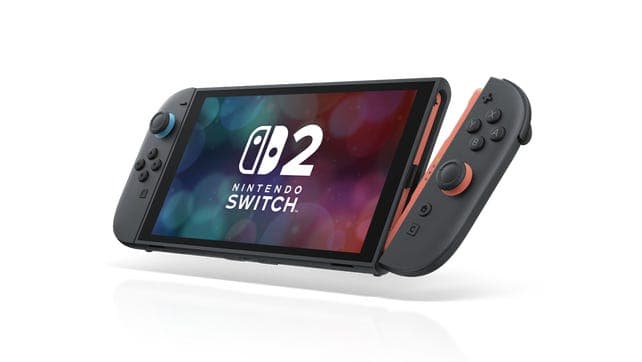
Nintendo’s Switch 2 blowing past 2 million units in Japan in just 14 weeks grabbed my attention because that’s rare air-second only to the Game Boy Advance in the same window and ahead of heavyweights like PS2, DS, and Wii. We’ve seen Nintendo dominate handheld-hybrid territory before, but this pace says something bigger: the hybrid formula still hits, even in a year when PS5 and Series X are finally easy to buy and discounted. The question isn’t whether Switch 2 is hot-it is. The question is whether the hardware and library justify the hype for your specific use case.
Let’s translate the scoreboard into player reality. Reports peg Switch 2 at 2,025,761 units in Japan by mid-September—nearly double the original Switch across the same early slice. Globally, launch demand set internal records, and the momentum didn’t immediately collapse after the day-one rush. Bundles anchored by Mario Kart World are doing heavy lifting (shocking no one), and August data had Switch 2 leading the Japanese market by a landslide ahead of PS5 and Xbox Series.
Why it matters: that install base growth makes publishers pay attention. Capcom, Square Enix, Bandai Namco—if they can sell multi-million-copy ports or mid-budget projects here, they’ll keep coming. But don’t confuse “strong platform” with “no compromises” on multiplatform games; that story is more nuanced.
On paper, the Switch 2 ticks the big boxes: larger 8-inch screen, 1080p in handheld with a 120Hz panel, 4K/60Hz docked output, faster storage, and better haptics. In practice, here’s the vibe: handheld gaming is the real glow-up. Text clarity is snappier, motion in games like Mario Kart World and Splatoon 4 feels cleaner, and reduced load times make swapping between quick sessions less painful. The 120Hz display is a win for latency and UI smoothness, but don’t expect every game to run at 120fps; think “nice headroom and slick feel,” not “PC-tier high refresh across the board.”
Docked 4K/60Hz is a best-case scenario for Nintendo first-party titles that design around the hardware. It narrows the visual gap with PS5/Series X, but it doesn’t erase it for big third-party releases, which typically lean on lower resolutions or pared-back effects. Load times are clearly better than the original Switch, yet still a tier below the ultra-fast SSD experiences on Sony and Microsoft’s boxes.
Battery life? Early reports circle around 4-6 hours for demanding games. That’s fine—comparable to Switch 1 under load—but don’t expect steam-decking marathons without a charger. Joy-Con 2 feel improved, and better haptics are welcome, but here’s the rub: they aren’t backward compatible with Switch 1, and Switch 2 requires the new ones for full functionality. It’s a classic Nintendo move—smart for the platform, annoying for your wallet.
The new GameChat app (voice, video, screen sharing) finally puts an end to the phone-app era embarrassment. I’m cautiously optimistic. System-level chat is the right direction, but I’m waiting to see how many games hook into it smoothly and whether moderation/latency holds up during real-world weekend chaos.
The best news: most Switch 1 games work, and some fan favorites get legit upgrades. Seeing marquee titles target higher frame rates and resolutions is the kind of BC that actually feels generational. The catch is the usual patchwork—some enhancements are free, some paid—and a few physical carts still throw the dreaded “download required” warning. If you collect, that stings.
First-party exclusives remain the system’s soul. If Metroid Prime 4, Pokémon Legends follow-ups, and Nintendo’s inevitable next platformers are in your rotation, Switch 2 is a layup. Third parties are more complicated. Yes, we’re seeing promised ports like Monster Hunter Wilds and Final Fantasy VII Rebirth, but historically these arrive months later and with visual compromises. If you own a PS5 or Series X and care about fidelity-first experiences, you already know where you’ll play those.
Side note: GameCube games via Nintendo Switch Online, exclusive to Switch 2, is both awesome and on-brand stubborn. I’m thrilled to revisit that library in a legit way, but gating it to the new hardware feels like a nudge that longtime Switch 1 owners will find… persuasive.
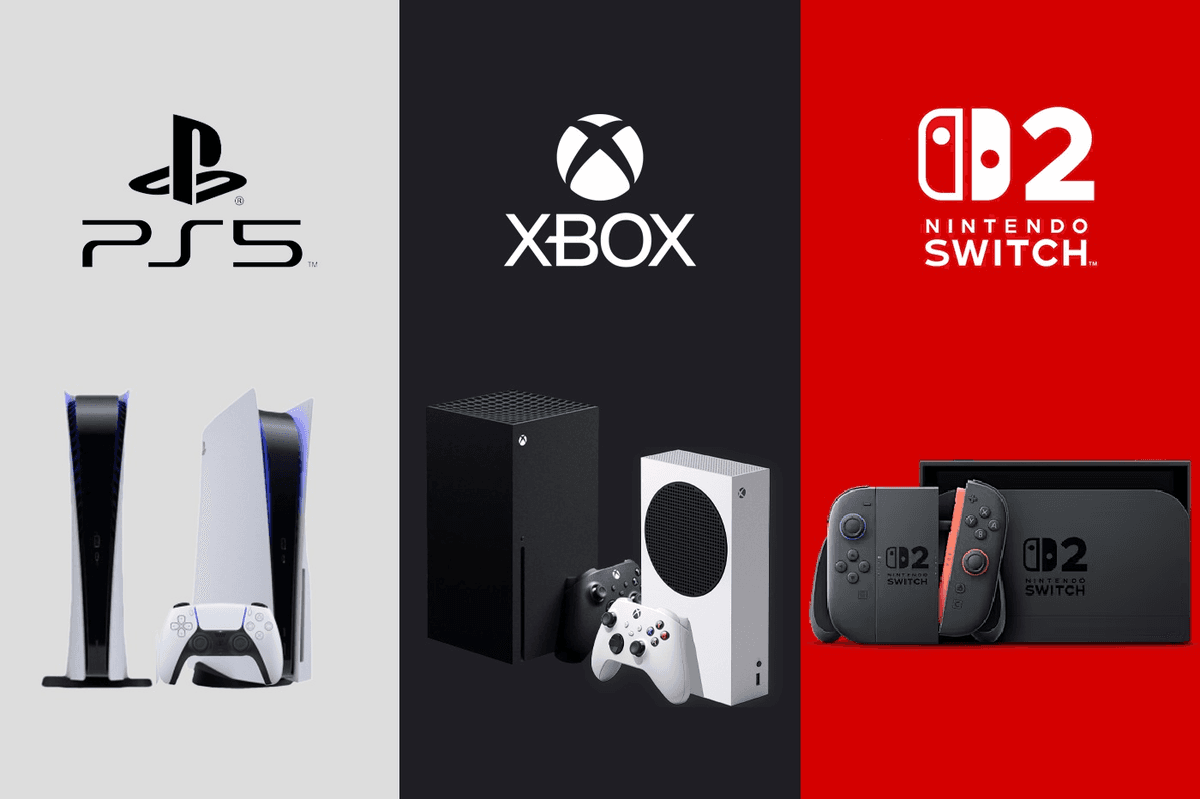
At $399, Switch 2 sits in a sweet spot: pricier than Switch OLED but under PS5/Series X. First-party games largely stick to $59.99, while some third-party releases push $69.99. Accessories aren’t cheap—$79.99 for Joy-Con 2 pairs and a refreshed Pro controller—so factor that into the real cost.
Japan’s scorching start suggests the Switch 2 will have the momentum to keep third-party support healthy, even if it’s not the lead platform for every blockbuster. The handheld experience is genuinely elevated, first-party output is already landing, and Nintendo’s social/online tools finally feel modern-ish. If Nintendo can maintain supply, drop a killer holiday exclusive, and keep backward-compat upgrades flowing, this surge won’t be a blip—it’ll be the baseline.
Switch 2 is flying off shelves for good reason: handheld play feels meaningfully better, first-party games shine, and online finally grew up. It won’t replace your PS5/Series X for visual showcase third-party titles, but as a portable-first console with killer exclusives, it’s the clear winner of 2025’s “play anywhere” race.
Get access to exclusive strategies, hidden tips, and pro-level insights that we don't share publicly.
Ultimate Gaming Strategy Guide + Weekly Pro Tips