

Sword of the Sea: Matt Nava’s Indie Masterpiece Surfs Into GOTY Conversations
Game intel
Sword of the Sea
Surf across magnificent waves of sand and glistening waters on an epic quest to restore a lost ocean. From the visionary artist behind ABZÛ, The Pathless, and…
Sword of the Sea: Why This Gorgeous Indie Actually Stands Out
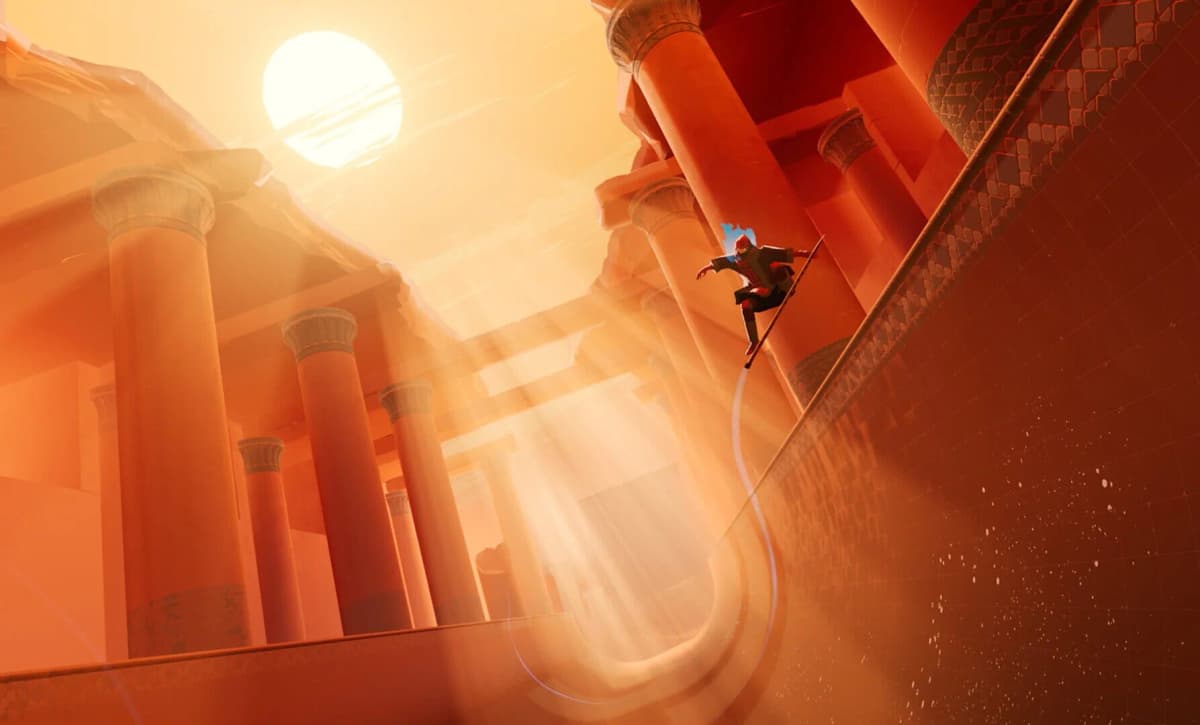
Every once in a while, an indie game lands that feels like the culmination of years of creative obsession. With Sword of the Sea, director Matt Nava hasn’t just revisited familiar territory-he’s straight-up rewritten his own playbook. As a huge Journey fan (yes, I got way too emotional at the end) and someone who still boots up Abzu just to decompress, this one had my full attention from its very first teaser. Now, having spent time carving through its sand-oceans on a literal surfsword, I can confidently say: this game is a case study in how to evolve the “art game” without losing the fun.
Key Takeaways – What Actually Matters Here?
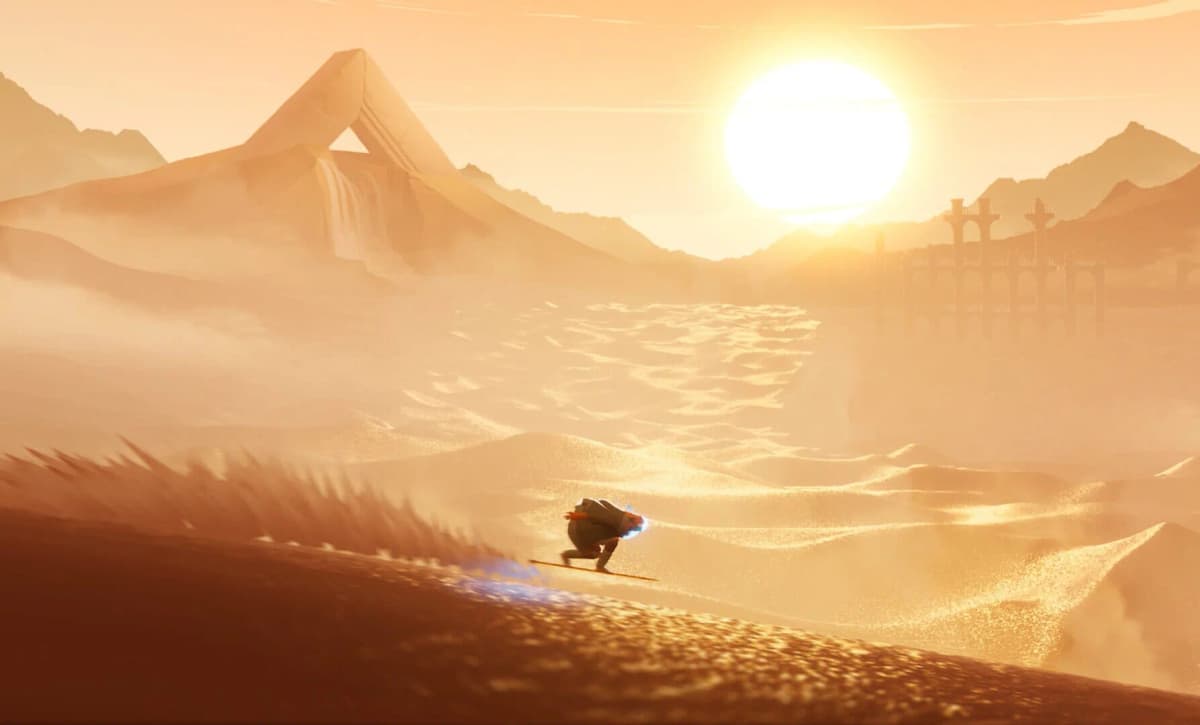
- The surfsword mechanic nails that elusive feeling of flow-think Journey’s sand sliding, but with Tony Hawk flair.
- Environmental puzzles serve the world and story, not just as filler content.
- Top-notch atmosphere and music, but with more player agency and speed than Nava’s previous chill-outs.
- Metacritic score of 89 cements it alongside this year’s indie heavyweights (but can it break into the 90s club?)
The Real Story: Evolution Over Nostalgia
If you’ve played Journey or Abzu, you know Matt Nava’s “thing”: gorgeous vistas, wordless storytelling, and a laser focus on flow state. With Giant Squid’s latest, it’s not just a greatest hits package-it’s the next logical step. Sword of the Sea borrows the sense of wonder and fluid movement from Journey and tosses in the animal reverence from Abzu. But this time, you zip around at breakneck speed, doing tricks on a sentient sword that doubles as a surfboard. As a longtime devotee of “exploration as meditation,” it’s a bold move, and it mostly pays off.
Let’s be real: plenty of “artful platformers” talk a big game about restoring worlds, but rarely connect that premise to how you play. In Sword of the Sea, reviving the land’s biodiversity is inseparable from the ever-evolving traversal. Suddenly, environmental puzzles aren’t just progress checkpoints—they feel like literal acts of healing. Sure, you’re not swimming with schools of dolphins like in Abzu, but popping tricks while shifting the world from barren to vibrant? That’s a fresh spin on the genre’s worn-out “fix the world” trope.
The Flow Factor: More Than Just Pretty Scenery
What kept drawing me back wasn’t just the lush, painterly visuals (though let’s give credit: Giant Squid can render a hauntingly empty ruin or sun-bleached dune like nobody’s business). The real hook is that sense of velocity and smoothness between zones. Nava’s always had a “less is more” approach to narrative, but Sword of the Sea finally finds a balance between letting players lose themselves and giving enough structure to guide extended play sessions.
Exploration isn’t just encouraged—it feels natural, as if each twist reveals something hand-placed just for curious players. I was constantly rewarded with hidden challenges or jaw-dropping vistas. In the age of checklist-driven open worlds, Sword of the Sea keeps its secrets close, more akin to the mysterious, interconnected expanses of Elden Ring’s Lands Between than the sterile collectibles of lesser imitators.
Want to Level Up Your Gaming?
Get access to exclusive strategies, hidden tips, and pro-level insights that we don't share publicly.
Ultimate Gaming Strategy Guide + Weekly Pro Tips
How It Stacks Up: GOTY Contender or Just a Pretty Face?
The critical response is already out in force—a Metacritic score of 89 puts Sword of the Sea right up there with indie titans like Clair Obscur Expedition 33 and Blue Prince (though, let’s be honest, breaking into the 90s is where the real GOTY debates get heated). I wouldn’t be surprised if this one collects more than a few award nods when the time comes, especially for audio and art direction.
If you’re a PlayStation Plug subscriber, it’s a no-brainer—Sword of the Sea is a day-one grab. PC folks should absolutely wishlist it, or better yet, just dive in on Steam. While it’s tempting to compare every new indie to the last best-in-class platformer, this one’s earned its spot as something more than just “Journey with a sword.” It’s a powerful reminder that inspiration, when paired with innovation, is exactly what the indie space needs.
TL;DR
Sword of the Sea isn’t just another artful indie ride—it nails the balance between meditative storytelling and kinetic fun. It’s one of 2024’s essential experiences, and one every gamer who loves the genre’s best owes it to themselves to try.