
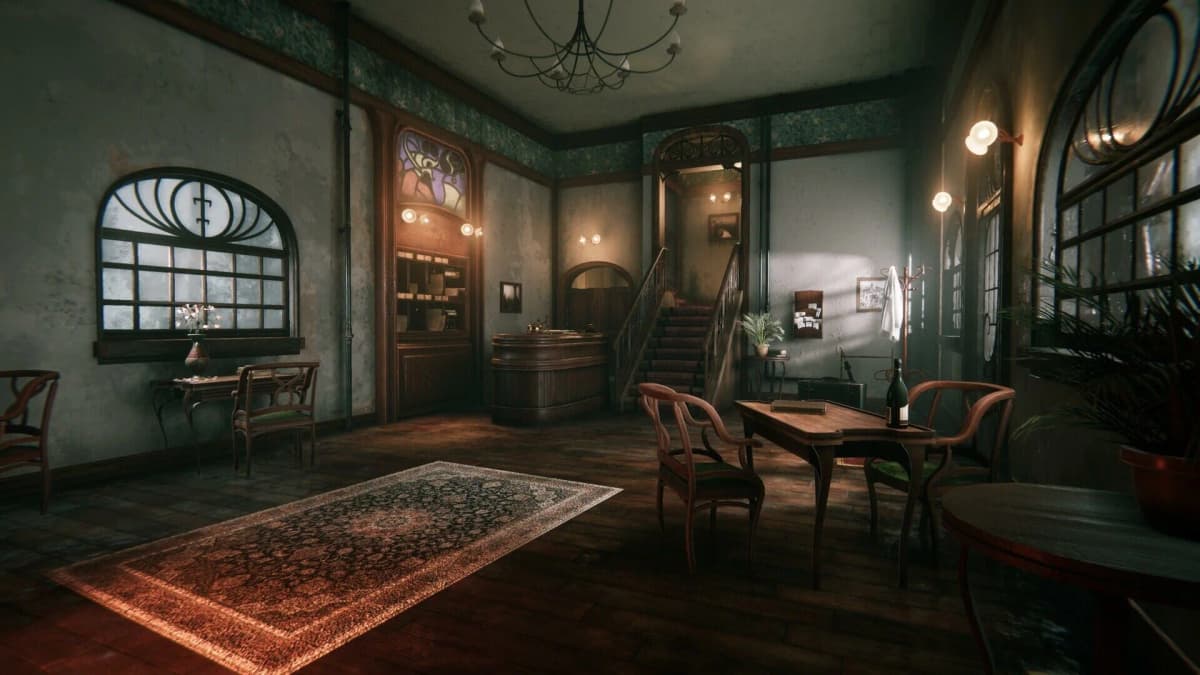
Can Syberia Remastered Bring Back That Melancholic Magic?
Game intel
Syberia Remastered
More than 20 years after its original release, Syberia is reborn in a fully modernized version. Rediscover its iconic locations and unforgettable characters th…
Why Syberia’s Comeback Actually Matters
At Gamescom 2025, Microids dropped a trailer and a date for Syberia Remastered: November 6 on PC, PS5, and Xbox Series X|S, with a Meta Quest 3–only VR version arriving November 13. For many of us who first joined Kate Walker’s quest in 2002, this announcement is both exhilarating and nerve-wracking. Benoît Sokal’s original wasn’t just another point-and-click adventure; it was a melancholic clockwork dream where every snow-dusted station and mournful automaton whispered a story. A remaster that faithfully captures that mood while smoothing out the original’s rough edges could introduce Syberia to a new generation. Over-polish the visuals or modernize the pacing too aggressively, though, and you risk erasing the very soul that makes this game unforgettable.
Key Takeaways
- Flatscreen launch: November 6 on PC, PS5, Xbox Series X|S
- Quest 3 VR release: November 13, VR-exclusive version
- Upgrades: fully reworked graphics, animations, UI, and puzzle flow
- Physical edition: limited run in UK only—collectors beware
A Brief History of Syberia’s Legacy
When Syberia debuted in 2002, it stood out among classics like Broken Sword and The Longest Journey thanks to Sokal’s signature art—hand-painted backdrops and a haunting soundtrack that evoked icy isolation. Critics praised its narrative ambition: American lawyer Kate Walker’s corporate assignment evolves into a soul-searching odyssey across Eastern Europe’s abandoned machinery and myths. The result was a commercial hit that spawned sequels and inspired an indie wave of narrative-driven puzzles.
But the original also showed its age. Clunky pathfinding could strand Kate against train rails, and pixel-hunt hotspots tested players’ patience. Its hint system was so opaque that fans circulated external walkthroughs just to groove through the logic. Syberia II (2004) maintained the tone but played it safe; Syberia 3 (2017) arrived bloated with performance hiccups that dimmed enthusiasm. Microids’ subsequent title, The World Before (2022), proved they could modernize visuals and interfaces—but some UI menus still felt bulky. Now, Syberia Remastered aims to blend that experience with full high-definition fidelity and streamlined play.
Breaking Down the Announcement
Microids is publishing, with Virtuallyz Gaming and Microids Studio Paris at the helm of development. According to the press release, “We wanted to remain faithful to Sokal’s original vision while updating the game for modern players,” a promise that fans will scrutinize. The package includes a faithful visual overhaul, smoother animations, a more intuitive interface, and puzzles tuned for logical flow. Kate Walker’s journey—from New York law offices to the frozen enclaves of Eastern Europe, guided by the eccentric automaton Oscar—remains unchanged.
Digital editions arrive worldwide on launch day. However, only UK retailers will stock a limited physical run on PS5 and Xbox Series X|S. Boxed collectors will need to import or enlist British friends—a mildly old-school headache in 2025.
Respecting Benoît Sokal’s Art Direction
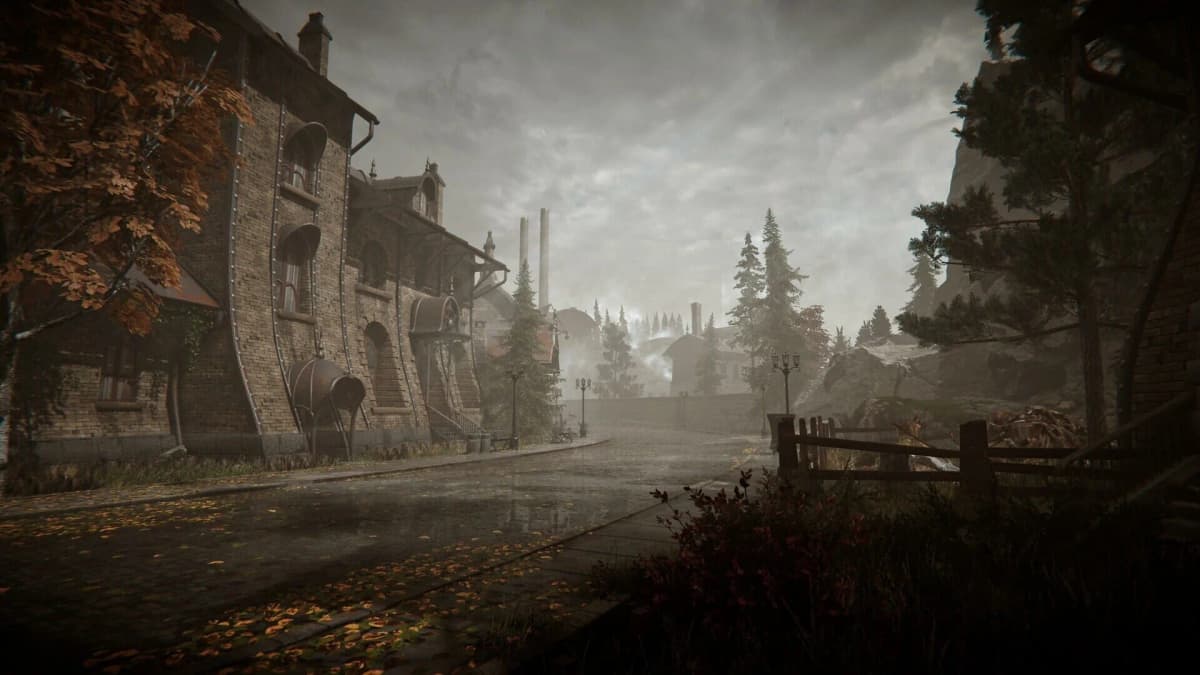
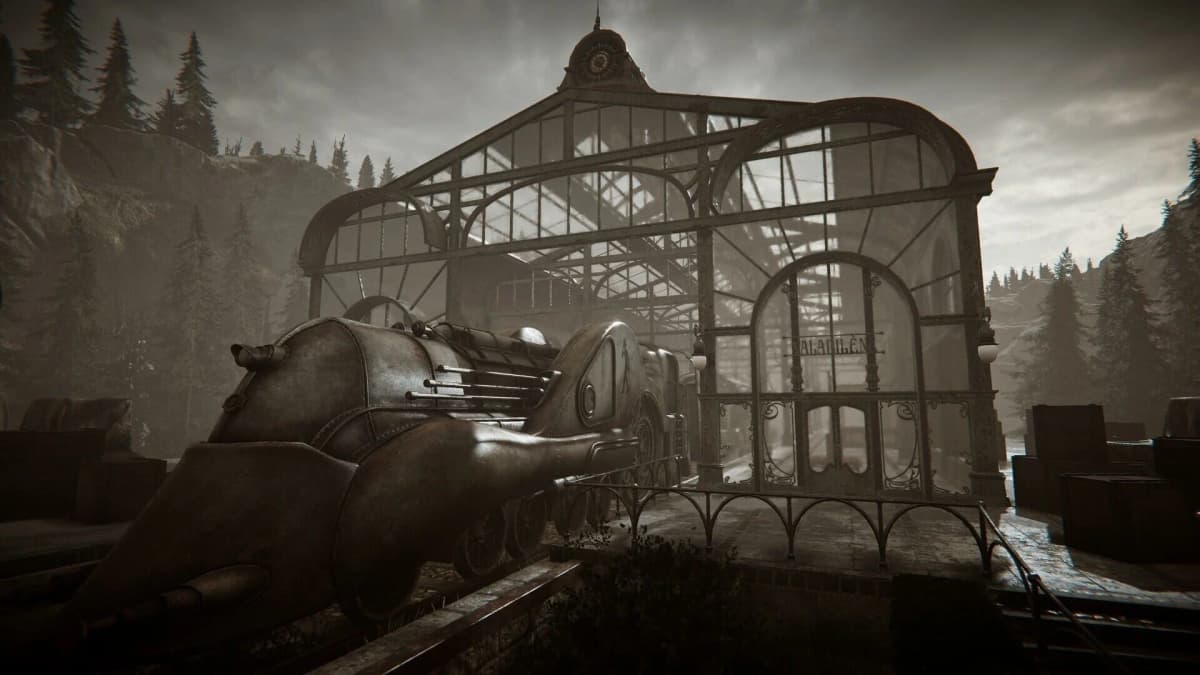
Syberia lives or dies on atmosphere. The remaster’s trailer teases cleaner 3D models and dynamic lighting that preserves Sokal’s hand-painted warmth. Successful remasters like Grim Fandango HD enhanced textures and lighting without diluting the original soul; less successful efforts suffer the “overpolished generic” syndrome. If character faces retain their painted charm and environments still feel like storybook dioramas, Sokal’s spirit will survive. But if Kate Walker looks like a generic Unreal Engine NPC, fans will revolt.
Microids’ track record cuts both ways. Syberia 3 stumbled under performance bugs and disjointed art tweaks, while The World Before nailed visuals but earned feedback on sluggish menus. This remaster must thread the needle: upgrade fidelity without sacrificing identity.
Deep Dive: Puzzle Philosophy in Syberia
At its core, Syberia is an exploration of mechanical wonder. Sokal conceived puzzles as cinematic moments—tinkering with automaton innards, rerouting gears, assembling devices. In 2002, some puzzles dragged as players hunted 1-pixel hotspots on antiquated click cursors. A modern remaster should preserve the narrative weight of each mechanical conundrum while removing needless friction.
Imagine an adaptive cursor that highlights interactable elements only when you hover within a reasonable distance, coupled with context-sensitive tooltips that log each discovery in an overhauled journal. Codes and story clues should auto-log, so players can focus on that thrilling “aha” moment instead of scrubbing through text logs. Autosave checkpoints before critical puzzles would encourage experimentation, while manual slots let perfectionists test alternative solutions.
Controls and Quality-of-Life: The Real Make-or-Break
Beyond prettier vistas, QoL improvements will define satisfaction. The baseline in 2025 should include:
- Hotspot highlighting and adaptive cursors—no more pixel hunts
- Optional direct-control movement via analog stick, snapping to interaction points
- An overhauled journal and inventory that auto-logs clues, codes, and story beats
- Configurable autosaves plus manual save slots for puzzle experimentation
- Accessibility options: subtitle size, color-blind palettes, adjustable hint levels
Expect 60 fps on PS5 and Xbox Series, with 4K and ultrawide support on PC. If DualSense haptics deliver subtle feedback—gear clicks or the shudder of a frozen lever—immersion deepens. Overt gimmicks risk pulling players out of the moment.
The VR Angle: Clever Fit or Content Compromise?
A Quest 3 version arrives a week later, raising questions. Myst’s VR adaptation succeeded by making hand-motion puzzles tactile—twisting knobs, slotting gears felt revelatory. Syberia’s clockwork contraptions are ideal for VR, but only if the full game is converted, not just curated segments. We need hand-tracked interactions, snap-turn comfort modes, and reliable teleport options to prevent motion sickness in winding corridors and large rooms.
If Virtuallyz nails VR ergonomics—reach distances, snap interactions, seated comfort—this version could become the definitive way to inspect Syberia’s machinery. Otherwise, it risks feeling like a tech demo rather than a full adventure.
Comparing Other Adventure Remasters
Look at Resident Evil 2 Remake: it reimagined camera angles and combat while preserving Raccoon City’s dread. Or Myst Masterpiece Edition: it swapped low-res bitmaps for real-time 3D but kept puzzle logic intact. These successes share a lesson: identify sacred elements and update the rest. Syberia Remastered must preserve its slow, contemplative rhythm—this isn’t a survival-horror dash—and keep solutions logical yet delightfully surprising.
Who Should Be Excited—and Who Should Be Cautious?
Newcomers hungry for narrative depth over fast action will find Syberia a refreshing odyssey. Fans of The Longest Journey or the recent Broken Sword 6 will appreciate its measured storytelling. Conversely, series veterans will scrutinize how “enhanced puzzle flow” manifests. If it preserves quirky detours—like that oil-dripping train car puzzle—while trimming pointless hedges, it’s a win. But if remastering means streamlining eccentricity into bland efficiency, nostalgia could backfire.
Looking Ahead: Beyond Remaster
Microids’ mixed track record suggests both caution and hope. A triumphant remaster could rekindle interest in Kate Walker’s saga and pave the way for a true sequel or episodic side stories. If Syberia Remastered strikes the right balance of fidelity, performance, and usability, it will prove that classic adventure games can thrive in 2025’s market.
Conclusion and Call-to-Action
On November 6, flatscreen adventurers should watch early reviews for performance and UI polish before pre-ordering—unless you’re a die-hard collector chasing that UK physical edition. On November 13, VR enthusiasts must verify comfort features and full-game scope before dedicating Quest 3 storage. Newcomers curious about narrative adventures should wishlist now and revisit after day-one patches. Ultimately, if Microids delivers crisp performance, thoughtful QoL, faithful art direction, and a well-realized VR mode, Syberia Remastered could be the definitive way to board Kate Walker’s clockwork train—so start planning your journey now.
TL;DR
Syberia Remastered arrives November 6 (PC, PS5, Xbox) with modern visuals and critical QoL fixes, followed by Quest 3 VR on November 13. Watch UI performance, hotspot handling, and VR comfort—if those deliver, a classic is reborn.