
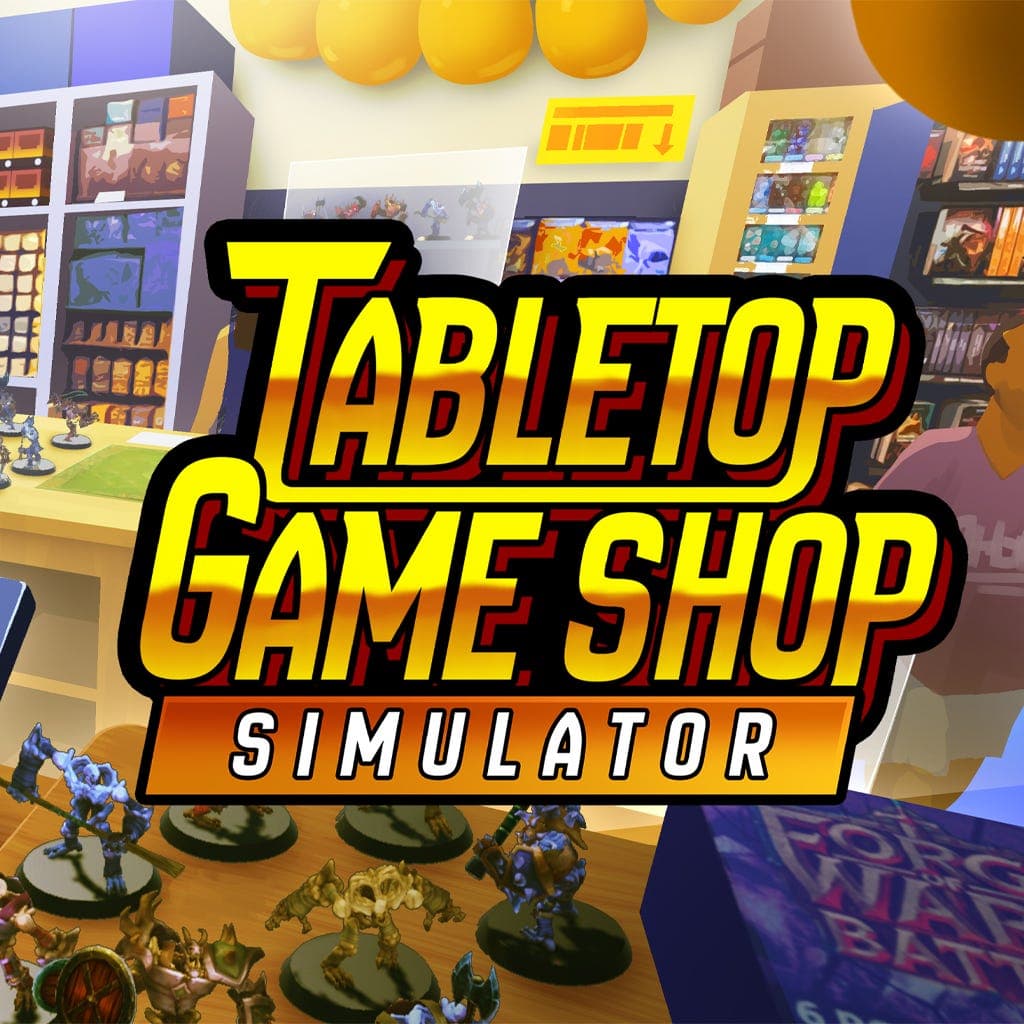
Tabletop Game Shop Simulator Turns Pack-Opening Hype Into a Full-Blown Management Game
Game intel
Tabletop Game Shop Simulator
Build the ultimate tabletop gaming store! Stock shelves with miniatures, rulebooks, and accessories, or crack open mystery packs to collect your own figures an…
Why This One Caught My Eye
I’ve lost too many evenings to “just one more day” shop sims, and Tabletop Game Shop Simulator looks primed to pull the same trick-with a twist that actually makes sense. Developed by Ludogram and Knight Fever Games, it isn’t just another cash register clicker. You’re running a tabletop and miniatures store, cracking mystery packs for rare parts, assembling and painting figures, and even battling regulars with your custom builds. The demo is live on Steam now, with a full release planned for 2025.
Key Takeaways
- Shop sim meets hobby sim: manage stock and pricing while handcrafting minis to sell or show off.
- Mystery packs are central-expect the thrill (and temptation) of pack opening without clear word yet on monetization.
- Staff hiring, store layout, and local “figurine battles” hint at a proper community-building loop.
- Demo is out now on Steam; launch is slated for 2025 with no exact date yet.
Breaking Down the Pitch
The core loop hits familiar beats: you’re the boss, you stock shelves, tune prices, and try to turn the curious foot traffic into a thriving community hub. Where it gets interesting is the collectible pipeline. You open mystery packs to find rare figure parts, assemble them into complete minis, then paint them to raise value. That’s basically the tabletop hobby-hunting, building, and painting—folded directly into a business management sim. It’s a smart angle that makes your backroom tinkering matter on the shop floor.
On paper, it also solves a common issue with shop sims like Supermarket Simulator and its ilk: the grind can get monotonous once you’ve optimized restock and checkout routines. Here, your best-selling items aren’t just bulk orders; they’re unique models you’ve created. That adds a creative layer reminiscent of Model Builder and Gunpla-style customization, with the added decision tension: do you sell that perfectly shaded mech for a fat margin, or keep it to flex in Friday night skirmishes against the regulars?
The Real Story: Pack Opening Without the Predatory Edge?
Let’s be honest: the words “mystery packs” set off alarms after a decade of loot boxes and gacha. The difference here is context: this is a single-player management sim, not a free-to-play card battler. The press info doesn’t mention real-money microtransactions, and the loop reads like in-game economy progression. That said, the devil is in the balance. If pack odds feel stingy or the grind to meaningful pulls is excessive, it could feel like a skinner box dressed as a hobby store. The demo is the place to test whether the dopamine hits feel earned or engineered.
What I’ll be watching during the demo: how quickly you access your first full rare miniature; whether common parts have enough value to keep cash flow steady; and if staff automation offsets the tedium of ringing up, cleaning, and restocking. Nothing kills a promising sim faster than clunky worker AI or a UI that makes you fight the shelves instead of running the business.
Industry Context: The Shop Sim Boom Meets Tabletop Culture
Shop sims have popped off on Twitch and YouTube because they’re the perfect slow-burn spectacle—streamers min-maxing aisles while chat tells them to stack the milk higher. But tabletop culture brings its own momentum. Pack-opening streams dominate social feeds, Warhammer painting TikToks collect millions of views, and local game stores double as social spaces. Tabletop Game Shop Simulator taps both vibes: the ASMR of careful painting and the spreadsheet satisfaction of a rising profit graph.
Crucially, adding in-store battles suggests a community loop rather than a pure throughput sim. Hosting showdowns with your own painted minis isn’t just flavor text; it’s a reason to keep your best pieces and build a store identity. If the game leans into events—weekend tournaments, seasonal meta shifts, maybe even trending themes that affect demand—it could have the long tail that many shop sims miss after week two.
Want to Level Up Your Gaming?
Get access to exclusive strategies, hidden tips, and pro-level insights that we don't share publicly.
Ultimate Gaming Strategy Guide + Weekly Pro Tips
What Gamers Need to Know
– Expect classic management systems: buying inventory, price tuning, shelf placement, hiring staff, and reacting to market trends and customer requests.
– The hobby loop matters: find rare parts via packs, assemble full minis, apply paint jobs to raise value, then choose between selling for profit or keeping for reputation and battles.
– Potential pitfalls: repetitive restock chores if automation is weak; pack RNG that feels grindy; shallow painting tools. The sweet spot is robust customization (layers, washes, decals) paired with meaningful business effects.
– The demo is your litmus test. Check pacing (do days fly by or drag?), UI clarity (fast price edits, clean inventory filters), and NPC flow (no aisle traffic jams, please). If it nails those, the 2025 version could be a comfort-food staple alongside the genre’s heavy hitters.
Looking Ahead
There’s legit promise here. Folding the thrill of collecting and painting into a management sim isn’t just clever; it’s authentic to how real hobby stores build community and cash flow. I’d love to see optional sandbox tools, difficulty sliders for pack rarity, and maybe mod support for custom minis—because if there’s one crowd that will mod the hell out of a painting system, it’s miniature fans. Until then, the demo on Steam should tell us whether Ludogram and Knight Fever Games have a weekend-wrecker on their hands or just another “one-day-and-done” shop sim.
TL;DR
Tabletop Game Shop Simulator blends store management with the tactile joy of building and painting minis, plus in-store battles to give those creations purpose. The demo’s out now; the big questions are pack balance, automation, and how deep the painting tools go. If those land, this could be 2025’s next cozy time sink—with a competitive streak.