
The interesting part is not that Strauss Zelnick says AI won’t replace creators. Plenty of executives are suddenly finding religion on that point now that players, developers, and regulators have stopped treating generative AI as a shiny toy. The interesting part is that Take-Two made those reassuring noises right after cutting the people who were actually building its internal AI capability. That’s the kind of contradiction you don’t hand-wave away just because GTA 6 is in the room.
At a recent Semafor summit, the Take-Two CEO argued that AI panic is overstated and said the tech should boost productivity rather than replace artists. He also reportedly said generative AI has played “zero part” in making Grand Theft Auto VI so far. On paper, that sounds like the sane middle position in an industry that keeps swinging between “AI will save everything” and “AI will kill game development.” In context, though, it lands differently: Take-Two had just laid off key members of its AI team in April, including AI leadership and senior technical staff tied to a group that came over from Zynga.
- Take-Two’s message is clear enough: AI is still useful, but the company wants tight control over where it actually spends money on it.
- Zelnick’s “AI won’t replace creators” line is sensible, but it also costs nothing to say after reducing the team working on internal AI tooling.
- The most important GTA 6 detail here is the least flashy one: if generative AI really had “zero part” in development, Rockstar is still betting on expensive human craft over AI shortcuts for its biggest release.
- The layoffs suggest this is less an anti-AI pivot than a corporate reprioritization problem – and gamers should read it that way.
Table of Contents (5)
This is what executive AI talk sounds like when budgets get real
Zelnick’s broader point is not crazy. Most of the apocalyptic AI talk around games has been inflated by investors, consultants, and tech demo culture. We’ve all seen the routine by now: a flashy prototype appears, stock chatter goes feral, and suddenly half the industry acts like handcrafted design is five minutes from extinction. It isn’t. Even the most aggressive AI demos still struggle with persistence, stability, authorship, legal risk, and the small issue of making something people actually want to play for 40 hours.
That’s why his claim that AI should automate mundane work rather than replace core creative labor sounds reasonable. It’s also why the layoffs matter so much. If Take-Two really believes AI is best used as a productivity layer inside development, then cutting experienced AI staff is not a minor footnote. It raises the obvious question: what exactly does the company want AI to do, and who is left to build that pipeline responsibly?
If I were in the room with Take-Two PR, that’s the question I’d ask first. Not whether the company “believes in AI.” Every public company says that now. I’d ask which internal use cases survived the cuts, which were abandoned, and whether this was a quality decision or simply a cost decision dressed up in strategy language.
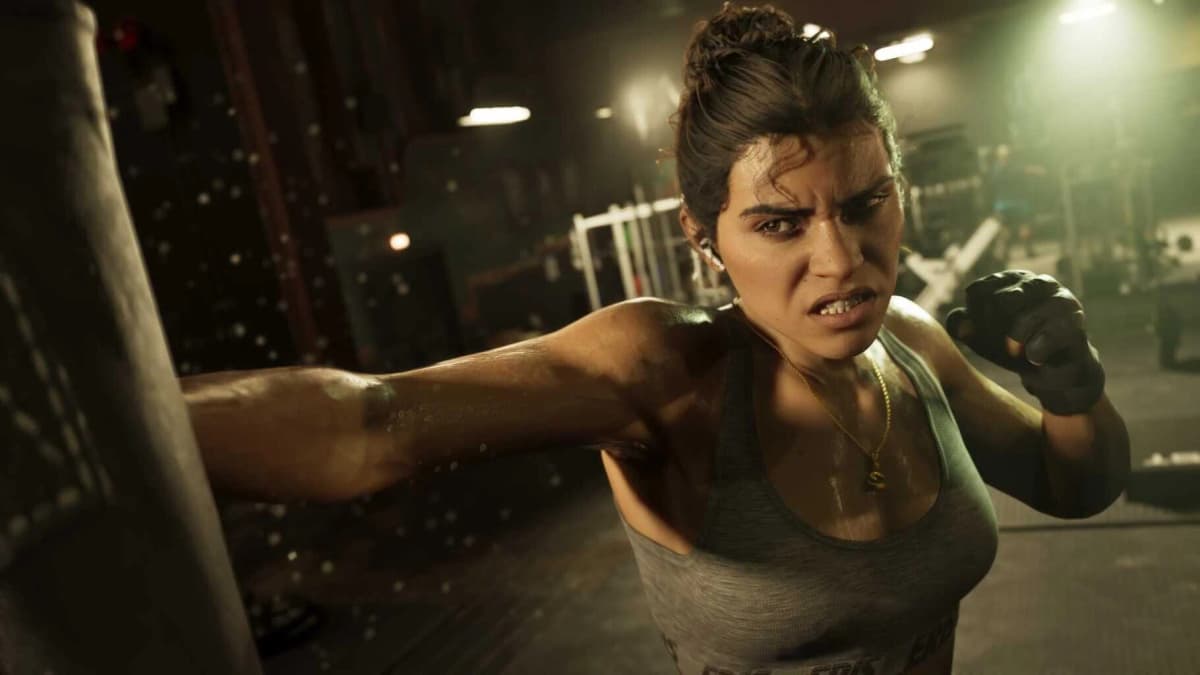
The GTA 6 angle matters because Rockstar is the wrong place for cheap shortcuts
There’s a reason GTA 6 sits at the center of this conversation even when the story is really about corporate positioning. Rockstar is one of the few studios left that can still sell “we spent an absurd amount of time and money making this by hand” as a feature, not a red flag. Whether people like Take-Two or not, the company knows GTA 6 is not the game you attach to an AI-first narrative unless you want a backlash for free.
So when Zelnick says generative AI has had no meaningful role in GTA 6’s creation, that isn’t just a defensive quote. It’s a signal. It tells you that on the most important product in the publisher’s portfolio, Take-Two still sees human authorship as part of the value proposition. Not because executives are sentimental, but because the audience for a game this expensive expects coherence, intent, and polish at a level today’s generative tools still cannot guarantee.
And yes, there’s a less noble interpretation too: maybe the tools simply weren’t ready, legally safe, or reliable enough to touch Rockstar’s crown jewel. That would also make sense. Big publishers love “efficiency” right up until it threatens schedule certainty or creates an IP headache big enough to scare investors.

The uncomfortable observation: this looks like selective AI enthusiasm
This is the part PR departments hate because it sounds harsher than it is. Take-Two does not look anti-AI. It looks selectively pro-AI in the most corporate way possible. Publicly embrace the upside. Publicly calm fears about replacement. Quietly reduce the expensive specialist teams that would turn broad AI ambitions into long-term internal infrastructure.
That pattern is all over the games business right now. Executives want the strategic halo of AI adoption without necessarily committing to the messy, slow, expensive work of building trustworthy tools and integrating them into production. Saying “AI will help artists” is easy. Funding the right people to make those tools useful, safe, and boringly reliable is the hard part.
That’s why this story matters beyond one round of layoffs. It tells us how Take-Two may be thinking about the next few years: protect marquee production, keep the AI door open in public, and trim anything that doesn’t map neatly onto near-term business priorities. From a quarterly earnings perspective, that’s understandable. From a long-term development strategy perspective, it can leave a company talking big while hollowing out the people needed to execute.
What to watch next
The next signal is not another AI panel quote. It’s whether Take-Two starts hiring back into practical AI-adjacent roles, especially workflow, data, automation, or tools engineering positions tied to production support rather than moonshot marketing language. If that happens, the layoffs may have been a reset. If it doesn’t, then the company’s current stance looks more like investor-facing moderation than a serious internal buildout.
The second thing to watch is how GTA 6 is discussed as launch gets closer. If Take-Two keeps emphasizing craftsmanship, detail density, and creative authorship while avoiding AI-heavy messaging, that tells you exactly where the publisher thinks the value still lives. And frankly, that would be the smart read of the room.
TL;DR
Take-Two laid off key AI staff, then had Strauss Zelnick publicly argue that AI should support creators rather than replace them. The contradiction matters more than the soundbite, especially since he also said generative AI played no real role in GTA 6’s development. The practical takeaway is simple: watch what Take-Two funds next, not what it says on stage.
FinalBoss // Gear
Level up your setup
01Top-rated gaming headsetson Amazon→02High-refresh gaming monitorson Amazon→03Gaming chairson Amazon→04Discounted game keyson Kinguin→Affiliate links · As an Amazon Associate, FinalBoss earns from qualifying purchases.
Want to Level Up Your Gaming?
Get access to exclusive strategies, hidden tips, and pro-level insights that we don't share publicly.
Ultimate Editor's Pick Strategy Guide + Weekly Pro Tips