
PC players did not get bad news about Grand Theft Auto VI this week so much as a blunt reminder of where they sit in Rockstar’s release hierarchy. Take-Two CEO Strauss Zelnick has now said the quiet part out loud: GTA 6 is launching on PlayStation 5 and Xbox Series X|S on November 19, 2026, because consoles are the “core consumer” for this series, and PC can wait. That is the official line. The more honest translation is simpler: Rockstar is sticking to a strategy that has worked for years, even if it irritates one of the biggest gaming audiences on the planet.
None of this is shocking if you’ve watched Rockstar for more than one hardware cycle. GTA 5 hit consoles first, then PC arrived much later. Red Dead Redemption 2 did the same. What matters now is not the delay itself, but that Take-Two is no longer pretending this is some mysterious timing issue. The company is openly framing PC as a later wave, not the main event.
Table of Contents (4)
“Core consumer” is corporate language for “you’ll buy it later anyway”
Zelnick’s explanation, given in a Bloomberg interview and echoed across multiple reports, is that Rockstar wants to serve its core audience first. In practice, that means building the launch around the biggest guaranteed install base for a blockbuster like GTA: console players who will buy day one, generate the cultural moment, and give the game its first explosive sales spike.
There is a business logic to that. Consoles offer a more controlled hardware target, easier certification, and a cleaner global rollout for a game that will be dissected frame by frame the second it goes live. If Rockstar believes November 19, 2026 is already a pressure cooker, adding a sprawling PC support matrix on top would complicate launch in ways no executive wants to explain to investors.
But let’s not pretend this is purely about quality control or noble craftsmanship. The uncomfortable observation here is the one PR teams never want stated too plainly: staggered launches can also mean staggered purchases. Rockstar has trained part of its audience to double-dip for more than a decade. Some players will absolutely buy the console version first and then buy the sharper, better-performing PC version later. That pattern is old, obvious, and still profitable.
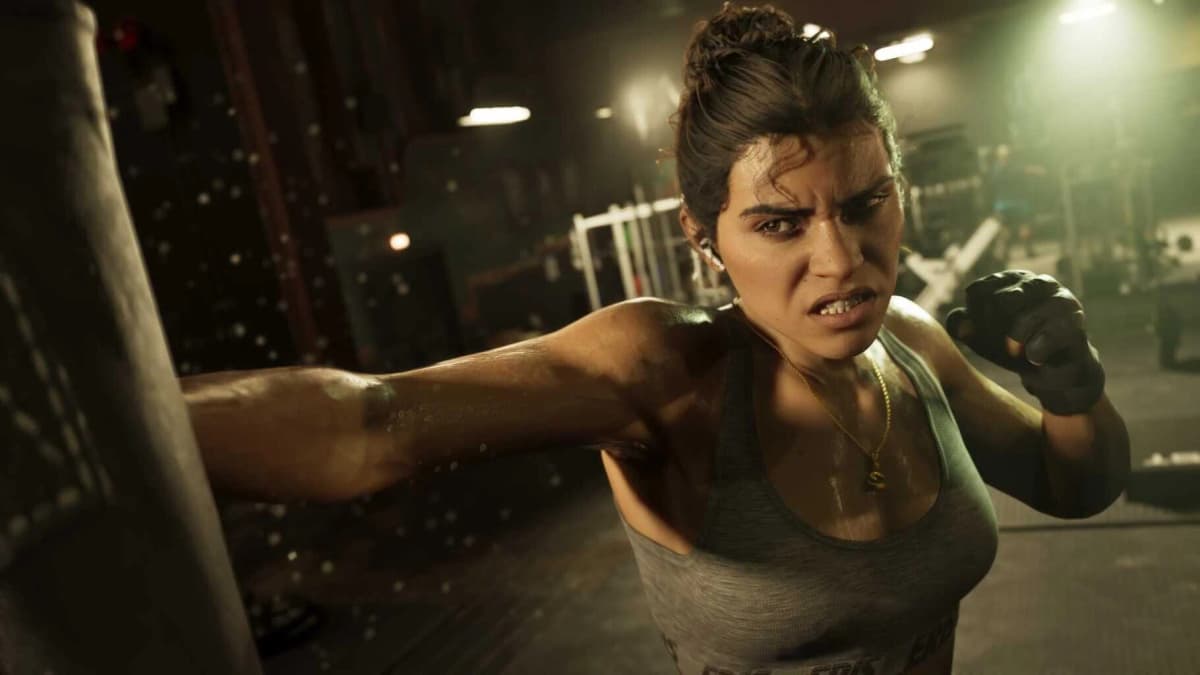
Rockstar is using a 2013-era playbook in a 2026 market
That is what makes this more interesting than a simple platform delay. The PC market is bigger, louder, and more commercially important than it was when GTA 5 first ran this routine. Publishers now treat PC as a core platform for live-service growth, long-tail sales, creator ecosystems, and premium upsells. Even Sony, after years of guarding exclusives, has become far more comfortable bringing former console tentpoles to PC.
Rockstar, by contrast, is still acting like PC is the deluxe second serving. Maybe that sounds stubborn. Maybe it is. But Rockstar also has the rare leverage to get away with it. Almost nobody else could tell the PC market, “Not now,” and expect the market to shrug and keep its wallet warm. GTA can. That doesn’t make the strategy player-friendly. It just means the franchise is powerful enough to ignore the usual rules.
There is also a reputational angle here. Every GTA launch is bigger than games media coverage; it becomes general entertainment news, investor theater, and internet weather. Rockstar likely wants one clean detonation, not a split rollout with competing narratives about performance, mods, anti-cheat concerns, or the usual day-one PC troubleshooting circus. If the company can control the first chapter on console, then come back later with a technically enhanced PC version, that is not an accident. It is product sequencing.
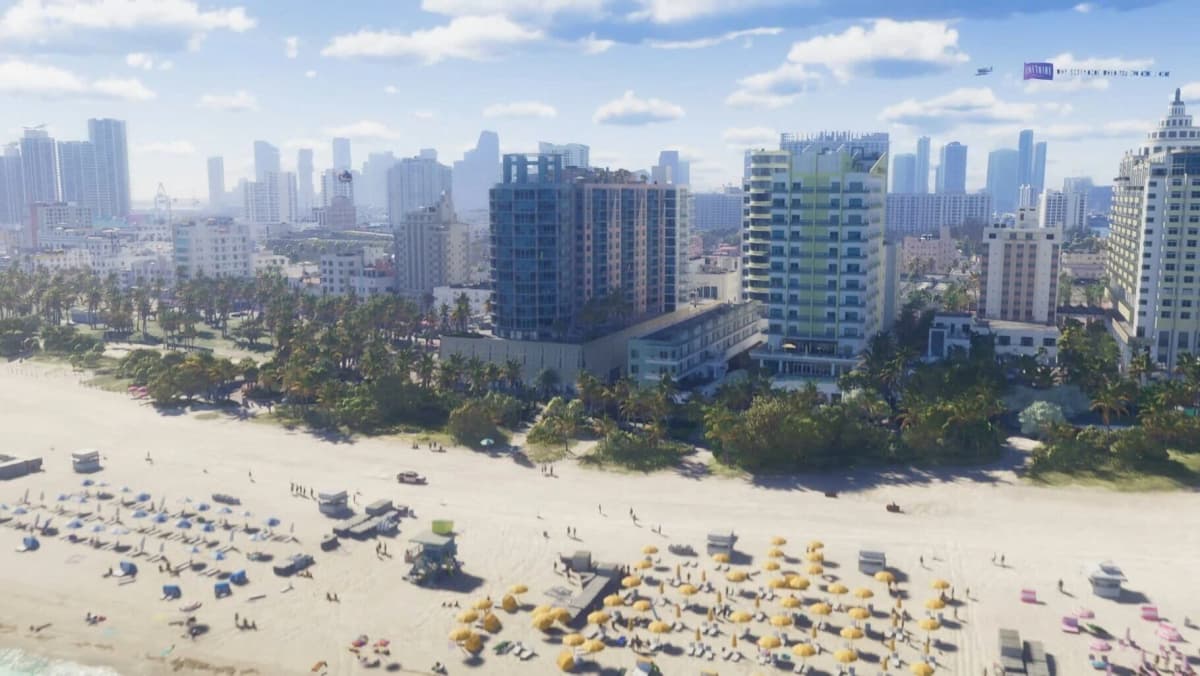
The question Take-Two still doesn’t want to answer
The real question is not whether GTA 6 will hit PC. History says it probably will. The real question is how long Rockstar thinks it can leave that audience in limbo without paying a price in goodwill. Right now, there is still no announced PC release date. Not a window. Not a “coming later.” Just a familiar implication floating over an unconfirmed schedule.
If I were in the room with Take-Two PR, the question would be painfully direct: if PC is large enough to matter to your long-term business, why are you still treating it like an encore instead of part of the main show? Because “core consumer” explains the priority order, but it does not explain the silence. If the PC version is truly part of the plan, the company is choosing strategic ambiguity over clarity. That keeps expectations flexible, but it also keeps distrust alive.
And yes, there is a fair counterargument. Rockstar’s games are among the most technically ambitious open-world releases in the business, and a rough PC launch would do more damage than a delayed one. That is credible. But if quality is the whole story, say that plainly and give a rough timeline. The refusal to do that is why the usual cynicism keeps winning.
What to watch next
The first thing to watch is whether November 19, 2026 actually holds. Rockstar has already pushed for more polish once, and a date this massive only matters when the discs are effectively on trucks. The second is whether Take-Two starts dropping softer language around PC later this year or early in 2027. That will tell you whether the company is preparing a relatively short delay, like Red Dead Redemption 2, or something closer to the longer GTA 5 gap.
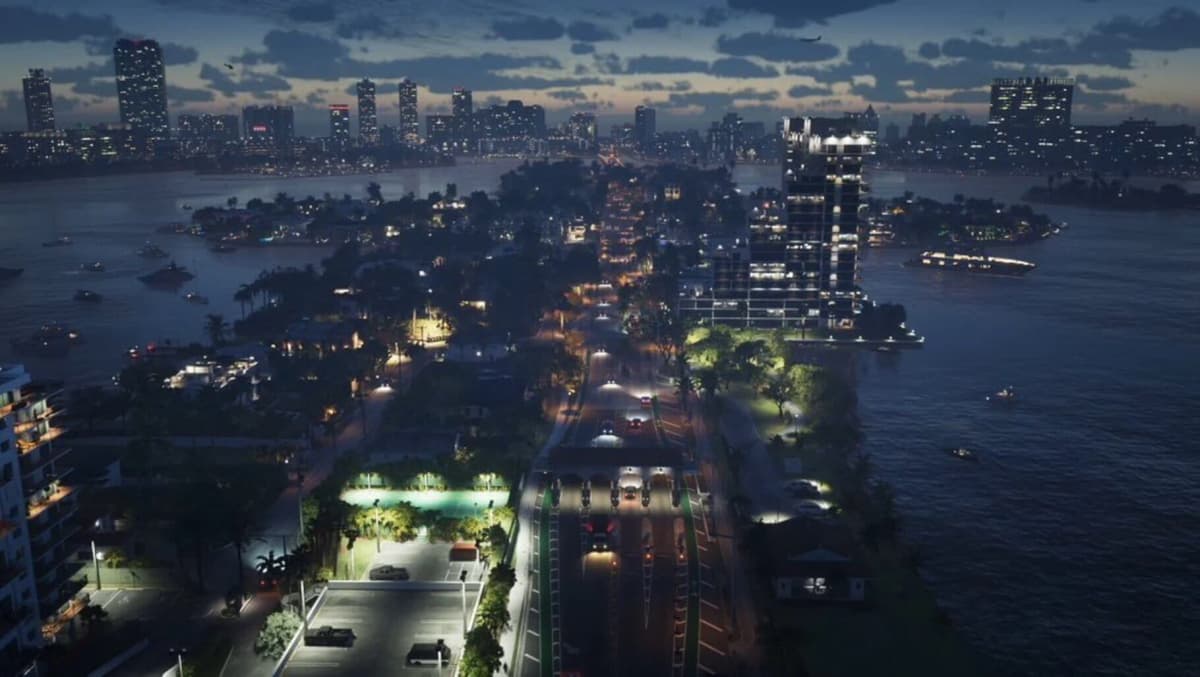
The third signal is marketing structure. If Rockstar’s post-launch messaging starts emphasizing technical upgrades, creator tools, or expanded online ambitions, that is usually where the eventual PC pitch begins to take shape. You do not need a press release to see that machine warming up. You just need to know Rockstar’s habits.
FinalBoss // Gear
Level up your setup
01Graphics cardson Amazon→02Gaming laptopson Amazon→03High-refresh gaming monitorson Amazon→04Discounted game keyson Kinguin→Affiliate links · As an Amazon Associate, FinalBoss earns from qualifying purchases.
Want to Level Up Your Gaming?
Get access to exclusive strategies, hidden tips, and pro-level insights that we don't share publicly.
Ultimate Gaming Strategy Guide + Weekly Pro Tips