
If you were waiting for the other shoe to drop on Grand Theft Auto VI, it hasn’t. The only date that actually matters right now is still Thursday, November 19, 2026. Rockstar already locked that in via its official Newswire post last November, and Take-Two’s latest comments amount to a public repeat of the same message: no new delay, no stealth walk-back, no clever corporate phrasing that changes the plan.
That sounds obvious, but it matters because the GTA 6 rumor economy has become its own side business. Every quiet week gets treated like evidence. No trailer? Delay panic. Retail leak? Pre-order frenzy. Executive caution on an earnings call? Here comes another round of “reading between the lines.” What Take-Two is doing instead is much simpler: calming investors and consumers by saying the release target remains intact after the earlier, already-public delay.
Table of Contents (5)
This is reassurance, not a new announcement
The key distinction most headlines blur is the difference between reiterating a date and revealing a date. Rockstar’s official position has been unchanged since its November 6, 2025 Newswire update, which explicitly set GTA VI for November 19, 2026. That is the authoritative source. Everything since then has been noise layered on top of it.
So when Strauss Zelnick goes out and says he feels good about that date, the interesting part is not that the game still has one. We already knew that. The interesting part is that Take-Two feels the need to keep repeating it. Public companies do not volunteer reassurance for fun. They do it when market nerves are noticeable enough to warrant a response.
That tells you two things. First, the “delay talk” is real as a market sentiment problem, even if it is not real as an official scheduling change. Second, Take-Two thinks the current plan is credible enough to defend in public, which is not something a publisher usually leans into if it expects another near-term slip.

The uncomfortable truth: GTA VI is so big that silence becomes a story
This is the curse of being the biggest game in the industry. Rockstar can go quiet for a normal amount of time and the internet treats it like a distress flare. That is partly Rockstar’s fault. The studio trained players to expect long stretches of controlled silence punctuated by massive beats, but GTA VI is operating at a scale where that old playbook now creates its own backlash.
Some recent reporting has pointed to executive comments suggesting the project is roughly 18 months behind an earlier internal target. If that reporting is accurate, it explains why people are jumpy. But even then, there is a huge difference between “this slipped from an old internal plan” and “another delay is imminent.” AAA development schedules move all the time. The public date is the one that counts, and that public date has just been re-endorsed by the publisher.
The PR team would prefer you focus on confidence. The more useful player-first read is this: Take-Two is trying to stop speculation from becoming the dominant narrative before the real marketing machine spins up. Because once the conversation becomes “this thing is definitely slipping again,” every future beat gets filtered through that suspicion.
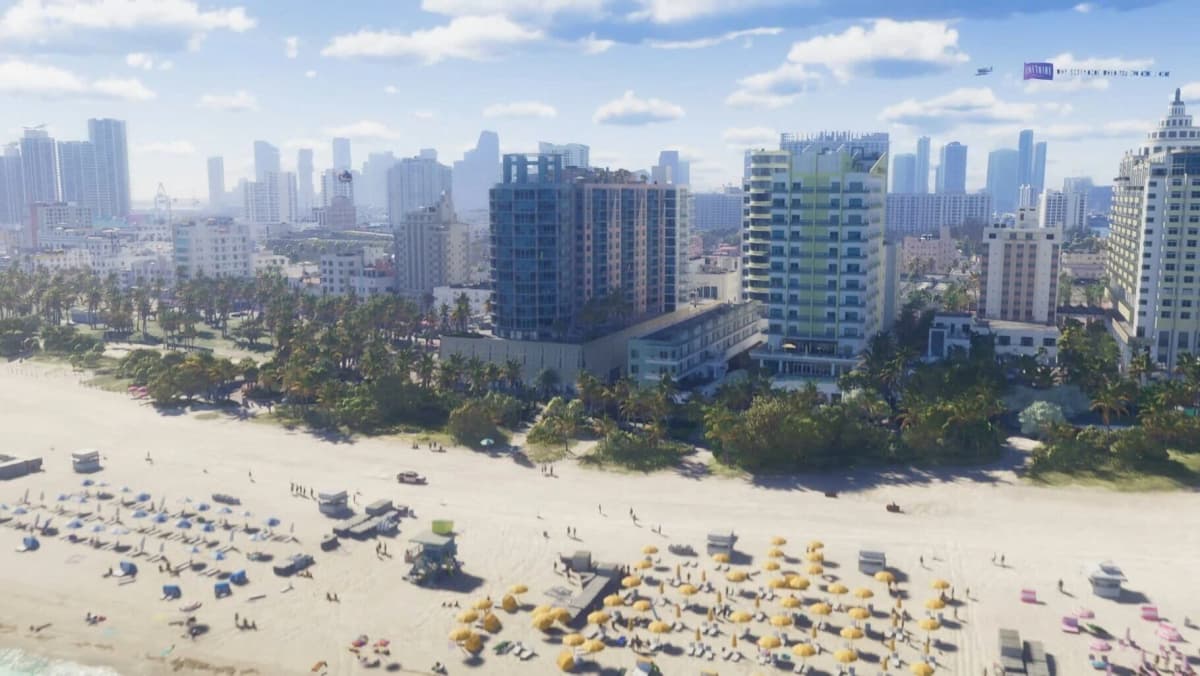
What this probably says about the marketing calendar
If November 19, 2026 is genuinely firm, then the next few months should start looking less like a blackout and more like a runway. Not necessarily a constant stream of reveals; Rockstar does not market like Ubisoft on espresso. But a locked date usually implies practical downstream commitments: retailer coordination, platform-holder promotion, pre-order timing, ratings progress, and the broader ad campaign that only makes sense once the publisher is willing to stand behind a launch window with real conviction.
That is the player takeaway here. This statement is less about feelings and more about timing. If you’re wondering when you can realistically start planning a purchase, a collector’s edition decision, or time off around launch, the answer is that Take-Two wants you treating November 19 as real. Not “placeholder real.” Real enough to defend publicly.
The historical anchor here is simple: big Rockstar games often feel invisible until they suddenly don’t. Then the campaign arrives in carefully staged bursts. The difference now is that GTA 6 exists inside a much louder rumor ecosystem, where even alleged retail emails and affiliate chatter can hijack the conversation for a week. That makes official repetition more important than it would be for almost any other game.
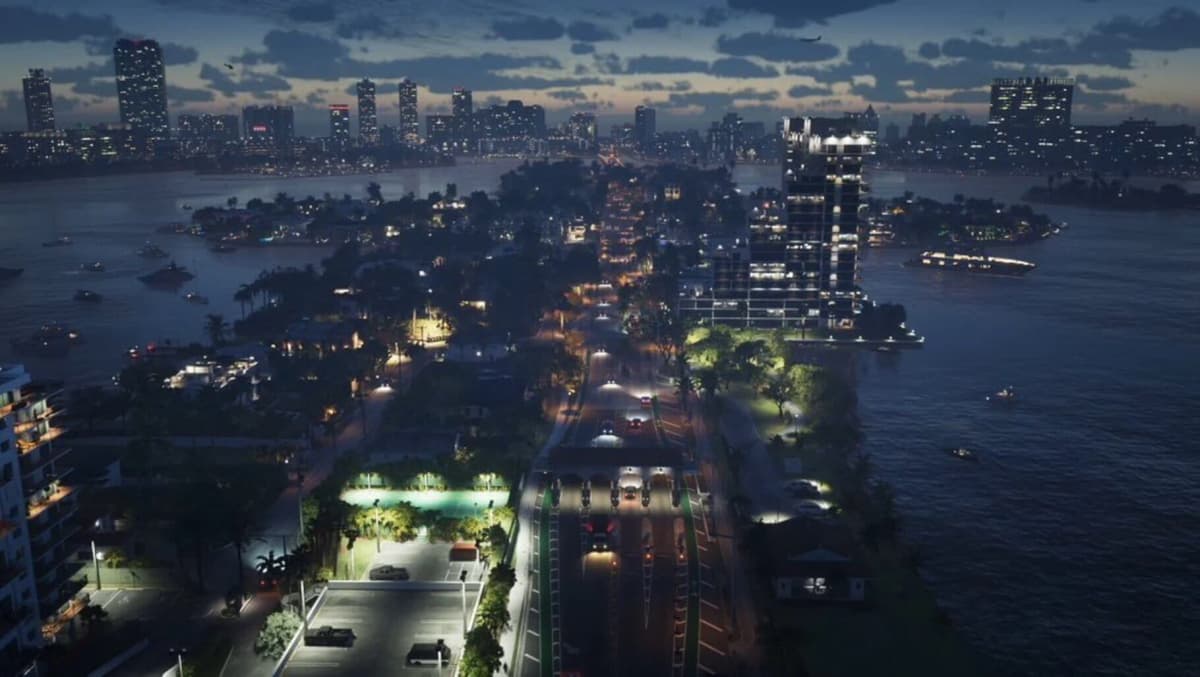
The real question isn’t the date – it’s what version of launch we’re getting
The question I’d put to Take-Two’s PR team is not “are you still confident?” They’ve answered that. The real question is what exactly November 19 means in practical terms. Is this a full-scale, global launch posture with pre-orders, platform bundles, and a final marketing cadence ready to go? Or is it a date they still believe in while keeping the rest of the machine deliberately vague?
There is also the PC-shaped hole in the conversation. Current messaging still centers on a console launch, and that matters because Rockstar has a long history of staggering platform releases. For console players, this latest reassurance is useful. For PC players, it is useful in a more annoying way: it reinforces that the confirmed thing is still the console date, not a broader day-one all-platform plan.
What to watch next
- A formal pre-order rollout from Rockstar or major retailers. That is usually the point where confidence stops sounding theoretical.
- The next trailer or substantive info drop. If November is truly locked, the marketing pace should start to look intentional rather than absent.
- Platform-specific details, especially around PC. Silence there will keep feeding a separate wave of skepticism.
- Any future Take-Two investor messaging that shifts from confidence language to hedged wording. That is the wording change worth watching, not random rumor spikes on social media.
For now, the honest read is pretty straightforward. GTA VI was already delayed. That part happened. What has not happened is a new official move off November 19, 2026. Take-Two keeps restating the date because it wants the market to stop treating silence as evidence of collapse. Until Rockstar says otherwise, that date is the plan gamers should use.
FinalBoss // Gear
Level up your setup
01Top-rated gaming headsetson Amazon→02High-refresh gaming monitorson Amazon→03Gaming chairson Amazon→04Discounted game keyson Kinguin→
Affiliate links · As an Amazon Associate, FinalBoss earns from qualifying purchases.
Want to Level Up Your Gaming?
Get access to exclusive strategies, hidden tips, and pro-level insights that we don't share publicly.
Ultimate Gaming Strategy Guide + Weekly Pro Tips