
I’ve made a habit of tuning into Take-Two’s earnings calls every quarter, partly for the numbers and mostly for whatever stray detail about GTA 6 sneaks into the financial chatter. Today’s call gave us clarity on three things fans actually care about: the release date, marketing, and whether Rockstar quietly handed its world maps to AI. Short answer: November 19 stands, marketing begins this summer, and Zelnick insists generative AI had “zero part” in building Rockstar’s worlds.
Table of Contents (5)
Take-Two boss says generative AI “shouldn’t be” used to create GTA 6’s worlds – and marketing will start this summer
- GTA 6’s release date remains November 19; Take-Two plans a marketing push starting “this summer.”
- Strauss Zelnick says generative AI had “zero part” in Rockstar’s worldbuilding; company-wide AI pilots are still rolling out for efficiencies.
- Take-Two denies rumors it will stagger physical editions to prevent leaks.
- Zelnick frames AI as a tool for mundane tasks – helpful for studios, but not a substitute for handcrafted design.
{{INFO_TABLE_START}}
Publisher|Take-Two Interactive
Release Date|November 19
Category|Action-adventure / Open-world
Platform|Unspecified
{{INFO_TABLE_END}}
Why this caught my attention
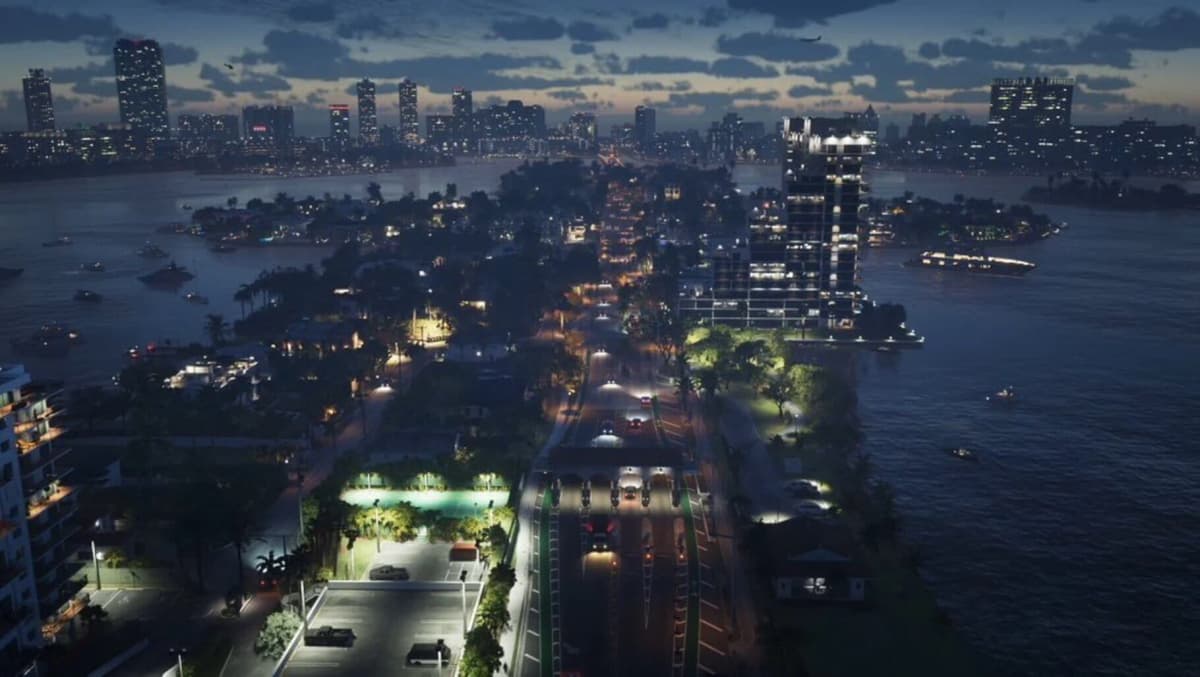
This is the moment when the question of AI intersects with one of gaming’s biggest cultural events. Rockstar’s open worlds are a major part of the studio’s identity; if those worlds were procedurally generated or AI-assembled, it would change how players read every street and NPC. Zelnick’s blunt line that the maps are “handcrafted” reassures fans – and sets a public standard about what players expect from a AAA open-world release in 2025-ish era publishing.

Analysis and context
There are three threads worth unpacking. First: the release and marketing timeline. Confirming November 19 and saying marketing starts “this summer” signals confidence. A big, coordinated campaign is typical for a title expected to break records; that Take-Two is committing to traditional hype rather than a slow drip suggests they’re comfortable with the schedule.
Second: the physical-edition rumor debunk. Publishers have staggered or locked shipments before to reduce early leaks — but Take-Two says that’s not the plan. That’s a welcome move for collectors who hate staggered releases and retailers who prefer predictable launch windows. It also suggests Take-Two believes they can control supply chains and retail security without fragmenting launch-day availability.

Third—and most interesting given today’s headlines—Zelnick’s comments on AI are two-sided. He’s bullish about generative AI as a productivity and cost tool across Take-Two (“hundreds of pilots”), but he also draws a clear line when it comes to Rockstar’s creative output. Saying generative AI had “zero part” likely means Rockstar didn’t use AI to generate core world geometry, mission design, or environmental storytelling. That distinction is meaningful: many studios are experimenting with AI-assisted tooling (dialogue variants, QA automation, asset iteration) while keeping the creative spine handcrafted.
Still, the claim should be read with cautious optimism. “Zero part” is strong PR language — and there’s a big difference between AI authoring content and AI-assisted pipelines for repetitive tasks. If Take-Two is using AI to speed up asset tagging, localization, or build validation, that wouldn’t contradict Zelnick’s statement but would signal a subtle shift in production workflows industry-wide.
What this means for players
- If you were worried that GTA 6’s map would be a procedurally generated playground, Zelnick’s comment reassures that Rockstar aimed for intentional, human-crafted detail — the kind of carefully tuned spaces that feed emergent stories.
- Expect a full-scale marketing campaign to ramp this summer; preorders, trailers, and big ad buys are likely, which should reduce last-minute launch uncertainty.
- The industry trend is clear: generative AI will be used to streamline studio work, but public-facing creative choices will still be framed as artisanal — at least for marquee titles where authenticity is a selling point.
For enthusiasts who care about craftsmanship, Rockstar’s stance is a relief. For the rest of us, the practical impact is that AI will probably make some production tasks cheaper and faster — but not replace the human decisions that define Rockstar’s style.
TL;DR
Take-Two confirms GTA 6’s November 19 launch and a marketing push starting this summer, denies planned staggered physical releases, and says generative AI played “zero part” in Rockstar’s worldbuilding. Meanwhile, Take-Two is embracing AI pilots company-wide for efficiencies — a pragmatic split between using AI for tooling while keeping marquee creative work handcrafted.
FinalBoss // Gear
Level up your setup
01Top-rated gaming headsetson Amazon→02High-refresh gaming monitorson Amazon→03Gaming chairson Amazon→04Discounted game keyson Kinguin→Affiliate links · As an Amazon Associate, FinalBoss earns from qualifying purchases.