
Tavern Keeper finally opens its doors: what 11 years of dev actually gets you
Game intel
Tavern Keeper
In Tavern Keeper you manage a tavern, building, bartering, cooking and cleaning your way to success in a humorous fantasy world. Starting out with a shell of a…
Why Tavern Keeper finally grabbed my attention
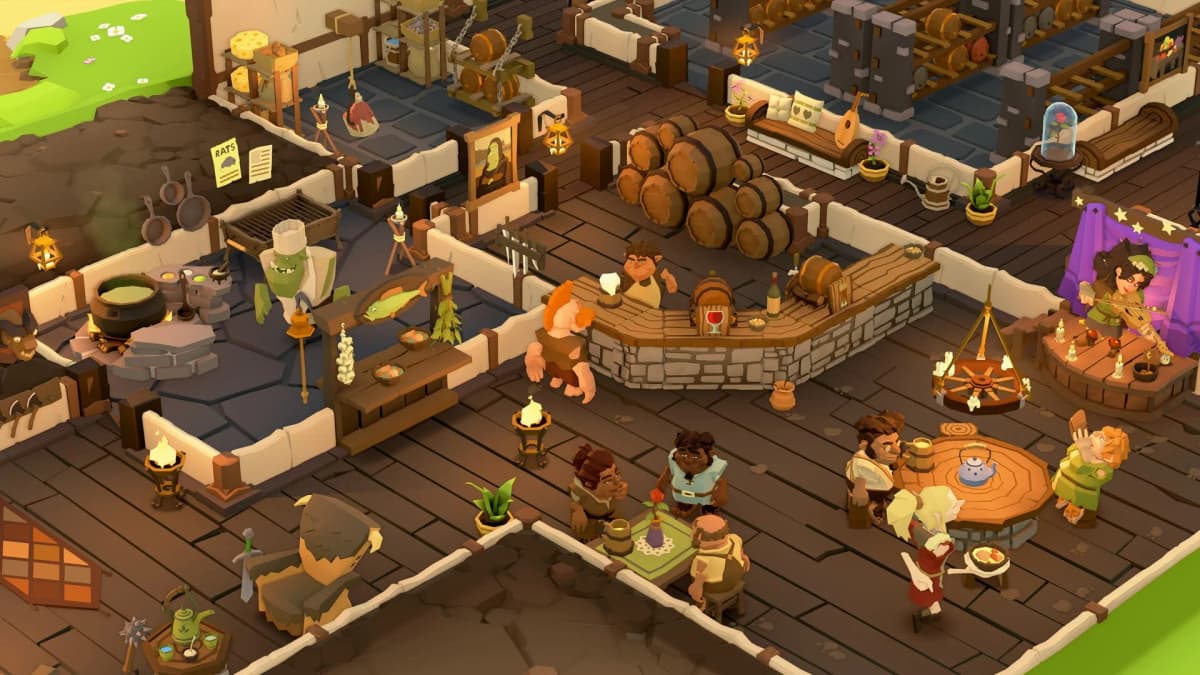
After more than a decade of tweets, prototypes, and “it’s still cooking” updates, Greenheart Games is finally serving Tavern Keeper in Steam Early Access on November 3. The new story trailer sells a cozy fantasy vibe, but it’s the updated, untimed demo dropping ahead of October’s Next Fest that made me sit up. Untimed demos are a flex; they say, “We’re confident you’ll like it if you actually play it.” Coming from the folks behind Game Dev Tycoon-a sim that punched way above its weight-this blend of business management, creative decoration, and interactive storytelling could be the tavern sim that sticks.
Key takeaways
- Early Access begins November 3 on Steam for PC; pricing isn’t announced yet.
- An updated, untimed demo ahead of Next Fest lets you take your time and stress-test the loop.
- The pitch: a deep management sim wrapped in cozy decor sandboxing and story-driven patron encounters.
- Big question marks: feature depth at launch, update cadence, and how meaningful the “interactive storytelling” really is.
Breaking down the announcement
On paper, Tavern Keeper aims to be more than “Tavern Master but prettier” or “Traveller’s Rest with extra steps.” Greenheart is talking about three pillars: the business layer (staff, supplies, margins), the creative layer (build-and-decorate to attract certain crowds), and a story layer (events and choices that shape your reputation). That third pillar is where most sims stumble. Too often, the “stories” are just pop-up tooltips with small modifiers. If Greenheart can make patron encounters feel closer to a RimWorld-lite storyteller-less grim, more mischievous—that’s a real differentiator in a crowded cozy-sim lane.
The timing makes sense. Cozy management has exploded in the last five years—think Bear and Breakfast’s charm wrestling with shallow systems, or Disney Dreamlight Valley’s grindy progression hiding under its warmth. Players want comfort and depth. Eleven years in development suggests scope changes and high ambition; Early Access is the right safety valve, as long as the roadmap is clear and updates come fast enough to maintain momentum.
The real story for players: systems over vibes
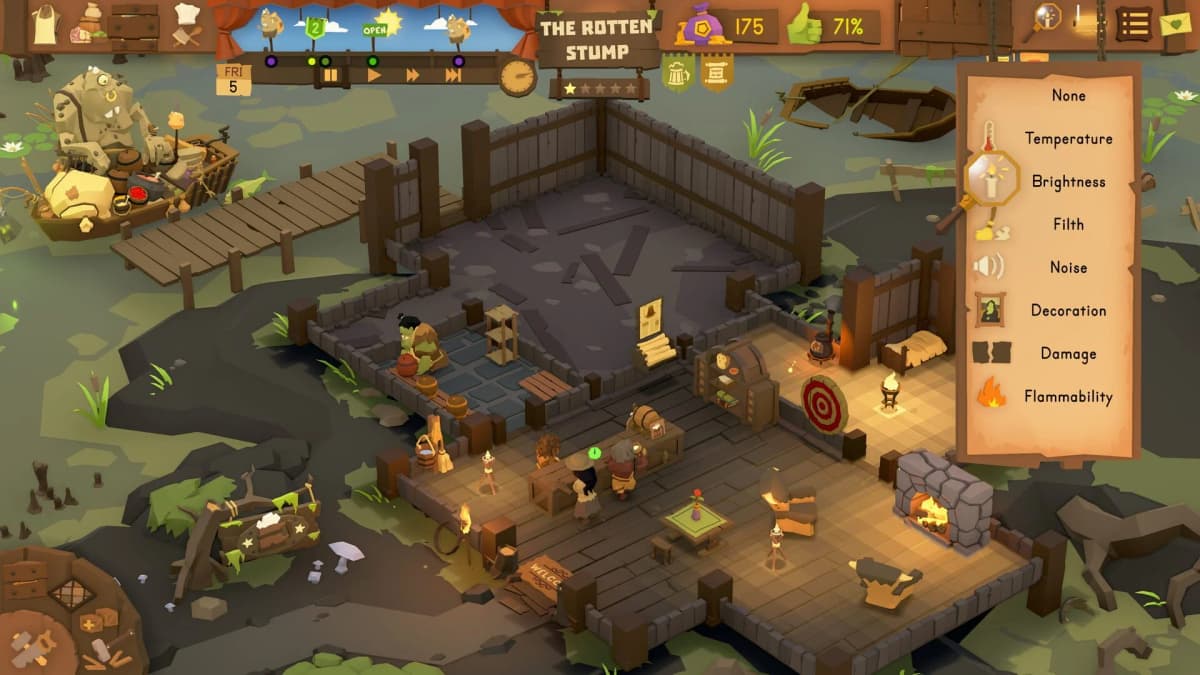
Let’s talk substance. A tavern sim lives or dies on three things: AI, friction, and feedback. If customer pathfinding gets tangled when your pub fills up, the fantasy falls apart. If there’s no meaningful friction—staff stamina, supply chain choke points, seasonal demand swings—you end up with a decorative diorama and a spreadsheet on autopilot. And if the game doesn’t clearly communicate what’s going wrong and why (heat maps, service queues, satisfaction breakdowns), optimization becomes guesswork instead of mastery.
The demo being untimed is perfect for testing exactly that. Build a choke-point corridor, watch if your cleaners smartly reroute. Overdecorate a corner and see if patrons get stuck. Spike drink prices and track how reputation reacts over multiple in-game days. Try expanding too fast and watch if the economy slaps your wrist or shrugs. These are the stress tests that separate “nice trailer” from “compulsively replayable sim.”
I’m also watching for automation layers. Great management games let you start micromanaging, then unlock automation to scale—think priority systems, staff routines, and smart restocking. If Tavern Keeper supports that escalation, its creative sandbox won’t feel like busywork once your tavern grows beyond a two-table nook.
Why Greenheart’s track record matters
Game Dev Tycoon worked because it distilled a complex industry into readable systems, then sprinkled memorable flavor on top. It also became a cult favorite thanks to player-first decisions (who else shipped a “pirated” version that simulated piracy?). That history sets expectations: transparent communication, thoughtful systems, and a willingness to tweak designs based on feedback. Early Access isn’t an excuse; it’s a pact. If Greenheart shows a clear roadmap, addresses pain points quickly, and resists feature bloat, Tavern Keeper could mature into the definitive tavern sim.
Want to Level Up Your Gaming?
Get access to exclusive strategies, hidden tips, and pro-level insights that we don't share publicly.
Ultimate Gaming Strategy Guide + Weekly Pro Tips
What gamers should watch at launch
- Scope of the story layer: Are patron encounters choice-driven with tangible outcomes, or brief flavor text with tiny modifiers?
- Economic depth: Do supply costs, seasonality, and reputation meaningfully affect margins, or is it “set and forget” pricing?
- AI reliability: Pathing under pressure, staff prioritization, and recovery from chaos (fires, spills, event nights).
- Build freedom vs. function: Are decorative choices purely cosmetic, or do layouts and themes shape clientele and behavior?
- Roadmap clarity: Update cadence, feature priorities, and how much of the advertised vision is in the EA build on day one.
- Price-to-content: With the tag still unknown, gauge how much sandbox and story you’re getting at the Early Access starting line.
How to get the most from the demo
Skip the screenshot tour and actually push the systems. Build a weird layout to test pathfinding. Run a shift with the bare minimum staff to see how quickly service degrades. Identify the UI’s hidden gems—service queues, guest thoughts, spend breakdowns—and decide if the game communicates enough to act without guesswork. Also try swapping decor themes mid-run; if the simulation responds with different patrons and behaviors, the sandbox layer is doing heavy lifting.
If you’re controller-curious or accessibility-focused, check bindings, font scaling, and color options in the demo now rather than hoping for day-one fixes. Early Access is when those requests actually shape the build.
TL;DR
Tavern Keeper hits Steam Early Access on November 3 after 11 years of development, with an untimed demo live ahead of Next Fest. The pitch—management depth plus cozy decorating and interactive stories—could finally give tavern sims a standard-bearer. I’m optimistic, but the real test is in the demo: if AI, economy, and feedback hold up under stress, this could be one of 2025’s most moreish sims.