
Tencent Scrambles to De-Horizon-ify Light of Motiram—Is It Enough?
Game intel
Light of Motiram
Light of Motiram is an open-world survival game where you explore a world overrun by colossal machines, explore the vast open world, build your base of operati…
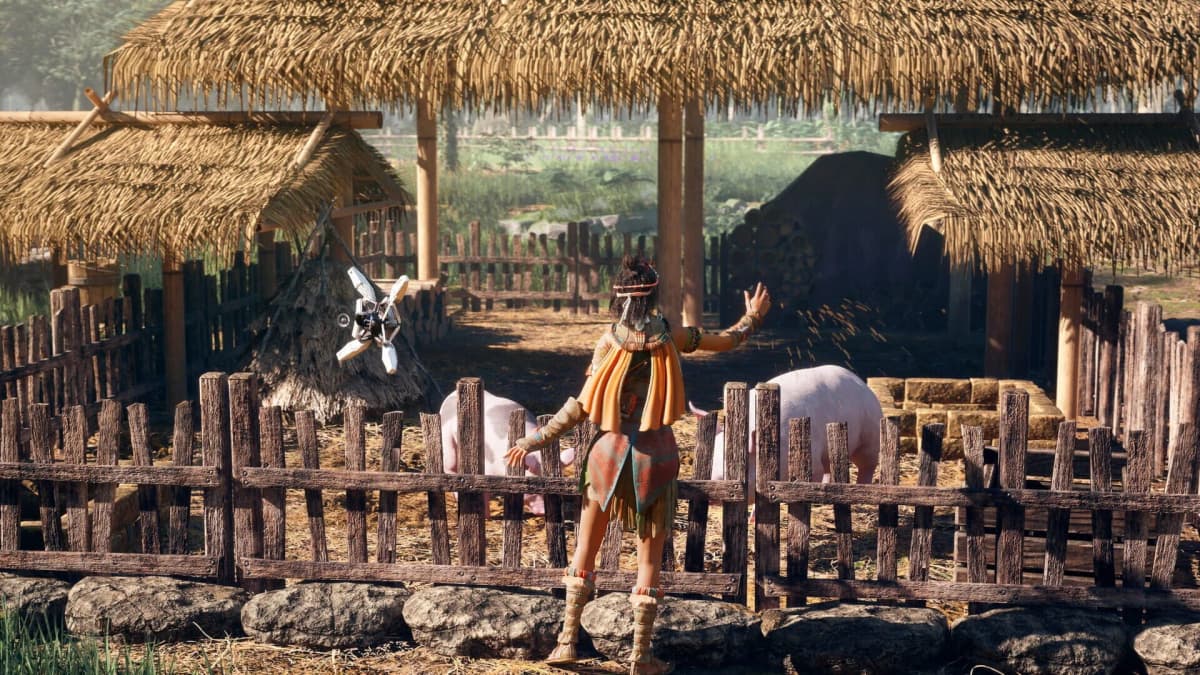
When Light of Motiram first surfaced on Steam, veteran gamers felt an immediate case of déjà vu. Anyone who’s traversed the post-apocalyptic wilds of Guerrilla Games’ Horizon series could spot the “inspiration” at a glance: rust-red hair, a bow slung over the shoulder, mechanical beasts roaming open landscapes. So it wasn’t a huge surprise when Sony stepped in, filing a federal copyright lawsuit on July 25, 2025, accusing Tencent and its Polaris Quest studio of creating a “clone servile” of Horizon. What followed was a rare—and very public—backpedal from the Chinese giant. But does tweaking a few lines of Steam copy and swapping out key art really turn a potential knockoff into a fresh title? Let’s break down the saga.
The Sony vs. Tencent Showdown
Sony’s legal action came after a failed licensing pitch at GDC 2024, where Tencent allegedly tried (and was refused) to secure official permission to build on the Horizon universe. In the complaint filed in California, Sony outlined three main grievances:
- A protagonist with red braids and an over-the-shoulder camera angle practically identical to Aloy.
- “Mechanimals”—Tencent’s term for mechanical wildlife—eerily mirroring Horizon’s signature robo-beasts.
- An open-world, post-apocalyptic setting and survival gameplay mechanics that echoed Guerrilla’s formula down to the polish.
With these points, Sony argued that Tencent wasn’t paying homage—it was lifting elements wholesale. And in an industry where IP defense matters as much as innovation, Sony sent a clear signal: push the envelope, and you might force your way into court.
Timeline: From Outing to Overhaul
Thanks to SteamDB, we know exactly how fast Tencent reacted. Within a week of the lawsuit going public:
- All mentions of “machines,” “colossal mechanimals,” and “forge a new path” were scrubbed from the synopsis.
- Key artwork featuring an Aloy-esque heroine on a ridge was replaced by two generic robotic sidekicks.
- A vague release window—Q4 2027—was added, signaling major work was likely underway.
In game development terms, a one-week turnaround on promotional assets is lightning fast. But as we’ll see, speed doesn’t necessarily equal substance.
Changing the Synopsis: Vague by Design
The original description on Steam used phrases like “train your mechanimals,” “hunt colossal beasts,” and “unravel secrets in a ruined world.” Post-lawsuit, every word that smelled of Horizon was banished. Now, you’ll read about “survival,” “building,” and “strategic use of your environment” without any direct reference to mechanical wildlife. Sony’s lawyers may be appeased, but players who remember the earlier copy will recognize the rearranged deck chairs.
It’s worth noting that not every trace was wiped. A few stray mentions of “mécanimaux” and “boss encounters” still lurk in community discussions and archived review snippets. This half-hearted wipe suggests a focus on legal smoke and mirrors rather than a deep creative rethink.
Artwork Swap: Out With the Old, In With the Generic
Visual branding is crucial in a crowded Steam library. The original key art for Light of Motiram featured a solitary figure standing atop a cliff, bow at the ready, mechanical creatures roaming below—an image so close to Horizon’s promotional shots that it was practically a screenshot swap. Tencent’s “fix”? Two cutesy robotic companions against an abstract backdrop, with no human character in sight.
While the new art distances the game from outright imitation, it also strips the title of its only memorable hook. Is that an improvement? It might dull the legal spotlight, but it also makes the game look like a generic survival indie—a risky trade if you’re trying to stand out.
Anatomy of a Copycat
Before the lawsuit, Light of Motiram checked nearly every “Horizon” box:
- Protagonist design: red hair, tribal decals, leather straps, and a bow—sound familiar?
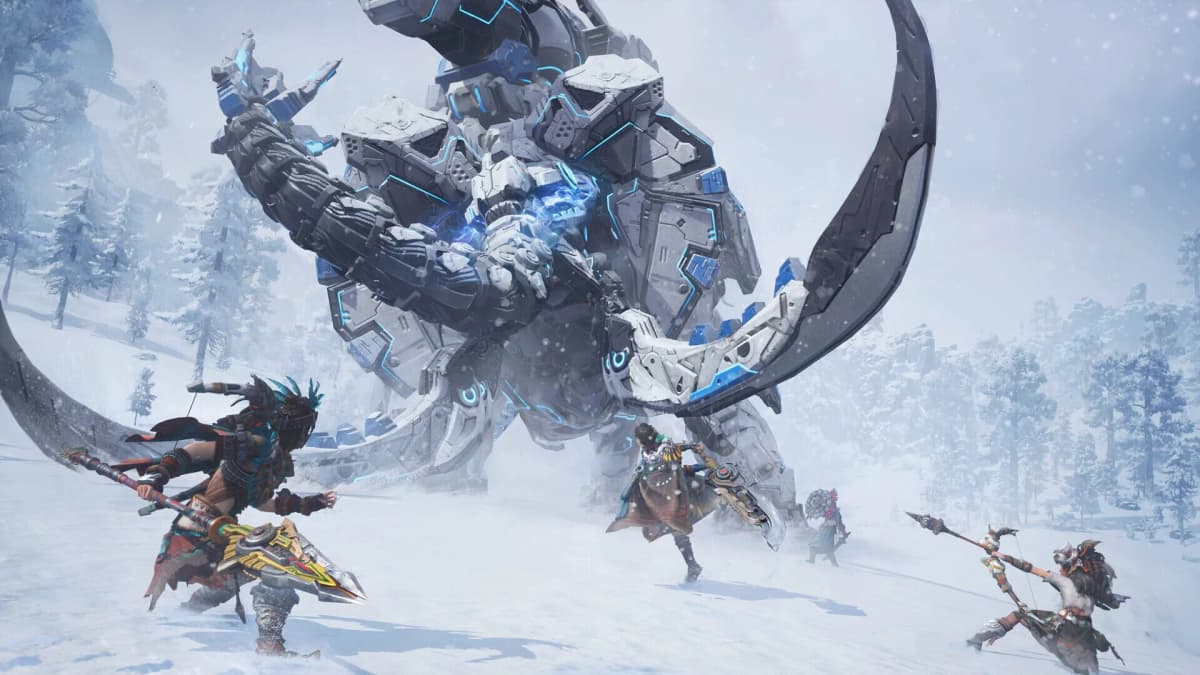
- Mechanical fauna: from grazing herds to towering apex predators, each “mécanimaux” mirrored Horizon’s machines almost frame by frame.
- Gameplay pillars: resource gathering, crafting, and open-world exploration under a toxic sky.
These aren’t superficial nods. They’re structural parallels that go beyond genre conventions. Asking whether this is “inspiration” or “plagiarism” is a bit like debating whether borrowing a tire iron and a hood ornament from a sports car makes yours a Ferraris. Tencent clearly pushed right up to—and over—the line.
Want to Level Up Your Gaming?
Get access to exclusive strategies, hidden tips, and pro-level insights that we don't share publicly.
Ultimate Gaming Strategy Guide + Weekly Pro Tips
The Web of IP and Industry Power Plays
In the broader context, Tencent’s move reflects a pattern: acquiring studios and IP, then leaning heavily on proven franchises. Sometimes it works—see Tencent’s backing of global hits like PUBG Mobile or partnerships with Riot Games and Epic. But copying a triple-A concept without a license? That’s a high-stakes gamble.
Sony, of course, has plenty of ammo: the Horizon series is one of its crown jewels. By taking Tencent to court, Sony not only defends its own property but also discourages other studios from toeing the line between tribute and theft. And given that Sony and Tencent still co-invest on projects abroad, this lawsuit is also a diplomatic reminder: you can’t cherry-pick when you want collaboration and when you want to clone.
Gamer Reaction: Skepticism and Fatigue
On Reddit and Steam forums, players reacted with a mix of amusement and disdain. Comments ranged from “Nice try, but we’ve seen this before” to “At least they admitted it was a Horizon clone by updating the page so fast.” Many fans are now warning others to temper expectations, suggesting that unless Polaris Quest reinvents core mechanics, Light of Motiram will remain “just another survival sandbox.”
Community-created comparison videos—juxtaposing footage from early Light of Motiram trailers with Horizon Zero Dawn clips—have racked up thousands of views. That viral spotlight keeps the pressure on Tencent: even if the Steam page looks different now, the internet never forgets.
What Q4 2027 Actually Means
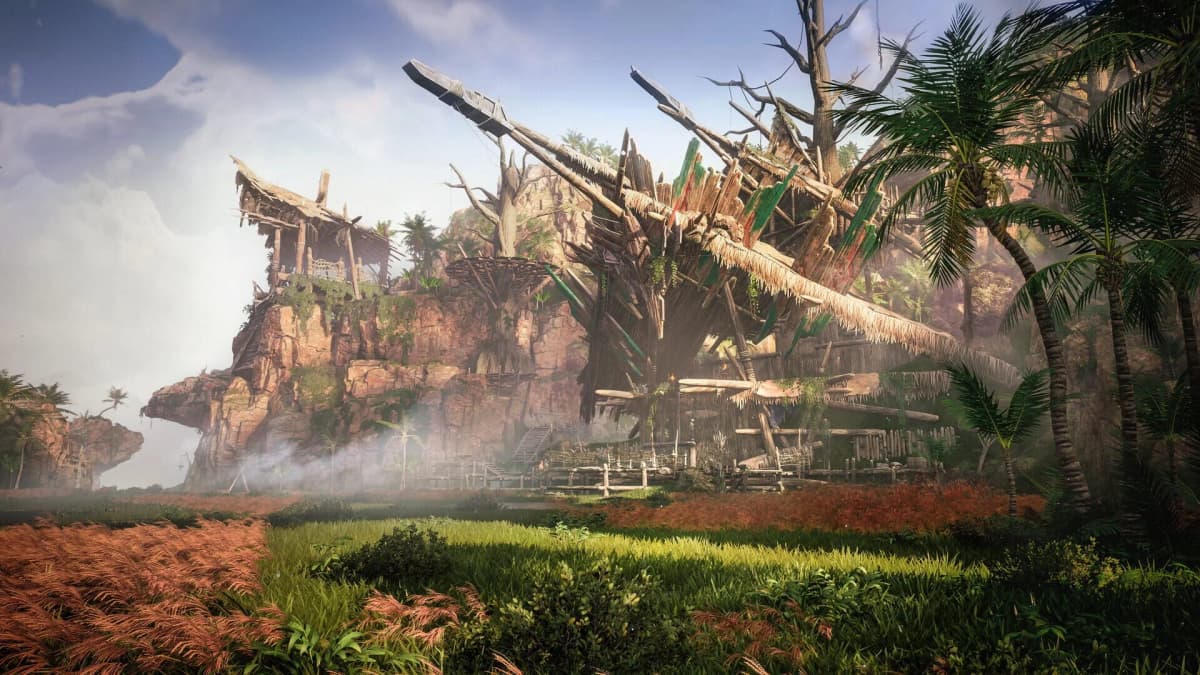
When a publisher tacks a year- or more-long window onto a Steam page, it’s often a sign that significant overhauls are planned. It’s unlikely Light of Motiram will launch in playable form this holiday—more probable is a beta or extended preview, giving Polaris Quest room to rebuild everything from systems to story beats.
But gamers have seen this play before: a lofty release window used as cover for development hiccups. If Tencent is serious about shedding the clone label, they’ll need to:
- Redesign the protagonist beyond a hair and bow swap—give her motivations, backstory, and a distinct identity.
- Reimagine the mechanical creatures with unique behaviors, aesthetics, and lore that don’t echo Aloy’s world.
- Revise gameplay loops so they feel fresh—maybe by introducing novel crafting, base-building, or narrative branching.
Absent those deep changes, Q4 2027 will just be a fresh dose of anticipation followed by more skepticism.
Looking Ahead: Course Correction or Cosmetic Cover-Up?
Ultimately, the fate of Light of Motiram hinges on Tencent’s willingness to invest in true creativity rather than legal triage. If Polaris Quest digs in and crafts original mechanics and story elements, they might still surprise us. But if this ends up as a few PR-friendly revisions around the edges, Sony’s lawsuit—and the community’s eye-rolling—will be the game’s legacy.
Conclusion
Tencent’s rapid rebranding of Light of Motiram shows just how high the stakes are when cloning hits a major IP. From the removal of “mechanimals” and Aloy-esque art to a vague survival-focused synopsis and a Q4 2027 launch window, the fixes so far look like damage control rather than a creative rebirth. If Polaris Quest truly wants to win over both gamers and industry peers, they’ll need more than wordsmith edits and cuter mascots—they’ll need to build a world that stands on its own two synthetic feet. Until then, Light of Motiram remains a cautionary tale: don’t bite the hand that crafted a billion-dollar franchise—because if you do, expect to cough up some serious legal heat.