
Highguard didn’t fail because players disagreed about its art direction or because reviewers were unanimous – it failed because the money behind it evaporated mid-launch. A Bloomberg report by Jason Schreier, backed by interviews with former staff, says Tencent ended funding on February 11, weeks after Highguard’s January 26 debut. That single decision turned an already fragile free‑to‑play launch into a near-immediate studio collapse.
- Not just “bad launch”: Tencent’s withdrawal – not only player churn – precipitated Wildlight’s mass layoffs and put Highguard on life support.
- Secrecy cost them: Wildlight skipped broad public tests and leaned on a surprise‑launch playbook modeled after Apex Legends. That limited community feedback before millions of players could vote with their wallets.
- Money = metrics: Highguard peaked near 100,000 concurrent Steam players at launch but sank below 400 in weeks — revenue from microtransactions never hit targets, and funding commitments were likely KPI‑contingent.
- Skeleton crew, patch politics: Fewer than 20 devs remain; they shipped Episode 2 and a “Raid Rush” 5v5 patch around Feb 26 even as the community feared a shutdown.
Table of Contents (6)
Why the Tencent cut matters more than player numbers
Look at the timeline: Highguard launches Jan. 26 and immediately draws attention — nearly 100k concurrents on Steam is not nothing. But near‑instant churn and poor monetization followed. Two weeks later, on Feb. 11, Bloomberg says Tencent pulled funding. That wasn’t a graceful downshift: developers expected months of runway and instead got layoff notices. When your live‑service business model depends on a paying tail over months or years, losing your backer overnight is terminal.
Secrecy, pivots and a lesson in hubris
Wildlight was founded by Respawn veterans who watched Apex Legends’ explode and tried to recreate that lightning: keep a project secret, then drop it and let players discover it. Game Developer and Bloomberg reporting say leadership doubled down on secrecy and a late pivot from a Rust‑style survival concept to a hero shooter. That choice reduced opportunities for public stress‑testing and community input. Internal testers liked aspects of the game — notably with voice chat — but broader audiences found the experience complex and the retention poor.
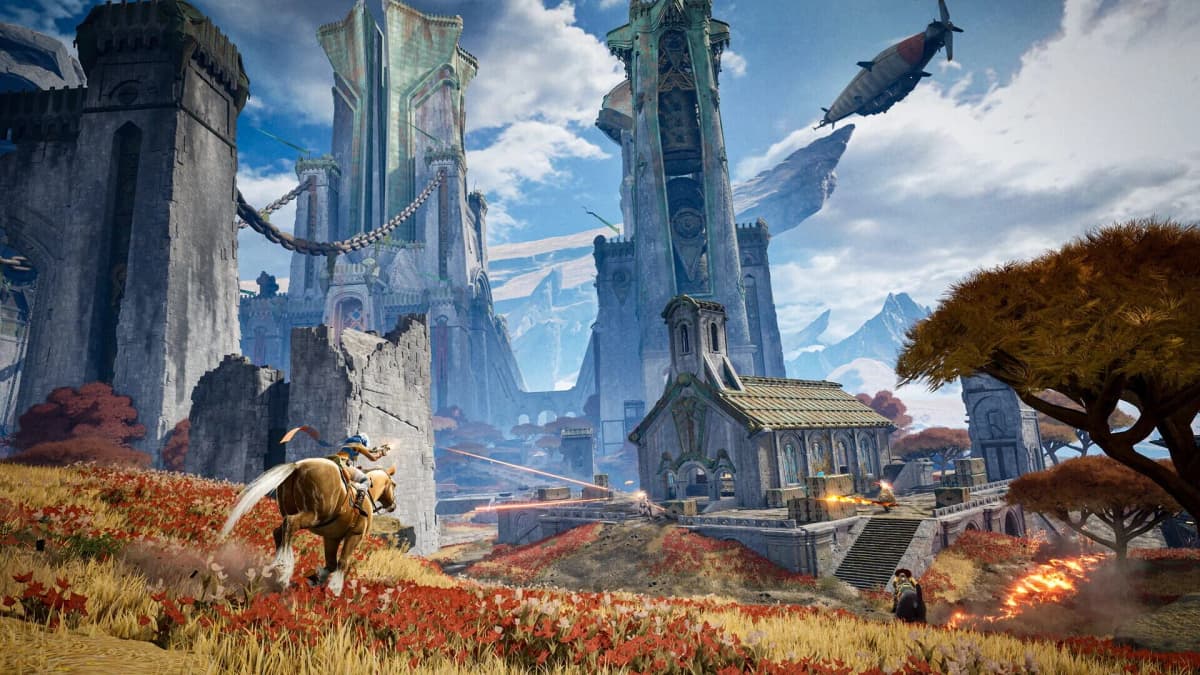
That matters because secret launches are a bet, not a strategy. If the product lands perfectly you look genius; if not, you have no community goodwill to cushion the fall. In Highguard’s case, the bet lost and funding was tied to performance.
The uncomfortable observation the PR team hoped you wouldn’t make
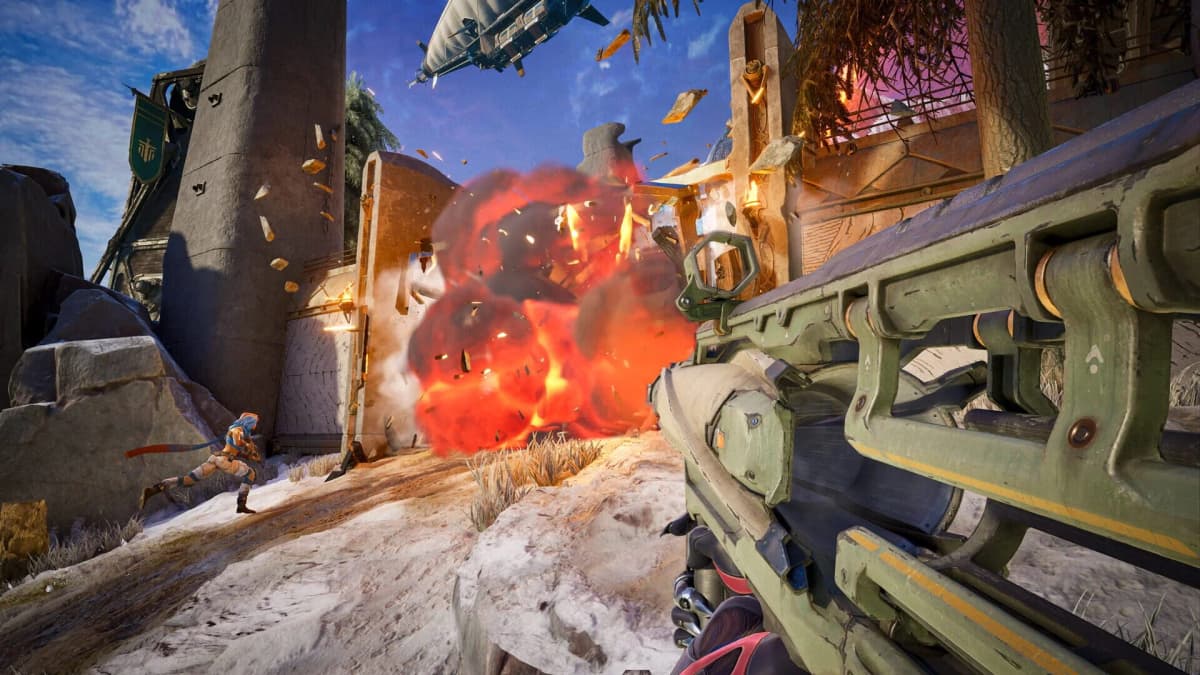
Wildlight marketed itself as a modest, developer‑led studio “fully funded” but silent on backers. Journalists later revealed TiMi Studio Group/Tencent as the lead, and that disclosure matters. When a game backed by one of the world’s largest publishers collapses fast, the optics aren’t “indie failure” — they’re “strategic pull.” Geoff Keighley’s Game Awards slot and the subsequent silence during the 1.5‑month reveal‑to‑launch window look worse in that light: the game’s story was presented as discovery when it was actually the product of a deep corporate pipeline.
The real question nobody’s answering
Was Tencent’s cut a cold business decision — KPIs unmet — or a strategic reallocation of capital to other projects? Bloomberg’s sources say the former, and the abruptness suggests funding was tripped by short‑term metrics. Either way, the result is the same: a mass layoff and a game left in the hands of a tiny skeleton team trying to patch its way out of an existential problem.
What to watch next
- Public statements from Tencent or Wildlight clarifying the funding terms and whether more capital is possible.
- Steam concurrent trends after the Feb. 26 “Raid Rush” patch — if numbers hold above a few thousand, the game has a sliver of a live‑service path.
- Any movement on IP — sale, transfer, or quietly winding down servers. Watch legal filings and the game’s storefront updates.
- Whether Geoff Keighley or The Game Awards respond to scrutiny over the title’s promotional positioning.
If I were interviewing Wildlight’s PR rep, I’d ask: Was the Tencent relationship intentionally undisclosed until problems arose, and what contractual KPIs triggered the funding cutoff on Feb. 11? That answer will tell you whether this was avoidable hubris or cold corporate calculus.
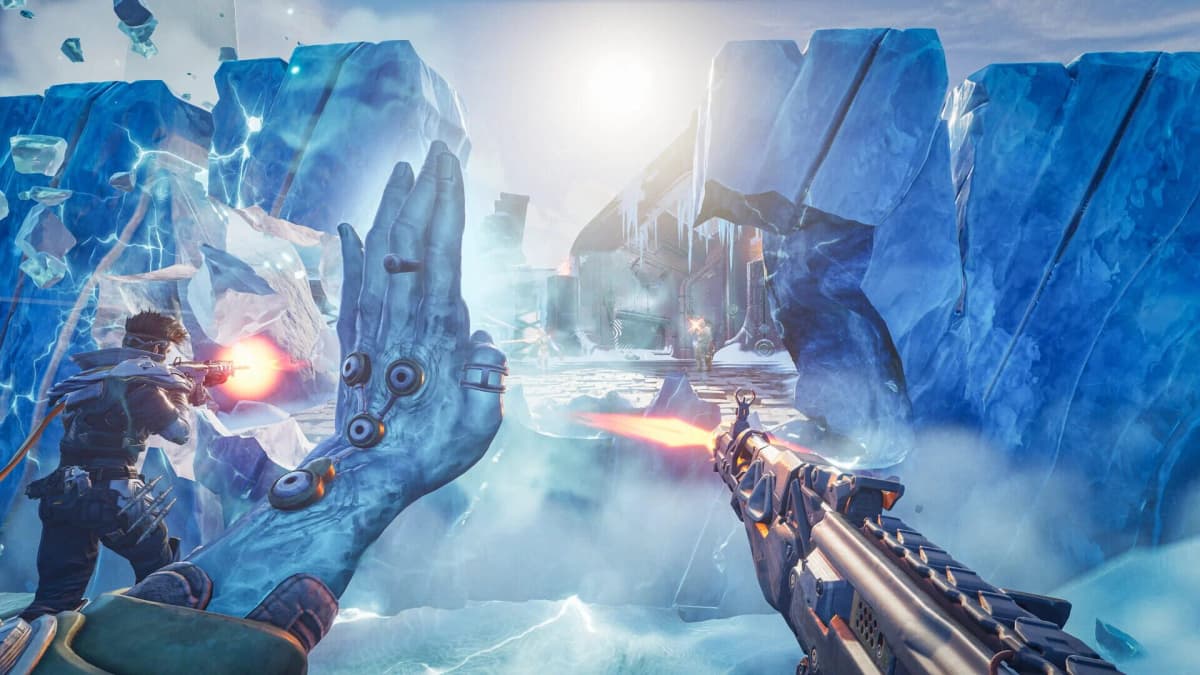
Highguard is still live. That’s not the same as being safe.
TL;DR
Tencent reportedly ended funding on Feb. 11 after Highguard’s post‑launch collapse, sparking mass layoffs and leaving fewer than 20 devs to try to keep the game alive. The bigger story isn’t that players churned — it’s that the financial lifeline was cut before the live‑service model could mature. Watch for official statements, Steam concurrency in the coming days, and any moves to sell or sunset the IP.
FinalBoss // Gear
Level up your setup
01Top-rated gaming headsetson Amazon→02High-refresh gaming monitorson Amazon→03Gaming chairson Amazon→04Discounted game keyson Kinguin→Affiliate links · As an Amazon Associate, FinalBoss earns from qualifying purchases.
Want to Level Up Your Gaming?
Get access to exclusive strategies, hidden tips, and pro-level insights that we don't share publicly.
Ultimate Gaming Strategy Guide + Weekly Pro Tips