
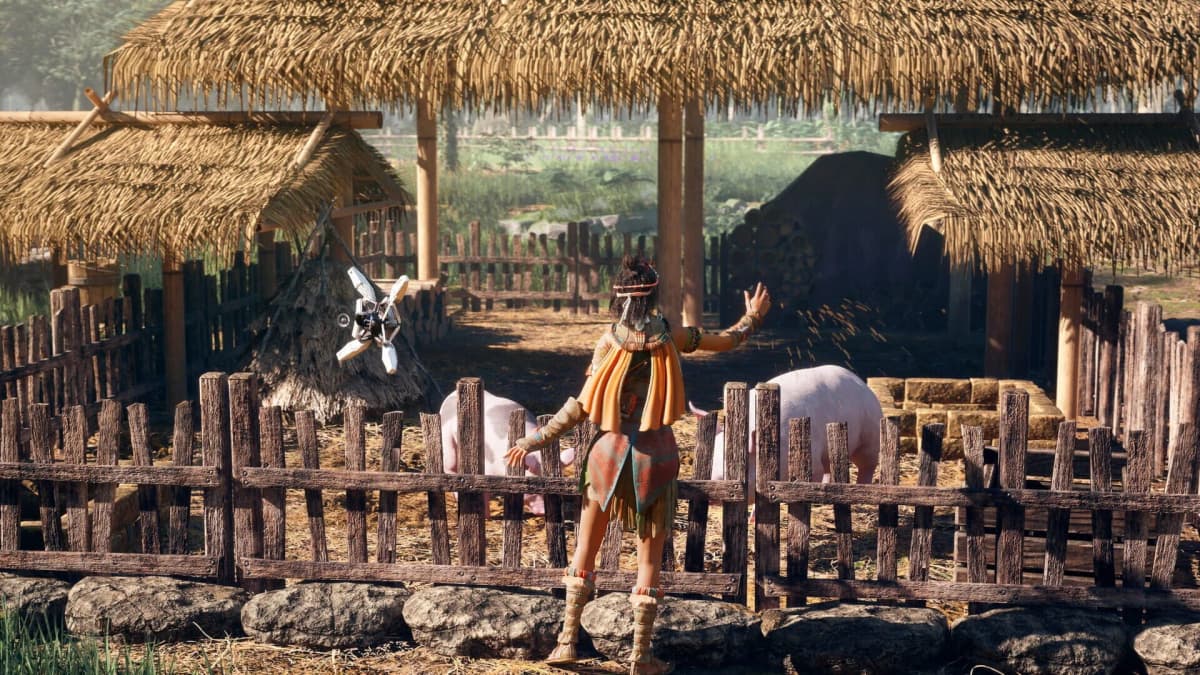
Tencent pushes back on Sony’s Horizon plagiarism claim — and the fight over who “owns” a genre
Game intel
Light of Motiram
Light of Motiram is an open-world survival game where you explore a world overrun by colossal machines, explore the vast open world, build your base of operati…
Why this grabbed my attention
I don’t get shocked often by legal spats in games, but this one’s spicy. Sony accuses Tencent’s Light of Motiram of ripping Horizon, and Tencent’s response basically says: you can’t own an entire genre. That hits right at a long-running tension in gaming-where do we draw the line between inspiration and imitation? Considering Sony and Tencent are often frenemies with overlapping investments (remember they both put money into FromSoftware), this fight could ripple far beyond one game.
- Tencent asked the court to toss Sony’s complaint, arguing Sony is trying to monopolize common genre elements.
- The filing cites Guerrilla’s own comparisons to other games and lists influences like Enslaved, Zelda: Breath of the Wild, Far Cry, Outer Wilds, and Biomutant.
- This isn’t just legal hair-splitting-if Sony wins broadly, it could chill open-world design that leans on shared tropes.
- If Tencent’s right, expect more “Horizon-likes” without fear; if Sony’s right, expect publishers to tighten up references and concept art fast.
Breaking down the claim vs. the counter
Here’s the crux. Sony’s position, as reported, is that Light of Motiram closely mirrors Horizon’s distinctive world. Tencent’s counter swings hard at that premise. In translation, Tencent argues: “At bottom, Sony’s action is not aimed at combating piracy, plagiarism, or any genuine threat to intellectual property. It is an improper attempt to cordon off a well-known sector of popular culture and declare it Sony’s exclusive domain.”
Tencent also points to Guerrilla’s own words. In a studio documentary, art director Jan-Bart van Beek reportedly drew comparisons to Enslaved: Odyssey to the West-evidence, Tencent says, that Horizon didn’t spring fully formed from a vacuum. The filing goes further, invoking a familiar list of genre touchstones: “This claim is surprising, as it is categorically contradicted by Sony’s own developers, not to mention the long history of video games using the same elements that Sony seeks to monopolize through this lawsuit. Instead, it attempts to transform omnipresent ingredients of the genre into property… like Enslaved, The Legend of Zelda: Breath of the Wild, Far Cry: Primal, Far Cry: New Dawn, Outer Wilds, Biomutant, and many others.”
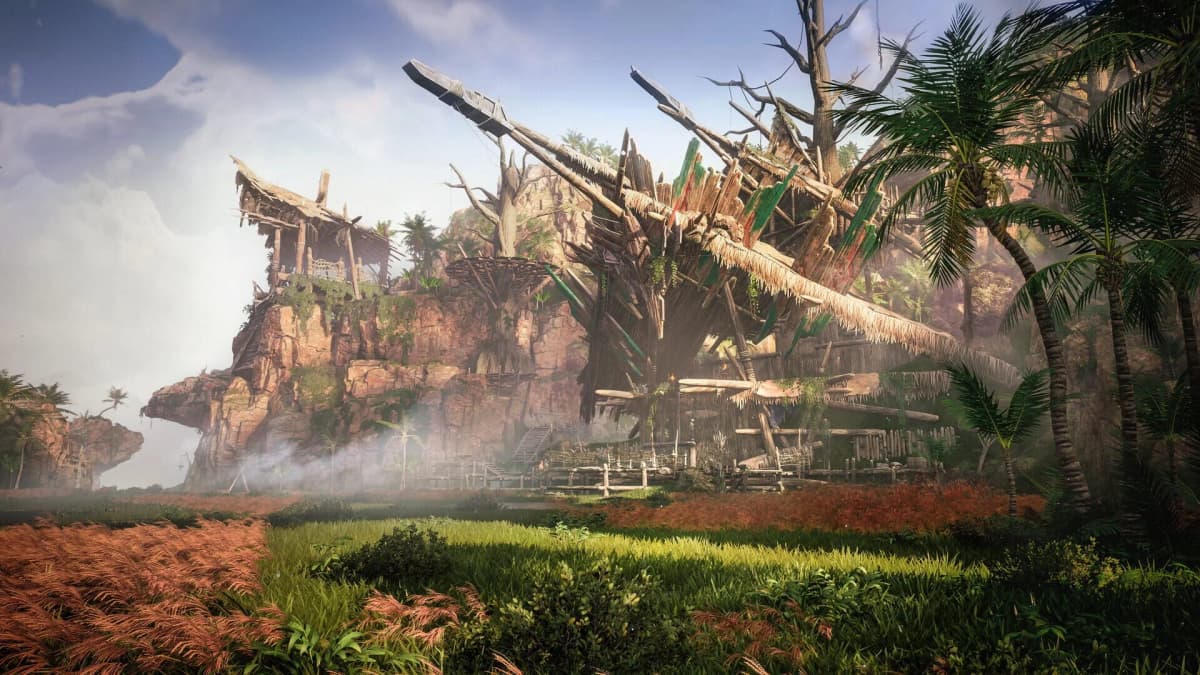
Translation: post-apocalyptic wilderness, ancient-meets-high-tech vibes, bow-focused combat, and ruin-diving aren’t uniquely Horizon. They’re part of a shared vocabulary games have been remixing for decades. Tencent wants the court to treat those as unprotectable “ideas,” not protectable “expression.”
The legal reality: ideas vs. execution
Courts don’t protect ideas or genre conventions; they protect how those ideas are expressed—specific characters, art assets, narrative details, UI layouts, distinctive enemies, and code. That idea-expression split is why Tetris won against Mino (the clone that copied exact shapes, playfield, and visual layout), while plenty of other games survive by changing enough execution details to dodge “substantial similarity.” Ubisoft’s pressure on the Rainbow Six Siege-like Area F2 led app stores to pull it, but that never went to a full courtroom decision. Bethesda’s Fallout Shelter dispute with Warner over Westworld settled. Krafton’s battles over PUBG-likes have ping-ponged across jurisdictions with mixed outcomes. The throughline: if you copy too literally—art, animations, UI, even marketing shots—you’re in danger. If you borrow tropes and remix them with original assets, you’re usually safe.
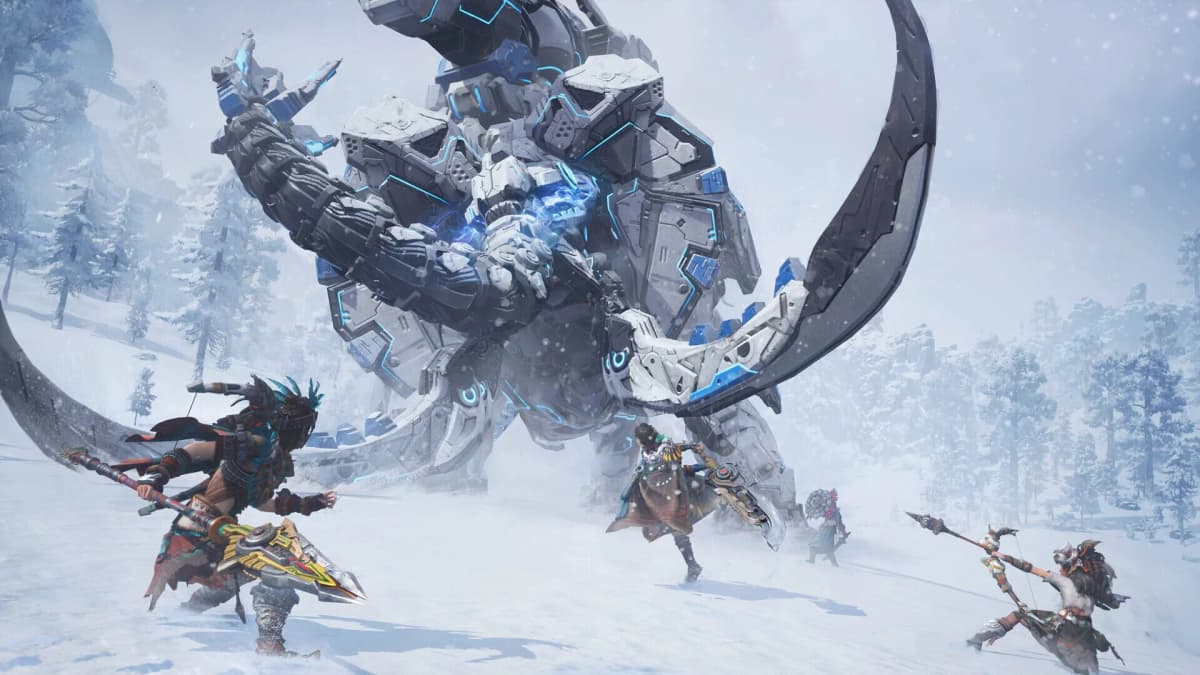
That’s what this case will hinge on. If Light of Motiram merely echoes Horizon’s vibe, Tencent’s argument has teeth. If side-by-side comparisons show near-identical character silhouettes, enemy designs (think: instantly recognizable machine-dino profiles), quest structures, or UI motifs, Sony’s claim gets stronger. Without public evidence dumps yet, we’re reading legal postures, not smoking guns.
Want to Level Up Your Gaming?
Get access to exclusive strategies, hidden tips, and pro-level insights that we don't share publicly.
Ultimate Gaming Strategy Guide + Weekly Pro Tips
What this means for players
Practically, litigation means uncertainty. Light of Motiram could slip schedules, get a visual overhaul, or quietly settle with changes—none of which are great for players who just want to try a new open-world adventure. On the flip side, if Tencent prevails early, you might see more studios feel comfortable building “Horizon-adjacent” worlds; if Sony lands a precedent, expect publishers to lock down concept art pipelines and steer clear of anything that looks too close to robot-fauna frontiers.
This caught my eye because Horizon’s strength isn’t just its premise—it’s Guerrilla’s worldbuilding, quest design polish, and the tactile combat loop. You can put a bow in a protagonist’s hands and drop them into overgrown ruins, but if your machine enemies don’t have readable weak points and your encounters don’t escalate tactically, players will call it a knockoff anyway. Gamers are sharper than courts on feel. If Light of Motiram plays like a cookie-cutter reskin, it’ll get roasted regardless of the ruling. If it carves out identity with mechanics, creatures, or traversal that actually surprise us, it earns its place.
The broader trend is familiar: we’ve watched Genshin Impact take Zelda’s open-air DNA and turn it into a gacha-driven co-op RPG—clearly inspired but mechanically distinct. We’ve watched countless soulslikes thrive by remixing FromSoftware’s formula. Inspiration isn’t the enemy; laziness is. That’s the bar players will judge here.
Looking ahead
Most of these cases end in settlement with some tweaks and no precedent. If this goes the distance, discovery could surface concept art, internal pitches, and asset histories—catnip for anyone fascinated by how games are made. Until then, the smart play is to wait for real gameplay and art comparisons before picking a side. If Tencent wants to win hearts, it should show deep dives on creature design and systems. If Sony wants to persuade the court of “substantial similarity,” side-by-sides will matter more than rhetoric about owning a genre.
TL;DR
Tencent says Sony can’t fence off genre tropes to claim Horizon’s world as exclusive. The case will turn on specifics—assets, designs, UI—not vibes. For gamers, the only verdict that really matters is whether Light of Motiram plays like a clone or stands on its own.