
Waking up to yet another Pokémon leak felt eerily familiar. Dubbed the “Teraleak,” this dump purports to map Game Freak’s plans all the way to 2030: a 2026 Gen 10 entry (Codename Gaia), a Galar-set Legends follow-up (Codename Ringo), a multi-region expedition (Codename Seed), and a fresh generation in 2030. It’s headline gold on social media. But here’s the thing: Pokémon’s ultimate value to players isn’t about codenames or schedules—it’s about technical quality, performance, and whether Game Freak learns the lessons of past transitions.
The leaked roadmap lays out four major pillars:
On paper, these targets align neatly with Pokémon’s rhythm: every six years or so a new hardware pushes a new gen. Think back to 2013–2016 on the 3DS with X/Y, then ORAS remakes, followed by 2019’s Sword/Shield on the Switch. Game Freak tried diverging in 2022 with Legends: Arceus and Scarlet/Violet, but that shuffle exposed resource strains. Just as Pokémon Sun/Moon and Ultra Sun/Ultra Moon built on each other via iterative patches in 2017–2018, expect more layered releases, not huge leaps, from here on out.
Reasons for plausibility:
Important caveat: none of this is official. Game Freak’s internal roadmaps shift with hardware readiness, staffing cycles, and patch feedback from Scarlet/Violet.
Leaks might rattle PR teams, but Pokémon’s P&L is built like a fortress. Industry estimates place franchise revenue north of $140 billion since 1996, and by some tallies, merchandise sales alone account for up to half that. The Trading Card Game stands as a multi-billion-dollar pillar, while mobile tie-ins and spin-offs carry the rest. Core video games, by contrast, are a fraction of the total. So whether a roadmap is under wraps or splashed online barely dents the bottom line.
That context matters when you compare franchises where leaks can spoil story twists or surprise villains. Pokémon’s “wow” moments hinge on creature reveals, region aesthetics, and gameplay mechanics—elements that still require official trailers, orchestral themes, and collectible cards to truly land. Ironically, a leak can stoke chatter (“Galar Legends! Multi-region!”) and keep casual fans curious between Big E3 showcases.
We’ve seen Game Freak juggle multiple platforms before. Remember the DS to 3DS transition? Pokémon X/Y (2013) pushed polygonal battles and OpenGL, but ORAS (2014) patched in more features while smoothing performance. Fast-forward to 2019: Sword/Shield on Switch delivered a massive open world—Wild Area—but shipped with pop-in, frame drops in Dynamax raids, and stuttering towns. Scarlet/Violet (2022) amplified those issues: towns loaded like choppy slideshows, distant terrain popped in mid-battle, and lighting artifacts broke immersion on base Switch hardware.
Platform transitions sharpen expectations. On DS hardware, 40 fps was headline performance; on Switch, 30 fps feels like a soft floor, yet Scarlet/Violet often dipped into the low 20s. Patches crept in: day-one bug fixes restored physics in tight caves and button remaps, but core world streaming still ran hot. The lesson: if Gen 10 debuts on a next-gen Nintendo console, framerate stability and reliable asset streaming must be front of mind.
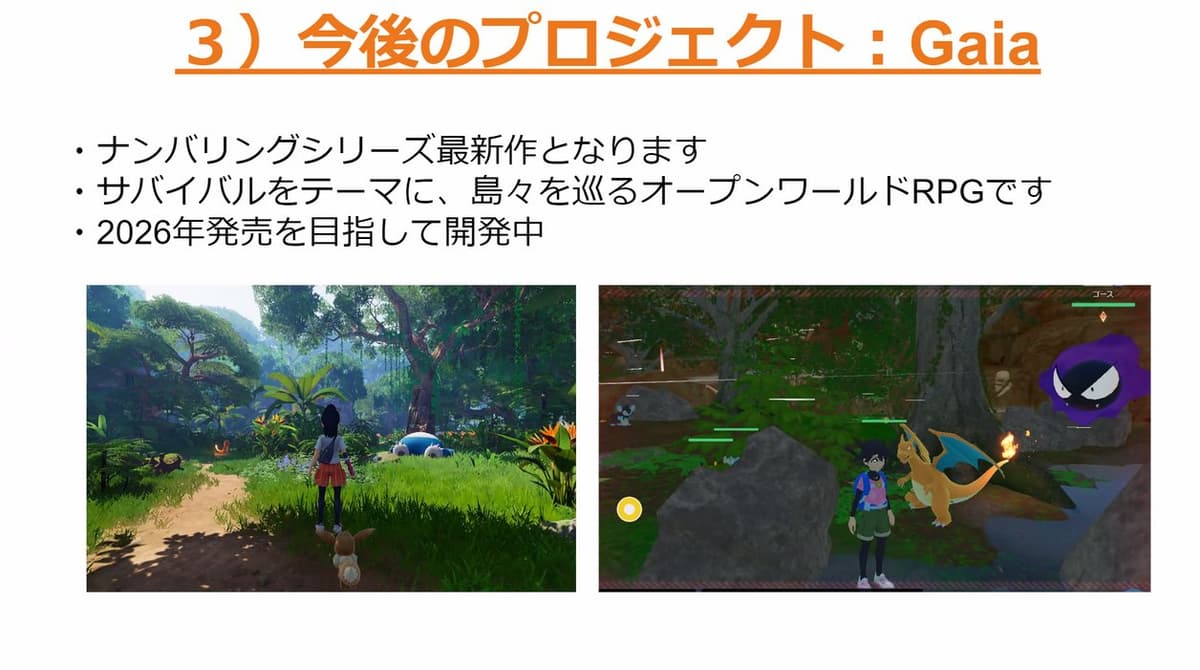
As someone who loved Legends: Arceus’ loop of agile/strong fights, research tasks, and a living ecosystem, I also hit sprint-lock slowdown more times than I care to admit in Scarlet/Violet. So when I read “Gen 10 in 2026,” my first thought is not “nice region reveal” but “will this finally run reliably?” I’d trade 60 fps locked in menus for a seamless 30 fps in open-world fields, with draw distance that doesn’t flip from ghost-mode to full poly at five meters.
Here’s what I’d like to see from each leak pillar:
Day-to-day, official reveals will still hog the spotlight with music, story pitches, and starter Pokémon. But players can set smarter expectations by tracking these six signals:
Seeing a clear answer on each of these points would signal a roadmap that delivers beyond codenames.
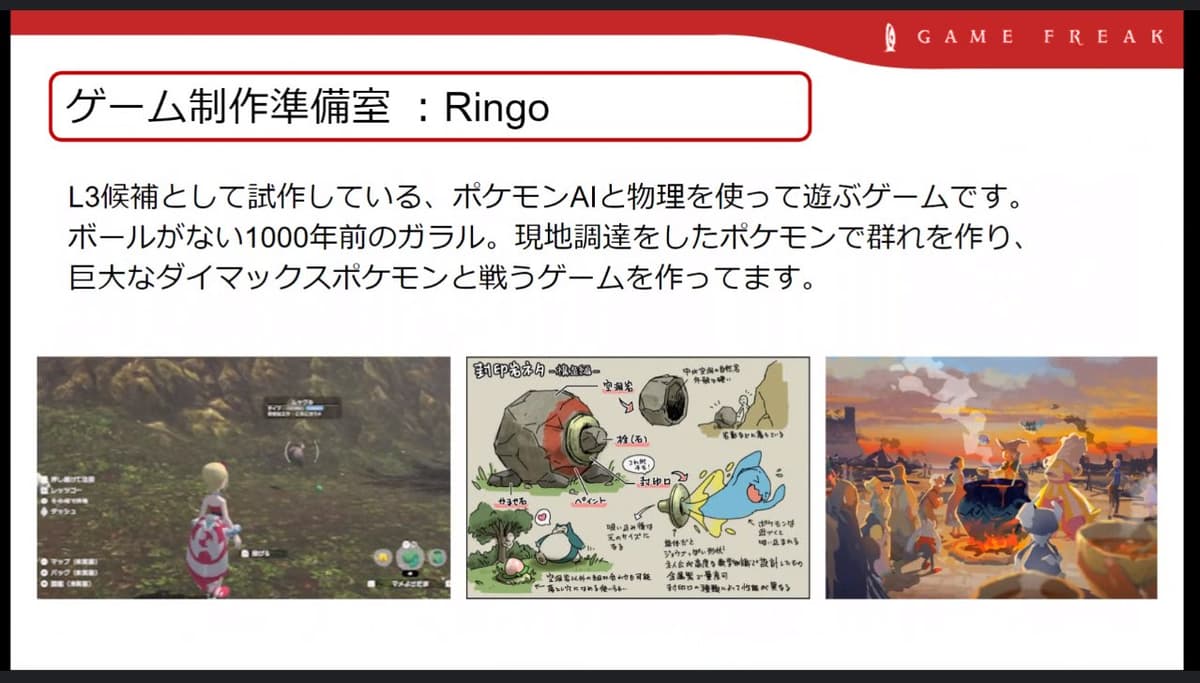
The Teraleak roadmap is plausible and undeniably exciting: Gen 10 in 2026, Galar Legends next, a multi-region anthology, and Gen 11 by 2030. But leaks only scratch the surface. Pokémon’s real business power lies in cross-media muscle—TV, TCG, merch—not unreleased game code. What players care about is tangible: stable performance, art direction, and a polished experience that feels tailor-made for the hardware.
Leaks will continue to dominate forums and Twitter threads. But as seasoned fans, our take-home should be this: don’t chase release calendars—chase quality benchmarks. When official reveals hit, focus on the six signals above. If Game Freak nails those, we’ll have the hype train we deserve: smooth, scenic, and worth the ticket price.
Get access to exclusive strategies, hidden tips, and pro-level insights that we don't share publicly.
Ultimate Gaming Strategy Guide + Weekly Pro Tips