
Table of Contents (7)
Terranigma’s Long-Awaited Return Has Chosen Preservation Over Reinvention
Terranigma launched on Super Famicom on October 11, 1995, reached Europe in 1996, and then spent three decades trapped behind a particularly frustrating piece of RPG history: Enix never released it in North America. Clear River Games and Square Enix are finally changing that in early 2027 with a modern release for PlayStation 5, PlayStation 4, Xbox Series X|S, Nintendo Switch, Nintendo Switch 2, Steam, and GOG.
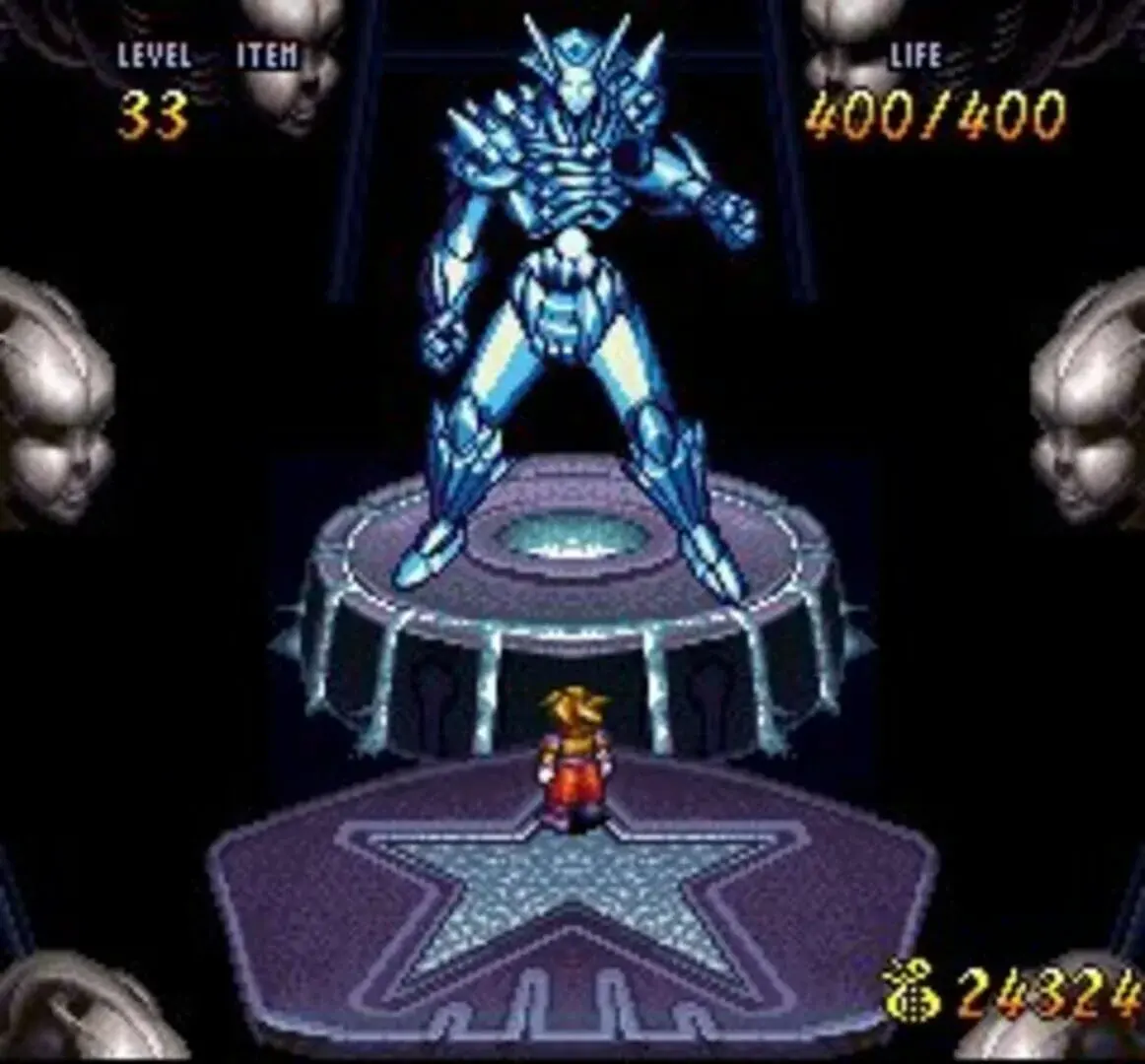
The important detail is the project’s philosophy. This is a preservation-focused port with quality-of-life additions and selective presentation upgrades, built around the original 16-bit game rather than a full visual reconstruction. Ark still fights in real time with thrusts, jumps, dash attacks, and the movement-based techniques that made Quintet’s action RPG feel unusually physical for a 1995 Super Nintendo release.
That approach is the right call. Terranigma’s sprite work, Mode 7-style scenes, multi-layer backgrounds, and precise combat animation were designed as one system. A lavish remake could have been exciting, but it also would have risked sanding down the strange, melancholy identity that separates Terranigma from the average retro RPG revival. The 2027 version’s real challenge is more technical: making a 256×224, 4:3 game feel clean and readable on a 4K television without turning it into a blurry museum exhibit.
Terranigma Modern Re-Release: Confirmed Tech and Release Details
| Category | 1995 Original | 2027 Modern Release |
|---|---|---|
| Original platform | Super Famicom / Super Nintendo | PlayStation 5, PlayStation 4, Xbox Series X|S, Switch, Switch 2, Steam, GOG |
| Release timing | Japan: October 11, 1995; Europe: 1996 | Early 2027; exact release date and price remain unavailable |
| Display format | 256×224 image, 4:3 CRT presentation | 4:3 gameplay framed for modern 16:9 displays |
| Combat | Real-time attacks, jumping, dashing, contextual techniques | Original combat and overall gameplay structure retained |
| UI | Compact SNES menu windows and low-resolution HUD | Money display, quick inventory access, and next-level XP indicator |
| Visual additions | Original Quintet pixel art and Mode 7-style effects | New key art and in-game designs by Kamui Fujiwara; visual upgrades and adjustments |
| Audio | SNES SPC soundtrack | Re-arranged pieces of the original soundtrack included; original-audio toggle unconfirmed |
| Languages | Regional releases varied | English, French, German, Japanese, and Spanish confirmed |
| Formats | Physical cartridge | Digital and physical editions planned |
4:3 on a 16:9 Screen Is a Gameplay Decision, Not a Cosmetic One
The modern release keeps Terranigma’s original 4:3 framing rather than stretching the game across a widescreen panel. On a 16:9 TV or monitor, that means the active image sits in the center with side borders. It will use less of a 55-inch television than a modern game, but that compromise protects the original composition.
Stretching a 4:3 game to fill 16:9 creates the familiar retro-port crime scene: round objects become ovals, character sprites widen, and every tile in the world looks subtly wrong. In Terranigma, that distortion reaches beyond aesthetics. Ark’s dash attacks, jumps, enemy spacing, and hazard placement were drawn for a fixed playfield. Preserving that playfield keeps combat sightlines and animation timing visually honest.
The tradeoff is image size. Terranigma’s sprites, projectiles, and text were built around CRT-era viewing distances. On a large 4K set across a living room, the 4:3 image can look physically small even when the scaler is technically perfect. Players who plan to use a television should expect to sit closer than they would for a current full-screen action game. A monitor, handheld screen, or a TV with sensible zoom controls will be the more comfortable fit for long sessions.
Sharp scaling matters more than headline resolution. The base game is only 256×224, so a modern port cannot create new sprite detail without redrawing the game. The best result comes from clean pixel scaling that preserves hard edges and stable scrolling. Heavy smoothing can soften tiny enemy animations and make the game’s dense pixel art look like someone wiped the screen with a damp cloth. CRT-style filters can add welcome texture, but they need adjustable intensity; a strong scanline shader on a small 4:3 image can make menu text harder to read.
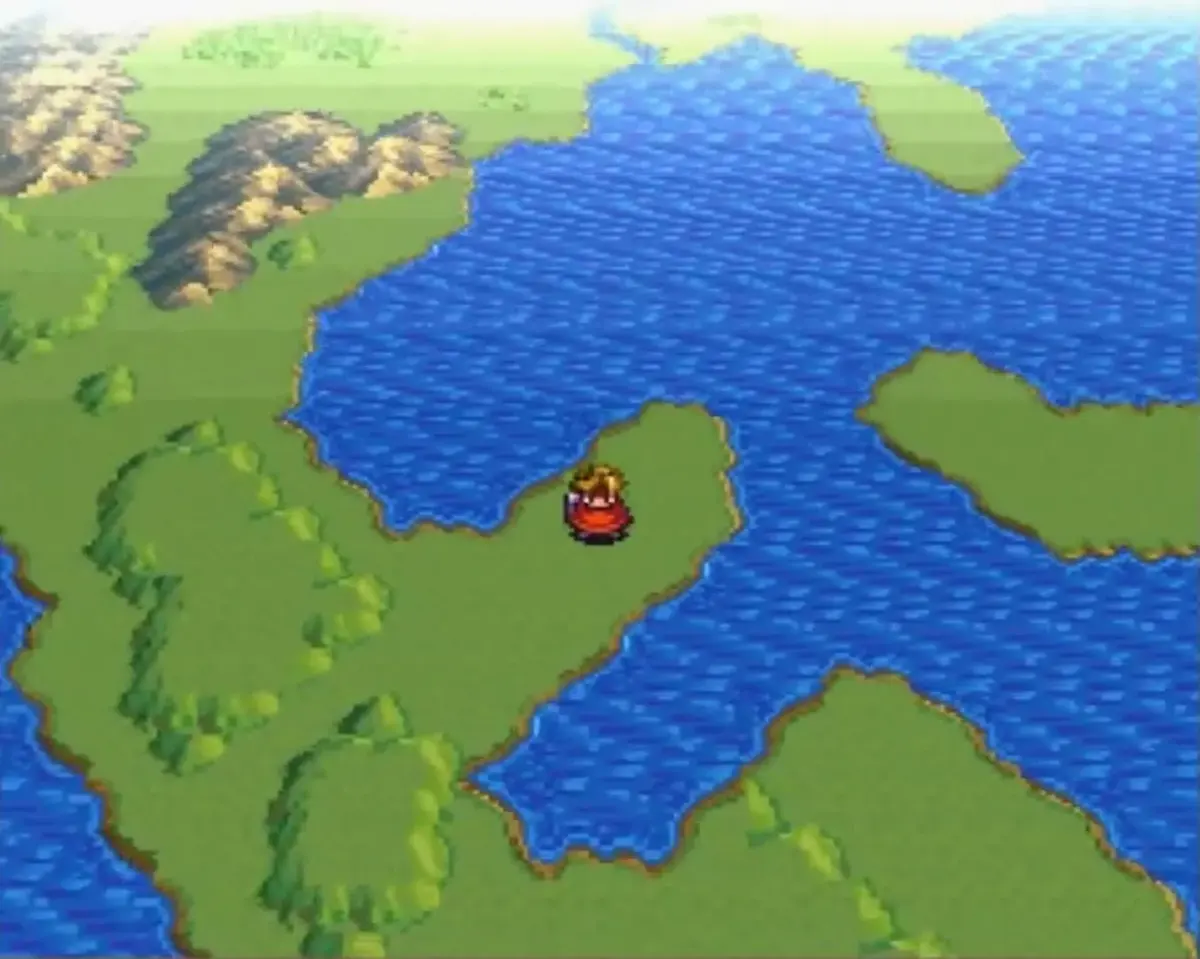
Widescreen also creates awkward technical problems in games using Mode 7-style effects. Extending the camera beyond Terranigma’s original viewport risks exposing repeated background layers, unfinished map edges, or HUD artefacts never intended to be visible. Keeping those sequences inside a protected 4:3 window is the sensible engineering choice, even if black sidebars never look glamorous in a store screenshot.
The UI Changes Target the Original Game’s Most Obvious Friction
Clear River’s announced interface changes are restrained but useful. The updated HUD includes a money display, quick access to inventory items, and an on-screen indicator for the experience points needed to reach the next level. Those are small additions by 2027 standards, yet they address the exact kind of information hiding that was normal on a Super Nintendo controller and tedious on a modern display.
The next-level XP panel is especially welcome. Terranigma’s progression system has always asked players to infer a fair amount from menus, and a persistent progress readout reduces needless checking without changing encounter balance, enemy statistics, or level curves. It puts useful information where a modern player expects it while leaving the actual RPG structure alone.
Quick inventory access should also improve the feel of a game built around a controller with far fewer inputs than a DualSense, Xbox pad, or modern PC controller. The key technical requirement is simple: convenience cannot add delay or interfere with the original action timing. Terranigma’s combat gets its character from combining running, jumping, and attacks into different moves. A polished UI layer should stay out of the way when Ark is moving.
Several practical details still need to be demonstrated before launch: controller remapping, save-slot behaviour, quick saves, display filters, text scaling, and accessibility settings have not been detailed. System-level suspend and contemporary save management will exist on the target platforms, but that does not answer whether the port adds more generous in-game checkpoints or save-anywhere functionality. Those choices affect the game’s rhythm far more than a new HUD icon does.
Visual Upgrades Need to Respect the Pixel Art’s Edges
Terranigma was already a late-era Super Nintendo showcase. Its towns and wilderness areas leaned on elaborate parallax layers, detailed anime-style sprites, and pseudo-3D sequences that made the world feel larger than the hardware should have allowed. The 2027 edition retains that original look and animation logic, so players should not expect HD-2D lighting, rebuilt environments, or newly rendered character models.
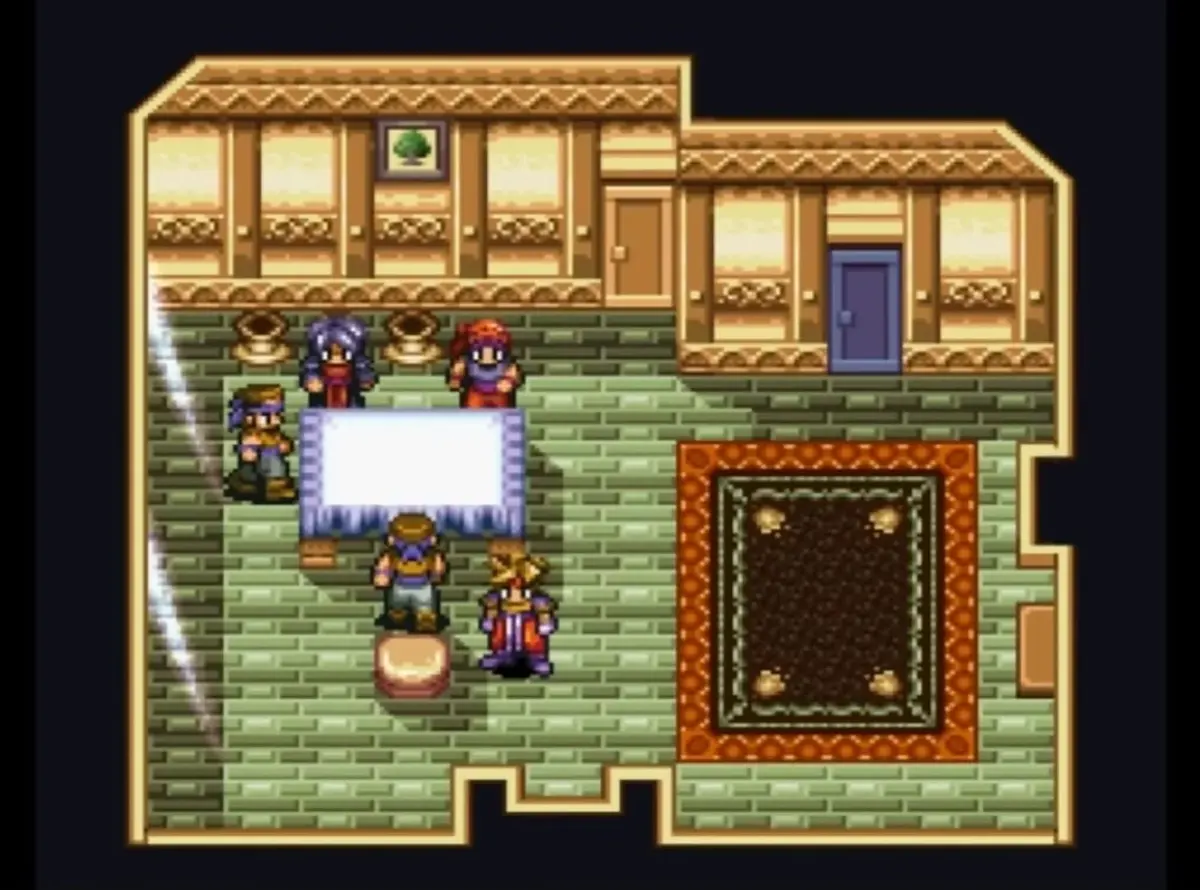
Kamui Fujiwara’s involvement is more encouraging than another generic “enhanced edition” label. Fujiwara, the original character designer and manga artist, is contributing new key art, in-game designs, and production feedback. That gives the surrounding presentation a connection to Terranigma’s original visual language rather than treating the game as a brand exercise with a new logo pasted over it.
The exact scope of the visual upgrades remains the main point to watch. Modern scaling, cleaner video output, revised interface elements, and new artwork can all strengthen the package. Redrawn sprites or aggressively filtered backgrounds would be a different proposition entirely. Terranigma benefits from visible pixel structure: the chunky edges, limited color transitions, and hand-built tile patterns carry much of its atmosphere. Overprocessing them would be a mistake.
Audio Is the Area Where “Enhanced” Can Change the Mood Fast
The original soundtrack was composed and mixed for the Super Nintendo’s SPC audio hardware, television speakers, and the compressed warmth of 1990s living-room playback. Modern digital stereo output will naturally make that material cleaner, wider, and more separated. That can be excellent, but it can also pull a track away from the slightly hazy character that many players associate with the original hardware.
The teaser used an arranged version of “Prayer,” and the release includes re-arranged pieces of Terranigma’s soundtrack. That is a promising bonus rather than an automatic improvement. “Prayer” carries a lot of emotional weight, and a fuller arrangement can land beautifully if it preserves the original melody’s space and restraint. If new arrangements replace the SNES tracks across the entire game without an audio toggle, the modern version will feel substantially different during major story scenes.
An original-versus-arranged soundtrack option would be the ideal solution. It gives first-time players the polished presentation Clear River is building while allowing returning players to keep the exact SPC mix they remember. The release has not confirmed that choice yet. Audio latency also deserves scrutiny once hands-on testing is possible: attack sounds must land with Ark’s animation frames, because even tiny timing mismatches make a responsive action game feel vaguely off.
What the Modern Port Still Needs to Prove
| Feature to Verify | Why It Matters in Terranigma | Best-Case Implementation |
|---|---|---|
| Scaling and filters | Small sprites, projectiles, and menu text need to remain readable on HD and 4K displays. | Pixel-perfect scaling, adjustable CRT filters, and a clean unfiltered option. |
| Audio selection | New arrangements can alter the mood of key scenes and locations. | Separate original SPC and arranged soundtrack modes. |
| Translation and text treatment | The game’s first official North American release deserves readable, carefully edited English. | A polished localisation that respects the original narrative tone and avoids cramped menu text. |
| Save and retry systems | Extra convenience can reduce frustration, but excessive quick-saving can flatten dungeon tension. | Multiple slots and optional quick saves without rewriting progression or encounter design. |
| Controller settings | Terranigma’s run, jump, and attack combinations need comfortable modern mappings. | Full remapping with original input timing preserved. |
| Performance and latency | Combat feedback depends on frame timing and sound sync. | Stable output with responsive controls on every console and PC version. |
Price is also absent from the announcement, which makes the value conversation impossible to finish today. A modestly priced preservation release with thoughtful settings, reliable input response, original audio access, and clean localisation would be easy to recommend. A premium package that only adds a HUD overlay and decorative border art would need a much harder look.
FinalBoss // Gear
Level up your setup
01Top-rated gaming headsetson Amazon→02High-refresh gaming monitorson Amazon→03Gaming chairson Amazon→04Discounted game keyson Kinguin→Affiliate links · As an Amazon Associate, FinalBoss earns from qualifying purchases.
Want to Level Up Your Gaming?
Get access to exclusive strategies, hidden tips, and pro-level insights that we don't share publicly.
Ultimate Tech Strategy Guide + Weekly Pro Tips