
Table of Contents (8)
Terranigma on PS5 Is a Preservation Project With a Few Important Variables
Terranigma’s PS5 release has a narrower task than a full remake: bring a 1995 Super Nintendo action RPG to a current display and controller without disturbing the structure that made it distinctive. Clear River Games is handling the early-2027 re-release in cooperation with Square Enix, with original character and world artist Kamui Fujiwara contributing new key art, in-game designs, and production feedback.
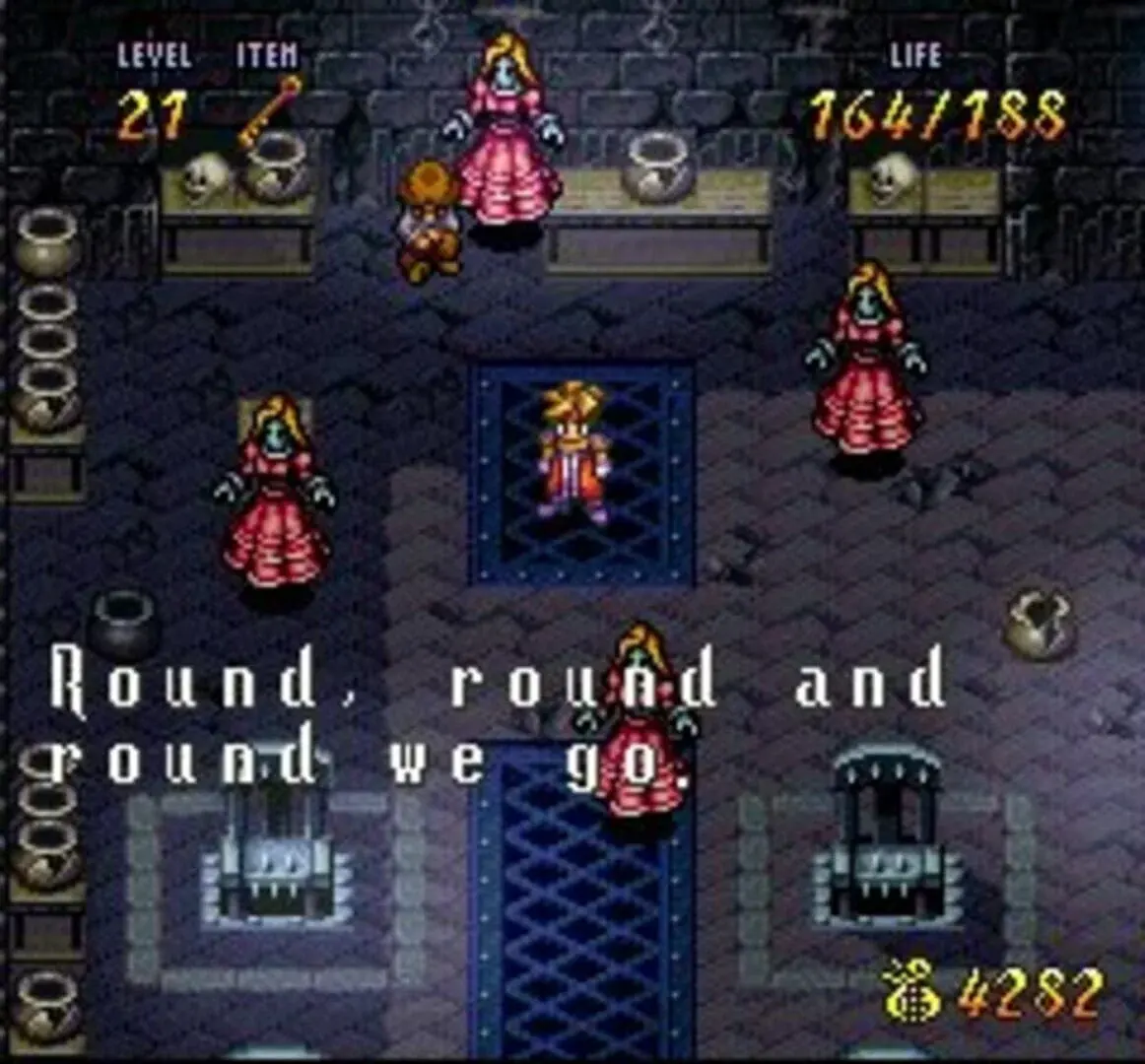
The core commitment is clear. Terranigma keeps its 16-bit pixel art, top-down perspective, world map structure, and real-time combat. Ark still fights with a spear, using thrusts, jumps, dashes, and running attacks that combine into different techniques. The uncertainty sits around the word “modernized.” Clear River has confirmed upgrades, gameplay tweaks, and bonus features, but has not published the specific settings and comfort features that will determine whether the PS5 version is merely accessible or genuinely well preserved.
Terranigma PS5 Re-Release: Confirmed Details
| Category | Terranigma modern re-release |
|---|---|
| Release window | Early 2027; no exact PS5 date announced |
| PS5 publisher | Clear River Games, in cooperation with Square Enix |
| Other platforms | PS4, Xbox Series X/S, Nintendo Switch, Switch 2, Steam, and GOG |
| Original game | Quintet action RPG, published by Enix in 1995 |
| Presentation | Original pixel-art look, top-down combat, and classic gameplay retained |
| New creative work | Key art and in-game designs led by Kamui Fujiwara |
| Known modern additions | Upgrades, gameplay tweaks, and bonus features; the full list remains unannounced |
| Language | Spanish text is confirmed |
| Distribution | Digital release and physical console editions are planned; regional availability details are not set |
| Price | Not announced |
The Pixel Art Should Remain the Point, Not a Background Texture
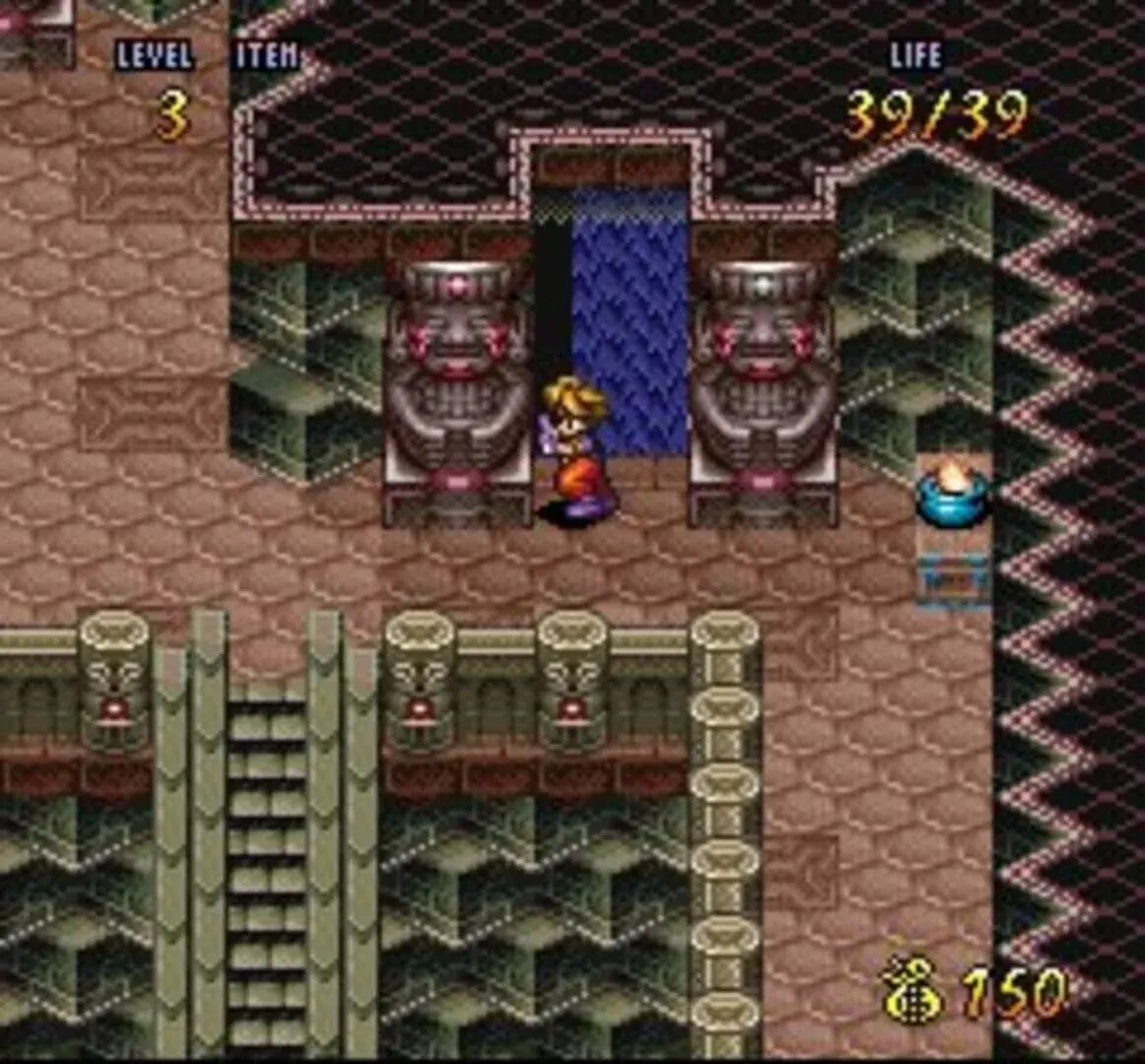
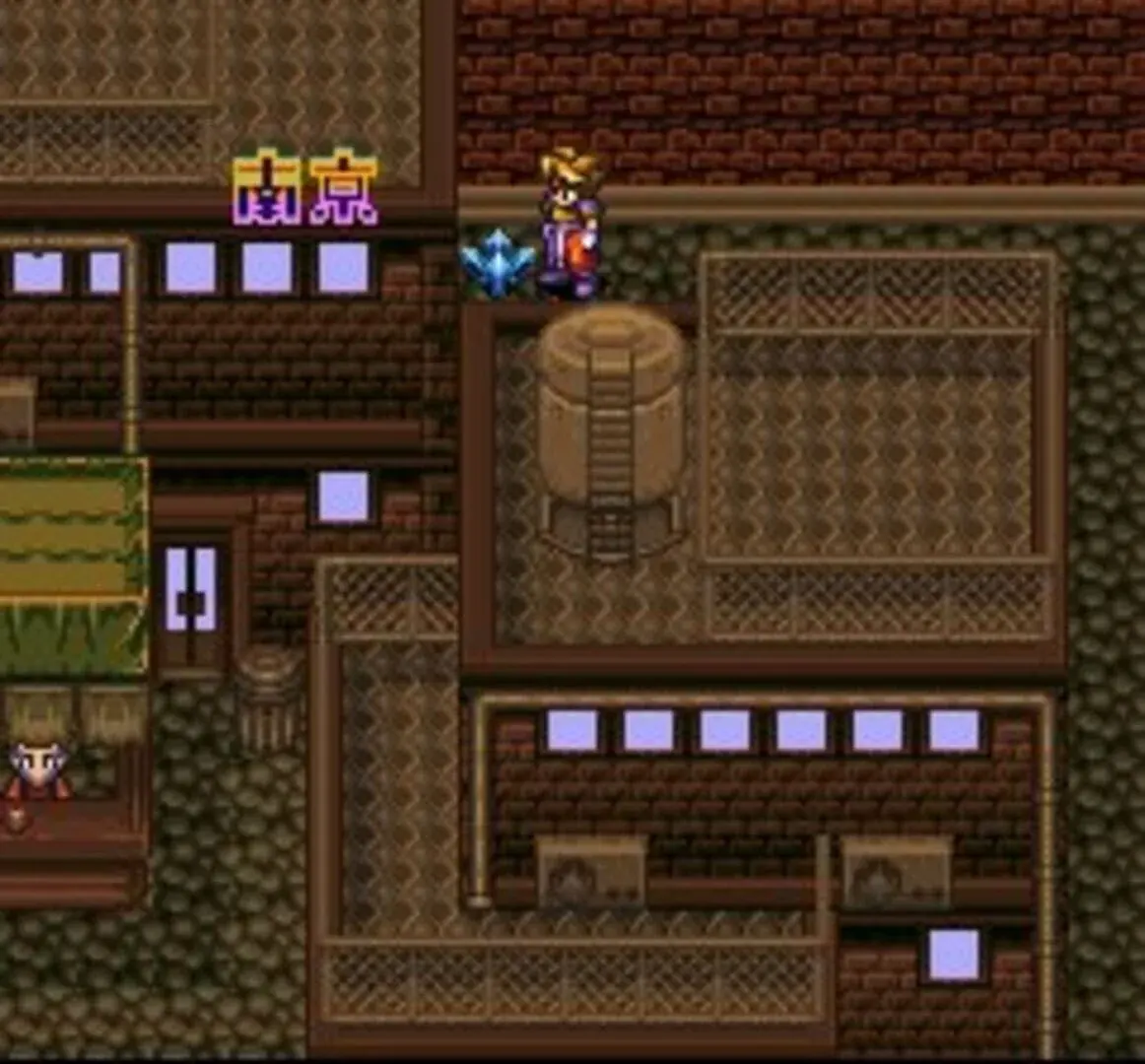
Terranigma was built around a precise visual language: chunky sprites, dense 16-bit environments, a fixed top-down camera, and animation that communicates attack range and movement momentum. That matters because Ark’s combat is not menu-led JRPG combat. A jump attack, a dash, and a spear thrust occupy different space and timing. The re-release needs to retain clean sprite readability more than it needs to chase sharp-looking screenshots on a 4K television.
No 16:9 conversion has been announced. The commitment to classic presentation points toward the original 4:3 playfield remaining intact, likely with unused space at the sides of a widescreen display. That is the correct default for a game framed around a 4:3 field of view. Stretching it across a modern panel would distort both sprites and spatial judgment.
What remains unknown is the part that separates a careful port from a lazy one: integer scaling, smoothing filters, scanlines, CRT options, border art, and display-mode toggles have not been detailed. These are not cosmetic footnotes. Uneven scaling can turn tightly controlled pixel art into a soft, shimmering mess, especially on large OLED televisions. The PS5 version needs a crisp pixel-preserving option at minimum.
Fujiwara’s new artwork and in-game designs are the one confirmed visual addition. That could give menus, portraits, title screens, and surrounding presentation a more unified modern package, but the announcement does not define exactly which in-game assets will change. The central gameplay sprites and map presentation remain rooted in the original game.
The PAL-Speed Fix Has More Player Impact Than a Higher Resolution Target
The concrete technical improvement is the correction of Terranigma’s PAL-speed issue. The original reached Europe and Australia in late 1996, while North America never received an official release during the Super Nintendo era. PAL television standards ran at 50 Hz rather than the 60 Hz timing associated with NTSC releases, which could leave European versions playing more slowly than intended.
For Terranigma, timing directly affects feel. Ark’s run-up, spear animation, jump arc, enemy approach speed, and the rhythm of dungeon encounters all rely on motion being consistent. Correcting the PAL-speed problem means players on PS5 should receive the intended gameplay cadence rather than the slower version many European players knew from the original cartridge.
That should not be confused with a confirmed PS5 frame-rate or resolution target. Clear River has not stated whether Terranigma will render at 4K, run at a locked 60 frames per second, or provide multiple visual modes. The PAL correction addresses game timing. It does not establish a broader technical-performance specification.
What the PS5 Version Still Needs to Explain
“Upgrades, tweaks, and bonus features” is a useful direction but an incomplete feature list. Terranigma has enough old-school friction that the implementation matters. A preservation port should give players options rather than quietly rewriting the game’s challenge or pacing.
- Save and checkpoint behaviour: Autosaves, suspend support, retry points, manual save slots, and save-state-style systems have not been confirmed. This is the most important quality-of-life question for a long action RPG built around dungeon exploration.
- Control options: The original game was designed for a digital Super Nintendo pad. PS5 button mapping, full remapping, alternate layouts, DualSense haptics, and adaptive-trigger support remain unspecified.
- Accessibility settings: There is no announced information on font scaling, UI contrast, colorblind settings, difficulty modifiers, or assist options. Spanish text is confirmed, but the complete language list and accessibility suite are not.
- Guidance systems: A modern map overlay, quest log, clearer item descriptions, and optional hints could reduce frustration without flattening discovery. No such systems have been announced.
- Audio configuration: The original soundtrack and sound effects remain the expected foundation, but no remaster, music player, audio sliders, or dynamic-range settings have been detailed.
The bonus-feature label also needs definition. An art gallery, soundtrack player, historical material, design notes, or an archival manual would fit a rerelease of this type. They would add value without interfering with the original campaign. None of those extras are confirmed, so they should not be treated as part of the purchase proposition yet.
Why This Release Matters More Than a Typical Retro Port
Terranigma launched on Super Famicom in Japan in 1995 and reached European and Australian Super Nintendo players in 1996. It never had an official North American release, due to licensing complications and the closure of Enix’s US operation. The 2027 re-release finally gives North American players an authorized console route to a game that spent decades as an awkward gap in the 16-bit RPG catalog.
It also restores a notable part of Quintet’s informal action-RPG lineage. Terranigma is commonly grouped with Soul Blazer and Illusion of Gaia, but it has remained far harder to obtain through legitimate modern channels than either reputation or historical importance would justify. PS5, PS4, Xbox Series X/S, Switch, Switch 2, Steam, and GOG availability fixes the access problem. It does not automatically fix the usability problem, which is why Clear River’s still-undetailed tweaks deserve close attention.
Original Release and the 2027 Modern Version
| Area | Japanese Super Famicom release | European/Australian SNES release | 2027 PS5 and modern-platform release |
|---|---|---|---|
| Availability | Released in Japan in 1995 | Released in late 1996 | PS5, PS4, Xbox Series X/S, Switch, Switch 2, Steam, and GOG |
| North American access | No official release | No official release | First official North American release |
| Gameplay format | 16-bit, top-down real-time action RPG | 16-bit, top-down real-time action RPG | Original pixel-art presentation and core combat retained |
| Timing | Original Japanese timing | PAL-speed limitation affected the original release | PAL-speed issue corrected |
| Modern options | Cartridge-era feature set | Cartridge-era feature set | Upgrades, tweaks, and bonus features confirmed, with specifics pending |
| Creative additions | Original art direction | Original art direction | New key art and in-game designs from Kamui Fujiwara |
Who Should Put Terranigma on Their 2027 Watchlist
The PS5 release is relevant for players who want the original game’s identity preserved: its unusual world-restoration premise, its real-time spear combat, and its 16-bit pacing. It is also the practical option for North American players who have never had an official local console release.
Players expecting a ground-up remake, voice acting, rebuilt 3D environments, redesigned combat, or modern action-RPG onboarding should adjust expectations. Terranigma is returning as Terranigma. Its dated design edges may receive targeted relief, but the game is not being rebuilt into a contemporary Square Enix production.
FinalBoss // Gear
Level up your setup
01Best-selling PS5 gameson Amazon→02DualSense controllerson Amazon→03PS5 SSD upgrades (M.2 NVMe)on Amazon→04Discounted game keyson Kinguin→Affiliate links · As an Amazon Associate, FinalBoss earns from qualifying purchases.