
Fifteen years in, Terraria is no longer just a beloved holdout from the early 2010s indie boom. It is a case study in what happens when a premium game keeps compounding instead of burning out. Re-Logic says the game has now passed 70 million copies sold, and that number matters on its own. The more important detail is the one attached to it: the studio is explicitly saying support will continue beyond update 1.4.6, with crossplay still on the way. That is the real news. Not that Terraria is old and successful. That part has been obvious for years. What changed is that Re-Logic is now talking like a team that has stopped pretending there will be one neat “final update” and an orderly fadeout.
The raw numbers are substantial. Re-Logic puts lifetime sales at roughly 39.6 million on PC, 19.7 million on mobile, and 10.7 million on console. PC remains the center of gravity by a wide margin, which tracks with everything players can already see: modding lives there, creator culture lives there, and long-session sandbox obsession definitely lives there. The studio also says average playtime on PC is more than 100 hours. That is not a vanity metric. That is evidence that Terraria is still doing something most games fail at: turning a cheap one-time purchase into a years-long habit without needing a battle pass stapled onto it.
Table of Contents (5)
This is what a real long-tail hit looks like
There are a lot of games that sell well at launch. There are fewer that keep selling for a decade. There are very few that are still culturally alive at year 15 while holding onto serious player engagement. Terraria sits in that last category, and the platform split explains a lot of why.
PC accounting for nearly 40 million copies is not just a footnote about where the audience is biggest. It tells you where the game’s staying power is being reinforced. Re-Logic also cited 12.3 million Steam downloads for tModLoader, which is the sort of number that turns “healthy mod scene” from a fuzzy compliment into infrastructure. Mods do not merely add content. They extend shelf life, onboard returning players, give creators endless material, and make a game feel less finite than it really is. That matters because a huge part of Terraria’s commercial durability comes from the fact that it never feels fully exhausted, even if you have technically “beaten” it before.
Plenty of publishers have spent the last decade trying to manufacture that kind of retention with recurring monetization. Terraria got there the harder way: years of updates, low friction to re-entry, mechanical depth, and a community that kept building on top of the base game. Re-Logic thanked players for supporting a microtransaction-free model, and that is not just sentimental anniversary talk. It is also a quiet flex. In an industry where every durable game gets pushed toward extraction, Terraria remains one of the stronger arguments that goodwill plus steady support can still outperform a cash shop if the foundation is strong enough.
The “final update” bit was never believable anyway
The least surprising part of this announcement is that support is continuing beyond 1.4.6. Re-Logic has been here before. Terraria has had multiple updates framed as major endpoints, only for the game to keep growing afterward. At this point, the ritual of announcing a last big patch and then returning with another one is part of the game’s history. What matters now is that the studio seems to be dropping the pretense.
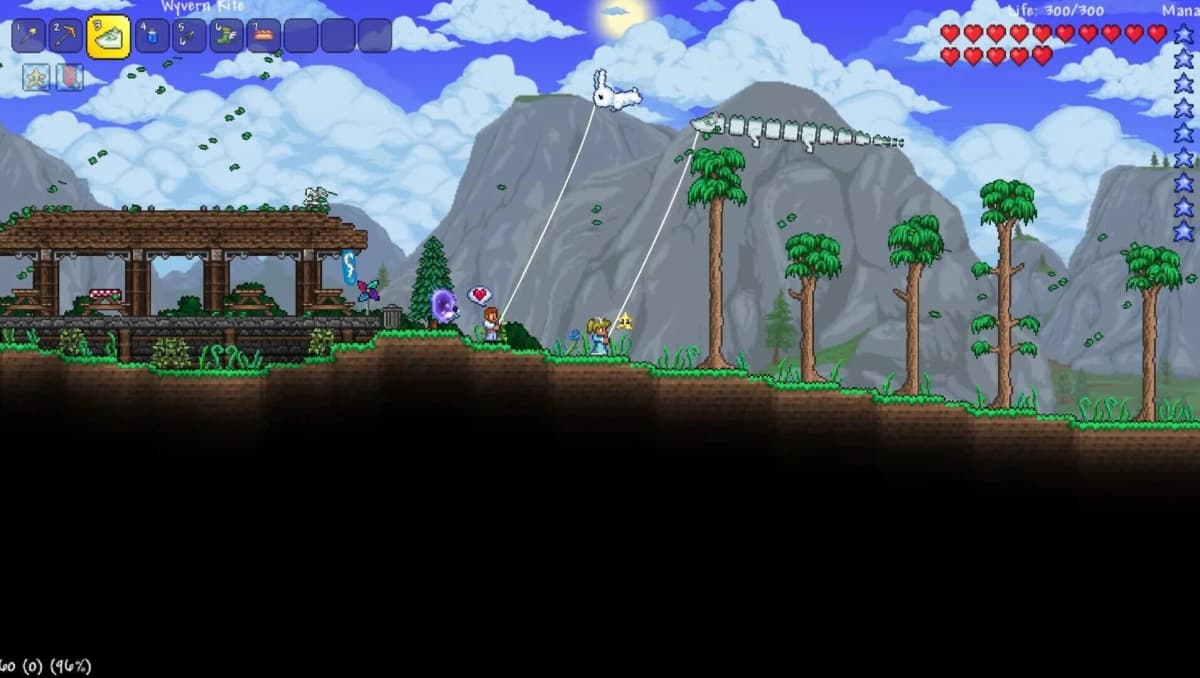
That is healthier, both for players and for the team’s credibility. Calling something the final update can create urgency in the short term, but it also turns into background noise once you have done it often enough. Gamers are not confused here. They know what they have been seeing. Re-Logic has a game that still sells, still retains, still trends, and still has obvious upside from unfinished quality-of-life work and platform unification. Of course it is not done.
The uncomfortable observation the anniversary messaging does not dwell on is simple: if Terraria is this active after 15 years, then “ending” support cleanly was never really aligned with the economics or the community reality. The smarter move is exactly the one Re-Logic appears to be making now-stop framing continued support as a surprise epilogue and start treating it as the normal state of a still-relevant game.
Crossplay is the next real inflection point, not the anniversary merch
The 15th-anniversary extras are fine. There is a Design Works retrospective coming, and a collector’s edition is expected to open for pre-orders in June. That is normal milestone stuff. The part worth actually watching is crossplay.
Re-Logic has confirmed crossplay is coming “soon,” and if it lands in a stable state, it could do more for Terraria’s next phase than any commemorative product. This game has always been structurally suited to co-op, but platform fragmentation has been one of the clearest barriers to keeping groups together over time. A sandbox survival game lives and dies on whether it is easy for friends to spin up a world and keep returning to it. Crossplay does not magically create new design depth, but it removes friction from the social loop that keeps old games alive.
That said, this is also the point where a PR rep should get a harder question than “when is it coming?” The useful question is what form crossplay actually takes. Full parity? Limited compatibility? Host restrictions? Account requirements? Crossplay is one of those features that sounds solved right up until certification, version mismatches, platform-specific UI compromises, and save-data headaches show up. For a game with PC mods as a major pillar, the boundaries matter even more. If the answer is effectively “vanilla crossplay with strict version controls,” that is still valuable. But players should know what is being promised before they mentally redesign their multiplayer plans around it.
The bigger industry lesson is not flattering to everyone else
Terraria hitting 70 million copies is remarkable because it exposes how many publishers misread what creates durability. This is not a live-service game in the modern corporate sense. It did not arrive with a seasonal monetization machine. It was not sold as a forever platform built around recurring spend. And yet it achieved something many “forever games” never do: long-term relevance that feels earned rather than engineered.
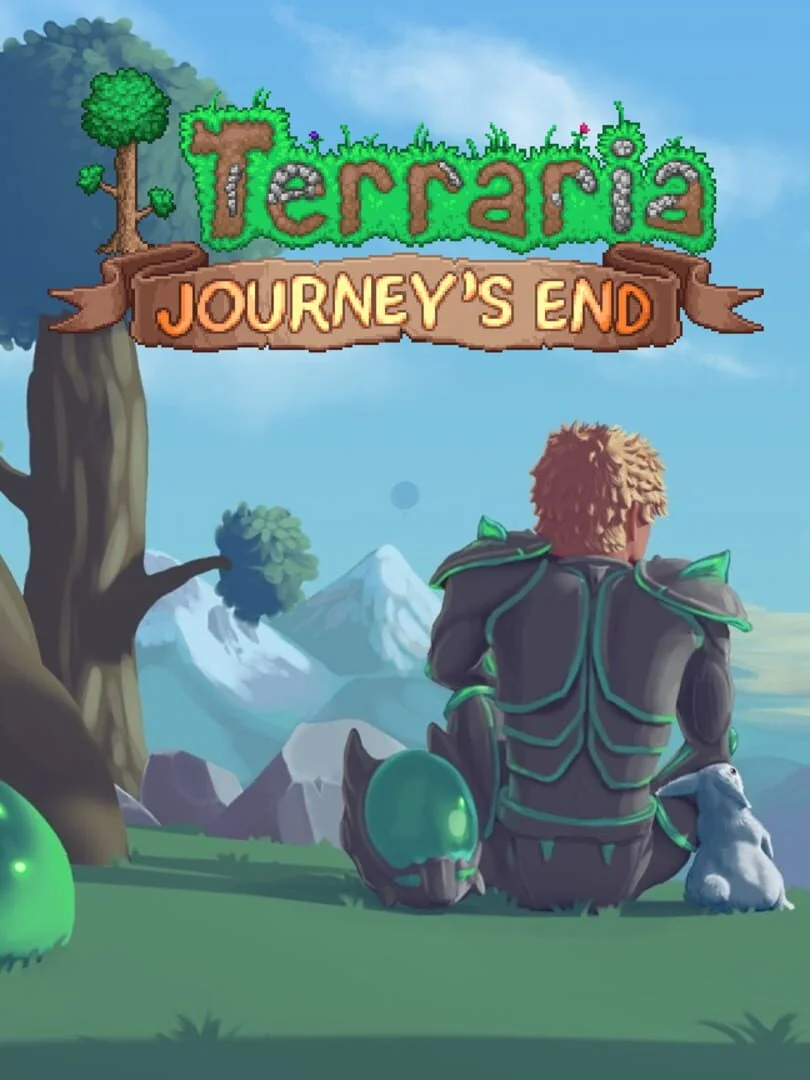
That does not mean every premium indie can follow the same path. Most cannot. The market is more crowded, discoverability is worse, and Steam’s growth has not magically made longevity accessible to everyone. But Terraria still shows a pattern the industry keeps trying to skip over. Players will stick with a game for absurd lengths of time if the systems are deep, the updates are meaningful, the price feels fair, and the developer does not spend every patch trying to re-negotiate the relationship into something more extractive.
There is also a historical angle here. Minecraft is the obvious giant in the room whenever sandbox longevity comes up, but Terraria has carved out a different kind of endurance. It is more combat-forward, more progression-dense, and more replayable in the action-RPG sense. That design identity helped it avoid becoming a lesser version of somebody else’s phenomenon. Fifteen years later, that distinction looks less like genre adjacency and more like smart positioning.
What actually matters next
The next useful signals are concrete. First, 1.4.6 needs a release window with enough specificity to judge whether “soon” still means this cycle or has slipped into the usual haze. Second, crossplay needs technical boundaries, not just a promise. Third, continued support beyond 1.4.6 has to become more than a feel-good anniversary line. Players will want to know whether that means periodic quality-of-life updates, content additions with real scope, or a looser maintenance phase dressed up as ongoing development.
If Re-Logic can answer those points clearly, then this anniversary is not just a victory lap. It is the start of a more honest second life for one of PC gaming’s most durable hits. If it cannot, then the sales milestone still stands, but the post-1.4.6 promise becomes another familiar “final update” echo with the label swapped out.
For now, the important takeaway is straightforward. Terraria at 70 million is not nostalgia running on fumes. It is a 15-year-old game still operating like a living product, and Re-Logic finally seems ready to talk about it that way.
FinalBoss // Gear
Level up your setup
01Top-rated gaming headsetson Amazon→02High-refresh gaming monitorson Amazon→03Gaming chairson Amazon→04Discounted game keyson Kinguin→Affiliate links · As an Amazon Associate, FinalBoss earns from qualifying purchases.
Want to Level Up Your Gaming?
Get access to exclusive strategies, hidden tips, and pro-level insights that we don't share publicly.
Ultimate Gaming Strategy Guide + Weekly Pro Tips