
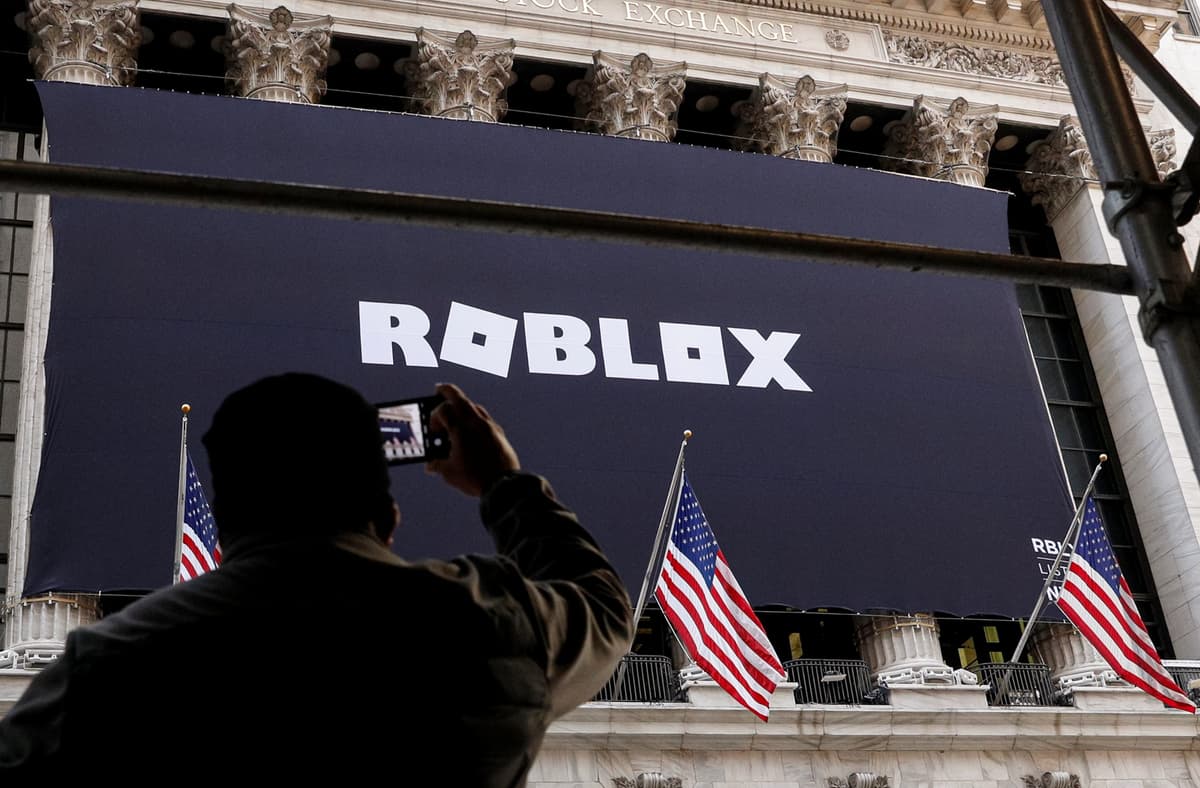
I Just Discovered Texas Sued Roblox—and It Could Shake Things Up
Game intel
Roblox
A low effort meme hack of Super Mario 64 based on Roblox.
Why This Matters for Roblox Gamers Right Now
Roblox isn’t just another gaming platform—it’s where many younger players create their first games, learn community norms, and hang out with friends. So when Texas Attorney General Ken Paxton filed a lawsuit accusing Roblox of misleading parents and “putting virtual pedophiles and profits over the safety of Texas children,” it isn’t just legal drama. It’s a potential game-changer for how user-generated content (UGC) platforms balance safety, creativity, and profit. (Source: Texas AG Complaint)
Key Takeaways
- Texas AG alleges Roblox downplayed risks to kids and prioritized profit; these are claims in court, not yet proven.
- Roblox denies wrongdoing, calling the lawsuit “false statements and sensational allegations,” and highlights new safety tools. (Roblox Safety Report)
- Roblox’s open-source PII Classifier reports 98% recall for English chats, but recall alone ignores false positives, non-English performance, and grooming detection limits.
- If the suit drives policy changes, expect stricter chat filters, more age-verification steps, slower content approvals, and tighter enforcement of rules.
Breaking Down the Allegations—and Roblox’s Response
The lawsuit claims Roblox “flagrantly ignored” state and federal online safety laws and misled parents about chat risks and content moderation. Paxton’s office says Roblox allowed predators access to minors in private chats and then touted its platform as “safe.” Again, it’s an allegation in a legal filing, not yet an established fact.
Roblox responded by expressing disappointment at the “false statements and sensational allegations” and pointing to its recent safety initiatives. In its public safety report, Roblox highlights an open-source PII Classifier—an AI tool designed to flag personally identifiable information (PII) like phone numbers and email addresses in chat logs—and claims it has achieved a 98% recall rate on English conversations. (Roblox Safety Report)
Why Now—and Why It Could Reshape Roblox
States are increasingly aggressive about online child protection. We’ve already seen how enforcement actions pushed YouTube to overhaul kids’ content and forced major publishers to revamp consent flows. With Roblox’s massive under-13 audience and robust UGC economy, it’s an obvious target for regulators.
Roblox isn’t a single game but a platform powering millions of experiences. Any tightening on chat, direct messages (DMs), voice chat, or creator monetization could ripple across everything—slowing discovery features, adding moderation queues, and imposing more friction on creators and players alike.
What Gamers Need to Know
If you or your kids spend time on Roblox, be prepared for more safety guardrails while this lawsuit works its way through courts. That could mean:
- Stricter chat filters and more aggressive auto-moderation
- Faster escalation of player reports to human moderators
- Expanded age-verification signals, especially around voice chat and older-rated experiences
None of these changes are inherently bad—they can create safer play spaces. The real challenge is maintaining Roblox’s open, social spirit while preventing misuse.
The Creator Angle: More Rules, More Friction
For creators, the days of instant publishing and light moderation may be numbered. Expect:
- Required safety checklists for games targeting younger audiences
- Mandatory disclosures around user data and monetization
- Longer review times as moderation teams and AI models err on the side of caution
That extra friction can hurt indie developers who rely on fast updates and word-of-mouth discovery. On the flip side, parents may feel safer letting kids explore new experiences if they know robust safeguards are in place.

The Tech Skepticism: Good Metrics, Limited Relief
Hitting 98% recall in English PII detection is promising, but remember:
- Recall measures true positives but not false positives—overzealous flagging can frustrate users
- It says nothing about non-English chats, which make up a significant chunk of global Roblox traffic
- PII detection doesn’t catch grooming, coercion, or coded language—those still need human review
Open-sourcing the classifier helps the broader safety community improve tools, but AI is just one piece of a robust strategy involving clear policies and rapid human enforcement.
Want to Level Up Your Gaming?
Get access to exclusive strategies, hidden tips, and pro-level insights that we don't share publicly.
Ultimate Gaming Strategy Guide + Weekly Pro Tips
Looking Ahead
Lawsuits take months or years to resolve, but public pressure often drives faster action than court calendars. Watch for Roblox to roll out new reporting UX, expand parental-control features, and tighten age gating on social functions. Players should brace for extra prompts and filters; creators should bake safety-by-design into every new experience.
Conclusion
The Texas lawsuit against Roblox shines a spotlight on the tension between creativity and child safety on UGC platforms. While Roblox’s AI tools and transparency steps are encouraging, they’re not a silver bullet. As the case unfolds, expect a shift toward stricter moderation, tighter age checks, and more friction in both chat and creation. Ultimately, the goal is a safer environment—but maintaining the platform’s open, social magic will be a delicate balancing act.