
Table of Contents (6)
Why this matters to players right now
This caught my attention because Teamfight Tactics has long flirted with brilliance and boredom in equal measure. Set 16, Lore and Legends, feels like Riot actually listened to the parts of the community crying for more meaningful mid-games and fewer “dead” options. At the Paris Open I spoke with Mortdog and lead set designer Julien Camaraza, and what they outlined wasn’t flashy marketing – it was a targeted, sensible attempt to fix the things that make TFT feel stale for long stretches.
- Depth over complexity: familiar tools, purposeful decisions.
- Mid-game changes: Level 8 is still default, but Level 7 matters now.
- Balance philosophy: avoid dead options, tune augments, prefer small buffs.
- Watch for incremental shifts and fast hotfixes – not grand overhauls.
Breaking down the core change: depth, not complication
Mortdog summed it up plainly: “There’s a distinction between complexity and depth.” That line is the North Star for this set. Instead of layering on a new meta-defining subsystem – no big Power-Up Fruit here — Lore and Legends leans on champs and items, and an unlock mechanic that expands options without spinning players into a new learning wheel. That approach matters: it means the set is approachable on the surface but offers real long-term mastery if you want to put in 500 games.
Riot’s choice to reprint familiar champions — Tahm Kench, Sett, etc. — is deliberate. Those reprints reduce the “newness tax” and let players quickly grok synergy patterns, unlocking the deeper strategic toys without asking everyone to learn a whole new language.
Why the mid-game tweaks actually change gameplay
Historically, TFT’s mid-game could feel like a waiting room: save, level, rinse, repeat. Julien spelled out the problem concisely — players were too often idle for significant chunks of the match. To fix that, Lore and Legends makes Stage 3 scarier, nudges the gold curve so Level 8 costs more, and rebalances stage damage. The result: Level 7 isn’t an obligatory dead zone anymore.
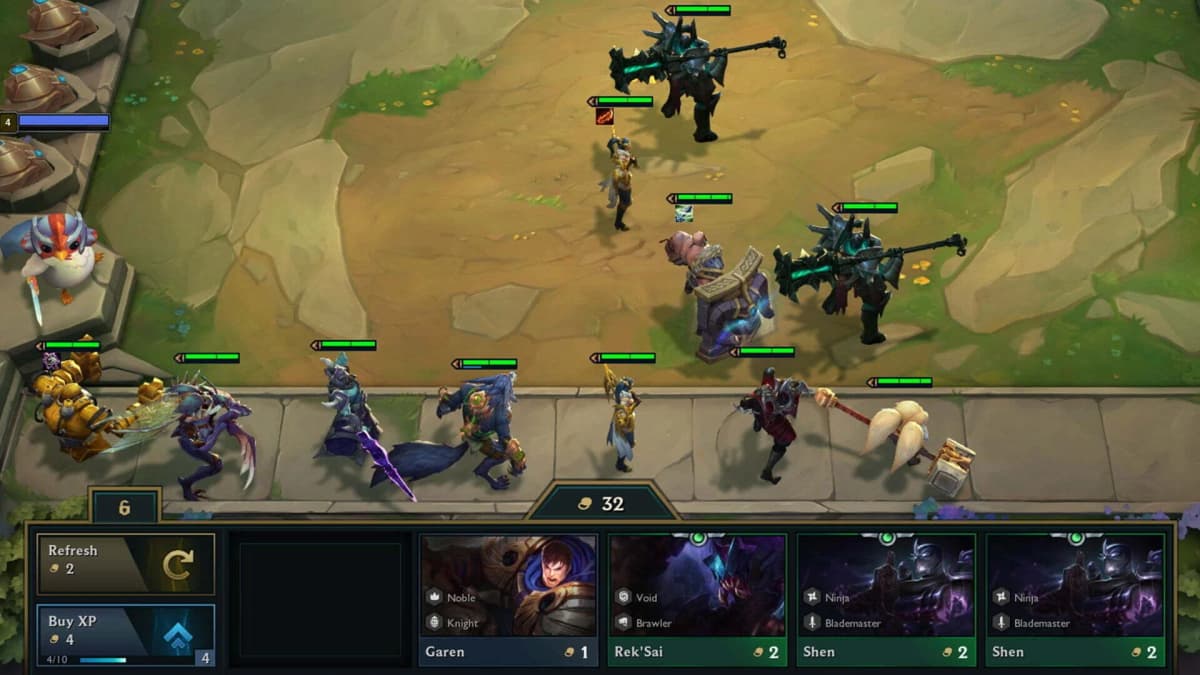
Julien was blunt: “For an entire level — one-tenth of the total levels you can be in the game — to be seen as dead, I think it’s unacceptable.” That’s a bold stance and exactly the kind of design clarity TFT needed. If Level 7 now has viable augments and champs, you get real decisions and the mid-game becomes an active, interesting phase rather than a timeskip.
Balance philosophy: small nudges, fewer nuclear options
Both Mortdog and Julien made it clear Riot wants to avoid swings and instead iterate with small buffs to underexplored options while reserving nerfs for the genuinely degenerate. Mortdog: “When we have that [combat pacing] in a good spot, first, let’s fix anything that’s becoming degenerate… But otherwise, it’s actually more about what isn’t working and why.”
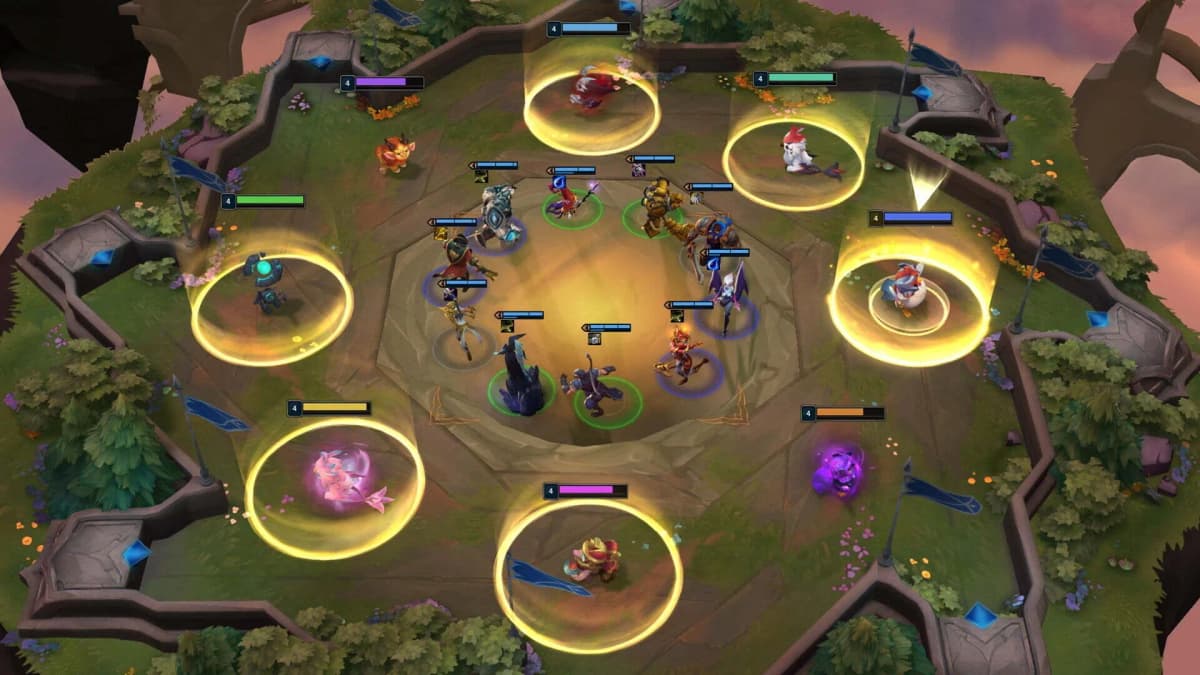
That mentality shows up in two ways: first, looking for the real reason a champion or augment isn’t played — identity, timing, or kit — before slapping on a numeric nerf or buff; and second, preferring incremental buffs that invite discovery. Julien put it well: a five-AD buff doesn’t crash the meta, but it can send curious players to check out tech that was quietly underperforming.
There’s also a systems-level caution: with 400 pieces of content, even a single overpowered augment can sour a lot of games. Expect Riot to keep a tight eye on augments and ecosystem interactions, and to hotfix when a particular synergy clearly warps choice diversity.
What this means for you as a player
If you like variety and mid-game plays, Set 16 is a breath of fresh air. You can still chase Level 8 and the conventional power spike, but now there are meaningful paths to Level 7 that reward attention and decision-making. For streamers and meta-hunters, Riot’s approach intentionally creates room for weekly pivots: small buffs and hotfixes can kick off fresh tech without destabilizing the whole set.
My tempered excitement: Lore and Legends is shaping up to be one of TFT’s best sets because it brings back the joy of discovery while cutting down the long idle stretches. The proof will be in the balance cadence over the coming weeks — if Riot keeps to small, smart changes and squashes the inevitable overperformers quickly, this set could be the one people point to when they talk about a “deep” TFT season.
TL;DR
Riot tuned Set 16 for depth, not bloat: mid-game matters again, Level 7 is being rescued from irrelevance, and the team prefers tiny, curiosity-sparking buffs over blunt-force balance. It’s not perfect, but for the first time in a while TFT feels alive across more minutes of the match — and that’s a big deal.
FinalBoss // Gear
Level up your setup
01Top-rated gaming headsetson Amazon→02High-refresh gaming monitorson Amazon→03Gaming chairson Amazon→04Discounted game keyson Kinguin→Affiliate links · As an Amazon Associate, FinalBoss earns from qualifying purchases.
Want to Level Up Your Gaming?
Get access to exclusive strategies, hidden tips, and pro-level insights that we don't share publicly.
Ultimate Gaming Strategy Guide + Weekly Pro Tips