
Sleepless Nights Ahead: 9 Can’t-Miss PC Political Sims for 2025
Political simulation games are my marathon-session obsession—drop me into a nation teetering on collapse, and I’ll lose sleep negotiating with scheming ministers. From frostbitten outposts to dynastic courts, these nine titles test your moral compass, strategic finesse, and ability to live with the fallout of a single decree. If a game ever made you whisper “one more turn” at dawn, it belongs here.
Each entry blends nuanced decision-making with emergent storytelling. You’ll juggle resources, manipulate public opinion, broker alliances, and sometimes watch your carefully laid plans implode. Whether you crave dystopian survival, medieval intrigue, election-night drama, or guerrilla governance, brace yourself for countless “just one more choice” moments.
Table of Contents (46)
1. Frostpunk 2: Frozen Factions and Impossible Choices
Resource Management with Deadly Stakes
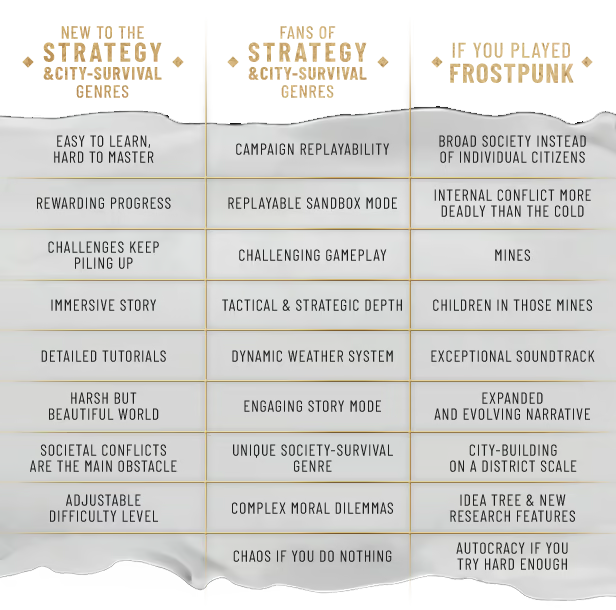
Frostpunk 2 deepens its predecessor’s chilling premise by tasking you with keeping the heat on in a world locked in an ice age. You build steam engines, carve snow tunnels, and ration coal—each decision could save lives or condemn your citizens to the cold. Blizzards, resource scarcity, and shifting priorities force you into heart-pounding gambles.
Factions, Faith, and Forbidden Tech
Clerical zealots demand prayers and sacrifices, engineers push dangerous inventions, and nationalists insist on rigid quotas. Enact one edict and spark a revolt; appease another and watch traditions crumble. Your laws redefine your people’s culture and morale, forging a dynamic drama in every new session.
Replay Value & Community Campaigns
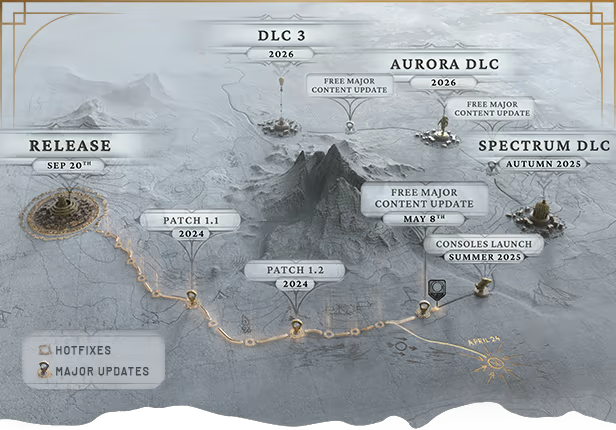
Multiple scenarios and branching storylines ensure each campaign feels unique. Community-created challenge maps introduce extreme weather or total collapse missions, while seasonal updates add monuments, moral dilemmas, and new exploration routes. Developer patches even unlocked expeditions beyond your generator’s warmth, turning each playthrough into a fresh frostbitten saga.
Strategy Tips
Balance your technology tree carefully: overinvesting in automation early can leave you short on manpower when disaster strikes. Keep a small emergency coal reserve and stagger shift schedules to withstand sudden storms. And never underestimate the impact of public speeches on morale—sometimes a few heartfelt words stave off despair more effectively than extra heating units.
2. Crusader Kings III: Medieval Machinations That Never Get Old
Sandbox Intrigue in a Feudal World
Crusader Kings III rules supreme in dynastic grand strategy. You start as a minor noble and, through marriages, alliances, and devious plots, can claw your way to an empire. Characters possess unique traits, secrets, and ambitions—insult a vassal and face assassination attempts; charm them and gain unwavering loyalty.
Dynamic Storytelling & Personal Drama
Each campaign spins its own epic tale. My holy crusader ended excommunicated after a forbidden affair, while a court jester’s prank sparked a peasant revolt. Succession crises, religious reforms, and rival plots create endless twists, making every family portrait feel like a cliffhanger.
Ever-Growing DLC and Modding Community
Paradox’s expansions—from Royal Court (2022) to Fate of Iberia (2024)—add new mechanics like formal courts, cultural events, and expanded map regions. The modding scene fuels total conversions (Viking Invasions, Roman Restorations) and quality-of-life tweaks. Whether rebuilding Byzantium or weathering Mongol hordes, CK3’s replayability is virtually limitless.
Insider Advice
Master the intrigue system early: plant spies, bribe courtiers, and timed scandals can topple rivals before they raise an army. Also, use marriages to secure alliances in unexpected regions—having a confidant king far away can open new fronts or safe havens when local politics turn hostile.
3. Suzerain: A Political Thriller Where Every Word Matters
Branching Narrative & High Stakes
Suzerain is a text-based odyssey that proves words can topple governments. As President Anton Rayne of newly independent Sordland, you navigate economic collapse, activist unrest, and factional unrest. Dialogue choices—whether to negotiate with oligarchs or clamp down on dissent—ripple through your nation’s stability and your own legacy.
A Gut-Punch of Real-World Relevance
Scenarios echo modern politics: censor one newspaper and face underground pamphlets; grant amnesty to prisoners and lose foreign aid. The minimal interface keeps you locked on moral quandaries, intensifying each policy speech and public address.

Multiple Endings & Community Debates
Autocrat or reformer, isolationist or diplomat—your path unlocks new factions and secret events. Developer patches have introduced fresh scenarios and character arcs, while forums buzz with debates on whether Sordland’s coups mirror real-world Latin American or Eastern European histories.
Playing Smart
Track public sentiment closely—small poll swings can foreshadow large-scale uprisings. Use strategic concessions to defuse protests rather than heavy-handed crackdowns, which often radicalize opposition and trigger international condemnation.
4. Democracy 4: Where Policy Is More Than a Checkbox
The Sandbox of Modern Governance
In Democracy 4, you mold a contemporary nation by adjusting taxes, budgets, and social programs. Raise fuel taxes to curb emissions—watch environmental groups cheer while industry tycoons revolt. Expand healthcare for long-term gains but risk ballooning deficits and voter rage.
Electoral Pressures & Real-World Case Studies
Try universal basic income in one scenario, then pivot to law-and-order strategies in the next. Scandals, leaks, and media jockeying force snap elections, while demographic trends shape your political calculus like a seasoned pollster.
Data Mapping DLCs & Strategy Challenges
Optional expansions—Policy Challenges, Data Mapping—simulate historical crises (oil shocks, pandemics) or alternate realities (post-climate rebuilding). Community maps tackle diverse goals, from reducing urban gridlock to overhauling pension systems, making every sandbox campaign uniquely instructive and addictive.
Pro Tip
Don’t chase collar-based approval—focus on interest-group coalitions that unlock policy synergies. A well-timed alliance with teachers’ unions can boost education and GDP growth, even if other demographics grumble at initial costs.
5. Yes, Your Grace: Kingdom-Building for Empaths and Schemers
Every Petition Holds a Story
Yes, Your Grace casts you as a monarch facing heartfelt requests from nobles, merchants, and peasants. Grant grain to starving villagers or hoard it for army payroll—each petition carries personal narratives in charming pixel art. Ignore a healer’s plea and disease spreads; back a knight’s quest and empower potential rivals.
Family Drama & Diplomatic Intrigue
My daughter’s arranged marriage turned dramatic when she fell for a traveling bard. Do I uphold royal protocol or risk scandal by letting love win? Advisors and courtiers whisper temptations, each side plot weaving a richer tale of loyalty, betrayal, and hidden agendas.
Expansion Packs & Fan Scenarios
Beyond the base story, expansions introduce famine crises, civil wars, and mythical beasts—or even time-traveling diplomats. Fan scenarios add entirely new courts and questlines, deepening the game’s blend of soft power and steel-clad strategy.
King’s Counsel
Balance empathy with pragmatism: satisfying one faction often alienates another. Use royal pardons strategically to buy loyalty, and invest in infrastructure to keep nobles from plotting your downfall during the next winter famine.
6. Rebel Inc: Escalation: Insurgency, Aid, and Local Politics
Winning Hearts and Minds
Rebel Inc: Escalation reframes conflict by focusing on stabilization instead of pure conquest. You build clinics, schools, and water plants, negotiate with tribal leaders, and deploy peacekeepers alongside combat units. Insurgents exploit power vacuums while civilian councils vie for influence.
Political Alliances & Moral Trade-Offs
Should you bankroll a warlord to keep supply lines open, or empower civilian governance at the risk of roadblocks? My media outreach effort once backfired as misinformation eroded trust; later, I blended military patrols with infrastructure to forge fragile peace.
Scenario Editor & Community Tournaments
The in-game editor spawns bespoke crises—urban oil spills, refugee floods, or simultaneous natural disasters. Community-run competitions test your stabilization speed on complex maps, while developer patches continuously refine the civ-mil balance.
Field Advice
Prioritize basic services early to win public favor—healthcare and clean water generate stability points faster than extra patrols. Keep an eye on regional influence: leaving one province underserved can spark a domino of insurgent gains.
7. Twilight Struggle: Digital Cold War, One Card at a Time
Classic Board Game, Intensified
Twilight Struggle distills the superpower standoff into a tense card duel. Each play brings events like the Cuban Missile Crisis or Space Race into your hand. Maneuver influence, trigger coups, and race the DEFCON track to avoid global annihilation.
Risk vs. Reward in Geopolitics
Push aggressively in Europe and risk nuclear war, or cede ground to consolidate power elsewhere. I once engineered a surprise South American uprising—one well-timed coup swung the entire balance of power, leaving my rival scrambling.
Ranked Matches & Solo AI Campaigns
The digital edition hosts global leaderboards, AI opponents with unique styles, and scenario packs exploring alternate histories. Weekly tournaments and community leagues ensure every match feels fresh and fiercely competitive.
Pro Strategy
Manage your event cards carefully: holding onto a high-impact event until your opponent is vulnerable can shift momentum decisively. Also, anticipate your foe’s potential DEFCON plays to avoid inadvertent nuclear escalation.
8. Tropico 6: Banana Republic Bureaucracy and Backroom Deals
El Presidente’s Diverse Dilemmas
In Tropico 6, you rule as “El Presidente” on a tropical archipelago, juggling tourism, industry, and political factions. Build banana farms, casinos, or spy outposts—every decision earns you loyalty or contempt. Keep the economy booming while curbing dissent from communists, capitalists, and religious groups.
Infrastructure, Elections, and Espionage
Manage trade routes, research modern amenities, and stage dramatic election rallies. Bribe or intimidate opponents, rig ballots, or embrace democratic checks—it’s your call. Espionage modules let you sabotage rival nations or recruit key figures, turning diplomacy into a cloak-and-dagger affair.
Sandbox Modes & Scenario Campaigns
Tropico’s varied scenarios span colonial revolts to Cold War espionage. Sandbox mode unleashes your creative streak—craft utopian city-states or kleptocratic hellholes. Constant DLC drops—ranging from steam-punk expansions to pirate invasions—keep gameplay fresh.
Insider Tip
Balance tourism with local welfare: overdeveloping luxury resorts can alienate your working class, leading to riots. Use edicts like “Foreign Aid” to shore up funds during downturns, then funnel profits into public works to regain favor.
9. Power & Revolution: The Ultimate Geopolitical Sandbox
Real-World Politics at Your Fingertips
Power & Revolution drops you into a fully modeled modern state, complete with regional administrations, political parties, and global institutions. From local mayorships to national presidencies, tweak budgets, enact laws, and weather protests in real time.
Economic Levers & Social Movements
Adjust tax brackets, control interest rates, and manage public debt while responding to labor strikes, environmental activists, and extremist uprisings. International summits, UN votes, and trade agreements add layers of diplomatic complexity.
Scenario Editor & Multiplayer Operations
Craft scenarios—financial crashes, humanitarian disasters, or secessionist conflicts—and challenge friends to resolve crises. Multiplayer mode pits leaders against each other in simultaneous decision-making, often sparking dramatic diplomatic standoffs.
Expert Advice
Keep a close eye on approval ratings by region: national averages can hide local hot spots. Invest in state media and transparent communication to maintain trust during austerity measures, and leverage international aid only when it won’t undermine your sovereignty.
Conclusion
These nine political sims prove that the biggest battles aren’t always fought with swords or lasers—they’re waged in budgets, ballots, and public opinion polls. Whether you’re rationing coal in a frozen wasteland, brokering royal marriages, or debating tariffs in a virtual parliament, each choice carries weighty consequences. Ready your best speeches, plot your next coup, and steel your resolve—2025’s political gaming lineup promises sleepless nights and “just one more decision” thrills you won’t forget.
FinalBoss // Gear
Level up your setup
01Graphics cardson Amazon→02Gaming laptopson Amazon→03High-refresh gaming monitorson Amazon→04Discounted game keyson Kinguin→Affiliate links · As an Amazon Associate, FinalBoss earns from qualifying purchases.
Want to Level Up Your Gaming?
Get access to exclusive strategies, hidden tips, and pro-level insights that we don't share publicly.
Ultimate Top Strategy Guide + Weekly Pro Tips