
Table of Contents (16)
Why I’m Ignoring The Obvious Steam Deals This Spring
Every Steam sale, the same big hitters float to the top of the recommendation lists: The Witcher 3, Mass Effect Legendary Edition, Disco Elysium, whatever Rockstar game Valve has strapped to a rocket this quarter. They’re great, but you don’t need another article telling you “hey, those modern classics are cheap again.”
This Spring Sale (running March 19-26, 2026), I’ve been digging for the weirder, crunchier, more reactive RPGs that quietly slide under $10 and then vanish back into full-price obscurity. The sort of games that don’t headline trailers, but absolutely will eat your evenings if they click with you.
For this shortlist, I set a hard cap: at the time of writing, every game here is discounted to $9.99 or less in the Steam Spring Sale, at least in the US store. Prices can shift, especially with flash discounts and regional quirks, so double-check your local store before buying-but broadly, this is the sweet spot where “pocket change” meets “hundreds of hours of RPG.”
I’ve played all of these, sometimes across multiple PCs and operating systems, and they skew heavily toward reactive narratives and old-school CRPG sensibilities: intricate builds, meaningful choices, and worlds that remember what you did. If you already own the obvious deals and want something with a bit more personality-and sometimes a bit more jank-these are the Spring Sale RPGs I’d actually prioritize before the clock runs out.
1. Pathfinder: Wrath of the Righteous

If you want raw, terrifying value for money, this is the monster at the top of the heap. During the Spring Sale, the base game drops to around $5.99, and that’s for a CRPG that can easily push past 100 hours if you properly sink your teeth into it. It’s based on Pathfinder’s infamous mythic campaign, and it absolutely feels like someone condensed an entire tabletop group’s five-year saga into one game.
Wrath is the definition of “too many options in the best possible way.” You’re leading a crusade against a demonic invasion, but the real hook is the Mythic Paths: narrative mega-builds that twist the entire story. Go angelic paladin, chaotic trickster, immortal lich, sentient swarm of locusts that eats the world—each one changes companions, outcomes, even the game’s tone. I remember hitting the midpoint of a Lich run and realizing half the cast now looked at me like I was a walking apocalypse, and the plot just… leaned into it.
The flip side is that Wrath doesn’t baby you. The buildcraft is dense, the encounters are tuned for people who know how to stack buffs, and the crusade management layer can be overwhelming on a first go. But the difficulty sliders and turn-based mode help a lot, and once it clicks, few RPGs feel this reactive. For under $10, it’s frankly absurd—especially if you’re the kind of player who replays RPGs just to see different narrative branches.
2. Pillars of Eternity
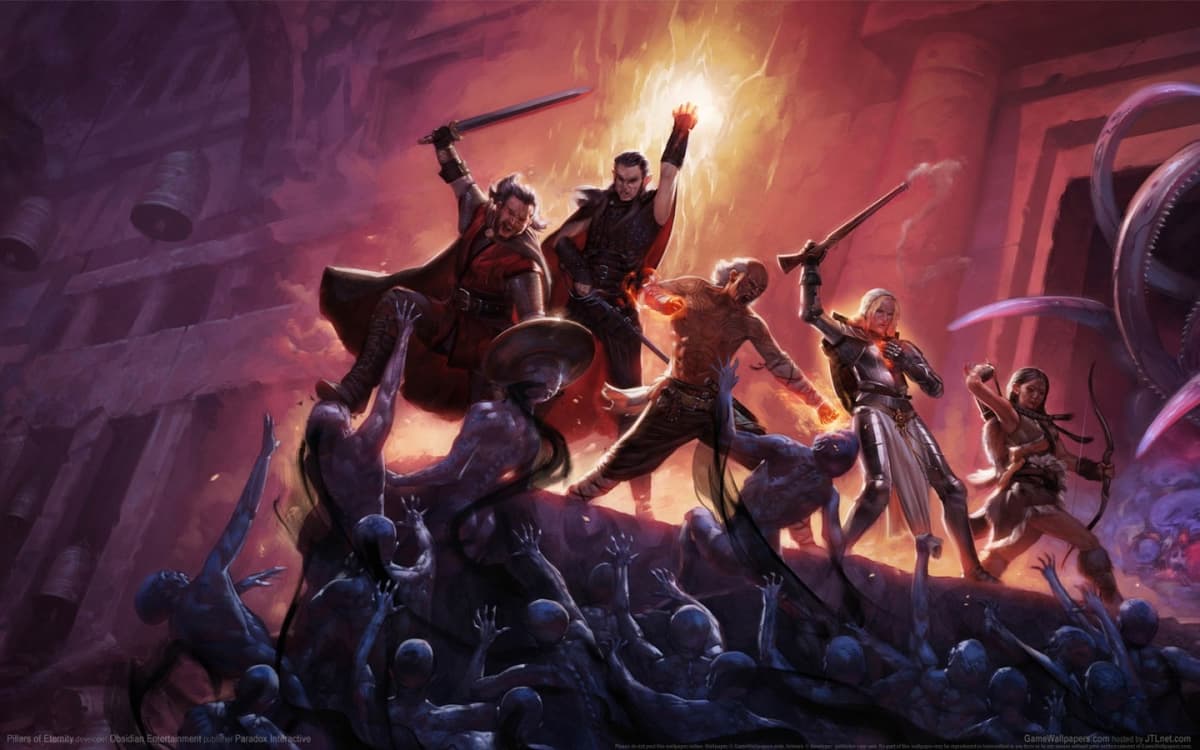
Pillars of Eternity is the game that finally answered the question: “What if someone actually made a modern Baldur’s Gate instead of just saying they would?” With the Spring Sale pushing it down to about $9.99, this is the most straightforward recommendation on the list for anyone who grew up on Infinity Engine classics—or wishes they had.
On release, I bounced off Pillars once or twice. The lore density is brutal at first: invented pantheons, soul metaphysics, a completely new ruleset. But the moment it sank in—somewhere around the first big city of Defiance Bay—the whole thing recontextualized itself. The story isn’t just about saving the world; it’s about what it even means to be a person when memories and souls are messy, transferable things. I still vividly remember a late-game choice where I realized my “heroic” path had been built on someone else’s stolen destiny.
The big news if you’re coming in now: a fully toggleable turn-based mode was added post-launch. It fundamentally changes how the game feels, especially if real-time-with-pause micromanagement is not your happy place. Combine that with a giant slate of interesting classes (Cipher and Chanter especially) and some brilliantly written companions, and Pillars becomes one of the best “pay 10 bucks, get a month of evenings” purchases you can make right now.
3. Pillars of Eternity II: Deadfire

Deadfire is the slightly weirder, more experimental sibling to Pillars 1—and, conveniently, also down to about $9.99 in the Spring Sale. Where the first game is very “classic fantasy republic in crisis,” Deadfire throws you onto a ship in a vibrant colonial archipelago and lets you sail where you want, poking at gods and empires at your own pace.
From a pure CRPG nerd perspective, Deadfire is intoxicating. It adds multiclassing and a boatload of subclasses, so your party-building brain gets to go wild. My favorite run was a piratey Watcher multiclassed as a swashbuckling tank, backed by a crew of weirdos including a ghost-obsessed priest and a smug, eldritch bird. The combat sings in both real-time and turn-based, and the encounter design is full of little puzzles that reward knowing your toolkit.
The tradeoff is that Deadfire can feel a bit looser structurally than the first game. The open archipelago structure means it’s easier to get distracted, and the main plot is more contemplative road trip than focused crisis. Personally, I love that tone—it feels like a late-career fantasy novel where the author is more interested in interrogating gods than killing them. If you come out of Pillars 1 wanting more time with this world, grabbing Deadfire under $10 is a no-brainer.
4. Arcanum: Of Steamworks and Magick Obscura
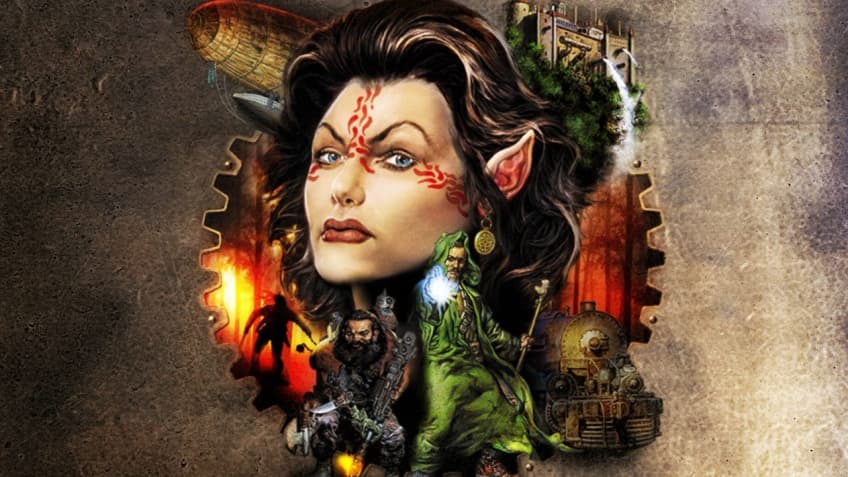
Arcanum is the jankiest masterpiece on this list, and I mean that as a compliment. Marked down to around $3.89 in the sale, it’s the cheapest ticket here into a truly wild, reactive CRPG. Imagine if the Fallout 2 team took a Victorian industrial revolution, smashed it into traditional D&D fantasy, and then spent all their energy on worldbuilding and choice design instead of combat.
The premise is brilliant: magic and technology literally interfere with each other, so a steampunk rifleman and a robed wizard walking down the same street are a political statement. I’ve run Arcanum as a silver-tongued technologist preaching progress, a feral half-ogre enforcer, and a necromancer who chats with corpses to solve quests, and each build made cities and factions treat me completely differently. One early quest about an ogre rebellion genuinely changed my view on a companion after I dug into the messy history behind it.
The warnings are real: the real-time combat is awful, the turn-based combat is merely okay, and the UI feels frozen in 2001. You’ll want the community patch, and you’ll probably want to peek at a build guide so you don’t accidentally create a walking failure state. But if you can push through that, Arcanum offers some of the most reactive questing and roleplay support ever put in a single-player RPG—and right now it costs less than a fancy coffee.
5. Vampire: The Masquerade – Bloodlines

Bloodlines at around $9.99 is the closest thing on Steam to a playable cult film. It’s Troika’s last, most famously broken project, but with modern patches it’s transformed into a grimy, unforgettable immersive RPG that still does urban roleplaying better than pretty much anything.
What always stands out to me is how personal it feels. You’re just one newly turned vampire trying to survive LA’s supernatural politics, but every clan pick radically changes the vibe. Play a seductive Toreador and you’re gliding through clubs and galleries; play as a deformed Nosferatu and suddenly the same city is a hostile maze of sewer shortcuts and terrified humans. The Ocean House Hotel, a mid-game haunted level, is still one of the most effective horror sequences I’ve ever crawled through—despite (or because of) the low-poly jank.
The combat is clunky and the last act clearly ran out of time, but the quest design and dialogue are stellar. I still remember sweet-talking a desperate Thin-Blooded vampire down from a truly bad decision, and the game quietly tracking that choice for hours before paying it off. Install the unofficial patch, accept that some edges will never be sanded off, and you get a moody, highly replayable RPG that feels shockingly modern in how much it lets you roleplay a character rather than just a build.
6. Alpha Protocol

Seeing Alpha Protocol back on Steam and under $10 feels like some kind of timeline correction. It’s a janky third-person shooter on the surface, sure, but underneath that is one of the most aggressively reactive spy RPGs ever made. The Spring Sale price makes it a perfect “take a chance on this” pick if you like messy, ambitious games more than polished, safe ones.
You play as Michael Thorton, a blandly named secret agent whose personality is entirely up to you. Not through dialogue wheels that boil down to “good/neutral/evil,” but through attitude stances—Professional, Suave, Aggressive—that reshape relationships in real time. I vividly remember flubbing an early mission, leaning hard into smarmy Suave in the debrief, and watching a handler go from annoyed to begrudgingly charmed in the span of a conversation. Hours later, that same handler bent protocol in my favor because of the history we’d built.
The shooting is fine once you spec into it, but the real joy is in how missions reorder themselves based on who you work with, who you betray, and how loudly you kick the hornet’s nest. Entire boss fights, romances, even final villains can change. For under $10, you’re essentially buying three or four different versions of the same spy thriller, all tucked into one game. If you can tolerate a little 2010-era clunk, it’s one of the most satisfying “my choices actually mattered” RPGs you can play.
7. Tyranny

Tyranny is what happens when a studio looks at the usual “stop the Dark Lord” setup and says, “What if you already lost?” Marked down to around $7.49, it’s a tightly focused CRPG about serving an evil empire—or trying, in small ways, to bend its machinery toward something less awful.
7. Tyranny
Tyranny is what happens when a studio looks at the usual “stop the Dark Lord” setup and says, “What if you already lost?” Marked down to around $7.49, it’s a tightly focused CRPG about serving an evil empire—or trying, in small ways, to bend its machinery toward something less awful.
🎮 Get This Game at the Best Price
Compare prices instantly and save up to 80% on Steam keys with Kinguin — trusted by 15+ million gamers worldwide.
*Affiliate link — supports our independent coverage at no extra cost to you
The hook hits before you even start the main campaign. The Conquest prologue has you placing banners on a map, choosing how the Overlord’s armies crushed each region. Those decisions aren’t flavor text; they seed the world with scars and resentments you’ll deal with later as a Fatebinder, a sort of magical judge sent to enforce tyrannical law. I still think about a village I “mercifully” spared in the prologue, only to return later and find that my compromise had created a different kind of slow-motion disaster.
Combat is real-time-with-pause and fully serviceable, but the real strength is the writing and reactivity. Factions remember every slight, companions have sharp opinions about your rulings, and it’s rare that a decision feels clean. The campaign is shorter than most CRPGs—my first run was under 40 hours—which actually works in its favor. It’s compact enough that replaying with a wildly different philosophy is tempting, especially at this price. If you’ve ever wished more RPGs let you roleplay as the enforcer inside the evil system rather than the chosen one outside it, Tyranny is your jam.
8. Neverwinter Nights: Enhanced Edition

At first glance, paying roughly $7.19 in the sale for an early-2000s BioWare game with a so-so main campaign might not sound like a slam dunk. But Neverwinter Nights: Enhanced Edition isn’t really about that original story—it’s about everything wrapped around it: the expansions and, more importantly, two decades of community modules and persistent worlds.
The official content alone is worth the sale price. Shadows of Undrentide and Hordes of the Underdark are classic D&D romps, with Hordes in particular turning into a full-blown mythic power fantasy in its later chapters. I still remember hitting the late-game in Hordes and realizing my carefully crafted wizard suddenly felt like a walking natural disaster.
But the real rabbit hole is the user-made campaigns. People have used NWN’s toolset to build everything from 100-hour epics like the Aielund Saga and Swordflight to strange little experiments and full-on mini-MMOs still quietly chugging along in 2026. Enhanced Edition bundles in a lot of modern niceties—better resolution support, some curated modules—and keeps the whole thing playable on modern rigs. If you like the idea of installing one game for under $10 and then having essentially infinite D&D-flavored content to pick through, this is about as good as it gets.
9. Pathfinder: Kingmaker
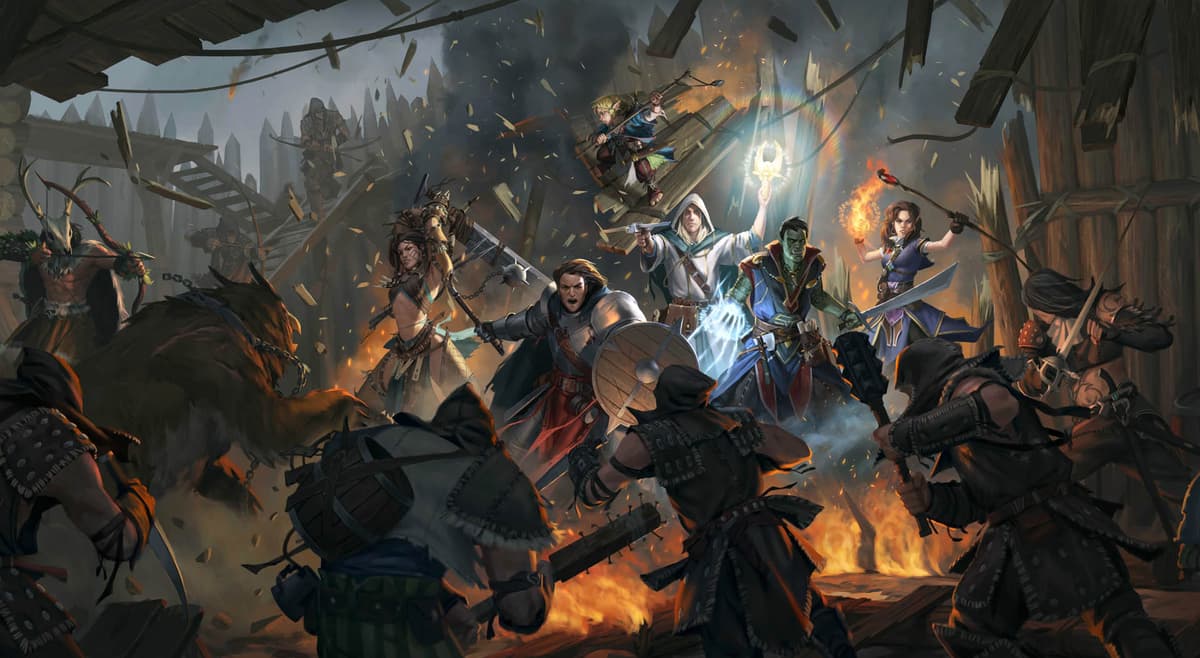
Kingmaker is the rough-edged prototype for Wrath of the Righteous, and during the sale it dives to around $2.99, which is frankly ridiculous. It’s based on the classic Pathfinder Kingmaker adventure path—very much “go carve your own kingdom out of a cursed wilderness”—and it embraces that open, meandering, sometimes hostile structure.
When I first played it, the launch bugs and brutal difficulty spikes were infamous. Coming back years (and many patches) later, it feels like a very different game. The kingdom management layer, which used to be an opaque fail machine, is now a genuinely interesting meta-game about balancing advisors, crises, and expansion. I still remember nearly losing my entire barony because I neglected one cranky advisor for too long, then clawing my way back from the brink by finally investing in the realm’s neglected infrastructure.
The combat and buildcraft are still crunchy as hell—Pathfinder 1e is not shy about feat stacks and buff rotations—but if you’ve enjoyed Baldur’s Gate 3 and want something closer to the “raw tabletop math” side, Kingmaker scratches that itch. It’s less slick than Wrath, and some quest chains can be opaque, but at this price it’s one of the best “let’s see if I vibe with this style of CRPG” test cases you can buy.
10. Skald: Against the Black Priory
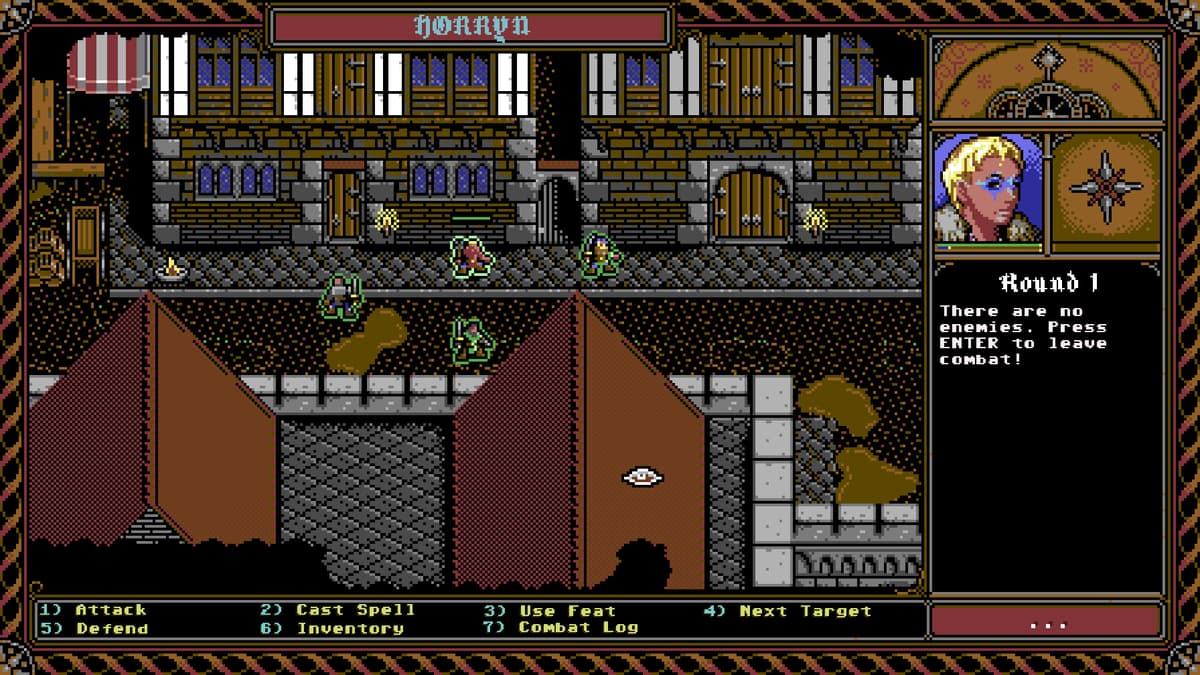
Skald looks like it fell out of a forgotten DOS archive—chunky pixels, limited color palette, crunchy text boxes—but underneath that retro skin is one of the smartest modern CRPGs I’ve played in years. On sale for about $7.49, it’s a compact, party-based RPG that feels like someone condensed the spirit of old-school Ultima and Call of Cthulhu into a single weird coastal nightmare.
The core loop is simple: explore a hostile archipelago, chat with suspicious locals, crawl through lovingly nasty dungeons, and get steadily pulled into something far worse than bandits or smugglers. The turn-based combat is snappy and lethal, built around positioning and resource management rather than endless grind. I appreciated how often the game let me lean on skills and roleplay instead—spotting a subtle clue with a sharp-eyed character, or defusing a situation with the right background.
What really sold me, though, is the writing. Skald doesn’t drown you in exposition, but every line feels considered, and the creeping cosmic horror lands harder for how grounded the early hours are. It’s relatively short by CRPG standards—more like 20-30 hours for a thorough run—but that actually makes it perfect sale fodder: dense, replayable, and respectful of your time. If you’ve ever looked at old RPG box art and wished the game inside actually lived up to it, Skald is that fantasy made real.
11. Arx Fatalis
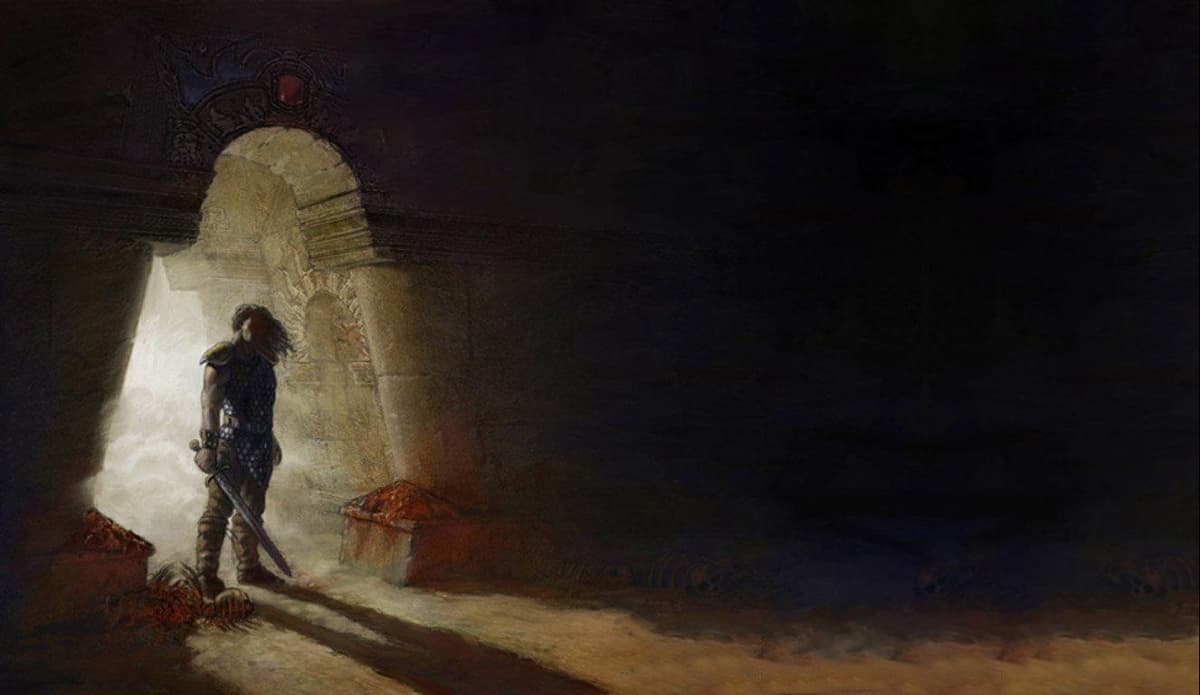
Before Arkane reinvented immersive sims with Dishonored and Deathloop, they made Arx Fatalis: a grimy first-person dungeon RPG from 2002 that feels like a spiritual successor to Ultima Underworld. With the Spring Sale pushing it down to around $1.64, it’s an easy impulse buy—provided you’re willing to wrestle with some aggressively old-school design.
The setup is simple: the sun has died, and everyone lives in a vast underground world of caverns, cities, and ancient ruins. What makes Arx stand out is how tactile it is. Spells are drawn in the air with mouse gestures. Food has to be cooked. You can pick up almost anything and abuse physics in dark, creative ways. I still remember my first playthrough, where a botched stealth attempt turned into a desperate scramble through secret passages, using every weird potion and thrown object I had just to stay alive.
Modern players should absolutely install the Arx Libertatis source port, which cleans up resolution and control issues. Even then, be prepared for some opaque quest design and instant-death traps that feel ripped from a ‘90s CRPG. But if you can look past that, Arx is a fascinating missing link in Arkane’s lineage: a game where systems, atmosphere, and level design are already doing the heavy lifting. For less than the price of a vending-machine snack, it’s a legitimately important little piece of RPG history.
12. Dark Messiah of Might & Magic
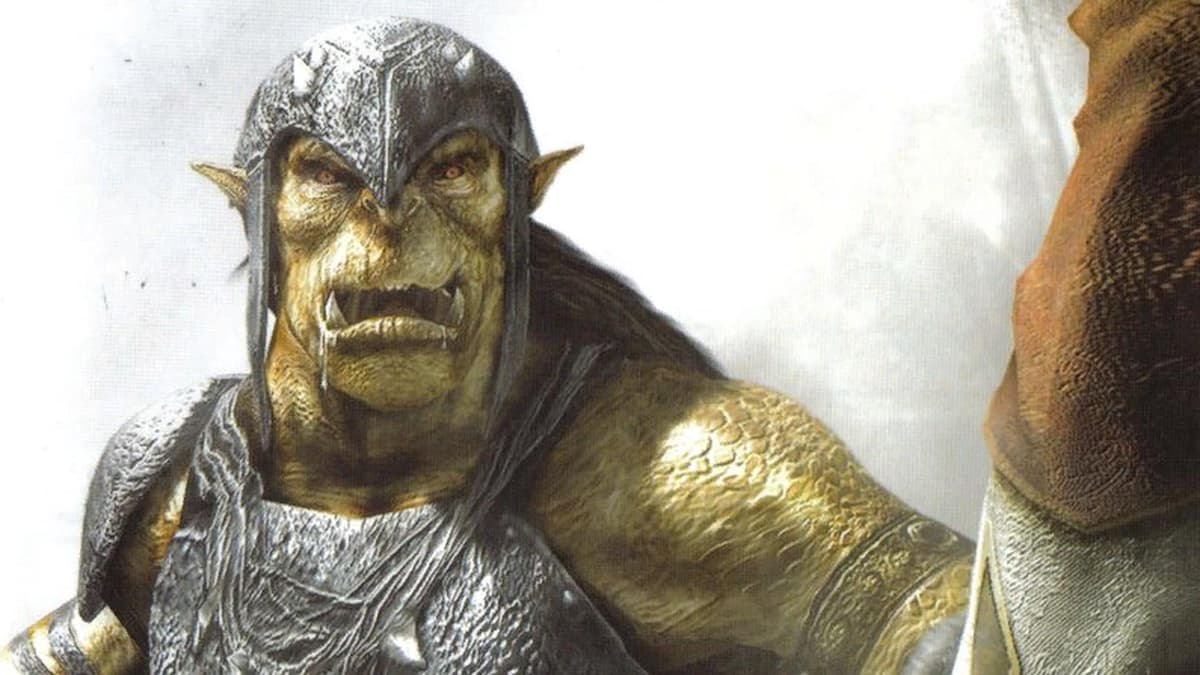
Dark Messiah is the only game on this list that has ever made me laugh out loud just by kicking someone near a railing. Discounted to about $2.49 in the sale, it’s a first-person action RPG that plays like a slapstick cousin to Dishonored: tight levels, multiple approaches, and physics systems that do not care about your dignity.
On paper, it’s a fairly straightforward fantasy plot about a chosen hero and a demon-y destiny. In practice, the joy is in how you solve problems. Build into melee and you’re drop-kicking orcs into spike walls and off rope bridges. Lean into stealth and magic and you’re using invisibility, oil slicks, and traps to create elaborate, lethal chain reactions. I once spent ten minutes engineering the perfect setup to send a whole patrol tumbling into a pit, and it worked so well I immediately reloaded just to do it again.
There’s some light character progression—skills, gear choices, different build focuses—but don’t come in expecting a deep stat sheet. Think of Dark Messiah as an immersive sim-lite with enough RPG trimmings to qualify for this list. At under $3, it’s the perfect palette cleanser between heavier narrative RPGs, and a great way to understand how Arkane’s design philosophy evolved from Arx Fatalis toward its modern hits.
13. Dread Delusion
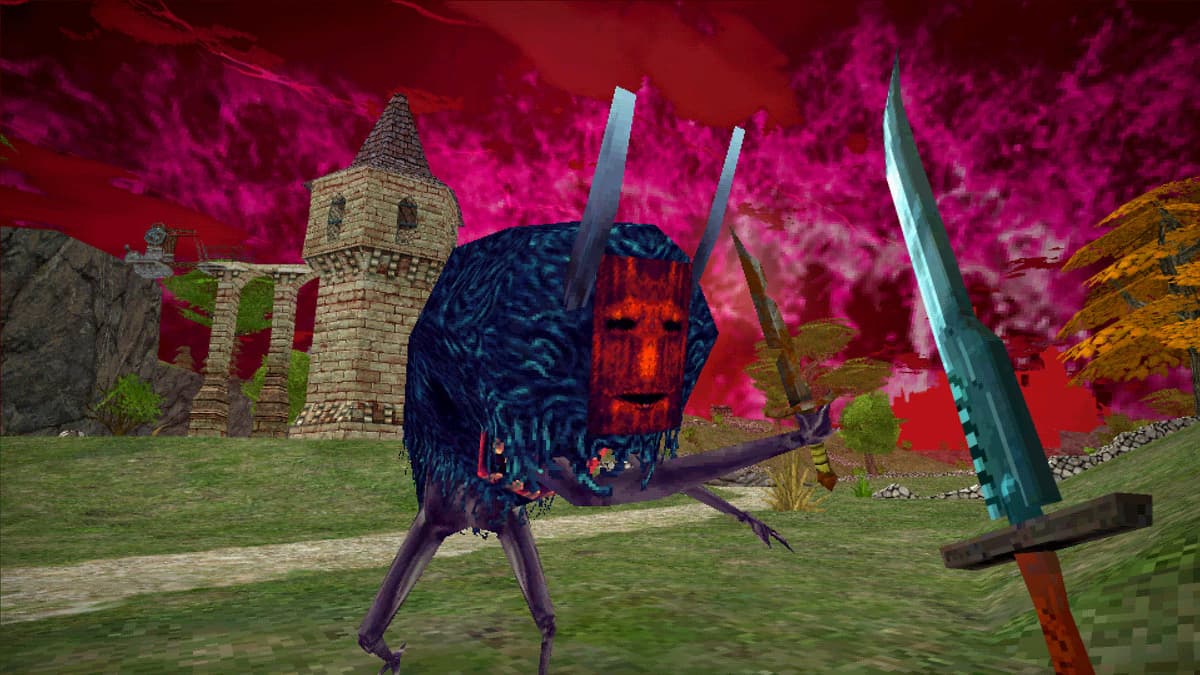
Dread Delusion is the newest game here and also one of the strangest. On sale for about $9.99, it’s a first-person RPG that deliberately looks like a lost PS1 classic: chunky low-poly models, lurid colors, and an off-kilter fantasy world hanging in pieces above a blood-red star.
If you bounced off modern open worlds for being too checklist-driven, this will feel like a breath of weird, slightly toxic air. The game gives you light stats, some straightforward melee and magic, and then mostly trusts you to wander. You’ll stumble into floating towns ruled by bizarre theocracies, cults obsessed with mechanical gods, and quiet little tragedies tucked in the corners. One early questline about a seemingly simple missing person spiraled into a philosophical argument about identity that stuck with me long after I’d moved on.
The combat is fine—serviceable, occasionally clumsy—but the exploration and atmosphere are the real draw. It feels closer to Morrowind than to Skyrim: a world that doesn’t care if you miss things, that seems larger and stranger than your quest log can capture. At under $10, it’s an easy recommendation if you want something that feels properly alien, not just another slightly different medieval kingdom.
FinalBoss // Gear
Level up your setup
01Graphics cardson Amazon→02Gaming laptopson Amazon→03High-refresh gaming monitorson Amazon→04Discounted game keyson Kinguin→Affiliate links · As an Amazon Associate, FinalBoss earns from qualifying purchases.
Want to Level Up Your Gaming?
Get access to exclusive strategies, hidden tips, and pro-level insights that we don't share publicly.
Ultimate Top Strategy Guide + Weekly Pro Tips