
Table of Contents (13)
Why this list exists in 2026
One of my clearest Switch memories is watching the battery warning flash during a hotel-room boss fight and realizing I still had three quests, two party builds, and one terrible “just five more minutes” decision left in me. That is the machine’s real magic for RPG fans. It turns giant adventures into something you can carry through commutes, flights, sofa sessions, and insomniac midnight grinds.
So this ranking is built for people trying to sort the genuinely best Switch RPGs from a storefront full of borderline cases and backlog traps. I leaned toward games that either define a subgenre on Nintendo’s system, still dominate serious 2026 recommendation lists, or feel unusually good in handheld play. I also made peace with one messy truth: “RPG” on Switch means JRPGs, tactics games, CRPGs, and hybrids all fighting for shelf space. That’s why some great action-heavy games miss out here. These 12 are the ones that most clearly earn their hours.
1. Xenoblade Chronicles 3
If I had to pick the one game that best explains why the Switch became an RPG monster, it would be Xenoblade Chronicles 3. This is the big, generous, slightly overwhelming modern JRPG that somehow keeps rewarding you long after most games would have run out of ideas. Its strongest trick is that it combines huge-world spectacle with a cast that actually carries emotional weight. The class system keeps your party in motion, constantly nudging you to swap roles, chase skills, and rethink who should be doing what instead of sleepwalking through a hundred-hour campaign.
What earns it the top spot is balance. Some sprawling RPGs are all lore and no momentum; others are combat toys with forgettable people attached. Xenoblade 3 gets closer than almost anything on Switch to having both. The world design gives exploration real payoff, the chain attacks are absurdly satisfying once you understand them, and the story hits harder because the systems reinforce its themes of identity and purpose rather than distracting from them.
It is not the cleanest recommendation for everyone. The UI can feel busy, the battles look chaotic before they click, and if you bounce off semi-MMO-style combat, this will not convert you. But for players who want one massive, modern JRPG that feels built to be obsessed over, this is the standard. On Switch, very few games feel this complete.
2. Persona 5 Royal
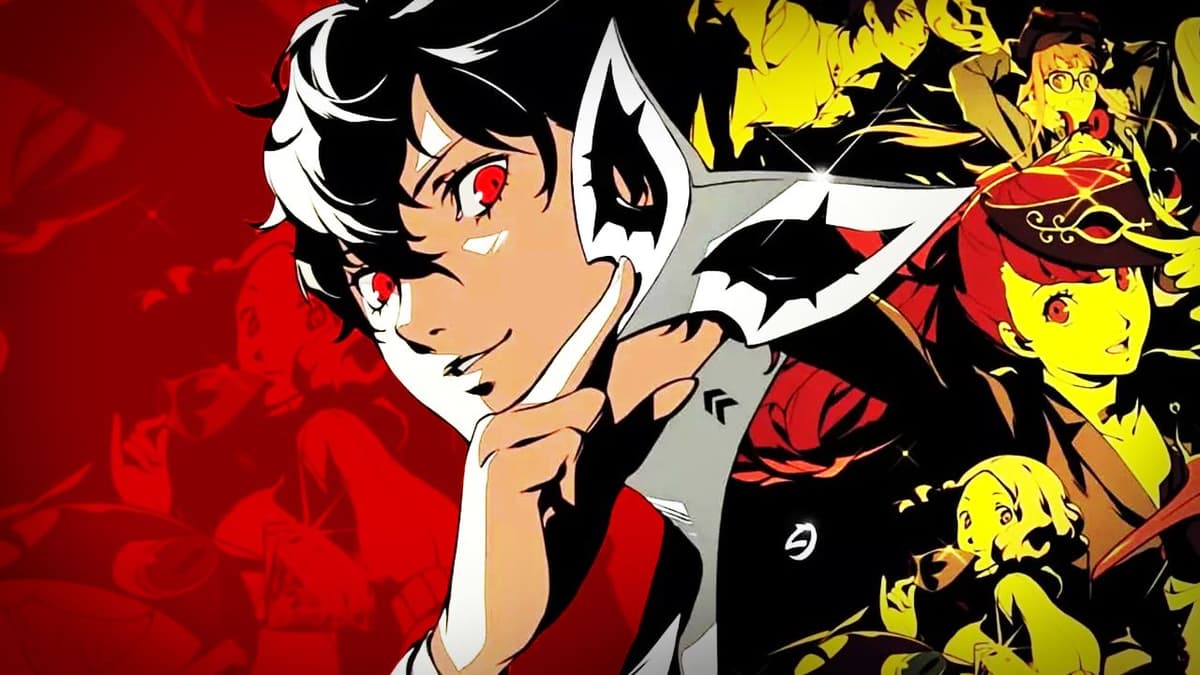
Persona 5 Royal lands this high because almost no RPG manages its rhythm better. Dungeon crawling is sharp and stylish, turn-based combat has enough elemental pressure to stay tense, and then the game yanks you back into a social schedule where every afternoon feels like a meaningful little gamble. Study? Hang out? Raise a stat? Push a confidant forward? That push and pull is the whole hook, and it remains ridiculously effective on Switch because the format loves short sessions.
The version matters too. Royal is the one you want: fuller, cleaner, and more generous than the original release, with quality-of-life improvements that smooth out a game already famous for presentation. This is still one of the easiest RPGs to recommend to someone who thinks they do not like turn-based combat, because every menu, transition, and attack feels like it has a pulse. Style is not decoration here; it is part of why the game remains so easy to live in for dozens of hours.
The caveat is obvious and important. It is long, very talkative, and occasionally so confident in its own vibe that it forgets to move. If you want fast plotting and minimal downtime, there will be stretches that test your patience. But if you want an RPG with a daily-life loop nobody else really matches, Persona 5 Royal still feels like one of the safest elite-tier picks on the platform.
3. Fire Emblem: Three Houses
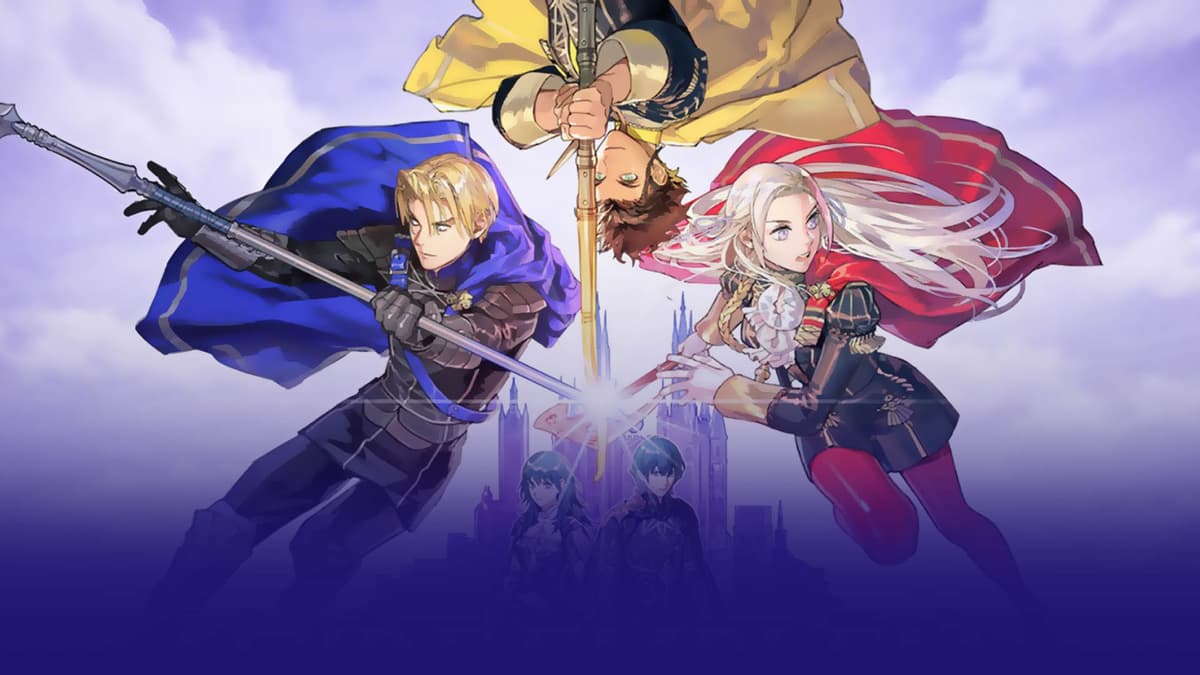
Fire Emblem: Three Houses is still the tactical RPG to beat on Switch because it makes the space between battles matter. Plenty of strategy games give you maps and spreadsheets. This one gives you students to train, loyalties to shape, and long-term consequences that make even basic unit investment feel personal. The monastery structure is divisive, but it is also the reason the game’s major fights land with so much more force than a standard mission-select campaign.
Its best quality is replay value with purpose. The route structure is not just a content multiplier; it reframes the story, changes your relationships, and turns “what if I picked the other house?” into a genuinely meaningful question. In combat, it sits in a sweet spot between approachable and deep. Positioning, class choices, battalions, weapon durability, and gambits all matter, but it rarely feels like it is punishing curiosity. That is a big reason it keeps showing up near the top of serious Switch RPG rankings even years later.
It does have weaknesses. The visuals can look plain, some maps repeat more than they should, and the school routine can start to drag on repeat runs. Even so, no other Switch tactics RPG combines character attachment, strategic flexibility, and sheer discussion-fuel quite like this. If you want a game that can eat one playthrough or three, this is the one that still justifies the time.
4. Dragon Quest XI S: Echoes of an Elusive Age – Definitive Edition
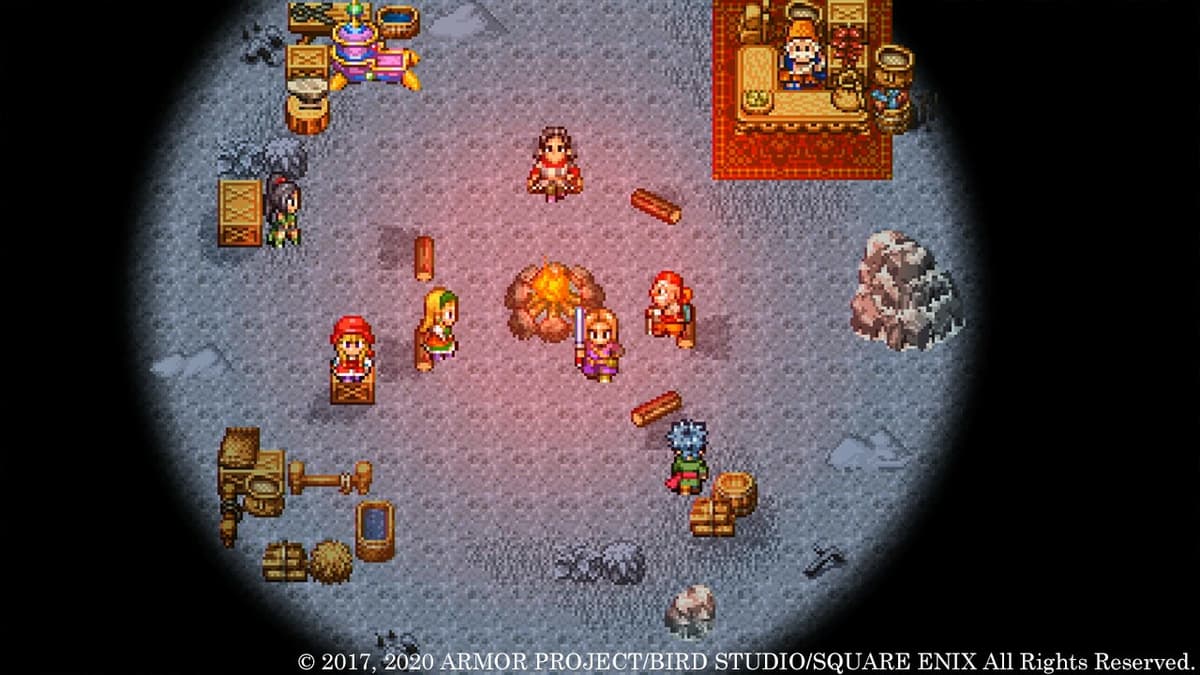
There are flashier RPGs on Switch, stranger ones too, but Dragon Quest XI S is the recommendation I trust most when someone says, “I just want one great RPG that won’t waste my time.” It is traditional in the best possible way. Towns are cozy, combat is readable, the party is instantly likable, and the pacing understands that comfort does not have to mean boredom. The Definitive Edition is also the right kind of generous, packing in extra story material and quality-of-life improvements without bloating the core appeal.
What puts it so high is how completely it fits the Switch. This is a huge, polished, fully formed adventure that feels natural in handheld bursts. You can clear a dungeon, advance a little plot, or grind for a crafting ingredient in one sitting without losing the thread. It also helps that the game knows exactly what it wants to be. It never chases trendiness. Instead, it refines classic JRPG structure until nearly every system feels welcoming, from pep powers to forging gear.
If you need experimentation, subversion, or brutal difficulty, it may feel too safe. That is the tradeoff. But as a complete package, it is still one of the best values in the entire category. When people talk about RPGs that simply feel right on Switch, this is usually near the front of the conversation for a reason.
5. Divinity: Original Sin II – Definitive Edition
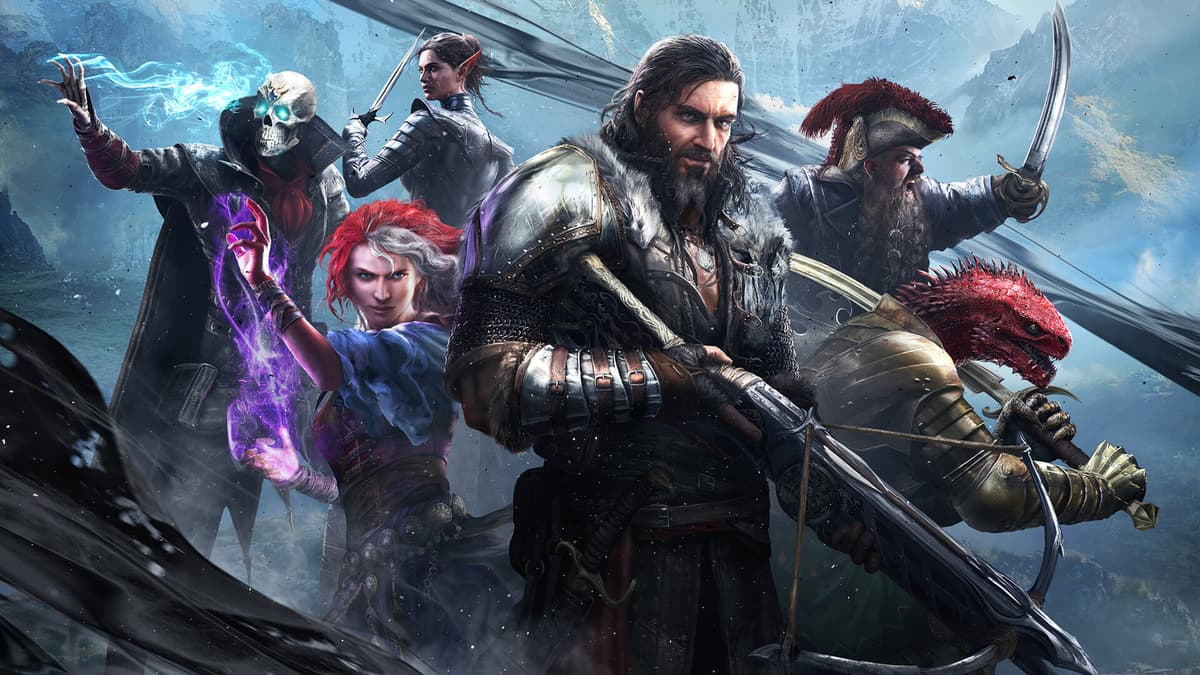
This is where the list deliberately gets broader than “great JRPGs.” Divinity: Original Sin II earns its spot because it is still the clearest answer to the question, “What if I want a real CRPG on Switch, not a compromise?” The achievement is not just that it exists on the system. It is that the core appeal survives intact: dense quest design, absurd build freedom, reactive problem-solving, and combat where surfaces, status effects, elevation, and improvisation matter every single turn.
Its defining strength is player expression. You are rarely pushed down one neat solution path. You can talk your way through trouble, teleport enemies into awful positions, set the battlefield on fire, or accidentally create chaos because your plan was half genius and half nonsense. That is exactly why people still point to it as the Switch’s signature western RPG. It gives the platform something few other entries in the library do: a genuinely portable, systems-driven role-playing sandbox.
It is also the least plug-and-play recommendation in this upper tier. Menus can feel fiddly on a handheld, the learning curve is real, and the game absolutely expects you to read, think, and sometimes fail messily. But if your taste runs toward tactical freedom and story choices with teeth, this is not just one of the best Switch RPGs. It is the one purchase that defines an entire subgenre on the system.
6. Octopath Traveler II
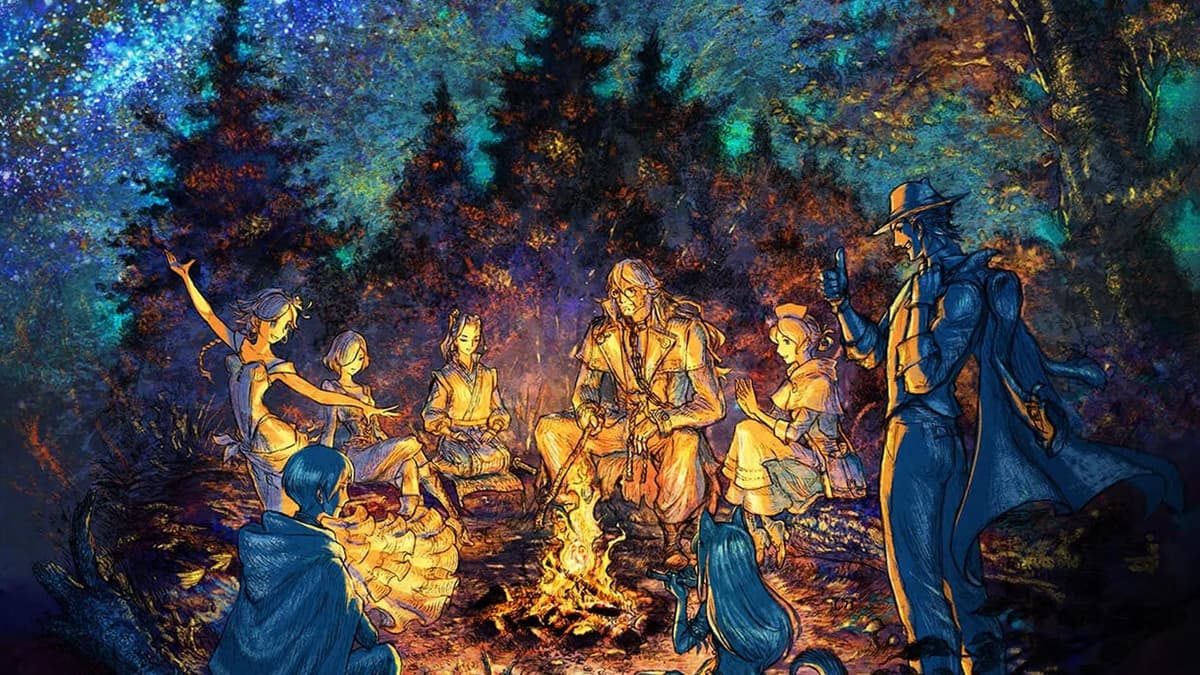
Octopath Traveler II sits here because it improves on the first game in the ways that matter most. The original had gorgeous HD-2D art and a superb battle system, but a lot of players never fully bought into how separated the party stories felt. The sequel does a much better job of making the journey feel shared without losing the anthology structure that makes the series distinctive. That matters more than any visual upgrade, though the game is still absurdly pretty in motion.
The combat is the real anchor. Breaking enemy shields and cashing in boosted actions remains one of the cleanest turn-based systems on Switch: easy to read, full of momentum swings, and flexible enough to reward party tinkering. Add in better character writing, more dynamic path actions, and a world that feels less like a set of disconnected demo reels, and you get a sequel that is easier to recommend to almost everyone except the most stubborn first-game skeptics.
It is still not a conventional “everyone in the same cutscene all the time” JRPG. Some players will always want tighter party integration and a more singular narrative spine. Fair enough. But if you like the idea of eight strong role-playing flavors woven into one polished package, Octopath Traveler II is one of the smartest late-generation reminders that classic turn-based design did not need saving. It just needed refinement.
7. Shin Megami Tensei V
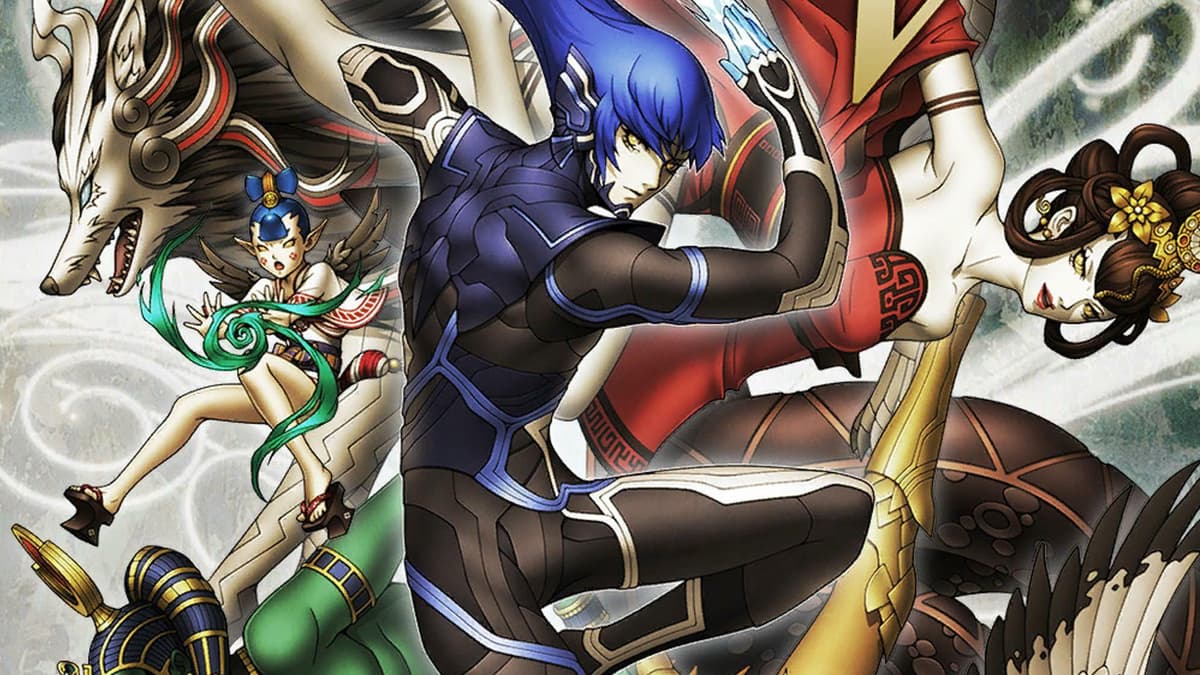
Shin Megami Tensei V is the highest-ranked game here that I would never call universally friendly, and that is part of why it deserves respect. This is a combat-first, mood-heavy RPG that trusts demon fusion, elemental exploitation, and hostile exploration to do the heavy lifting. When the Press Turn system is humming, few turn-based games on Switch feel this sharp. Every weakness hit matters. Every mistake feels earned. Every new demon recruitment can completely change your options.
What really earns it a place in the top tier is how pure its identity is. It does not try to soften itself into a general-audience comfort RPG. The ruined expanses of Da’at are strange, lonely, and sometimes brutal. Progress often comes from understanding systems better, not from being handed a dramatic victory scene every half hour. That makes it an especially important counterweight in any serious Switch RPG ranking. Not every great role-playing game on the platform needs to be warm, cinematic, or character-driven in the same way.
The drawbacks are real. The story is thinner than many fans wanted, and the original Switch performance could get rough enough to notice. But the underlying design is strong enough that it keeps surviving those caveats. If you want a demanding JRPG where party building feels like engineering and not housekeeping, Shin Megami Tensei V still absolutely belongs in the conversation.
8. Star Ocean: The Second Story R
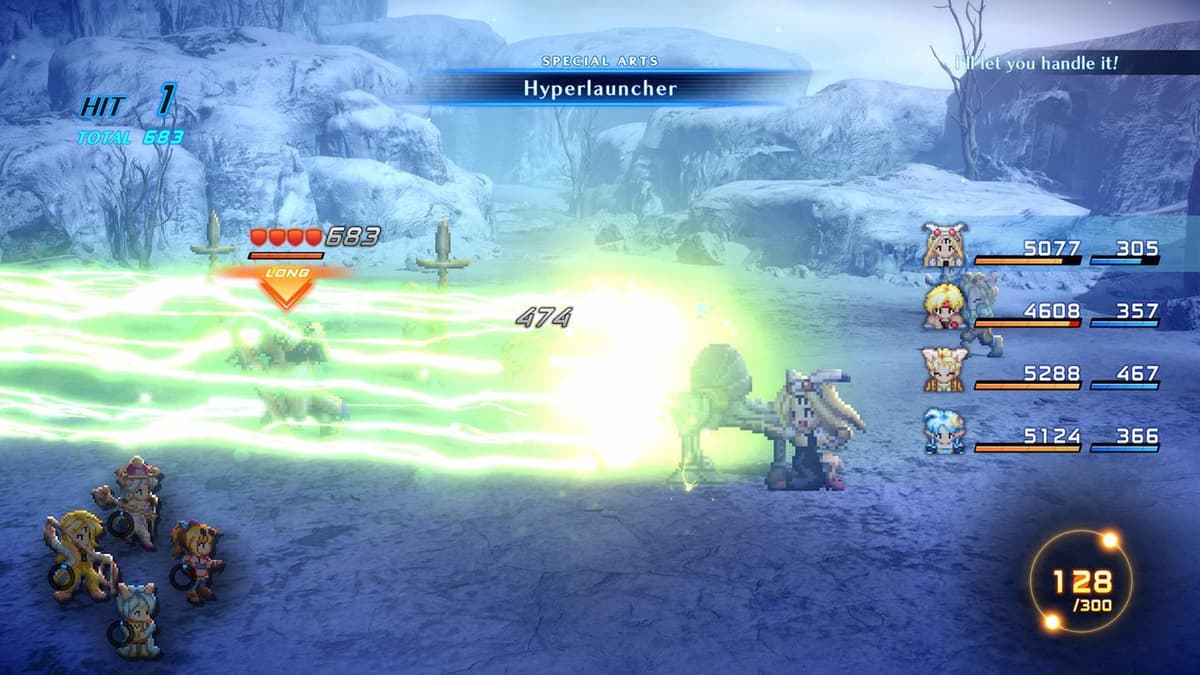
Star Ocean: The Second Story R is one of the clearest examples of a remake doing exactly what it should. It preserves the personality of a beloved older RPG while sanding off just enough friction to make a modern recommendation feel easy instead of sentimental. The result is fast, bright, and strangely hard to put down. Between the dual-protagonist setup, the recruitable party variety, and the private action system, it keeps giving you reasons to imagine a second run before the first one is even done.
Its biggest selling point is tempo. A lot of classic RPG revivals on Switch are important more than they are immediately fun. This one is fun first. Battles move, skills stack in satisfying ways, and the presentation nails that blend of 2D character work and refreshed environments without feeling sterile. It also threads a nice line between nostalgia bait and real design value. The choices you make about who joins you and how relationships develop still give the adventure texture beyond the combat loop.
Old-school DNA still shows through. The story can feel lighter than newer genre giants, and some players will find the combat busy rather than elegant. But as a late-cycle Switch RPG addition, it absolutely earned its way into top-tier discussions. If you want proof that remasters and remakes are not just filling space on this platform, this is one of the best cases.
9. Dragon Quest III HD-2D Remake
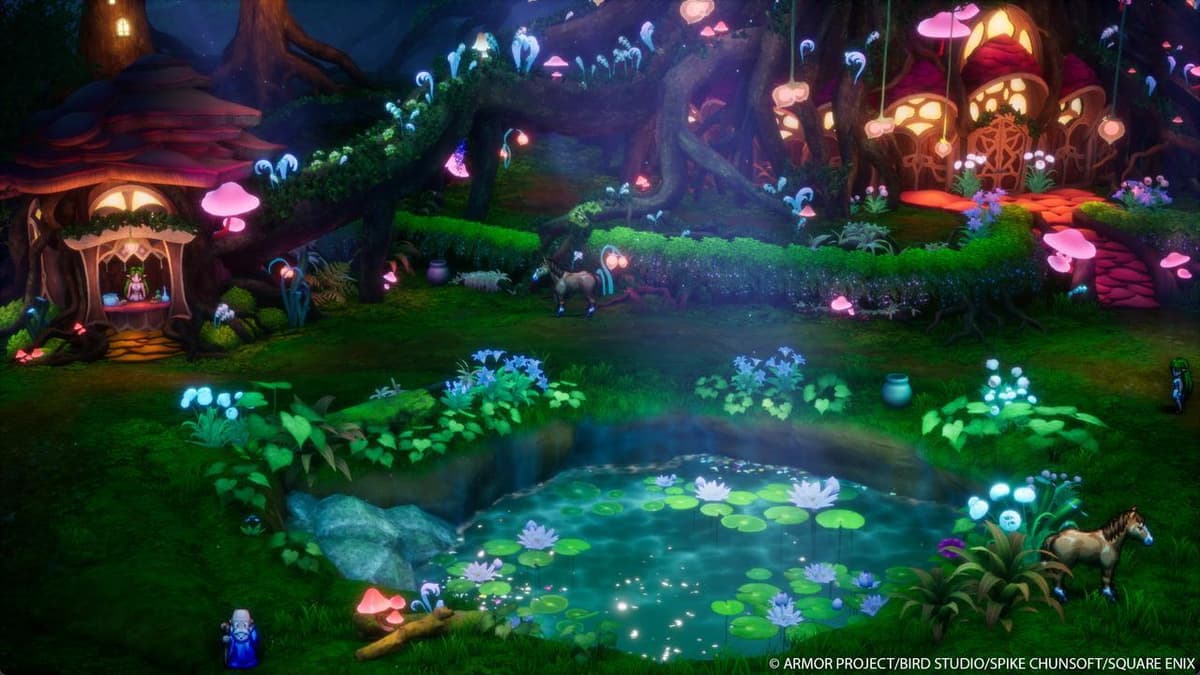
Some late-generation releases arrive with a lot of reverence attached and then feel more admirable than playable. Dragon Quest III HD-2D Remake avoids that trap. What keeps it in this ranking is that it still captures the clean, forward-pulling structure that made the original such a foundational RPG while presenting it in a way that modern Switch players can actually settle into. The class-building decisions remain simple but meaningful, and the sense of setting out into a dangerous world with a custom party still has real pull.
This is also one of the better reminders that “best” does not always mean “biggest.” Not every entry on a Switch RPG list has to be a hundred-hour lifestyle commitment. Dragon Quest III works because its questing logic is elegant, readable, and easy to return to after a day away from the console. That matters on a handheld-friendly platform. The HD-2D presentation helps, of course, but the stronger case for it is mechanical longevity. Old ideas still hit when they are this well structured.
Players raised on heavily character-driven modern RPGs should go in with the right expectations. The story is leaner, the personalities are lighter, and part of the appeal is historical DNA. But as one of the standout additions in the 2025-2026 wave, it proves the Switch’s RPG shelf was still getting reshaped late in the generation, not merely padded out.
10. Mario & Luigi: Brothership
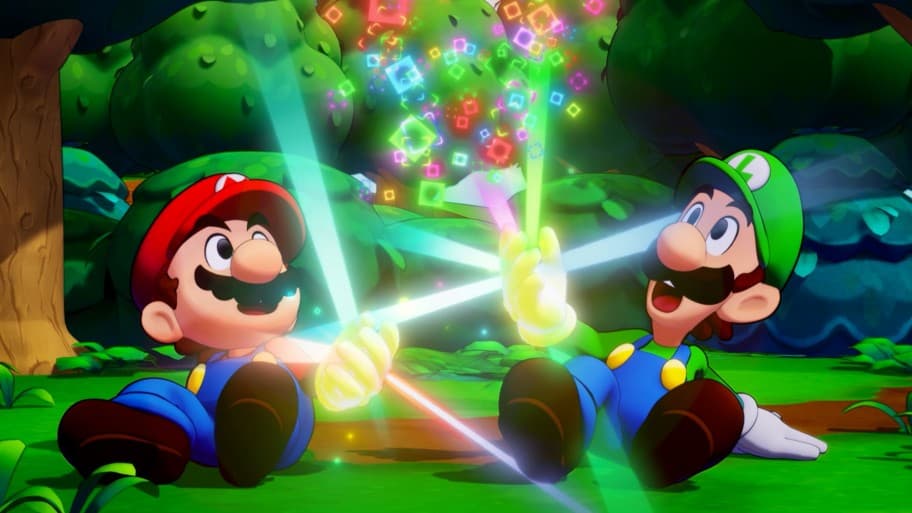
Mario & Luigi: Brothership gets a spot because not every player hunting for the best Switch RPGs wants existential monologues, demon fusion charts, or eighty-hour war arcs. Sometimes you want a game with timing-based battles, readable systems, and enough personality to keep the journey buoyant without turning mushy. This one arrived late enough that it could have felt like a nostalgia pull, but it kept showing up in newer recommendation roundups because it actually delivers a fresh reason to care about the series again.
The big strength is readability with skill expression. Bros. attacks, counters, and turn-based input timing keep combat active without making it exhausting. That makes it a great bridge RPG: approachable for players who want something lighter, but not so simple that veterans feel insulted. It also helps that the tone stays breezy. On a platform stuffed with enormous epics, a charming, mechanically lively adventure can be more useful than one more “serious” classic.
The caveat is that its style will not work for everyone. If you are allergic to goofier writing or want deep party customization above all else, you can aim higher on this list. But for players who value momentum, accessibility, and Nintendo-flavored role-playing that still respects mechanics, Brothership earns its place as one of the more interesting late-wave additions.
11. Sea of Stars
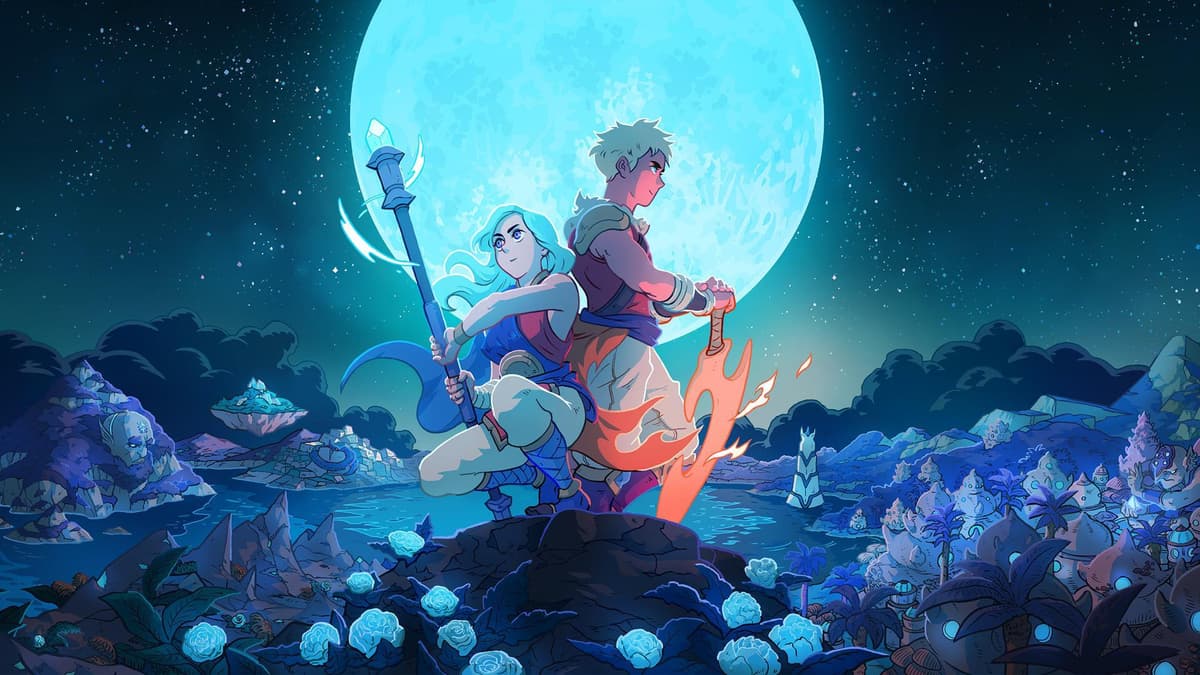
Sea of Stars could have coasted on retro affection and nice lighting. The reason it makes this list instead is that it understands the danger of being “inspired by classics” without becoming a museum exhibit for them. The timed hits and blocks keep turn-based battles interactive, traversal has more snap than many old-school throwback RPGs, and the game moves with a confidence that prevents nostalgia from becoming dead air. On Switch, that combination is especially valuable because the platform is crowded with games aiming for the same memory lane.
Its biggest advantage is approachability. This is the kind of indie RPG you can recommend to someone who wants the warmth of 16-bit-era structure without the rough edges that often come with actual 16-bit reissues. The art direction is sharp, the dungeons are readable, and the adventure generally respects your time. That is a huge part of why indie RPGs keep punching above their weight in Switch conversations: when they nail tone and portability together, they can sit beside giant publishers without embarrassment.
Not every part hits equally hard. Some players want stronger characterization or a bolder narrative voice than the game ultimately delivers. That is fair. Even so, as a polished indie counterpoint to the platform’s massive blockbusters, Sea of Stars earns a slot by being easy to revisit, easy to recommend, and much smarter than a simple tribute act.
12. Mario + Rabbids Sparks of Hope
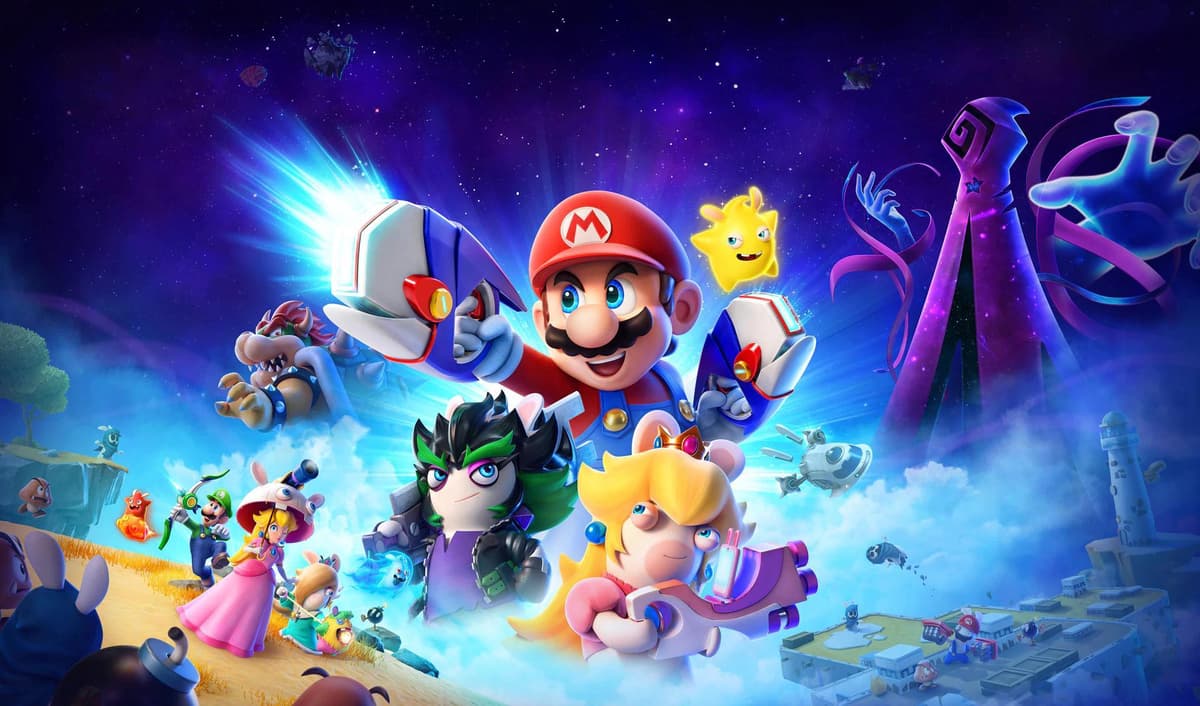
This is the most genre-borderline pick in the ranking, but it stays because its value on Switch is too obvious to ignore. Mario + Rabbids Sparks of Hope is the strategy-RPG hybrid I recommend to people who want tactical thinking without the heavier commitment of a full military campaign sim. The smartest change from the first game is movement freedom. By loosening the rigid grid feel, it makes positioning, dashes, team jumps, and ability combos feel playful instead of classroom strict.
That freedom gives the game its identity. Rather than imitating XCOM in a Mario coat, it becomes a more elastic, experimentation-friendly tactics RPG where the joy comes from finding rude little synergies and blowing up an encounter faster than expected. It also fills a real role in the Switch lineup. Fire Emblem: Three Houses owns the character-driven tactics lane; Mario + Rabbids owns the bright, accessible, mechanically inventive lane. That matters when you are recommending by player taste instead of pretending one tactical game covers the whole subgenre.
If you hate Rabbids humor or want harsher difficulty and denser long-form storytelling, this will not replace your heavier favorites. But as a hybrid that respects strategy while staying breezy and handheld-friendly, it absolutely deserves its seat at the table. A best-of list this broad would feel incomplete without one pick that proves tactics can be nimble, weird, and immediately fun.
FinalBoss // Gear
Level up your setup
01Best-selling Switch 2 gameson Amazon→02Switch 2 accessorieson Amazon→038BitDo controllerson Amazon→04Discounted game keyson Kinguin→
Affiliate links · As an Amazon Associate, FinalBoss earns from qualifying purchases.
Want to Level Up Your Gaming?
Get access to exclusive strategies, hidden tips, and pro-level insights that we don't share publicly.
Ultimate Top Strategy Guide + Weekly Pro Tips