
The Big Hollow: 1982 is small by design – and that might be its point
The Big Hollow: 1982 isn’t trying to be a sprawling detective epic. It’s a focused, 2-3 hour FBI case that asks you to think like a profiler: read behaviors, interpret fragments, and make the psychological leap from evidence to motive. A free demo landed on Steam and GOG this week ahead of a PC release sometime in 2026 – and what it shows is a design philosophy that prefers concentrated deduction to padded runtime.
- Short, focused case: The full experience is intentionally a 2-3 hour self-contained investigation, not an open-ended detective sandbox.
- Profiling-forward gameplay: Crime scene analysis and behavioral interpretation are the mechanical core, not fetch quests or sprawling exploration.
- Demo-first approach: Krams Design and publisher DANGEN pushed a playable demo on Steam and GOG to sell the idea rather than a long feature list.
- Unknowns remain: Price, release window, and how much the demo maps to final branching and replayability are still unanswered.
Table of Contents (4)
Why this lean structure actually matters
There’s a pattern in indie narrative games where scope creeps become the main story: longer, bigger, more characters. The Big Hollow: 1982 deliberately sidesteps that. A single, tight case gives the developer license to concentrate on the thing most crime-heads care about – why someone did something — and to turn profiling into a playable system instead of a late-stage reveal. That’s a smart trade-off. Designers can tune the pacing, let clues build into a single investigative arc, and make every piece of evidence matter.
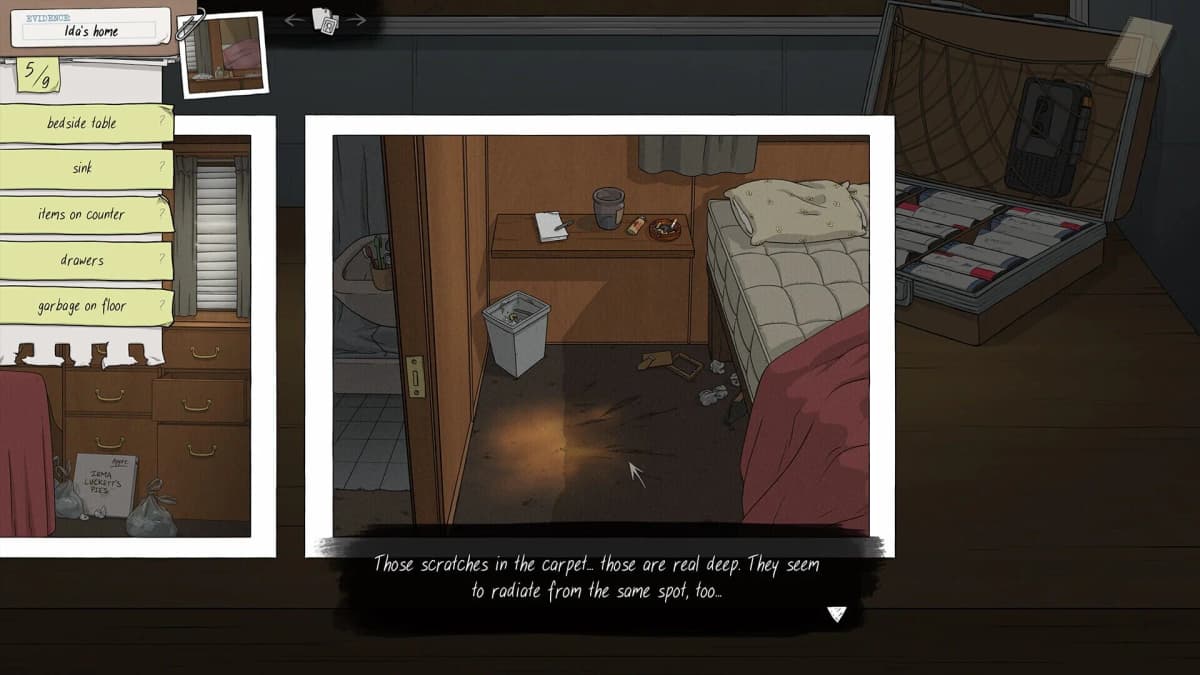
Krams Design — the solo outfit led by Dane Krams — has a background in cinematic storytelling and editing. That sensibility is a good match for a case-based thriller: curated moments, careful reveals, and a cinematic rhythm that rewards deduction. The aesthetic, a 2D animated take on a 1980s Southern truck-stop town, promises atmosphere without overstaying its welcome.
The uncomfortable observation: the demo sells an idea, not a full accounting
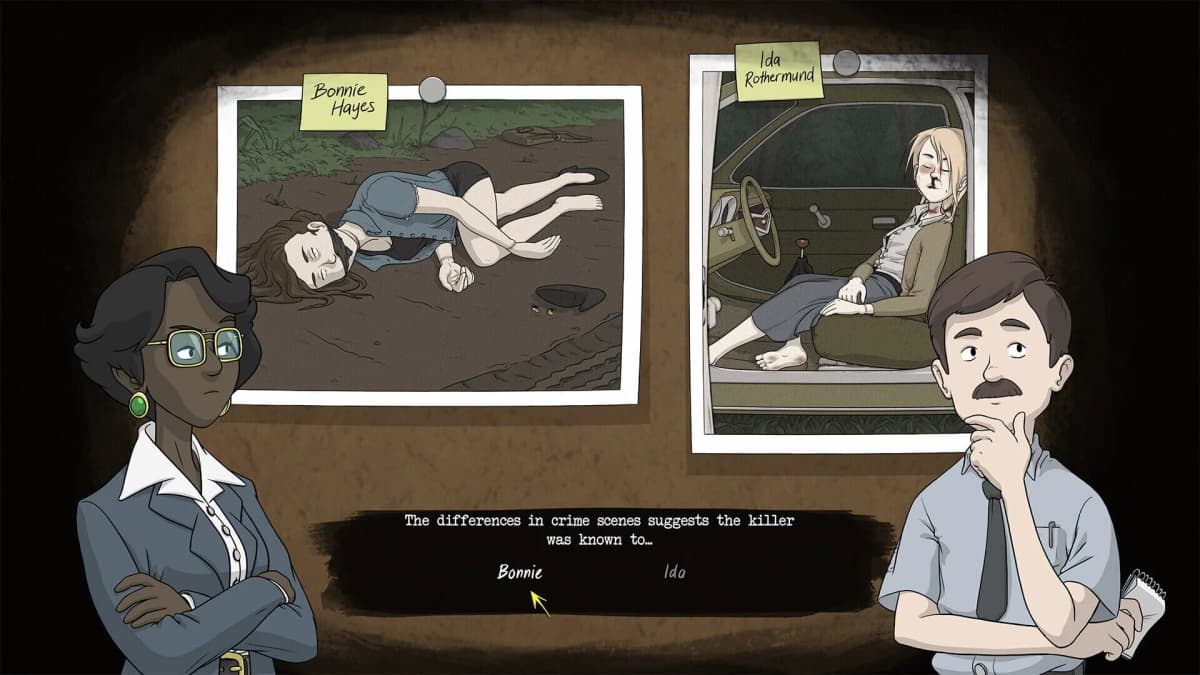
Here’s the bit the press blurb hopes you’ll skip past: a 2-3 hour runtime is also an easy place to hide shallow systems. The PR focuses on “FBI thought processes” and profiling-inspired techniques, but it’s not yet clear how deep those systems go. Is profiling a branching decision tree with meaningful outcomes? Or is it a set of interpretive prompts that validate a single intended solution? The demo is the answer key — but without publisher transparency on price or how much the demo actually represents the final product, players are being asked to trust the pitch.
Also notable: the game leans on the period setting — 1982, the early days of the Behavioral Science Unit — which is interesting because it imposes procedural limits that could make the investigative methods feel more authentic. It could also be an excuse for handwaving modern forensic conveniences out of the narrative. I’d ask PR: will profiling choices materially change the investigation’s outcome, and how many distinct endings or verdict states are you aiming for?
How the demo functions as a proof-of-concept
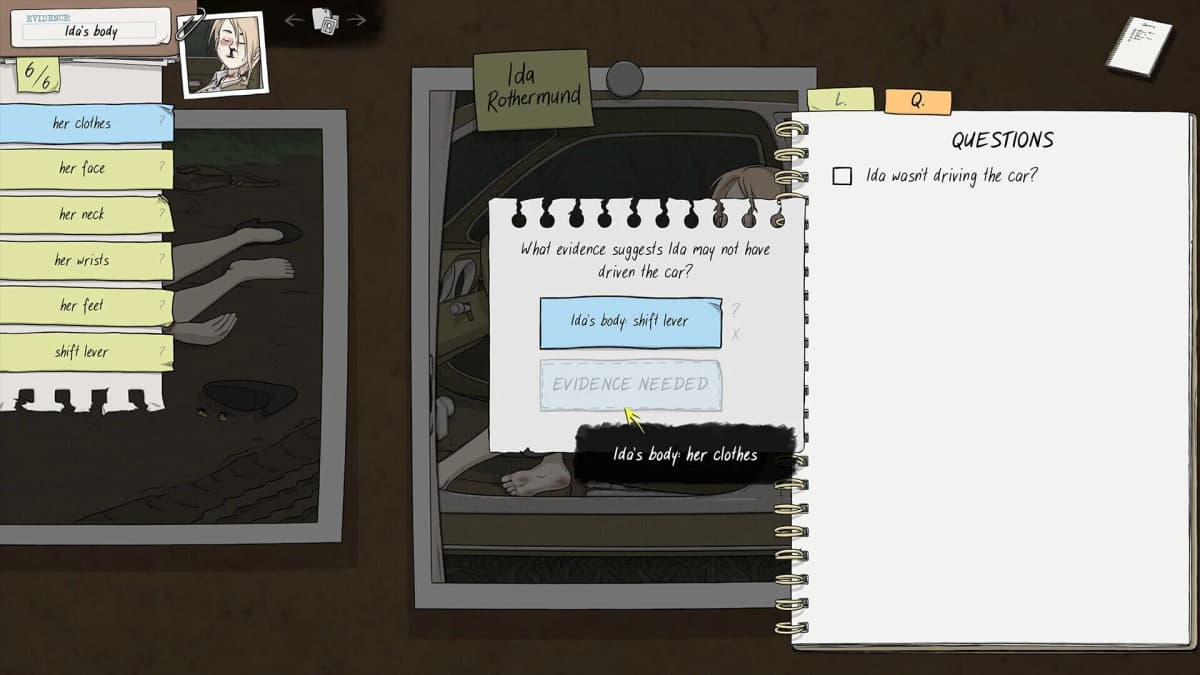
Releasing a demo before committing to a date is a good move here. The Big Hollow’s selling point isn’t nominal features — it’s whether you enjoy the act of deduction. A playable slice lets players test whether the game’s core loop — observe, interpret, present — is satisfying. If the demo’s evidence chain feels thin or the profiling feels performative, that’s useful feedback Krams can iterate on. If it feels weighty and consequential, the short runtime becomes a strength: you get a complete, tight thriller that respects your time.
What to watch next
- Play the demo now on Steam and GOG. The demo is the most direct indicator of final quality.
- Watch for announcements from DANGEN about price and a more specific 2026 release window — a short game needs appropriate pricing to land.
- Look for clarity on branching: will different profiling reads lead to alternate conclusions, or simply to varied dialogue and a single canonical ending?
- Check whether Krams expands the single-case model into a series (if the mechanics are strong, episodic cases could be the obvious follow-up).
Krams Design has pedigree in narrative craft. DANGEN has the indie distribution chops to get this on players’ radars. The risk is that the game’s best promise — concentrated, psychological investigation — turns out to be more evocative than systemic. If the demo shows a profiling toolkit that rewards different interpretive strategies with real consequences, The Big Hollow: 1982 could be a tidy exemplar of small-scale, high-impact design.
TL;DR: The Big Hollow: 1982 is a focused 2–3 hour FBI profiling mystery with a playable demo on Steam and GOG. Its tight scope is an intentional design choice that could either make profiling feel meaningful or expose thin systems — the demo is your quickest test. Watch for pricing and branching details to decide whether this short case is worth your time and money.
FinalBoss // Gear
Level up your setup
01Top-rated gaming headsetson Amazon→02High-refresh gaming monitorson Amazon→03Gaming chairson Amazon→04Discounted game keyson Kinguin→Affiliate links · As an Amazon Associate, FinalBoss earns from qualifying purchases.
Want to Level Up Your Gaming?
Get access to exclusive strategies, hidden tips, and pro-level insights that we don't share publicly.
Ultimate Gaming Strategy Guide + Weekly Pro Tips