
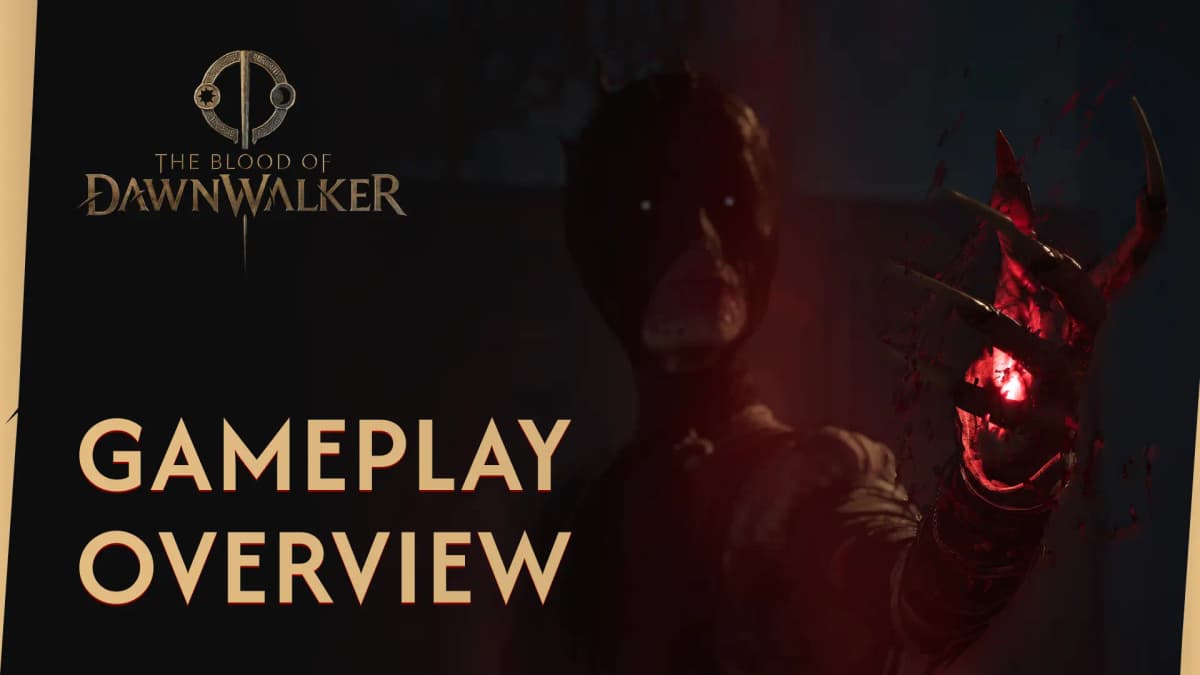
The Blood of Dawnwalker Could Redefine Vampire RPGs
Game intel
The Blood of Dawnwalker
The Blood of Dawnwalker is the first chapter of Rebel Wolves’ brand new role-playing saga — a single-player open-world dark fantasy action-RPG with a strong fo…
The Blood of Dawnwalker Could Redefine Vampire RPGs
It’s rare for a new RPG demo to make me pause my planned play queue, but the latest preview of The Blood of Dawnwalker did exactly that. For anyone who’s sunk countless hours into narrative-rich epics—or grown numb to formulaic open worlds—Rebel Wolves’ ambitious blend of systemic quest design and vampire-themed mechanics demands attention. With a team built from the ashes of CD Projekt Red’s narrative powerhouse, expectations are high. Here’s an in-depth look at what caught my eye, where the innovation might lie, and the challenges that could shape its final form.
1. Dismantling Main versus Side Quests
Dynamic Quest Web
Most open-world titles still rely on a rigid distinction between “main” and “side” content. The Blood of Dawnwalker aims to erase that line entirely. According to developer commentary, every mission—whether it’s chasing rumors of a lost artifact or eavesdropping on guild leaders—feeds directly into your unique narrative arc. This systemic approach echoes the best design lessons from past RPG heavyweights, but applies them across a world shaped by vampire lore.
Consequential Story Weaving
By treating all quests as part of a living narrative web, Rebel Wolves hopes to avoid the “fetch-and-forget” trap. NPC motivations, world events, and your choices are meant to ripple outward. Free a town from undead infestation today, and tomorrow its survivors might rise up in support—or blame you for attracting darker forces. The key test will be whether these outcomes feel handcrafted or merely algorithmic.
2. Day/Night Duality: Human and Vampire
Two Lives, One Character
At the core of the game’s identity is Coen, a Dawnwalker straddling two worlds. By daylight, he blends with mortal society—attending cathedral rituals, forging alliances, mastering human skills. At night, he embraces his vampiric powers: scaling walls, slipping through shadows, and tapping into supernatural senses. This duality isn’t just window dressing; it reshapes how zones are navigated, how factions react, and which quests even appear.
Emergent Play Opportunities
In our demo session, sneaking through a merchant quarter by day unlocked dialogue that prevented a nighttime bloodbath—provided you’d learned a merchant’s secret during those daylight hours. Conversely, failing to gather intel could turn a routine supply run into a violent encounter with a rival vampire clan. This interplay hints at genuine systemic design, where time of day becomes a tool as critical as your skill loadout.
3. The Hunger System: Feeding with Consequence
More Than an HP Mechanic
Vampires need to feed, but Rebel Wolves introduces a “hunger clock” that goes beyond health restoration. Starve too long, and you combat not only weakened stats but also the risk of unintended kills—turning crucial NPCs into permanent absences. Choosing your meals becomes a strategic decision: drain a street thug for a quick boost or cultivate trust with a key informant?
Ethical and Mechanical Tension
This hunger mechanic could generate real tension if balanced correctly. It promises to avoid mere inventory micromanagement by tying feeding directly to narrative stakes. Drawing inspiration from earlier vampire games—where morality meters or permanent permadeath could swing story branches—the system aims to make every feed feel loaded with potential consequences.
4. Freedom with Responsibility
Attack the Heart of Evil—Anytime
Perhaps the boldest feature shown in the demo is the ability to tackle the main rescue objective (saving Coen’s family) whenever you choose. There’s no locked door or invisible wall holding you back. Instead, the game prompts you to consider your readiness—level, allies, skills—before mounting a full-on assault. This “open gate” design echoes systems in celebrated titles but adds a vampire twist: nighttime assaults might grant powerful stealth advantages but also heighten hunger risks.
Balancing Player Agency
High player freedom is a double-edged sword. Without careful balance, players could “cheese” final encounters early or grind until any challenge falls flat. Rebel Wolves has acknowledged the monumental QA and narrative-design workload required to sustain this openness. Whether they can maintain meaningful stakes throughout the game will be a critical measure of success.
Want to Level Up Your Gaming?
Get access to exclusive strategies, hidden tips, and pro-level insights that we don't share publicly.
Ultimate Gaming Strategy Guide + Weekly Pro Tips
5. Technical and Narrative Challenges Ahead
QA in a Living World
Dynamic systems are inherently complex. Past attempts at emergent narratives have often stumbled under the weight of branching permutations. Rebel Wolves faces a major QA challenge: ensuring quests don’t break, that world states remain coherent, and that performance holds on mid-range hardware. The developers have signaled a goal to iterate well into 2025, suggesting they’re aware of the tuning ahead.
Maintaining Character Depth
Systemic design mustn’t come at the expense of character work. One of CD Projekt Red’s strengths has been crafting memorable NPCs whose arcs feel personal. Rebel Wolves needs to deliver similarly rich companions and antagonists, even while letting you approach them in multiple ways—befriend, betray, or bypass altogether. Achieving both breadth of choice and depth of character will be a delicate balancing act.
6. Implications for Future RPGs
Setting New Standards?
If The Blood of Dawnwalker delivers on its promise, it could push the genre toward fully integrated quest systems—where the old “open world plus scattered side quests” model feels archaic. Other developers might adopt similar hunger or dual-phase mechanics, leading to more games that shift gameplay, narrative tone, and world state based on player identity and actions.
Lessons for Systemic Design
Beyond vampire tropes, Dawnwalker’s demo highlights key lessons: treat every objective as story potential, allow time-linked mechanics to enrich interaction, and tie player choices to tangible world changes. Even if Rebel Wolves doesn’t get every detail perfect, the project may inspire a new wave of dynamic RPGs that prioritize systemic interconnectivity over arbitrary content bloat.
Conclusion: Skepticism Meets Hope
The Blood of Dawnwalker is not just another “spiritual successor” riding on ex-CDPR cred. Its fusion of systemic quests, day/night dual phases, and a tension-filled hunger clock shows genuine ambition. Yet ambition alone isn’t enough. The next year of development will prove whether Rebel Wolves can polish these sprawling systems into a cohesive whole or whether cracks in narrative continuity and technical rough edges will undermine the dream.
For RPG enthusiasts craving worlds that truly respond to every choice—where feeding habits, time of day, and quest order coalesce into a singular story—The Blood of Dawnwalker is a project to watch. If Rebel Wolves can stick the landing, they won’t merely launch another vampire RPG; they could redefine what we expect when we dive into an open-world adventure. Until then, keep your stakes sharpened—and your skepticism intact.