
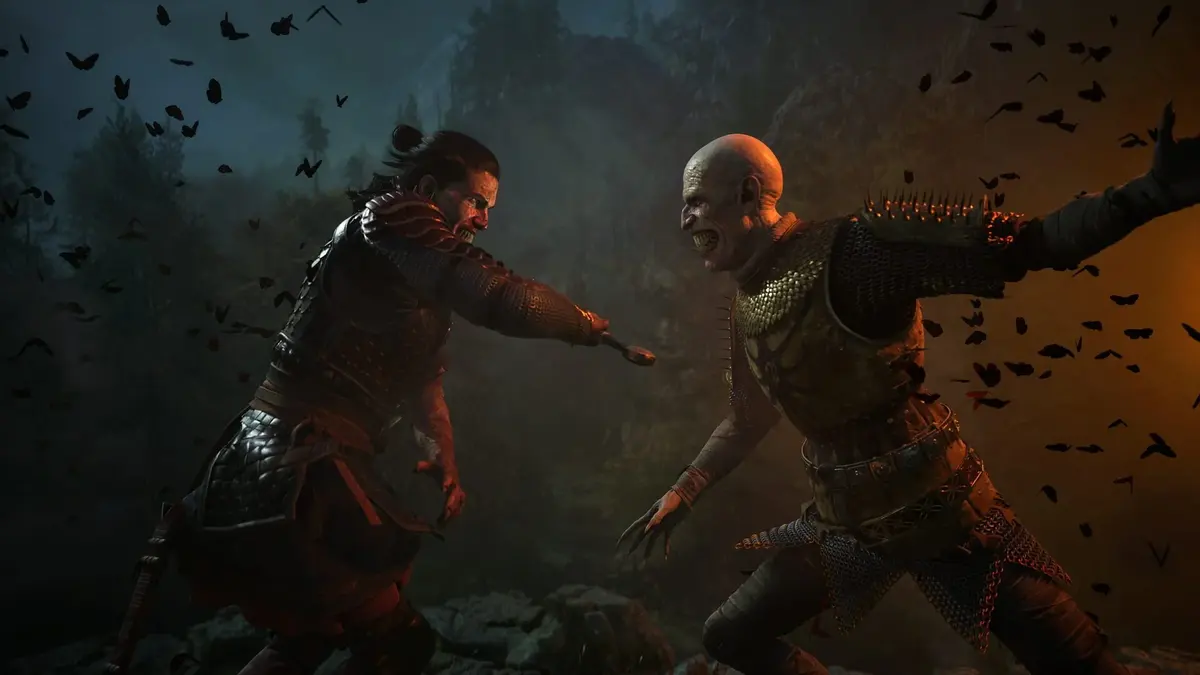
Rebel Wolves introduced The Blood Of Dawnwalker‘s deadline as 30 days and 30 nights to save Coen’s family before Brencis’s coronation. The important detail is that this is a 480-segment narrative budget, not a background clock draining while you explore Vale Sangora. Time moves when Coen commits to specific quests, investigations, conversations, waits, upgrades, and story events.
That distinction changes how you should play. You can roam the overworld, loot ordinary containers, travel between locations, inspect your inventory, and stand idle without spending a single segment. The danger comes from treating every marked objective, dialogue prompt, or investigation interaction as free progress. Some of them advance the calendar by one segment; others can consume several at once or force the switch from day to night.
Table of Contents (11)
The 30-Day/30-Night Deadline Has 480 Spendable Segments
After the prologue, Coen has 30 daytime periods and 30 nighttime periods to rescue his family from Brencis and the Vrakhiri. Each day contains eight Time Segments, and each night contains another eight. Across 30 complete day-and-night cycles, that gives you 480 segments before the family-rescue deadline expires.
The upper-right Time Bar shows the current phase as eight pips. Spend all eight daytime pips and the game transitions to night; spend all eight nighttime pips and it rolls into the next day. A time-costing story action can also push Coen across a phase boundary immediately, so a nearly empty bar deserves more attention than the number of days remaining on the broader calendar.
- 30 days + 30 nights: the full campaign deadline.
- 8 segments per day: daytime actions and daylight mission windows.
- 8 segments per night: nighttime powers, locations, and mission windows.
- 480 total segments: the practical amount of narrative time available before Brencis’s deadline is reached.
If the deadline passes, Coen fails the central objective and his family is killed. Missing smaller mission windows usually has a narrower consequence: a side quest can disappear, a character can become unavailable, an area can change state, or a story route can close. The game’s pressure comes from those accumulated decisions rather than from an invisible timer running during normal play.
What Actually Advances Time
The rule to remember is simple: time is spent on committed content, not on movement. The game identifies most time-costing choices before you lock them in. Look for the small hourglass icon beside an objective, interaction, dialogue option, or confirmation prompt. Grey segments on the Time Bar show what will be consumed, and the game uses an audible ticking cue around interactions that can advance time.
The exact cost differs by mission and individual branch, so do not assume that every objective costs one pip. A major story choice, first entry into a story location, or late-stage confrontation can consume several segments and may shift the game directly into the opposite phase.
| Action type | Examples | Effect on the Time Bar |
|---|---|---|
| Quest and story progression | Main-mission steps, marked side-quest actions, major confrontations, alliances, pledges | Usually consumes the amount shown by the hourglass prompt. |
| Investigations and scripted encounters | Marked crime scenes, ritual sites, interrogations, named ambushes, bosses, objective-linked combat | Can consume segments at the interaction, encounter start, or completion. |
| Waiting and world-management actions | Resting, waiting for day or night, repairing sanctuaries, learning or improving skills | Consumes displayed segments; waiting can use the remaining pips of a phase, up to eight. |
| Free exploration and routine actions | Walking, riding, swimming, looting ordinary containers, menus, merchants, ambient conversation | No time cost unless an hourglass-marked event is triggered. |
Mission steps are where segments disappear fastest
A single quest can contain several separate time costs. Travelling to a marked site may cost nothing, while examining a ritual object costs a segment, questioning a key NPC costs another, and starting the final confrontation consumes more. This is why following a quest marker in one uninterrupted run can burn through an entire day or night even though crossing the map itself was free.
Story-critical investigations are especially easy to misread. A normal lore note or incidental chest does not advance the clock. A highlighted clue that moves an investigation forward can. Treat every objective-colored hotspot as a decision point and check the prompt before confirming it.
Dialogue can be a time cost too
The most common UI trap is assuming only quests consume time. Dialogue choices that commit Coen to an alliance, confrontation, betrayal, pledge, or wait can display the same hourglass icon as a quest objective. Those choices spend the number of segments shown before confirmation.
Backing out before confirming preserves your time. Once the choice has been accepted, spent segments do not return unless you reload an earlier save. This matters most when the Time Bar is low and a forced transition would change which characters, shops, mission paths, or powers are available.
What Does Not Spend Time
The open world is deliberately safe for scouting. Coen can cross Vale Sangora repeatedly without losing time as long as he avoids time-marked mission triggers. There is no penalty for taking a long route, opening the map, sorting equipment, reading the codex, or leaving the game paused.
- Overworld travel: running, riding, jumping, swimming, and general movement do not consume Time Segments.
- Fast travel: travelling between activated sanctuaries does not consume time. You must begin the journey from a sanctuary.
- Ordinary loot: generic resources and non-critical containers are safe unless their interaction carries an hourglass.
- Commerce: buying and selling with merchants does not advance the clock.
- Ambient NPC dialogue: casual conversations without an hourglass or quest commitment are free.
- Random combat: fights with ambient wolves, boars, and similar encounters do not consume time.
- Healing with blood: drinking blood to restore Coen’s health does not spend a segment.
The combat distinction is important. Random enemies are free encounters, but combat tied directly to a quest objective is part of the mission’s time budget. A named Vrakhiri, a scripted ambush, or a boss attached to an active objective can advance time when the fight begins or when it ends. The enemy itself is not the deciding factor; the encounter’s role in the mission is.
The Two Clock Icons Mean Different Things
The hourglass is an immediate cost warning. It appears next to actions that will spend segments now. Read the displayed cost, check how many pips remain in the current phase, and decide whether the action belongs in your current route.
The blue clock in the journal is an availability warning. It marks quests with a limited completion window. These objectives can disappear if the calendar reaches the wrong day or night, even if you personally never accepted a time-costing step within that mission. A blue-clock quest deserves attention before spending several segments elsewhere.
Those indicators work together. The blue clock tells you a quest has a deadline; the hourglass tells you what it will cost to pursue it. A mission with both icons should be planned as a committed block of time rather than treated as filler between major story objectives.
Day and Night Are Different Loadouts, Not Cosmetic Lighting
Every phase change affects Coen’s tools and the kinds of missions that are practical. During the day, he fights as a human and has access to Witchcraft. At night, vampiric powers take over. The game automatically switches Coen to the equipment set assigned to the active form, so maintaining both loadouts is part of managing the calendar well.
| Planning factor | Daytime | Nighttime |
|---|---|---|
| Coen’s form | Human | Vampiric |
| Primary supernatural toolkit | Witchcraft and daytime rituals | Vampiric powers and transformations |
| Healing preparation | Human healing items, food, and potions function normally | Blood is the dependable recovery tool; daytime healing items do not work |
| Exploration access | Day-specific NPC and market availability can matter | Watchtowers can be climbed with vampiric movement powers, revealing nearby activities |
This is why waiting is expensive even when it is convenient. Choosing to wait until night or day can consume every remaining segment in the current phase. It may be worth paying that cost for a time-sensitive quest or a night-only route to a watchtower, but it is wasteful when several nearby objectives are already available during the current phase.
Combat readiness also changes with the clock. Night missions should begin with a plan for blood recovery, while daytime routes can rely on human healing supplies. Coen’s directional combat system rewards correctly placed and timed blocks: a perfect block avoids the usual stamina cost and opens a counterattack. Red-skull attacks cannot be blocked and require a dodge. Those fundamentals matter more in objective-linked encounters, where losing a fight can also cost progress within a time-budgeted mission chain.
How Skill Progression Competes With Mission Time
Skills make the time system more demanding because learning and improving abilities consumes Time Segments. Witchcraft abilities and many other upgrades require a manual before they can be unlocked; locked entries use a small book icon to show that Coen still needs the relevant text.
Vampiric progression follows a different route. Drinking blood raises corruption, and higher corruption opens more vampiric perks. Blood is so both a survival resource at night and a long-term route into Coen’s vampire kit. Do not confuse that progression with a free excuse to spend time on every upgrade. The learning and improvement actions themselves still compete with quests, sanctuary repairs, and waits for the same finite segment pool.
Sanctuaries create a similar tradeoff. Activating a sanctuary gives you a useful control point and fast-travel origin. Travelling between activated sanctuaries is free, but repairing a sanctuary consumes time. Repair one when its route value outweighs the segment cost, particularly if it lets you group several nearby zero-cost activities before moving into story content.
A Safer Way to Plan Each Region
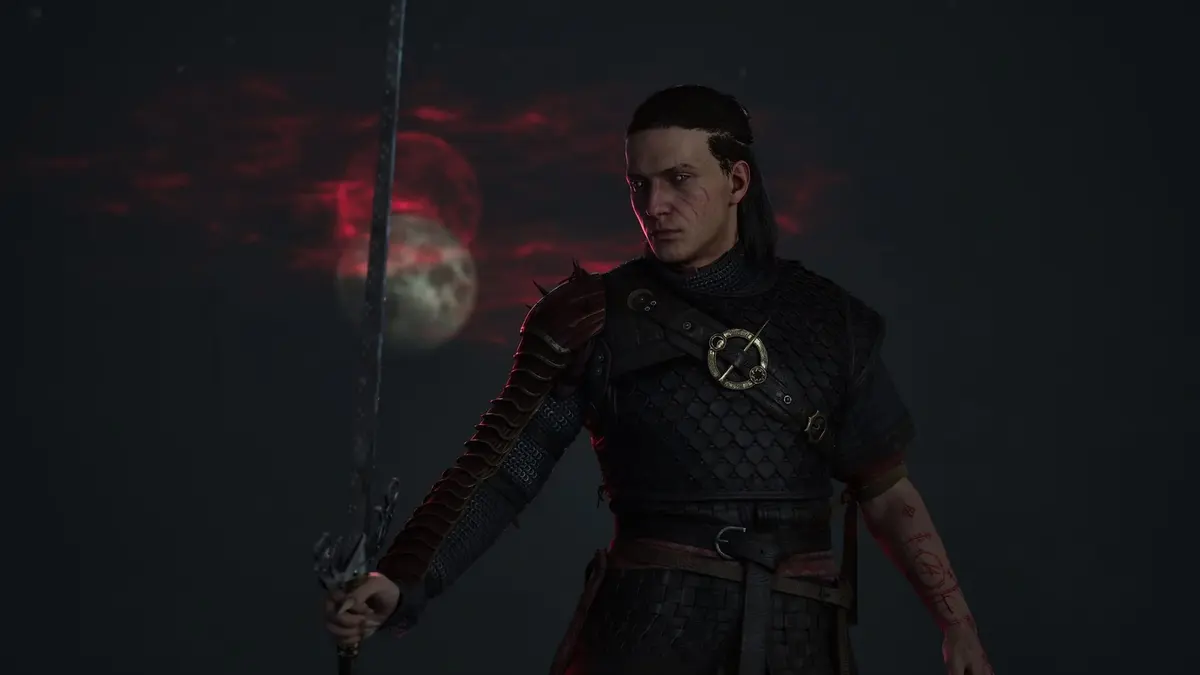
The best route pattern is to separate scouting from commitment. First clear the activities that do not show an hourglass: explore the area, activate useful sanctuaries, collect ordinary loot, speak to ambient NPCs, visit merchants, and identify day- or night-specific opportunities. Then decide which time-costing objective deserves the next segment.
- Check the journal first: handle blue-clock quests before their window closes.
- Group by phase: complete nearby day objectives together, then do the same for night objectives instead of repeatedly waiting between phases.
- Read every hourglass prompt: the displayed cost matters more than the objective’s apparent size.
- Scout before entering major story areas: first-time entry into a marked stronghold, chamber, cavern, or hub can spend multiple segments.
- Keep optional costs under control: skill upgrades, repairs, and waits are meaningful purchases from the same 480-segment budget.
- Save before high-cost commitments: especially when the action would empty the current bar or force a day/night transition.
Near the end of the calendar, shift from completionist routing to outcome protection. High-cost main missions and final branching objectives need room to resolve. Spending several late segments on an optional chain can be enough to miss a required condition, lose an important NPC, or reach the family deadline before Coen has completed the necessary route.
The Biggest Mistakes the Time System Punishes
Following every marker immediately: markers often lead into consecutive time-costing steps. Free-roam first, then commit when you understand the local quest windows and the current phase.
Ignoring the hourglass in dialogue: conversations can consume time as reliably as combat or investigations. Treat a marked dialogue line as a mission action.
Using wait as routine travel: waiting is a deliberate calendar skip. If the current phase still has viable activities, use those before spending the remaining pips to force a transition.
Assuming combat is always free: roaming enemies are safe to fight from a time perspective. Quest combat is part of the objective chain and can consume segments.
Overinvesting in upgrades early: stronger Witchcraft and vampiric abilities help, but each time-consuming improvement reduces room for narrative branches later. Buy upgrades around a clear mission need rather than every time a new option becomes available.
Using shrine waits casually: waiting interactions at shrines and similar special locations can spend a substantial number of segments to reach the target phase. Treat the confirmation prompt as the authority and avoid using these interactions without checking the full cost.
Why the System Changes Mission Outcomes
The 30-day/30-night structure makes mission selection part of the story rather than a checklist. A high-cost investigation can reveal major context or open an alliance, but it may also push Coen past another quest’s availability window. Preserving time by skipping that investigation has consequences of its own: towns can worsen, characters can die, and later branches can become inaccessible.
Velsen Gora’s infamy system reinforces that pressure. As Coen’s infamy rises, Brencis tightens his control and the world becomes more dangerous. Time therefore affects more than the final rescue deadline; it shapes which risks Coen accepts, which regions he stabilizes, and which mission routes remain viable.
The useful mindset is to treat each Time Segment like a limited narrative currency. Exploration is free information. Hourglass-marked actions are purchases. Spend those purchases on the missions, allies, upgrades, and outcomes that matter to your run before the 30th night closes.
FinalBoss // Gear
Level up your setup
01Top-rated gaming headsetson Amazon→02High-refresh gaming monitorson Amazon→03Gaming chairson Amazon→04Discounted game keyson Kinguin→
Affiliate links · As an Amazon Associate, FinalBoss earns from qualifying purchases.
Want to Level Up Your Gaming?
Get access to exclusive strategies, hidden tips, and pro-level insights that we don't share publicly.
Ultimate Guide Strategy Guide + Weekly Pro Tips