

The strongest The Blood of Dawnwalker builds start with one rule: give Coen a reliable combat plan for both halves of the day. Bruxaria is powerful ritual blood magic, but it only works during the day while Coen is human. Espadas remains the dependable all-hours foundation, while Vampirismo defines how aggressively you can play once Coen’s vampiric side takes over at night.
That makes the three trees less of a simple class choice and more of a routing decision. A build that looks excellent in a daytime fight can leave you relying on basic swordplay at night; a night-focused Vampirismo setup needs an equally deliberate human-state fallback. Plan around availability first, then use Corruption, charge accumulation, active skills, and passives to reinforce that plan.
Table of Contents (14)
How the Three Skill Trees Fit Together
Coen’s skill choices are built around changing circumstances in Vale Sangora, set in the Carpathian Mountains. Rebel Wolves has made the day-night divide central to both combat and progression, so treating each tree as a separate build is the easiest way to create dead time in your loadout.
- Bruxaria / Witchcraft: Daytime human magic based on Hex runes carved into Coen’s skin. Its role is control, debuffs, damage over time, and tactical utility.
- Espadas / Swordmastery: The shared melee tree, available regardless of time of day. It gives every build an all-purpose answer when its specialist abilities are unavailable.
- Vampirismo / Vampirism: The night-focused power tree. It should be treated as the payoff for a vampiric combat loop, especially when managing charges and Corruption is part of the plan.
The safest structure is to choose Espadas as your permanent baseline, then decide whether Bruxaria or Vampirismo is the build’s main identity. A balanced build can invest across all three, but it needs discipline: every active ability should have a clear time-state where it earns its slot.
Bruxaria Build: Daytime Hex Control
Bruxaria is the best fit for players who prefer to control an encounter before committing to melee. The tree’s ritual blood magic is expressed through Hex runes, making it the natural home for debuffs, persistent damage, enemy disruption, and utility effects that create safer sword openings.
The important limitation is absolute: Bruxaria only functions during the day, while Coen is human. Do not build as though Witchcraft is your universal answer. If your preferred loop is to place a Hex, weaken or restrict enemies, and finish them with Espadas, that loop needs a separate night plan.
What to Prioritize in a Bruxaria Build
- Hex effects that make enemies easier to manage rather than effects that only add damage.
- Passives that improve the consistency, duration, or follow-up value of your daytime magic.
- Espadas tools that capitalize on a controlled or weakened target.
- Enough general combat strength that nighttime encounters do not become a major drop in effectiveness.
Bruxaria works best when the spell is the setup and the sword is the conversion. A Hex-focused character should use daytime magic to dictate spacing, reduce pressure, and establish damage over time before spending melee windows. This approach is especially valuable for players who want more room to read combat instead of committing to a pure close-range offense.
The trap: overloading on daytime-only actives. A bar full of Witchcraft may feel efficient while exploring in human form, but it creates a sharp gap once night arrives. Keep Espadas investments meaningful enough that your character still has a stable core loop after Bruxaria shuts off.
Espadas Build: The All-Time Sword Foundation
Espadas is the most stable build direction because it works in every state. It is the tree to lean on if you want one consistent combat language across the game’s shifting schedule, or if you want Bruxaria and Vampirismo to function as specialist layers rather than your entire kit.
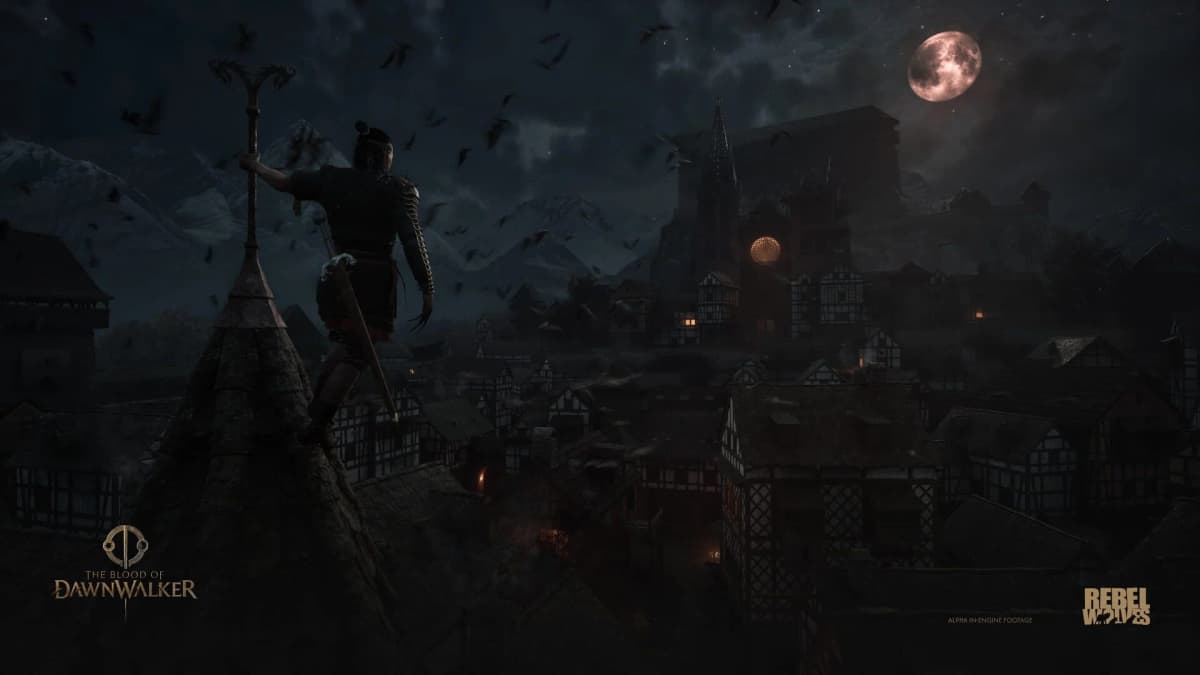
A sword-first setup is also the cleanest way to protect yourself from the game’s time-based learning pressure. Skill progression is tied to limited time, so spreading points across every exciting ability can leave the character with several partial combat plans instead of one dependable one. Espadas reduces that risk because its value does not disappear when Coen changes state.
What an Espadas Core Should Do
- Provide reliable damage when Bruxaria is unavailable.
- Give Vampirismo builds a dependable answer when charges or Corruption conditions make a major power a poor choice.
- Create clear punish windows after a Hex or vampiric control effect lands.
- Support players who want to switch between daytime investigation, exploration, and combat without rebuilding their basic approach around the clock.
Espadas is particularly useful for a hybrid because it prevents the build from being held hostage by a resource condition. If a Vampirismo ability needs charges, or if a Bruxaria spell is locked behind daytime, your sword kit remains the part of the build that asks for the least setup.
Vampirismo Build: Nighttime Pressure and Resource Planning
Vampirismo is the path for players who want Coen’s night form to be the center of their combat identity. Its strength comes from treating the vampiric state as an active combat phase with its own priorities, rather than as a bonus layer placed on top of an unrelated daytime build.
The key build question is whether your chosen powers work with your charge accumulation and Corruption plan. A high-impact active can look like an automatic pick, but it loses value if its resource requirement does not match how you actually fight. Likewise, a passive only deserves investment when it strengthens the active abilities you can use consistently during a normal night encounter.
How to Evaluate Vampiric Powers
- Charge demand: Consider how often a power can realistically be available, rather than judging it only by its peak effect.
- Corruption role: Treat Corruption as a build condition that needs a purpose in your loadout. Do not invest around it without deciding what it enables for your combat loop.
- Passive support: Pair passives with the active powers they directly improve, whether that means stronger pressure, better control, more reliable uptime, or a safer follow-up.
- Human-state fallback: Keep Espadas strong enough that daytime gameplay does not become an awkward wait for night.
A focused Vampirismo build favors players who enjoy committing hard during the night, managing a specialized set of powers, and adapting their daytime approach around a sword-based fallback. It is the least forgiving tree to build casually because resource-dependent abilities need a coherent package around them.
Three Build Directions That Match the Day-Night System
Daytime Hexblade: Bruxaria + Espadas
This is the most practical route for methodical players. Bruxaria handles the opening stage of a fight through Hexes, control, utility, and damage over time, while Espadas turns that advantage into secure melee damage. At night, you continue using the sword foundation instead of trying to force a daytime magic build into a state where it cannot function.
Choose this direction if you value combat control, prefer to set up enemies before engaging, and want the human side of Coen’s identity to lead your build.
Night Hunter: Vampirismo + Espadas
This route makes Coen’s vampiric state the high-pressure phase of the build. Vampirismo provides the specialist tools, while Espadas supplies steady damage whenever charges, Corruption considerations, or daytime restrictions make a major vampiric ability less useful.

Choose this direction if you enjoy managing a stronger but more conditional kit and want nighttime combat to feel meaningfully different from daytime encounters.
Adaptive Duelist: Espadas + Selective Bruxaria and Vampirismo
The balanced route uses Espadas as the main investment, then takes a small number of Bruxaria and Vampirismo skills that solve specific problems in their available states. This avoids the risk of building entirely around a tree that goes offline for half of the cycle.
Choose this direction if you want a flexible first build, prefer one consistent melee core, and want access to both human Hexes and vampiric powers without turning either resource system into the whole character.
Active and Passive Skill Synergy Rules
Build synergy in The Blood of Dawnwalker should be judged by combat sequence, not by whether two abilities sound similar. A useful sequence has a setup, a payoff, and a fallback. Bruxaria can serve as setup during the day, Vampirismo can become the night payoff, and Espadas should remain available when neither specialist option is ideal.
- Take a passive when it improves an active ability you expect to use regularly.
- Do not spend heavily on multiple resource-hungry abilities unless their charge needs can fit into the same combat rhythm.
- Use Corruption-linked effects as part of a deliberate package, with a defined reason to accept their conditions.
- Keep one part of the build reliable without a special state, a charge threshold, or a time-of-day requirement.
- When choosing between two similar actives, favor the one that creates a clearer opening for your sword or specialist follow-up.
This matters because the game’s time-segment structure gives every skill choice an opportunity cost. A powerful ability is less valuable if it only works during a narrow part of your preferred play pattern. The best build is the one whose key buttons remain useful during the content you actually choose to tackle.
When a Respec Makes Sense
A respec should be used to change your build’s central time-state plan, not to chase every new ability that looks strong in isolation. If your early investments reveal that you prefer night combat and vampiric pressure, moving from a Witchcraft-heavy spread into Vampirismo and Espadas has a clear purpose. The reverse is equally true for players who find daytime Hex control more useful than a charge-focused night loop.
A rebuild is less useful when the issue is simply that one active skill is awkward. First check whether the problem is your combat sequence: a Bruxaria spell may need a better Espadas follow-up, while a Vampirismo power may need passives that make its charge or Corruption conditions fit your normal encounters. Replacing an entire build before checking those links can waste both progression and limited learning time.
Best Skill Tree for Each Playstyle
- Choose Bruxaria if you want daytime control, Hex-based utility, damage over time, and safer melee openings.
- Choose Espadas if you want the most consistent build across both day and night, with fewer availability concerns.
- Choose Vampirismo if you want the night form to drive your strongest combat moments and are comfortable planning around charges and Corruption.
- Choose a hybrid if you want Coen to have a clear answer in every state, with Espadas carrying the shared foundation.
For a first character, build around one specialist tree and Espadas instead of splitting equally between Bruxaria, Espadas, and Vampirismo. The result is a combat loop that remains functional in daylight, dangerous at night, and flexible enough to suit the time-driven choices across Vale Sangora.
FinalBoss // Gear
Level up your setup
01Top-rated gaming headsetson Amazon→02High-refresh gaming monitorson Amazon→03Gaming chairson Amazon→04Discounted game keyson Kinguin→
Affiliate links · As an Amazon Associate, FinalBoss earns from qualifying purchases.
Want to Level Up Your Gaming?
Get access to exclusive strategies, hidden tips, and pro-level insights that we don't share publicly.
Ultimate Guide Strategy Guide + Weekly Pro Tips